Sapphire Engagement Rings - Meaning, Quality, and Buying Guide
From royalty to modern couples, sapphire engagement rings offer stunning beauty, rich history, and lasting durability. Learn everything about color, quality, origins, and how to choose the perfect stone.
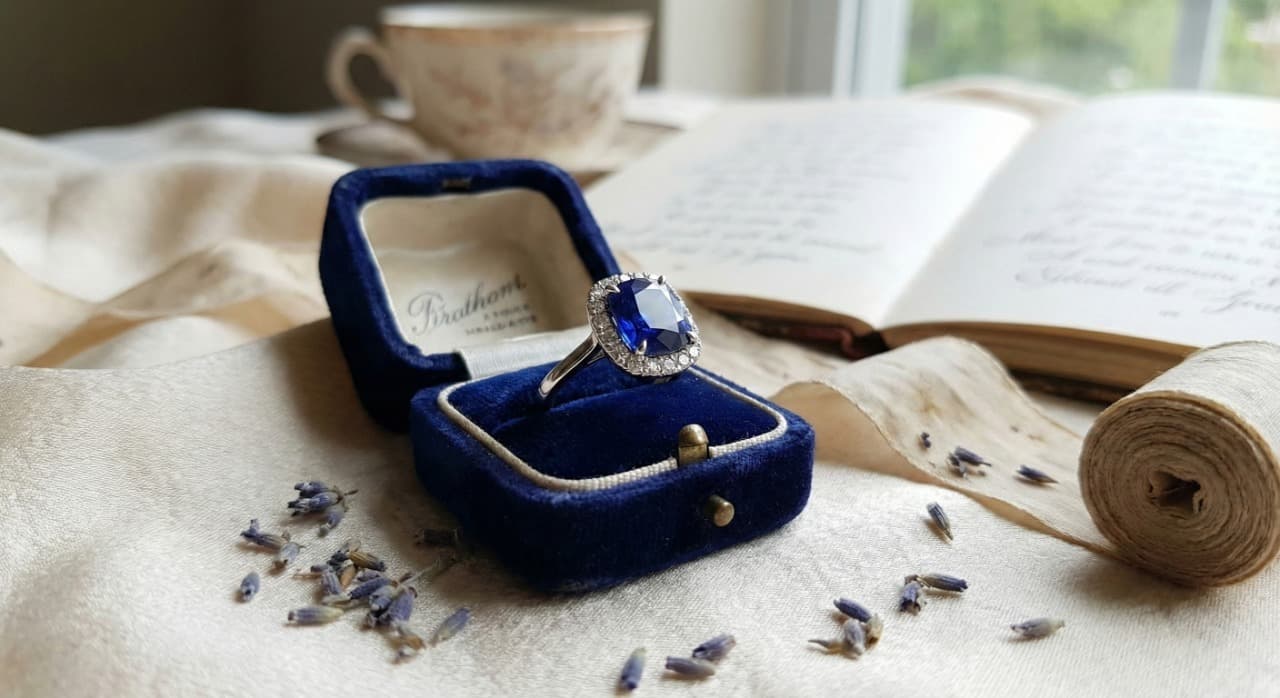
Engagement rings are deeply personal symbols of love and commitment. While diamonds have long held the title of traditional choice, sapphire engagement rings are seeing a remarkable resurgence. From the fingers of royalty to modern couples seeking unique expression, sapphires offer a stunning blend of history, durability, and vibrant personality.
This guide covers everything you need to know about sapphire engagement rings, from their ancient symbolism to the technical factors that determine their value.
A Symbol of Truth and Royalty
Sapphires have been cherished for thousands of years. The name itself comes from the Greek word sappheiros, which means blue stone. According to The Natural Sapphire Company, historically this gem represented honesty, loyalty, and fidelity. In medieval times, clergy wore blue sapphires to symbolize Heaven, while commoners believed the stone attracted heavenly blessings.
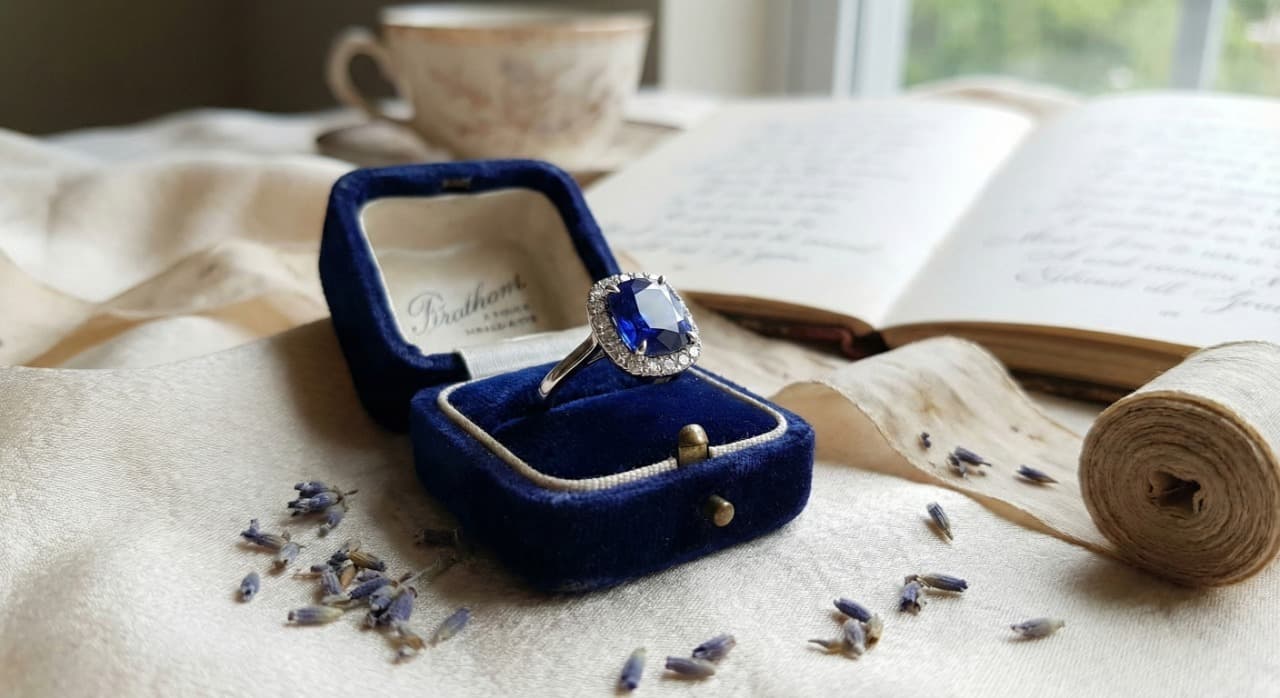
The connection to royalty is undeniable. The most famous example in modern history is the 12 carat oval blue Ceylon sapphire ring given to Lady Diana Spencer by Prince Charles, which is now worn by Kate Middleton. This sparked a global trend that continues today. Choosing a sapphire says that your love is based on truth and deep attachment. It is a choice that values character and depth over mere sparkle.
Assessing Quality with the Sapphire 4 Cs
Buying a sapphire is different from buying a diamond. With diamonds, brilliance and light performance are paramount. With sapphires, color is the absolute ruler.
1. Color
This is the most critical factor affecting value. You must evaluate three distinct elements.
Hue describes the basic color of the stone. For blue sapphires, the most prized hues are "cornflower blue" and "royal blue" as noted by GIA. However, sapphires come in every color of the rainbow except red (which is ruby).
Saturation refers to the intensity of the color. You want a stone that looks vivid and intense, not dull or gray. A sapphire with weak saturation will look washed out, while one with extremely high saturation looks rich and velvety.
Tone describes how light or dark the color appears. The ideal tone is medium to medium dark. If a stone is too dark, it will look like black onyx in low light. If it is too light, it lacks presence.
2. Clarity
Unlike diamonds, sapphires are rarely flawless. They often contain microscopic inclusions, such as tiny mineral crystals or needles known as "silk." In fact, according to Angara, some silk can be desirable as it creates a velvety softness, famously seen in Kashmir sapphires.
When buying, look for a stone that is "eye clean," meaning you cannot see imperfections without magnification. You do not need to pay a premium for a loupe clean stone unless you are a collector.
3. Cut
There is no standardized ideal cut for colored gemstones. A cutter will fashion the rough stone to maximize its color weight rather than its light return.
When viewing a stone, check for a "window." This is a pale, see through area in the center of the gem caused by cutting the stone too shallow. A well cut sapphire should reflect color back to your eye from edge to edge, with no dead spots.
4. Carat Weight
Sapphires are denser than diamonds. This means a one carat sapphire will be physically smaller than a one carat diamond. When purchasing, it is smarter to ask for the millimeter dimensions (for example, 6 mm round) rather than just the carat weight. This ensures the stone will look the size you expect on the finger.
Origins and Their Impact
The geographic origin of a sapphire can significantly impact its price and prestige.
Kashmir stones are the most legendary and expensive, known for their cornflower blue hue and sleepy quality. They are extremely rare.
Burma (Myanmar) produces stones with a rich, intense royal blue color.
Sri Lanka (Ceylon) is famous for producing lighter, brighter sapphires often with excellent clarity.
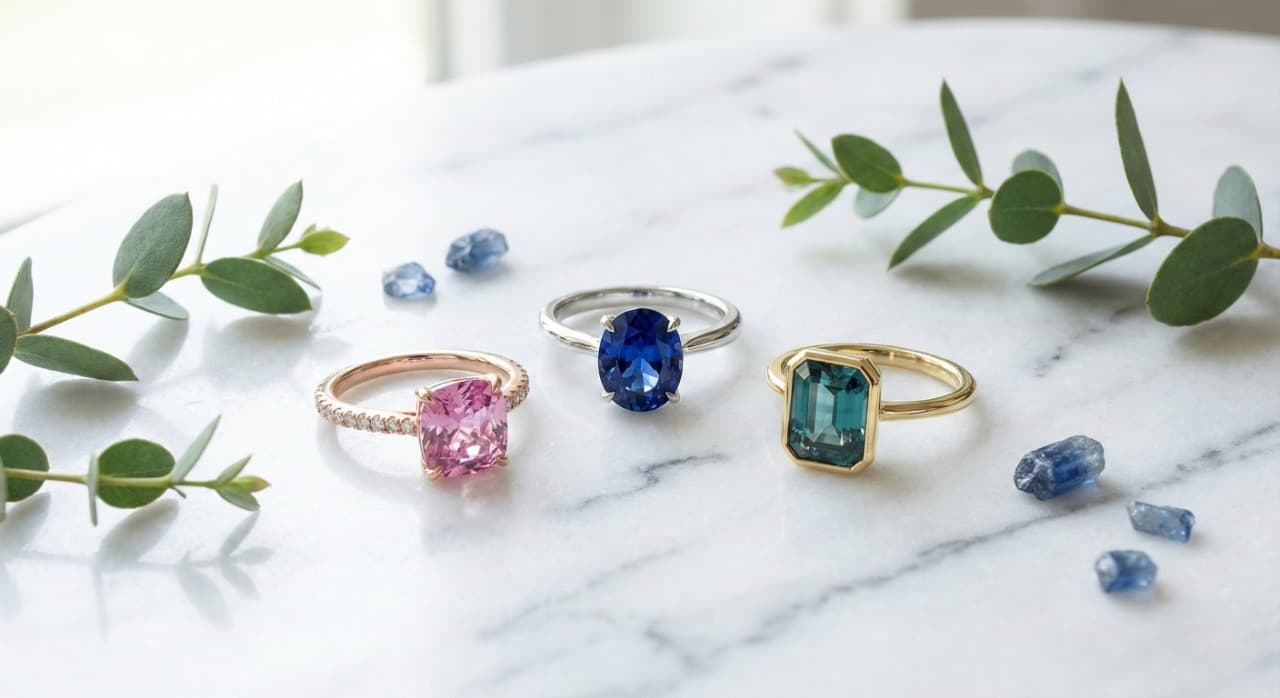
Montana (USA) has gained massive popularity recently for its unique teal, blue-green, and steel blue stones. These are often ethically mined and perfect for a modern, earthy aesthetic.
Madagascar is a major modern source producing fine quality stones that rival Ceylon and Burmese gems.
Treatments and Synthetics
You must understand what you are buying to avoid overpaying.
Heat Treatment is an ancient and accepted industry practice. According to Navratan, roughly 95% of sapphires on the market are heat treated to improve color and clarity. These stones are stable, durable, and beautiful.
Unheated sapphires are rare gems that were mined with perfect natural color. They command a significant price premium, often 50% to 100% more than a heated stone of similar look. Reputable labs like GIA or AGL can verify this status.
Lab Created sapphires are chemically and physically identical to mined stones but are grown in a facility. They are a sustainable and budget friendly option, costing a fraction of the price of natural stones.
Designing Your Ring
Sapphires are incredibly versatile in design.
Metals play a huge role. Platinum and white gold create a cool, modern look that enhances blue tones. Yellow gold provides a warm, vintage contrast that can make a teal or deep blue stone feel regal. Rose gold is an exceptional choice for pink or padparadscha sapphires.
Settings should protect the stone. While sapphires are very hard (9 on the Mohs scale, they can still chip if hit hard on an exposed edge. Bezel settings offer the most protection, while prong settings allow more light to enter the stone.
At Tashvi AI, we understand that visualizing these color combinations can be difficult. Our platform allows jewelers and designers to generate realistic 3D models of sapphire rings instantly. You can experiment with different gold tones and sapphire hues to find the perfect balance before you ever touch a piece of metal.
Buying Checklist
Use this simple list to ensure a smart purchase.
Demand a Lab Report for any significant natural stone. Ask for a report from a credible lab like GIA, AGS, AGL, or SSEF to confirm it is natural and disclose treatments.
Check the Color in Different Lights by viewing the stone in daylight and indoor lighting. Some stones look great in the store but turn dark and inky at home.
Ask About Treatment to confirm if the stone is heated, unheated, or lattice diffused (avoid lattice diffusion as it is a surface coating).
Prioritize Color Over Carat because a smaller, vivid blue stone is far more beautiful and valuable than a large, washed out one.
Conclusion
A sapphire engagement ring is a choice that speaks to confidence and individual style. Whether you choose a classic royal blue velvet tone or a modern teal Montana sapphire, you are investing in a gem that is durable enough for everyday wear and rich in history.
By focusing on color quality and understanding the origin and treatment of your stone, you can find a piece that will remain a cherished heirloom for generations.
Ready to design your sapphire engagement ring? Start creating with Tashvi AI and bring your vision to life with AI powered jewelry design tools.