Ring Settings Guide: 10 Types with Photos (2026)
Compare 10 ring setting types with photos and durability ratings. Prong, bezel, channel, pavé, halo, tension, flush, and more — all explained.
Understanding Ring Settings as Architectural Foundations

The setting of a ring serves as the architectural foundation that defines both its aesthetic appeal and its structural integrity. While the center stone often commands the most attention, the metal framework holding it in place dictates how the gemstone interacts with light, how secure it remains during daily wear, and the overall stylistic era the piece evokes. For designers utilizing tools like Tashvi AI to conceptualize new jewelry pieces, understanding the mechanics and visual cues of these settings is fundamental.
This guide provides a detailed breakdown of the most prevalent ring settings. We explore their visual characteristics, functional benefits, and identifying features to help you recognize them at a glance.
Start designing your ring at Tashvi.ai →
The Prong Setting
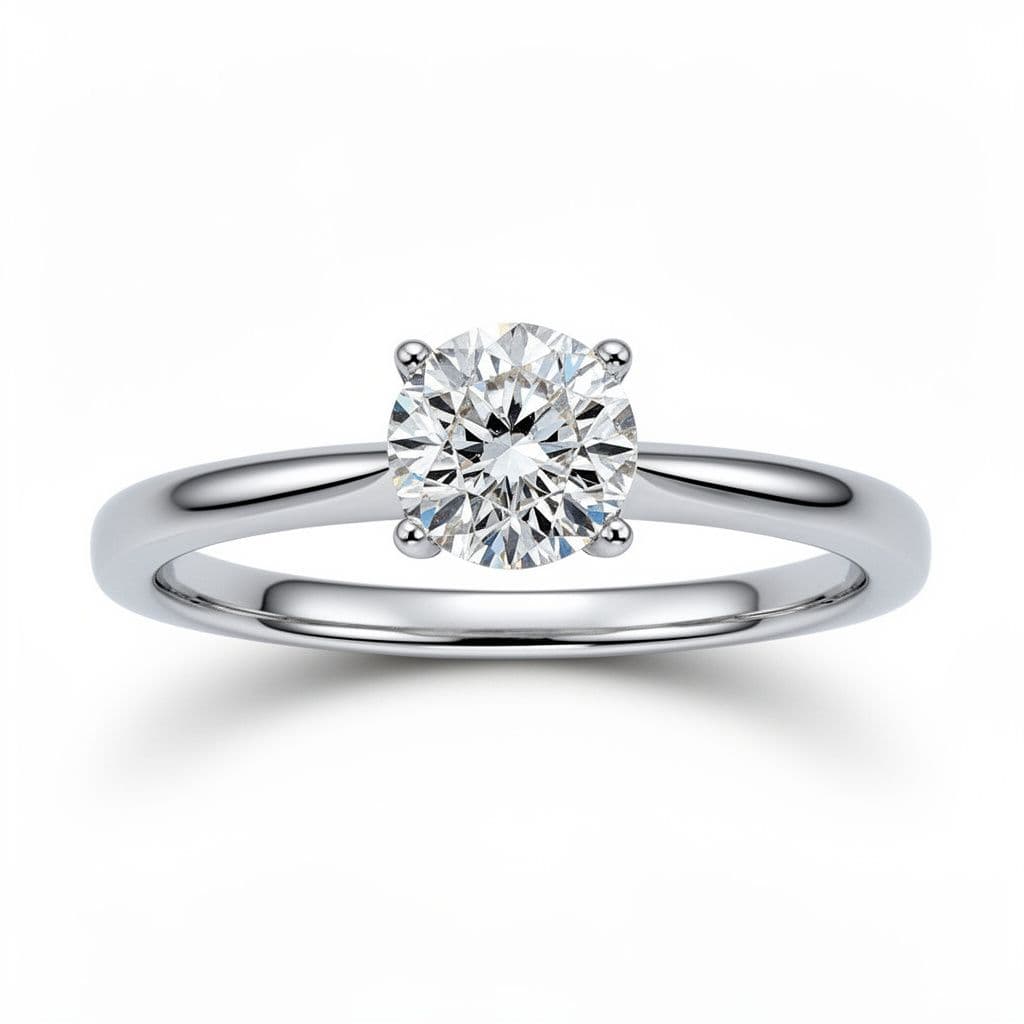
The prong setting remains the most ubiquitous and recognizable style in modern jewelry history. It gained massive popularity following the introduction of the Tiffany setting in 1886. You can identify this setting by looking for small metal claws that extend from the ring basket to grip the gemstone.
Visual Identification
Look for thin metal wires that rise up to grasp the stone. These prongs leave the vast majority of the gemstone visible. The girdle or the widest edge of the stone is often exposed between the prongs. This minimal metal presence allows light to enter the stone from all angles maximizing brilliance and fire.
Variations and Nuances
The number of prongs typically ranges from three to six. A four prong setup gives a diamond a squarish appearance while six prongs create a rounder look and offer added security. The shape of the prong tips can also vary with rounded terminals, pointed claws often called eagle claws, or flat tabs. According to the Gemological Institute of America, fewer prongs allow for more light return but offer slightly less security than their six prong counterparts.
The Bezel Setting
Before the invention of precise soldering techniques required for prongs, the bezel setting was the standard for securing precious stones. It is one of the oldest and most durable setting types available.
Visual Identification
A bezel setting is characterized by a continuous rim of metal that encircles the gemstone completely or partially. Unlike prongs that lift the stone, a bezel often holds the stone lower, creating a smooth and snag-free profile. When viewing the ring from the side, you will notice the metal hugging the crown of the stone, offering excellent protection for the girdle.
Full Versus Semi Bezel
In a full bezel, the metal ring surrounds the entire circumference of the stone. This creates a modern and clean aesthetic that makes the gem appear slightly larger while rendering it impervious to side impacts. A semi-bezel or half-bezel features two metal arcs that hold the stone on opposing sides leaving the other sides open. This variation blends the security of a bezel with the light performance of a prong setting.
The Channel Setting
This setting is favored for wedding bands and eternity rings where a continuous flow of brilliance is desired without the texture of prongs.
Visual Identification
The defining feature of a channel setting is a row of gemstones suspended between two parallel walls of metal. The stones are set girdle to girdle with no metal separating the individual gems. The metal rails on the top and bottom hold the stones securely in place by their edges.
Functional Aspects
The channel setting offers a smooth surface that does not catch on clothing. It is an excellent choice for active lifestyles. However, as noted by jewelry experts at the American Gem Society, resizing a channel-set ring can be complex because bending the metal tracks can loosen the stones.
The Pavé Setting
Derived from the French word for paved, this setting technique covers the metal surface with diamonds to minimize the appearance of the underlying gold or platinum.
Visual Identification
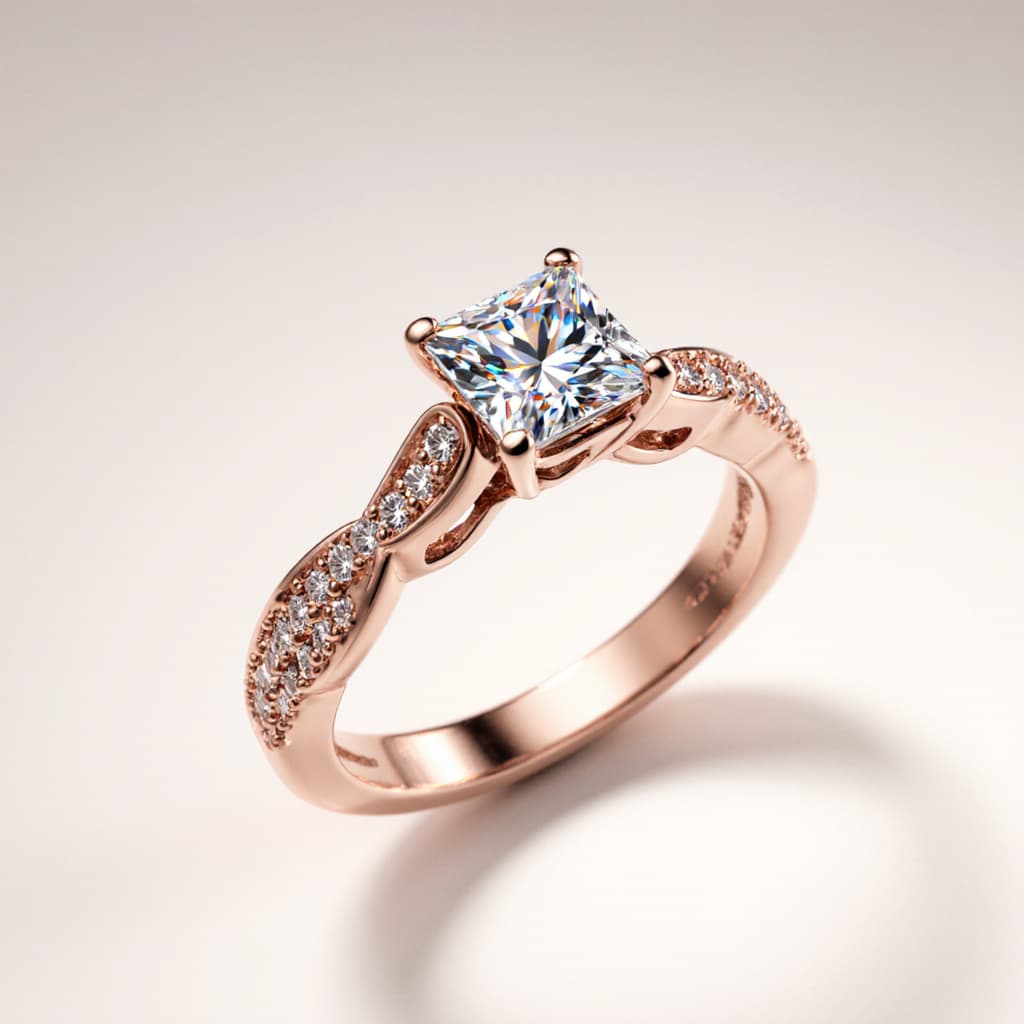
Pavé settings feature small gemstones set closely together held in place by tiny beads or droplets of metal. The visual effect is one of continuous sparkle as if the ring is paved with diamonds. Unlike channel settings, there are no long metal rails. Instead, you will see a textured surface of gems and minute metal beads.
Micro Pavé and French Pavé
Micro pavé utilizes even smaller stones and requires high magnification for setting. This creates an incredibly delicate and glittering appearance. French pavé differs slightly in the metalwork underneath. The setter cuts V shapes into the metal base below the stones to allow more light to strike the sides of the diamonds, enhancing their brilliance. Designers using Tashvi AI often simulate these intricate textures to visualize light reflection on curved surfaces.
The Tension Setting
For those seeking a contemporary and architectural look, the tension setting offers a unique visual experience where the stone appears to float.
Visual Identification
A true tension setting holds the gemstone in place using the pressure of the metal band itself. There is no metal underneath the stone. You can identify this by looking at the profile. The stone seems suspended in midair, gripped only by two thick ends of the shank.
Technical Considerations
This setting requires specific metallurgy. The metal must be hardened and treated to exert significant pounds of pressure on the gemstone. Consequently, only stones with a high hardness rating such as diamonds, rubies, and sapphires are suitable. Softer stones like emeralds or opals would crack under the compressive force.
The Flush or Gypsy Setting
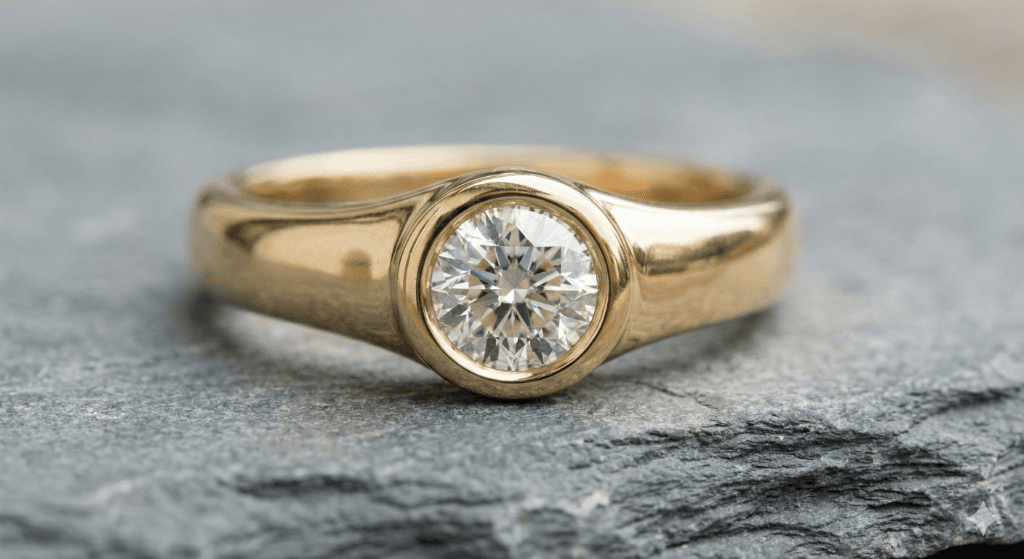
The flush setting also known as the gypsy or burnish setting is the epitome of minimalism. It is popularly used in men's wedding bands and sleek modern jewelry.
Visual Identification
In this style the gemstone is sunk into a hole drilled within the band so that the table of the stone sits flush with the surface of the metal. There are no prongs or rims protruding. The metal around the stone is hammered or burnished down to cover the girdle and secure the gem.
Durability and Light
This is arguably the most secure setting available. The stone is completely protected from knocks and scratches. The trade off is light performance. Because the stone is embedded within the metal, light can only enter through the top table facet, which may reduce the overall sparkle compared to a prong setting.
The Halo Setting
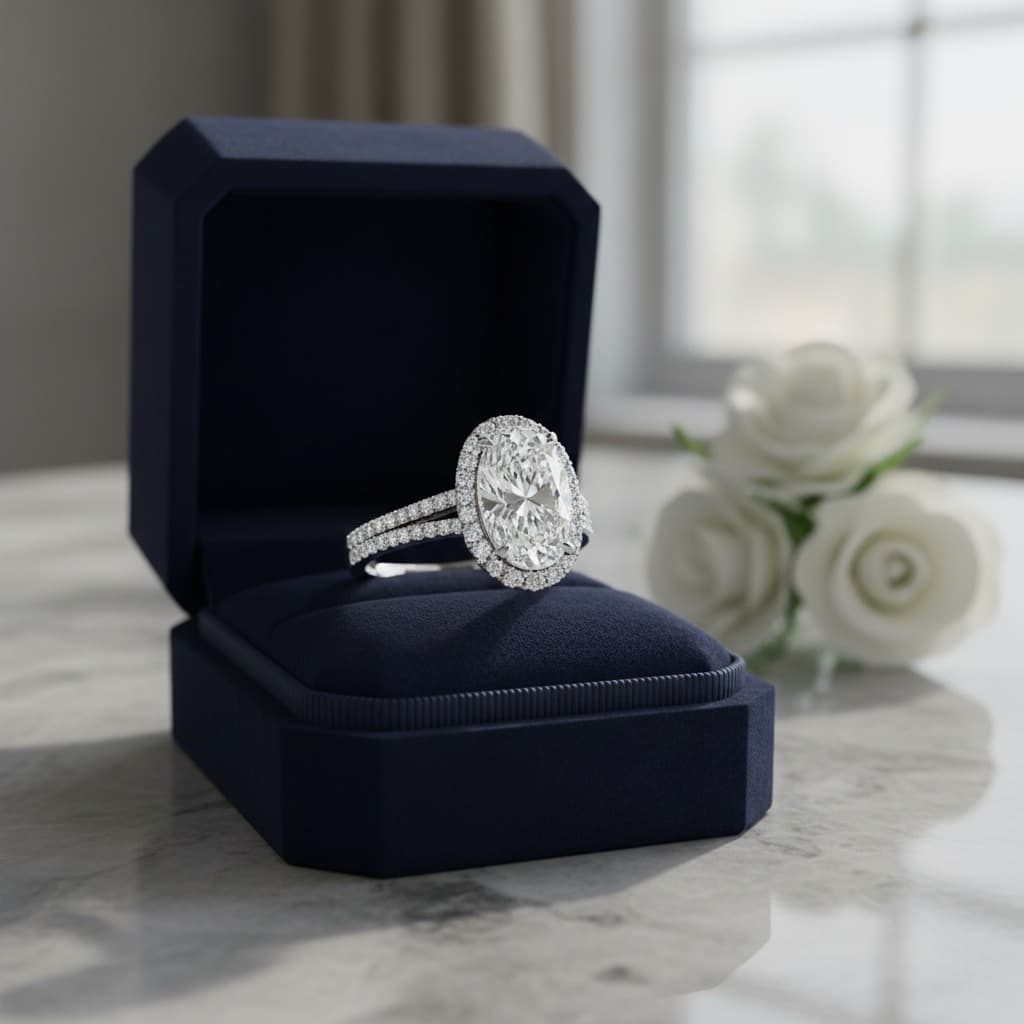
The halo setting is designed to enhance the perceived size of the center stone and add a vintage aesthetic.
Visual Identification
A central gemstone is surrounded by a concentric frame or halo of smaller accent stones usually pavé or micro prong set. When viewing the ring face-up, the halo increases the total diameter of the sparkling area.
Hidden Halo Variation
A modern trend is the hidden halo. This feature is not visible from the top down. Instead, it is located on the basket or gallery rail beneath the center stone, visible only when looking at the ring from the side profile. It adds a subtle detail that can be visualized effectively during the design phase on Tashvi AI.
The Bar Setting
Similar to the channel setting but with a distinct rhythm, the bar setting separates stones with vertical metal bars.
Visual Identification
Look for a pattern where a gemstone is followed by a metal bar then another gemstone. Unlike the channel setting, the sides of the stones in a bar setting are often left exposed, allowing more light to enter and exit. This creates a scalloped edge to the ring rather than a smooth straight line.
The Cluster Setting
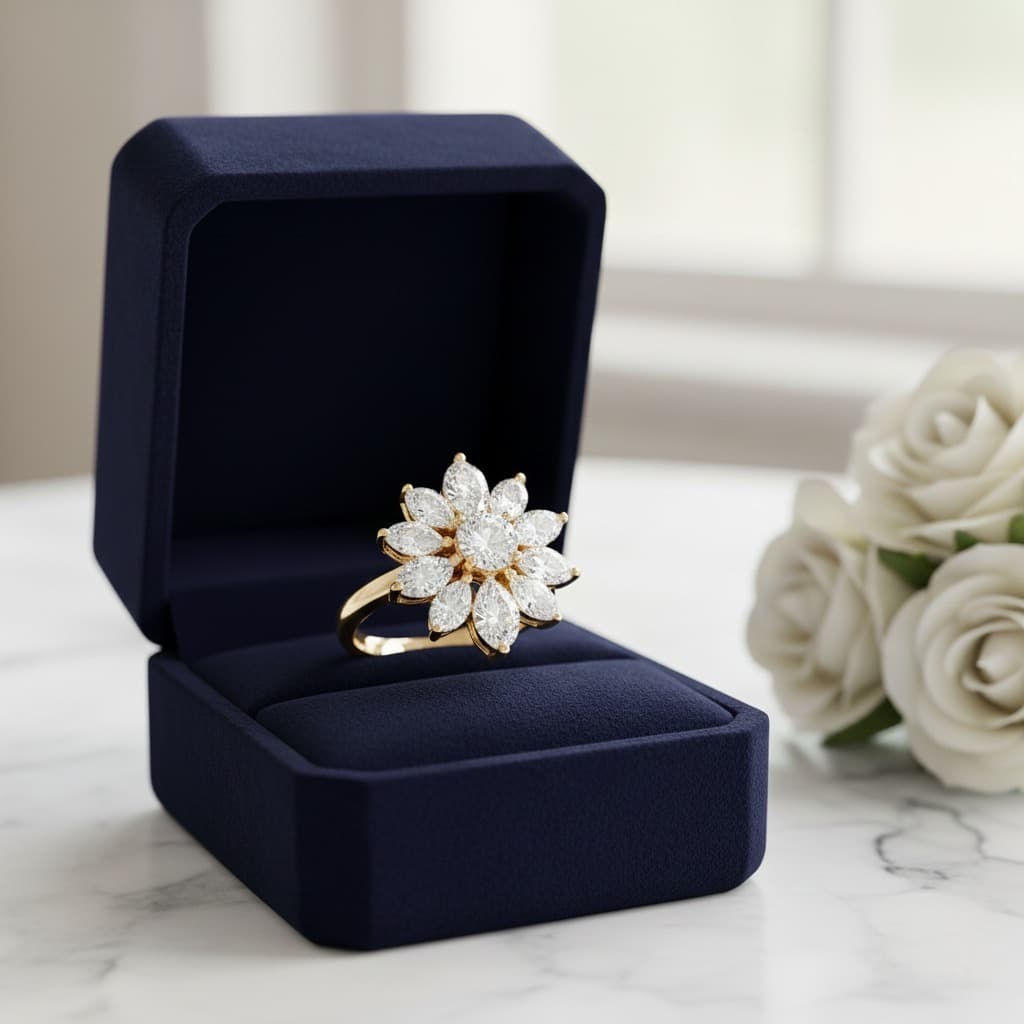
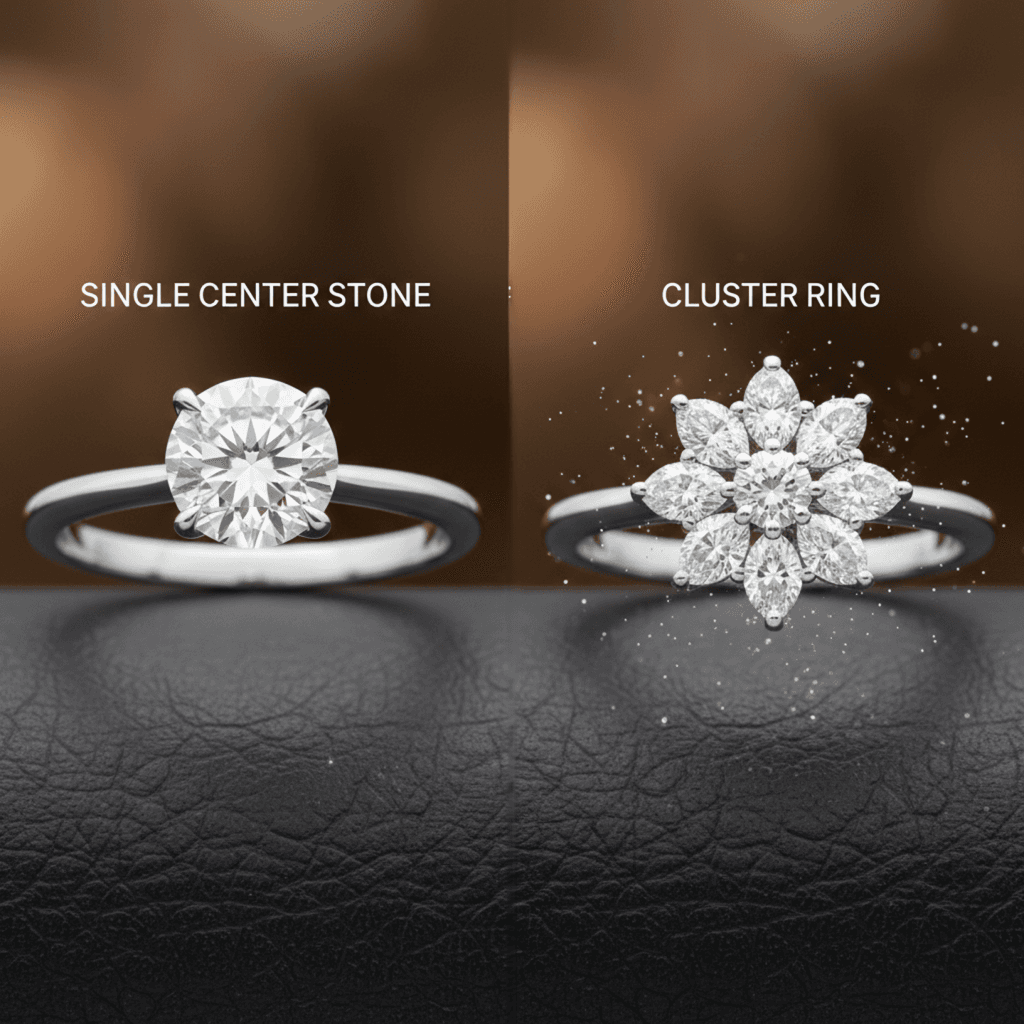
Cluster settings group smaller stones together to create the illusion of a single larger gem or to form a specific shape like a flower.
Visual Identification
You will see multiple stones set tightly together. In an illusion cluster, a central small stone might be surrounded by others to mimic the diameter of a one-carat solitaire. This is often a cost-effective way to achieve a big look as smaller diamonds cost significantly less per carat than a single large stone.
The Cathedral Setting
While the terms above describe how the stone is held, the cathedral setting describes how the shank or band rises to meet the stone.
Visual Identification
Imagine the arches of a gothic cathedral. In this setting, the metal shank splits or rises up to support the center setting, creating open spaces or arches beneath the stone. This structure adds height and elegance allowing the center stone to be the focal point while adding structural reinforcement to the basket.
Quick Reference Glossary for Ring Settings
Bar Setting is a style where gemstones are set between vertical metal bars. This leaves the sides of the stones exposed for better light entry while maintaining a secure structure.
Bezel Setting features a metal rim that wraps completely or partially around the gemstone. It provides the highest level of protection for the stone girdle and offers a sleek modern look.
Cathedral Setting refers to the shank design where the metal arches up to support the center stone. It mimics the architecture of cathedral arches and adds height to the ring.
Channel Setting suspends gemstones between two parallel walls of metal without prongs. This creates a smooth surface often used for wedding bands.
Cluster Setting groups multiple smaller stones together. This is used to create the illusion of a larger single stone or to form specific shapes like flowers.
Flush Setting sinks the stone into the metal band until it is level with the surface. The surrounding metal is burnished over the edge to hold it in place.
Halo Setting surrounds the center gem with a circle of smaller accent stones. This amplifies the sparkle and increases the perceived size of the main stone.
Pavé Setting features small diamonds set closely together with tiny metal beads. This creates a continuous surface of brilliance that hides the underlying metal.
Prong Setting uses metal claws that extend from the base to grip the stone. This is the most common setting for solitaires as it allows maximum light exposure.
Tension Setting holds the gemstone in place by the pressure of the metal band alone. The stone appears to float between the two ends of the ring shank.
Design Your Perfect Ring Setting with Tashvi AI
Identifying ring settings requires a keen eye for how metal interacts with the gemstone. Whether it is the minimal grip of a claw, the protective embrace of a bezel, or the architectural suspension of a tension setting, each style offers a unique balance of security and brilliance. For jewelers and consumers alike, recognizing these distinctions is the first step in curating pieces that align with both aesthetic desires and lifestyle requirements.
With Tashvi's AI jewelry design platform, you can visualize and experiment with all these setting styles instantly. Compare prong versus bezel, explore halo variations, and see how different settings complement your chosen gemstone. Take the concept to any jeweler or CAD designer to develop into a production file.
Start designing your ring at Tashvi.ai →
Create your dream ring with Tashvi's AI jewelry design platform →
Frequently Asked Questions About Ring Settings
What is the most secure ring setting for everyday wear?
The flush or gypsy setting provides the highest level of security for everyday wear. Because the stone sits level with the metal surface, it is completely protected from impacts and snagging. The bezel setting is the second most secure option as the metal rim surrounds and protects the gemstone girdle from all sides.
Which ring setting makes a diamond look bigger?
The halo setting is the best choice for maximizing perceived diamond size. The circle of smaller accent stones surrounding the center diamond can make it appear up to half a carat larger. Bezel settings also create a visual frame that can enhance the apparent size of the center stone.
What is the difference between prong and bezel settings?
Prong settings use individual metal claws to grip the gemstone while leaving most of the stone exposed for maximum light entry. Bezel settings wrap a continuous rim of metal around the stone offering more protection but allowing less light from the sides. Prong settings maximize brilliance while bezel settings prioritize security and a modern aesthetic.
How do I identify a channel setting versus a pavé setting?
Channel settings feature stones set between two parallel metal walls with no metal visible between individual gems. Pavé settings show tiny metal beads between closely spaced stones creating a textured surface. Channel settings have smooth straight edges while pavé settings appear more organic with visible metal dots.
What ring setting is best for an active lifestyle?
For active lifestyles the flush setting, bezel setting, and channel setting are ideal choices. These settings keep stones protected and close to the finger reducing the risk of snagging or impact damage. Avoid high profile prong settings and tension settings if you work with your hands frequently.
Can any gemstone be used in a tension setting?
No. Tension settings require gemstones with a hardness rating of 9 or higher on the Mohs scale. Only diamonds, rubies, and sapphires can withstand the pressure exerted by the metal band. Softer stones like emeralds, opals, or pearls would crack under the compressive force of a tension setting.
Frequently Asked Questions
Quick answers to the questions readers ask most about this guide.
What is the most secure ring setting for everyday wear?
The flush (gypsy) setting is the most secure for everyday wear because the stone sits level with the metal surface, completely protected from impacts. Bezel settings are the second most secure option as the metal rim surrounds and protects the gemstone from all sides.
Which ring setting makes a diamond look bigger?
The halo setting makes diamonds appear up to half a carat larger by surrounding the center stone with smaller accent diamonds. Bezel settings also create a visual frame that enhances the apparent size of the center stone.
What is the difference between prong and bezel settings?
Prong settings use individual metal claws to grip the gemstone while leaving most of it exposed for maximum light entry. Bezel settings wrap a continuous rim of metal around the stone, offering more protection but allowing less light from the sides.
How do I identify a channel setting versus a pavé setting?
Channel settings feature stones between two parallel metal walls with no metal visible between gems. Pavé settings show tiny metal beads between closely spaced stones. Channel settings have smooth straight edges while pavé appears more textured with visible metal dots.
What ring setting is best for an active lifestyle?
Flush, bezel, and channel settings are ideal for active lifestyles. These keep stones protected and close to the finger, reducing snagging or impact damage. Avoid high-profile prong and tension settings if you work with your hands.