
Japanese Kintsugi Philosophy in Modern Jewelry Design
Explore how the Japanese art of kintsugi transforms broken beauty into wearable gold-repaired jewelry that celebrates imperfection and resilience.
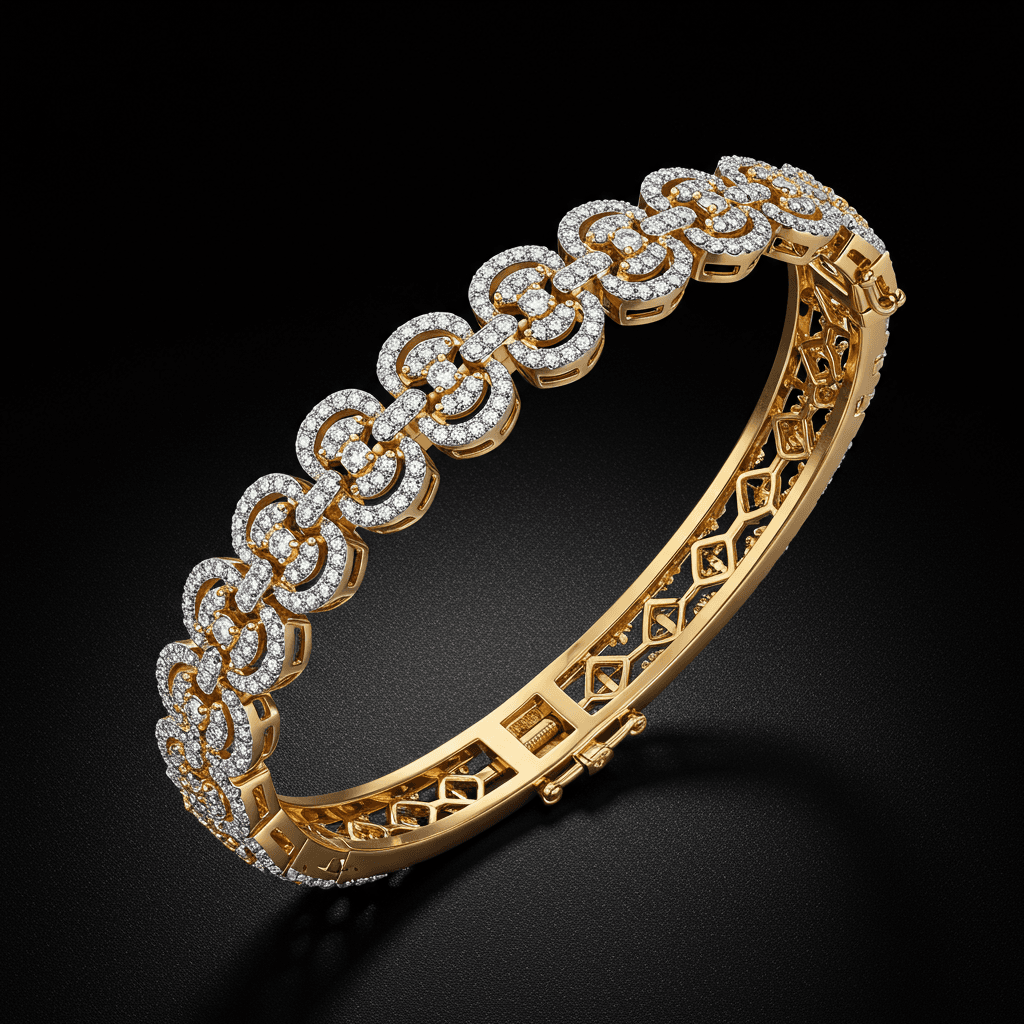
Japanese Kintsugi Philosophy in Modern Jewelry Design
Kintsugi, sometimes called kintsukuroi, is the centuries-old Japanese art of repairing broken pottery with gold. It has become one of the most compelling design philosophies shaping modern jewelry. Rather than concealing fractures, kintsugi transforms them into luminous golden seams that celebrate resilience, history, and the beauty found within imperfection.
The philosophy behind kintsugi resonates deeply with contemporary consumers who seek meaning beyond mere aesthetics. In a jewelry market saturated with flawless symmetry and machine-perfect finishes, pieces that honor their own story of breakage and renewal stand apart. This tension between fragility and strength, between damage and beauty, gives kintsugi-inspired jewelry an emotional depth that polished perfection simply cannot replicate.
The Origins and Philosophy of Kintsugi
Kintsugi, also known as kintsukuroi ("golden repair"), emerged during Japan's Muromachi period in the fifteenth century. According to popular accounts, the shogun Ashikaga Yoshimasa sent a cracked celadon tea bowl back to China for repair. The bowl returned held together with unsightly metal staples called kasugai, prompting Japanese craftsmen to develop a more elegant solution. They combined urushi lacquer restoration with maki-e, the art of sprinkling metallic powder over wet lacquer, to fill cracks with gold. This turned each fracture into a river of precious metal that elevated the damaged object beyond its original state.
The traditional technique relies on urushi, a natural lacquer harvested from the sap of the lacquer tree (Toxicodendron vernicifluum), a relative of poison ivy. Artisans mix urushi with rice glue to form nori urushi, or with flour glue to create mugi urushi, producing a powerful natural adhesive. After a broken vessel is reassembled, it must cure at roughly 90 percent humidity for anywhere from two days to two weeks. The entire restoration process, from assembly through gold application, can take up to a month per object. This slow, meditative pace is itself part of the philosophy.
This practice is deeply rooted in several interconnected Japanese philosophical traditions. Wabi-sabi, the acceptance of transience and imperfection, provides the aesthetic framework. Mushin, the concept of non-attachment, teaches that clinging to an object's original form prevents us from seeing new possibilities. Together, these ideas create a worldview where damage is not the end of a story but a meaningful chapter within it.
Three Traditional Kintsugi Styles
Not all kintsugi repairs look the same. The craft recognizes three distinct approaches. The crack method, called hibi, is the most common and iconic. Artisans rejoin broken pieces using gold-dusted lacquer, creating the shimmering veins that define the art form. The piece method fills missing fragments entirely with gold or a gold-lacquer compound, replacing absent ceramic with solid precious metal. The joint-call method, known as yobitsugi, replaces a missing fragment with a non-matching shard from a different vessel entirely, creating a patchwork effect that celebrates the meeting of two separate histories in one object. Each style produces a fundamentally different visual and philosophical outcome.
The philosophical implications extend far beyond ceramics. As noted by the Victoria and Albert Museum's collections on Japanese art and design, Japanese craft traditions have consistently elevated functional repair into artistic expression, blurring the boundary between utility and fine art. This same boundary-blurring quality is what makes kintsugi so natural a fit for jewelry, a category of objects already positioned at the intersection of function and beauty.
From Ceramic Repair to Wearable Art
The translation of kintsugi from ceramics to jewelry is not a simple matter of aesthetic borrowing. It requires understanding what makes the original practice so powerful and finding ways to preserve that power at a completely different scale.
In traditional kintsugi, the gold seams follow paths determined by genuine fractures. No two repairs look alike because no two breaks are identical. This authenticity is central to the art form. The gold does not follow a designer's blueprint. It follows the truth of what happened to the object. Translating this quality into jewelry means finding ways to let materials speak for themselves rather than imposing rigid geometric patterns onto surfaces.
Some jewelers achieve this by actually fracturing materials and reassembling them. Porcelain pendants are deliberately broken and rejoined with gold, creating genuinely unique fracture patterns. Others use techniques like reticulation, where metal is heated until its surface buckles and cracks organically, then fill those natural fissures with contrasting metals. Both approaches honor the kintsugi principle that beauty emerges from process rather than pure premeditation.
The shift from ceramic to jewelry also introduces new material possibilities. Where traditional kintsugi relies on urushi lacquer as the bonding agent with gold powder providing the visual accent, jewelry makers can work with solid gold wire, gold leaf, gold-filled epoxy, and even electroforming to create their golden seam lines. Each technique produces a different visual texture, from the delicate shimmer of gold leaf to the bold dimensionality of inlaid wire.
Materials and Techniques for Kintsugi Jewelry
Ceramic and Porcelain Fragments
The most direct translation of kintsugi into jewelry uses actual ceramic or porcelain shards. Artisans select fragments with interesting shapes, smooth edges for comfortable wear, and appealing glaze colors. These fragments are then set into bezels or joined to other fragments using gold-bearing adhesives. The resulting pieces carry the authentic character of found materials, with each one being genuinely one of a kind.
Porcelain sourced from broken vintage tableware adds an additional layer of narrative. A pendant made from a grandmother's fractured teacup carries personal history in a way that newly manufactured materials cannot. This narrative dimension aligns perfectly with the kintsugi philosophy that an object's story enhances rather than diminishes its value.
Cracked Gemstones and Minerals
Gemstones that would normally be rejected by the jewelry industry for their visible fractures find new purpose in kintsugi-inspired designs. Cracked quartz, fractured agate, and fissured turquoise become canvases for gold inlay work. The natural fault lines within these stones serve the same role as the cracks in broken pottery, providing authentic paths for the gold to follow.
This approach has interesting implications for nature-inspired jewelry design, since geological fractures are themselves natural phenomena. The gold-filled cracks in a piece of rose quartz tell a story of tectonic pressure and mineral formation that spans millions of years. Wearing such a piece connects the wearer to deep geological time in a tangible way.
Metal Reticulation and Texture
Reticulation is a metalworking technique where silver or gold alloy is heated repeatedly until its surface develops an organic, crinkled texture. When pushed further, the surface develops actual cracks and fissures that can be filled with contrasting metals. Sterling silver reticulated and filled with 24-karat gold creates a striking visual parallel to traditional kintsugi.
Other metal texturing approaches include fold-forming, where sheet metal is folded, hammered, and unfolded to create organic ridges, and mokume-gane, the Japanese technique of laminating different colored metals into a wood-grain pattern. While mokume-gane is technically a separate Japanese metalworking tradition, it shares kintsugi's celebration of process-driven pattern and its willingness to let materials behave according to their own nature.
Enamel and Resin Techniques
Vitreous enamel offers another pathway into kintsugi aesthetics. Enamel can be intentionally crazed during the cooling process, creating a network of fine cracks across its surface. Gold leaf or gold foil can then be applied over this crazed surface, filling the cracks with golden lines that closely resemble traditional kintsugi patterns.
Resin-based approaches allow for greater experimentation. Colored resin can be cast and then fractured, with gold leaf suspended in clear resin used to fill the resulting gaps. This technique is particularly popular among independent jewelry makers because it is accessible without requiring a full metalsmithing studio.
Kintsugi Across Jewelry Categories
The kintsugi aesthetic translates differently across various jewelry forms. Each category presents unique opportunities and challenges for incorporating the philosophy of beautiful repair.
Rings
Kintsugi rings often feature a band that appears to have been cracked and repaired with gold. This can be achieved through two-tone metalwork, with a base metal like oxidized silver or darkened platinum interrupted by veins of yellow gold. The organic placement of these gold lines creates the impression of genuine repair, while the structural integrity of the ring remains uncompromised.
Another approach involves setting cracked or fractured stones in otherwise conventional ring settings. A deliberately cracked cabochon of black onyx with gold-filled fissures, mounted in a simple bezel setting, transforms what might have been a traditional signet ring into a meditation on resilience.
Necklaces and Pendants
Pendants are perhaps the most natural home for kintsugi jewelry, since they provide a relatively large, flat surface area for displaying fracture patterns. Ceramic shard pendants, cracked stone slices, and reticulated metal discs all work well as pendant forms. The pendant format also allows for heavier pieces that might be impractical as earrings or rings.
Kintsugi-inspired necklaces can also incorporate the philosophy into their chain or cord elements. A chain that appears to have been broken and rejoined with a gold link, or a silk cord that transitions into a gold segment, extends the metaphor of repair beyond the focal pendant and into the entire piece.
Earrings
Asymmetry plays a particularly important role in kintsugi earrings. Because the philosophy celebrates uniqueness born from chance events, matched pairs of kintsugi earrings often feature deliberately different fracture patterns. This controlled asymmetry gives each earring its own identity while maintaining visual harmony through shared materials and scale.
Drop earrings work especially well with thin ceramic or porcelain elements, where the delicate material creates a sense of fragility that amplifies the emotional resonance of the golden repair lines. Stud earrings can feature small cracked gemstone cabochons with gold-filled fractures, offering a subtler expression of the aesthetic.
Bracelets and Cuffs
Wide cuff bracelets provide an expansive canvas for kintsugi-inspired surface treatment. A hammered silver cuff with deliberate fracture lines filled with gold creates a bold statement piece that wraps the wrist in the philosophy of beautiful imperfection. The three-dimensional curvature of a cuff adds depth to fracture patterns, with gold lines catching light differently as the bracelet curves around the wrist.
Bangle bracelets can incorporate the kintsugi concept through joins that are celebrated rather than hidden. Where a traditional bangle conceals its solder joint, a kintsugi-inspired bangle might feature an elaborate gold repair at the joining point, making the structural necessity into a decorative feature.
Comparing Kintsugi Approaches in Jewelry
| Technique | Materials Used | Skill Level | Visual Effect | Typical Price Range | Durability |
|---|---|---|---|---|---|
| Genuine ceramic repair | Broken ceramics, urushi lacquer, gold powder | Moderate | Authentic fracture patterns | $80 to $500 | Moderate, requires careful wear |
| Metal reticulation | Silver or gold alloy, contrasting fill metal | Advanced | Organic, flowing textures | $200 to $2,000 | High, fully metallic |
| Cracked stone inlay | Fractured gemstones, gold wire or leaf | Moderate to advanced | Natural geological patterns | $300 to $3,000 | High, structurally sound |
| Enamel crazing | Vitreous enamel, gold leaf | Advanced | Fine network of golden lines | $150 to $1,500 | High, glass-based surface |
| Resin and gold leaf | Colored resin, gold leaf, molds | Beginner to moderate | Varied, highly customizable | $30 to $150 | Moderate, resin can yellow |
| Mokume-gane fusion | Laminated metal sheets | Expert | Wood-grain patterns in metal | $500 to $5,000+ | Very high, solid metal |
The Wabi-Sabi Spectrum in Jewelry Design
Kintsugi exists within the broader aesthetic framework of wabi-sabi, and understanding this relationship helps designers create more nuanced work. While kintsugi focuses specifically on the beauty of repair, wabi-sabi encompasses a wider range of qualities that find beauty in imperfection, incompleteness, and impermanence.
In jewelry design, wabi-sabi principles manifest through several distinct approaches. Rough, unpolished surfaces celebrate the raw state of materials rather than refining them into mirror finishes. Asymmetric forms reject the tyranny of perfect symmetry in favor of organic balance. Matte and patinated finishes embrace the way time and wear transform metal surfaces, rather than fighting against oxidation and tarnish.
These principles stand in fascinating contrast to the Western jewelry tradition, which has historically valued flawless stones, mirror-polished metals, and precise geometric symmetry. The growing Western appetite for wabi-sabi and kintsugi aesthetics suggests a cultural shift toward valuing authenticity over perfection. Designers like the Norwegian studio Wabi Sabi and the Brooklyn-based Chikahisa Studio have built entire brands around this philosophy, using oxidized silver that develops a darker patina over time and hand-planished surfaces where no two hammer marks are identical. Wood, with its knots and grain variations, has also entered the wabi-sabi jewelry vocabulary as a symbol of the connection between humanity and the natural world.
| Wabi-Sabi Quality | Traditional Western Approach | Kintsugi-Inspired Approach |
|---|---|---|
| Surface finish | Mirror polish, high gloss | Matte, textured, deliberately weathered |
| Symmetry | Perfect bilateral symmetry | Organic asymmetry, guided by material behavior |
| Stone selection | Flawless, eye-clean stones | Included, cracked, or naturally flawed stones |
| Color palette | Bright, saturated tones | Muted, earthy, naturally occurring colors |
| Form | Geometric precision | Organic, irregular, hand-shaped |
| Visible construction | Hidden soldering and joins | Celebrated connections and repair lines |
Cultural Context and Respectful Design
Working with kintsugi as a design inspiration requires cultural sensitivity. Kintsugi is not merely an aesthetic choice. It is a practice embedded in centuries of Japanese philosophical and spiritual tradition. Designers who engage with kintsugi superficially, treating it as nothing more than a visual trend of "cracks with gold," risk reducing a profound cultural practice to a surface-level style.
Respectful engagement with kintsugi means understanding its philosophical foundations. The practice is connected to Buddhist concepts of acceptance and non-attachment, to the tea ceremony tradition and its emphasis on mindful appreciation, and to a Japanese cultural relationship with nature that differs significantly from Western perspectives. Designers who take the time to study these connections create work that carries genuine depth rather than borrowed decoration.
This same principle of respectful cultural engagement applies across the jewelry world. Just as designers working with Native American turquoise jewelry traditions must approach that heritage with understanding and respect, those drawing on Japanese aesthetic philosophy should do so with awareness of its origins and significance.
One practical way to demonstrate respect is through transparency. Describing a piece as "kintsugi-inspired" rather than "kintsugi" acknowledges the distinction between referencing a tradition and practicing it. Sharing information about the philosophy behind the aesthetic, whether on product pages or in artist statements, helps customers understand and appreciate the cultural context of what they are wearing.
Historical Japanese Metalwork and Its Influence
Kintsugi does not exist in isolation within Japanese craft history. Japan has an extraordinarily rich metalworking tradition that has influenced jewelry and decorative arts worldwide. Understanding this broader context enriches kintsugi-inspired design work.
Sword Fittings and Tsuba
Japanese sword guards, called tsuba, represent some of the most intricate metalwork ever produced. These small, flat pieces of metal were decorated using techniques including inlay, carving, piercing, and the application of contrasting metals. The level of detail achieved on a tsuba, sometimes depicting entire landscapes in an area smaller than a playing card, demonstrates a relationship between craft and patience that resonates with kintsugi's meditative quality.
Many tsuba feature shakudo, a copper-gold alloy that develops a deep blue-black patina, combined with gold inlay. This combination of dark base metal with bright gold accents creates a visual language remarkably similar to kintsugi, though arrived at through entirely different means. Modern jewelers can draw on tsuba aesthetics to create kintsugi-adjacent designs that reference this parallel tradition.
Damascene and Nunome-Zogan
Nunome-zogan, the Japanese form of damascening, involves pressing thin sheets of gold or silver into crosshatched grooves cut into a steel or iron base. The result is a surface where precious metal patterns float on a dark metallic background. This technique, historically used to decorate armor and sword fittings, translates beautifully into contemporary jewelry.
The visual similarity to kintsugi is striking. Both techniques feature gold lines against a darker background, and both celebrate the contrast between materials. However, while kintsugi's gold follows paths of damage, nunome-zogan's gold follows the artist's deliberate design. Using both approaches within a single jewelry collection creates an interesting dialogue between chance and intention.
Connections to Other Metalworking Traditions
Japanese metalwork does not exist in a vacuum. The Byzantine chain-making tradition developed sophisticated techniques for linking metal elements into flowing, flexible forms around the same period that Japanese artisans were perfecting their own chain and link designs. These parallel developments remind us that certain design instincts, the desire to create beauty from interlocking metal elements, transcend cultural boundaries.
Similarly, the way Japanese metalworkers combined different metals for visual contrast finds echoes in traditions from Persia to Peru. What makes the Japanese approach distinctive is its philosophical framework, the idea that materials should be allowed to express their inherent qualities rather than being forced into predetermined forms.
Kintsugi in Contemporary Jewelry Markets
The commercial appeal of kintsugi-inspired jewelry has grown significantly over the past decade. Several factors drive this growth, and understanding them helps designers position their work effectively.
Notable Artists and Brands
Several designers have built acclaimed collections around the kintsugi concept, spanning a wide range of price points and approaches. George Inaki Root, founder of the New York-designed and Japan-handcrafted brand Milamore, creates pieces in 18-karat gold with natural diamonds that trace the jagged seam lines of kintsugi repairs. In Root's designs, the gold crack lines become the jewelry itself, as if the ceramic has fallen away and only the golden repair remains. His work has been featured in Forbes, Vogue, and Esquire.
Italian luxury house Pomellato launched a high jewelry Kintsugi collection that takes broken shards of jet and kogolong (a white opal-like mineral also called cacholong) and reassembles them with gold. A kintsugi artist from Tokyo collaborated directly on the project. Pomellato's Kintsugi pieces range from roughly $10,000 to $18,000, placing them firmly in the high jewelry tier.
At more accessible price points, New York based designer Emilie Shapiro offers a handcrafted Kintsugi collection starting around $80 for pendants and from $487 for bands, made with recycled metals and raw gemstones in her NYC studio. Her pieces ship with a card explaining the kintsugi philosophy, reinforcing the narrative value of each purchase.
This range, from under $100 to over $18,000, illustrates how broadly the kintsugi concept scales across the jewelry market.
The Meaning Economy
Contemporary consumers, particularly younger demographics, increasingly seek products that carry emotional and philosophical meaning. A kintsugi-inspired ring is not just a ring. It is a statement about resilience, about finding beauty in difficult experiences, and about valuing history over perfection. This narrative richness makes kintsugi jewelry particularly attractive as a gift, where the philosophy behind the piece adds depth to the gesture.
Engagement rings inspired by kintsugi philosophy have emerged as a notable niche. For couples whose relationship has weathered challenges, a ring featuring gold-repaired fracture lines becomes a powerful symbol of a bond made stronger through adversity. This deeply personal symbolism gives kintsugi engagement rings an emotional weight that conventional designs cannot easily match.
Sustainability and Anti-Waste Values
Kintsugi's core principle of repairing rather than discarding aligns naturally with growing sustainability consciousness in the jewelry market. Pieces made from reclaimed ceramics, repurposed broken jewelry components, or stones that would otherwise be rejected for their flaws embody the reduce-reuse ethos in an aesthetically compelling way. As reported by FASHION Magazine, a growing number of jewelers are actively seeking out fractured gemstones that the traditional industry would discard, using kintsugi techniques to upcycle them into finished pieces. Pomellato's use of broken jet and kogolong shards in their Kintsugi high jewelry collection demonstrates that even luxury houses are embracing this from-waste-to-worth philosophy.
This sustainability dimension distinguishes kintsugi-inspired jewelry from other trend-driven categories. Rather than encouraging consumption of new materials, the philosophy actively celebrates the reuse and transformation of existing ones. Studios like Emilie Shapiro's use recycled metals alongside raw gemstones, doubling down on the environmental alignment. This combination of philosophical depth and environmental responsibility adds multiple layers of meaning for conscientious consumers.
Museum and Gallery Crossover
Kintsugi jewelry occupies an interesting position between fine craft and wearable art. Many pieces are exhibited in galleries and museum settings that inspire modern jewelry design before reaching retail markets. This gallery presence elevates the perceived value of kintsugi-inspired pieces and connects them to the broader conversation about art, craft, and meaning.
The crossover between gallery art and commercial jewelry is particularly active in Japan, where the boundary between craft categories has always been more fluid than in Western traditions. Japanese jewelers trained in traditional metalworking techniques bring centuries of technical knowledge to contemporary kintsugi jewelry, creating pieces that function as both adornment and philosophical statement.
Architectural Parallels and Design Cross-Pollination
The principles that drive kintsugi resonate with trends in other design disciplines, particularly architecture. Just as kintsugi celebrates the history embedded in repaired objects, architectural preservation movements value the visible layers of history in buildings. Exposed brick walls, preserved original beams, and intentionally visible structural repairs in renovated buildings share kintsugi's conviction that history should be displayed rather than hidden.
This philosophical alignment between jewelry design inspired by architecture and kintsugi principles opens productive creative territory. A pendant inspired by the patched stonework of a medieval cathedral, where repairs in different colored stone reveal centuries of maintenance, translates the architectural version of kintsugi into wearable form.
Brutalist architecture, with its celebration of raw concrete surfaces, imperfections, and visible construction processes, shares wabi-sabi's appreciation for honest materiality. Jewelry that combines brutalist-inspired rough textures with kintsugi's golden repair lines creates a compelling fusion of Eastern and Western design philosophies united by their rejection of superficial polish.
Using AI to Explore Kintsugi Design Concepts
Artificial intelligence has become a valuable tool for exploring kintsugi-inspired jewelry concepts at the ideation stage. AI image generation can rapidly produce variations on kintsugi themes, helping designers visualize how different fracture patterns, gold line thicknesses, and material combinations might look before committing to physical prototyping.
Tashvi AI enables designers to describe kintsugi concepts in natural language and receive visual interpretations within seconds. Prompts that reference cracked porcelain textures, golden vein patterns, and organic fracture lines produce designs that capture the essential visual character of kintsugi while suggesting novel applications and material combinations that a designer might not have considered independently.
The iterative nature of AI-assisted design is particularly well suited to kintsugi exploration. Because kintsugi celebrates the unpredictable paths of genuine fractures, there is inherent value in generating many variations and selecting the most compelling ones. AI can produce dozens of fracture pattern variations in the time it would take to sketch a handful by hand, expanding the designer's creative palette without replacing the human judgment that selects and refines the best concepts.
However, AI-generated kintsugi concepts are starting points rather than finished designs. The philosophical heart of kintsugi lies in authentic process, in the real fracture and genuine repair that give each piece its unique character. AI can suggest how a finished piece might look, but the physical act of breaking, repairing, and transforming remains essential to creating work that truly embodies the kintsugi spirit.
Practical Considerations for Kintsugi-Inspired Pieces
Structural Integrity
Jewelry must withstand daily wear, and this creates specific challenges for kintsugi-inspired designs. Pieces incorporating genuinely broken and reassembled materials require careful engineering to ensure that repaired joints can handle the mechanical stresses of being worn. Modern adhesives and setting techniques can create very strong bonds, but designers must consider the specific wear conditions each piece will face.
Rings experience the most mechanical stress of any jewelry category, making them the most challenging form for genuine kintsugi construction. Pendants and earrings, which experience less impact and bending force, are more forgiving. Designers working with fragile materials like porcelain often add reinforcement behind visible fracture lines, using metal backing plates or structural epoxy layers that provide hidden strength.
Care and Maintenance
Kintsugi jewelry often requires more mindful care than conventional pieces. Ceramic and porcelain elements can chip if struck against hard surfaces. Gold leaf finishes may wear over time, particularly in high-friction areas. Resin components can cloud or yellow with prolonged UV exposure.
Educating customers about care requirements is an essential part of selling kintsugi-inspired jewelry. Ironically, this care dimension deepens the philosophical alignment with kintsugi traditions. The original Japanese practice exists within the tea ceremony culture, where objects are handled with deliberate mindfulness. Jewelry that asks its wearer to be gentle and attentive extends this mindful relationship into everyday life.
Pricing and Perceived Value
Kintsugi-inspired jewelry spans a remarkably wide price spectrum. Resin-and-gold-leaf pieces from independent makers on platforms like Etsy start as low as $30 to $60. Studio collections from designers like Emilie Shapiro sit in the $80 to $500 range. Mid-tier designer pieces in 14-karat or 18-karat gold, such as those from Milamore, typically fall between $500 and $3,000. At the luxury end, Pomellato's Kintsugi high jewelry collection commands $10,000 to $18,000 per piece, with some individual items exceeding that range.
The labor-intensive nature of genuine fracture-and-repair techniques drives much of this pricing. A single traditional kintsugi repair can take up to a month from start to finish, requiring multiple rounds of lacquer application, curing, and careful gold finishing. When that same painstaking process is applied to jewelry-scale work, the hours of skilled handcraft accumulate quickly.
The philosophical and narrative dimensions of kintsugi jewelry also justify pricing that reflects intellectual and emotional value, not just material content. Pieces with documented provenance, such as pendants made from a specific broken vessel with a known history, command premium prices because they carry irreplaceable stories.
The Future of Kintsugi in Jewelry Design
Kintsugi's influence on jewelry design shows no signs of fading. If anything, the philosophy becomes more relevant as cultural attitudes continue shifting toward authenticity, sustainability, and meaningful consumption. Several emerging trends suggest where kintsugi-inspired jewelry might evolve in the coming years.
Digital fabrication technologies are opening new possibilities for creating controlled fracture patterns. Laser etching can create precise crack-like textures in metal and stone, while 3D printing enables the production of forms with built-in fracture aesthetics. These technologies make kintsugi-inspired designs more accessible to emerging designers who may lack traditional metalsmithing skills.
The growing interest in personalized jewelry creates natural synergies with kintsugi philosophy. Custom kintsugi pieces, where a client's own broken object is transformed into wearable art, represent the ultimate personalization. A broken heirloom vase becoming a pendant, or a fractured sentimental ceramic becoming a pair of earrings, creates jewelry that carries deeply personal meaning impossible to replicate through any other design approach.
Material science advances are also expanding what is possible. New ceramic composites are stronger than traditional porcelain while retaining the ability to fracture in aesthetically interesting ways. Bio-resins derived from plant materials offer sustainable alternatives to petroleum-based resins. Gold-coated nanoparticles can create golden effects without the cost of solid gold, making the kintsugi aesthetic accessible at lower price points.
Perhaps most importantly, the philosophical core of kintsugi, the radical acceptance of imperfection and the transformation of damage into beauty, speaks to something universal in human experience. Every person carries invisible fracture lines from their own experiences of loss, failure, and recovery. Jewelry that symbolizes the golden repair of those fractures offers a wearable reminder that our breaks can become our most beautiful features. That message transcends any single trend cycle, suggesting that kintsugi-inspired jewelry has staying power far beyond what its current popularity might predict.
Frequently Asked Questions
Quick answers to the questions readers ask most about this guide.
What is kintsugi and how does it apply to jewelry
Kintsugi is the Japanese art of repairing broken ceramics with gold lacquer, treating the damage as part of the object's history rather than something to hide. In jewelry, this philosophy inspires designs featuring visible gold seams, cracked textures, and celebrated imperfections.
Is kintsugi jewelry made from actually broken pieces
Some kintsugi jewelry incorporates genuinely broken materials like ceramic or stone fragments joined with gold. Many contemporary designers create kintsugi-inspired pieces that simulate the cracked and gold-filled aesthetic using intentional textures and applied gold lines on intact materials.
What materials work best for kintsugi-inspired jewelry
Porcelain and ceramic fragments paired with gold are the most traditional combination. Modern interpretations use cracked gemstones, textured enamel, resin with gold leaf, and hammered metals with gold inlay. The contrast between the base material and gold repair lines creates visual impact.
How does wabi-sabi differ from kintsugi in jewelry design
Wabi-sabi is the broader Japanese aesthetic philosophy that finds beauty in imperfection and impermanence. Kintsugi is one specific practice within this philosophy. In jewelry, wabi-sabi might include organic textures, irregular shapes, and matte finishes, while kintsugi specifically references repaired fractures.
Can AI help design kintsugi-inspired jewelry
AI design tools generate kintsugi-inspired concepts by interpreting prompts that describe cracked textures, gold seam patterns, and organic fracture lines. Tashvi AI can visualize how gold repair lines would flow across different jewelry forms, helping designers explore variations before committing to production.