
AI Jewelry Design Software
Design, CAD, marketing photos, and inventory in one AI assistant for jewelers.
AI jewelry design — real renders, not stock images
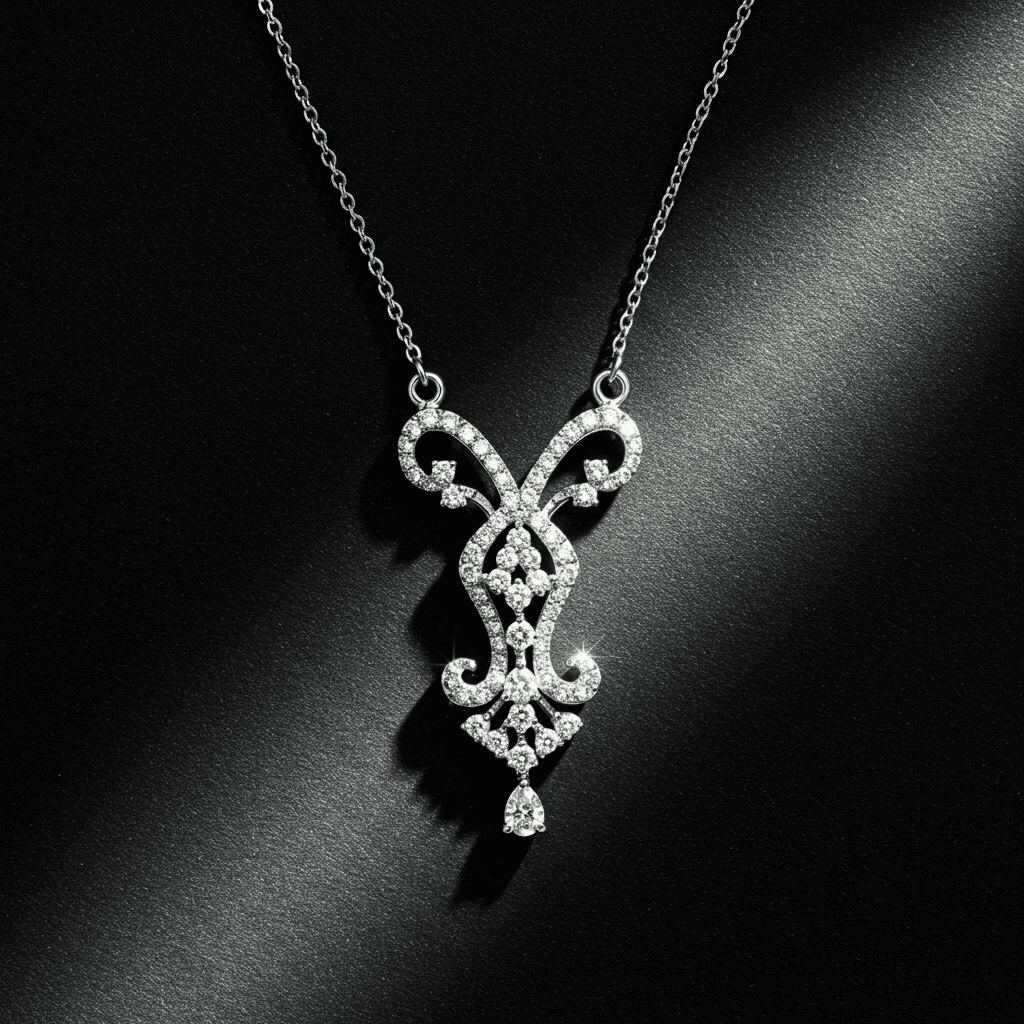
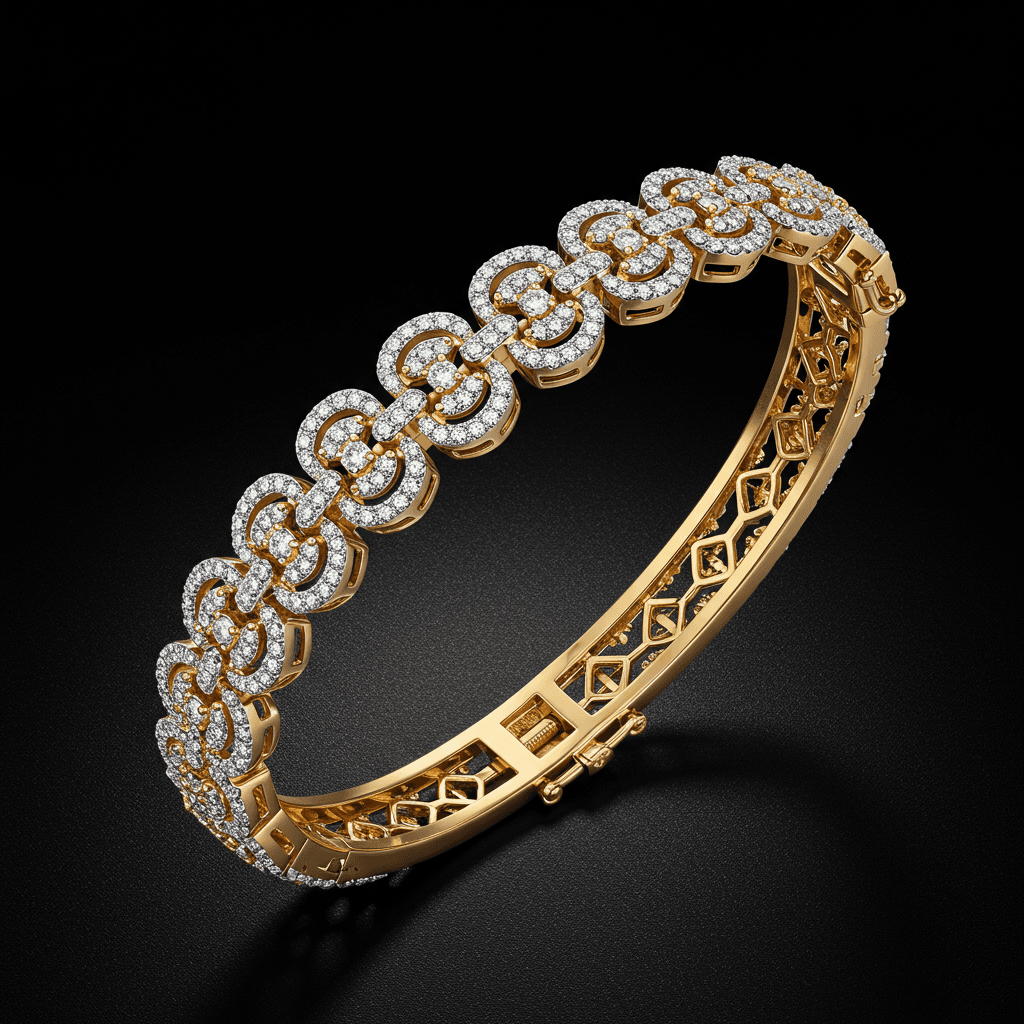
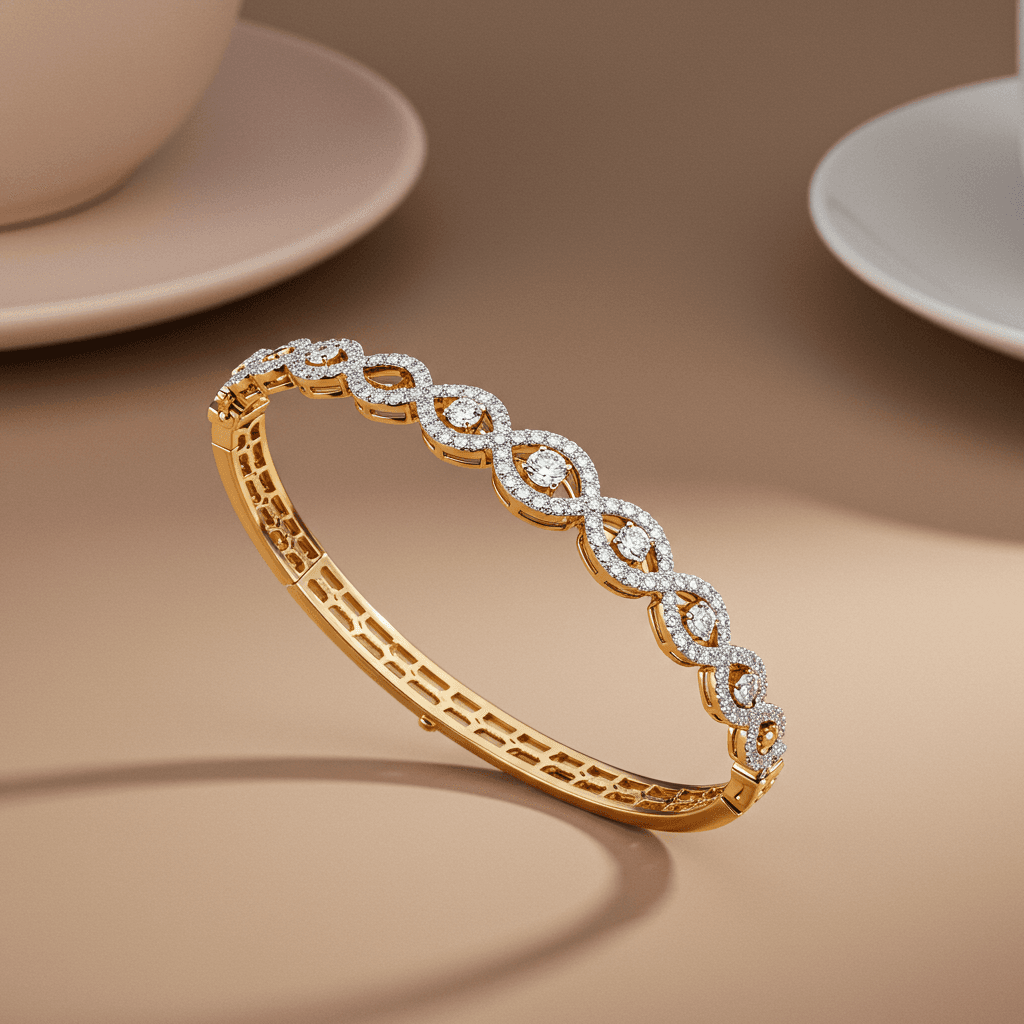
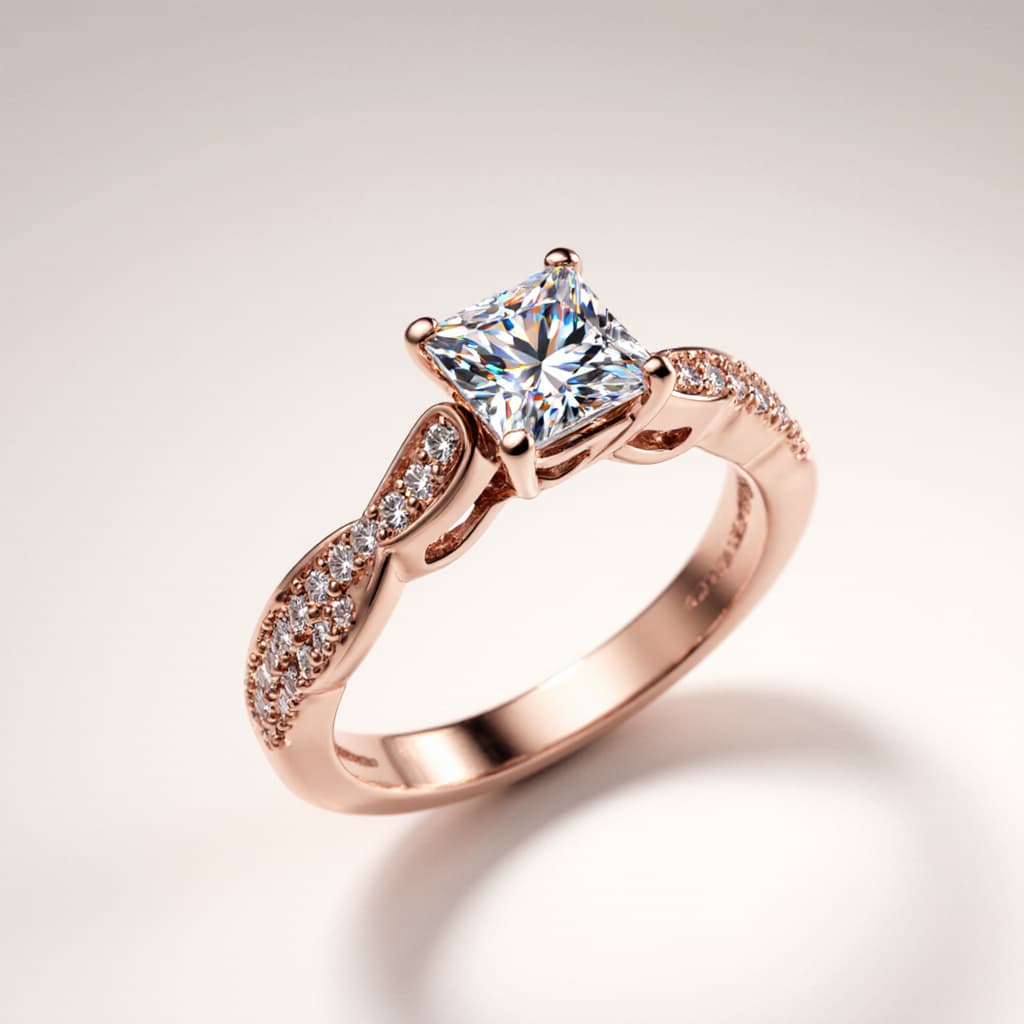
Every piece below was generated with Tashvi from a plain-English prompt. Each is ready to hand to a bench jeweler.
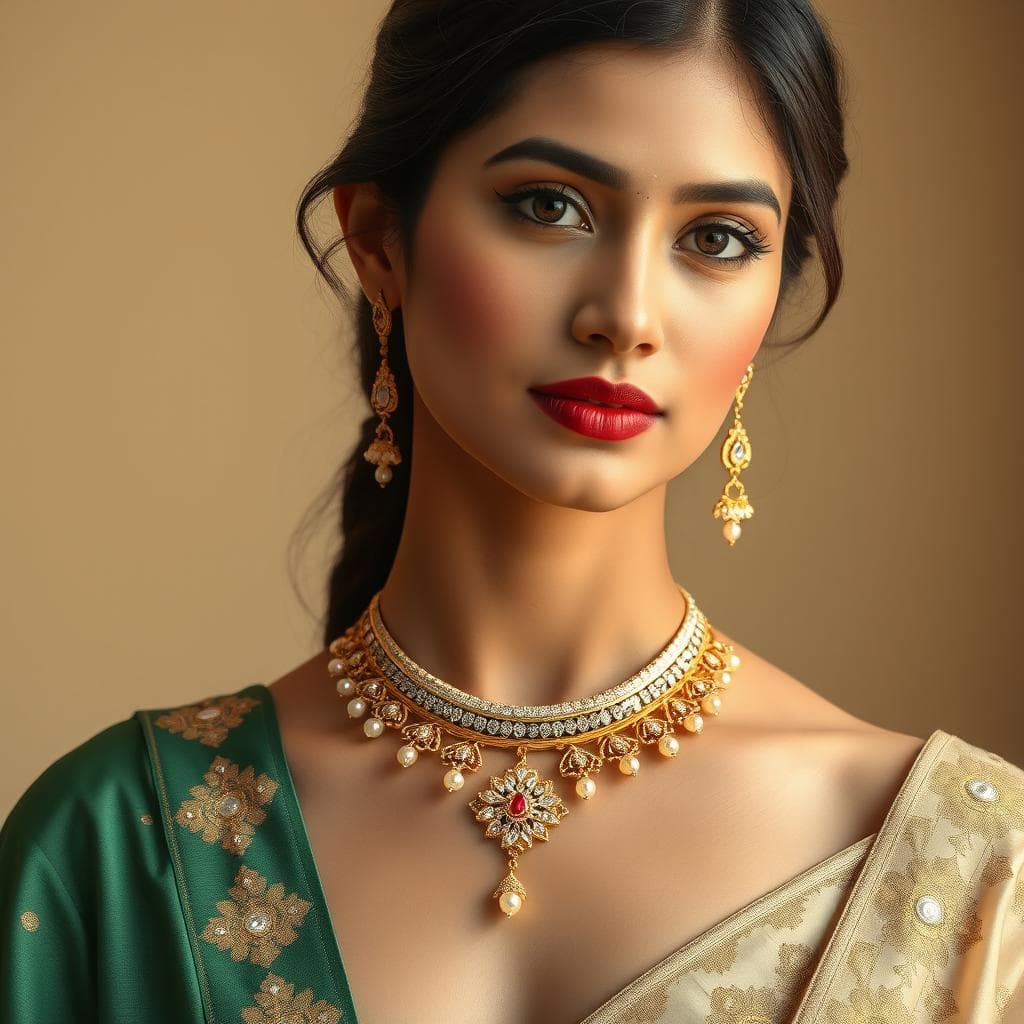
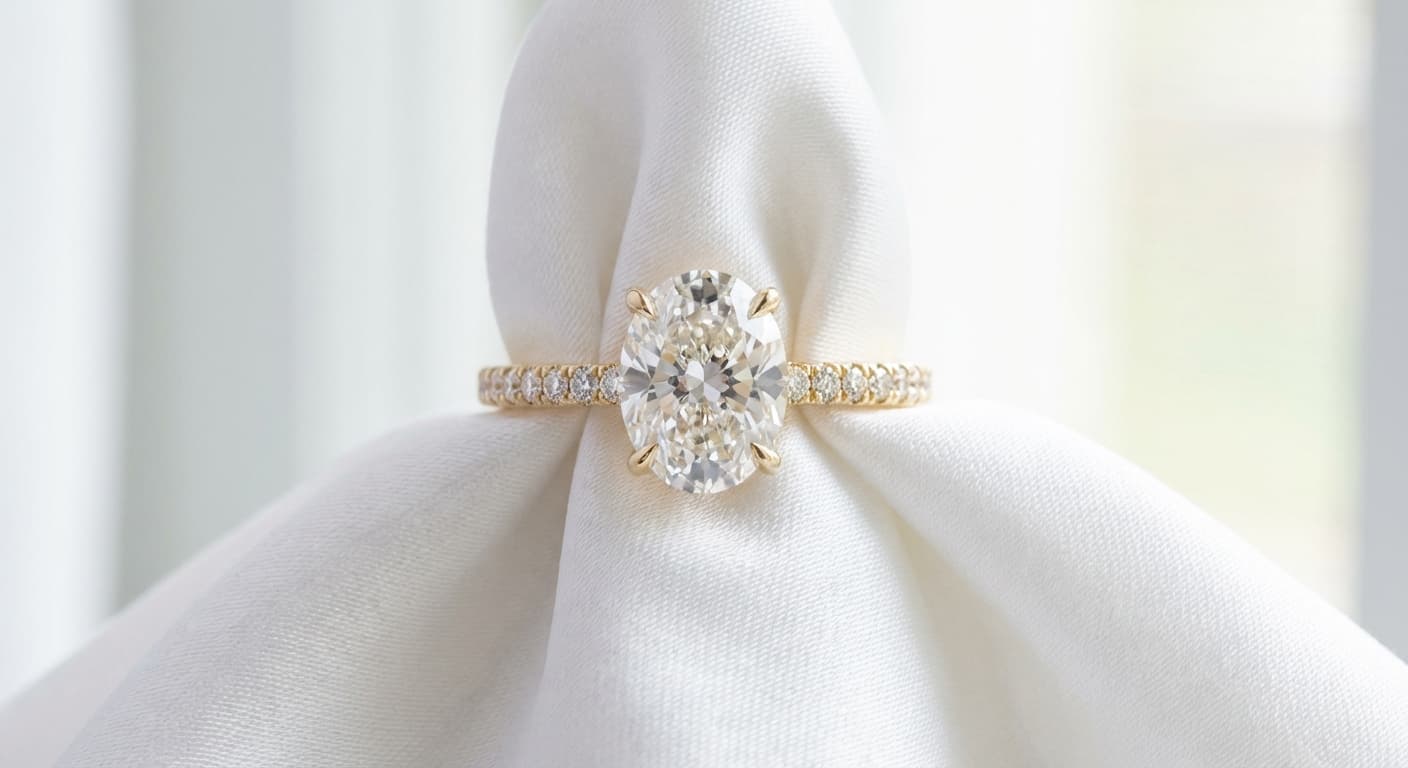
From idea to photorealistic render in seconds
Three steps. No design software. No learning curve.
Describe
Type what you want in plain English — "oval halo engagement ring, 1.5ct lab diamond, rose gold, vintage milgrain detail." No CAD vocabulary, no templates to fight.
Refine
Swap stones, change metals, adjust proportions. Jewelry-specific vocabulary helps each variation stay closer to the piece you described.
Export
Download photorealistic renders, share them with clients, or continue a selected concept into 3D modeling and export for professional production review.
Built for jewelry — not a general image generator with a jewelry label
General AI can make beautiful images. Tashvi adds jewelry-specific controls and a clearer handoff into professional production review.
Stone settings it actually knows
Prong, bezel, pavé, halo, channel, tension, gypsy, cathedral — the AI was trained on jewelry taxonomy, not just pretty pictures.
Metal-aware rendering
Platinum reads platinum. 18k rose reads 18k rose. The shader respects the way each alloy reflects, patinas, and sits against skin.
Carat-accurate proportions
Say "2.5 carat oval" and the stone is sized correctly against the finger, not a random oval that happens to look big.
Ring sizing & band geometry
Comfort-fit, half-round, knife-edge, tapered, split-shank. Every profile renders as a jeweler expects it, down to the shank thickness.
A path into production
Move a selected concept into 3D modeling and export, then have a qualified CAD designer or manufacturer validate the final geometry before casting.
Instant variations
Generate ten settings of the same stone side-by-side. Swap trilogy for solitaire, round for emerald cut, yellow for white — in seconds, not hours.
Why designers use Tashvi for AI jewelry design
Three things general image generators can't give you — and that matter the moment a client sees the render.
It understands jewelry vocabulary
Pavé, bezel, cathedral, milgrain, toi-et-moi — the AI was trained on jewelry taxonomy. Typing "cathedral shank with pavé accent" produces a cathedral shank with pavé accent, not a generic ring.
Built for production handoff, not just decoration
The workflow carries a selected concept into 3D modeling and export so a CAD designer or bench jeweler has a stronger starting point. Final dimensions, settings, and tolerances still receive professional review before casting.
Built by and for real jewelry studios
Tashvi is used by 10,000+ independent jewelers and custom studios, with 50,000+ designs created to date. The roadmap is shaped by the craft, not by generic AI trends.
AI jewellery design — used worldwide
Designers using AI jewellery design span Mumbai, London, Sydney, Toronto, Auckland, and Dubai — the spelling changes, the craft does not. Tashvi works identically in every market, with built-in understanding of regional styles that general AI tools miss.
For British hallmarks (London Assay Office, Edinburgh, Sheffield), Indian bridal traditions (mangalsutra, polki, kundan, meenakari), and Australian opal-forward design, Tashvi's jewellery priors are broad enough that the AI doesn't default to generic Western solitaires when you ask for something rooted in local craft.
Whether you spell it jewelry or jewellery, the tool reads both — and so does the SERP. Read the UK, India & Australia designer's guide →
AI jewelry design — frequently asked
Everything designers and jewelers ask before starting.
AI jewelry design uses artificial intelligence to turn plain-English descriptions into photorealistic jewelry concepts. Instead of starting in CAD, you can describe a ring or necklace the way you would to a bench jeweler, refine the visual, and then move the selected concept into 3D modeling and technical review.
Start free
Your next piece starts here.
Describe it, sketch it, or photograph it. Tashvi turns your idea into a design any jeweler can work from.
Start DesigningMade better. Made faster. Made for one.