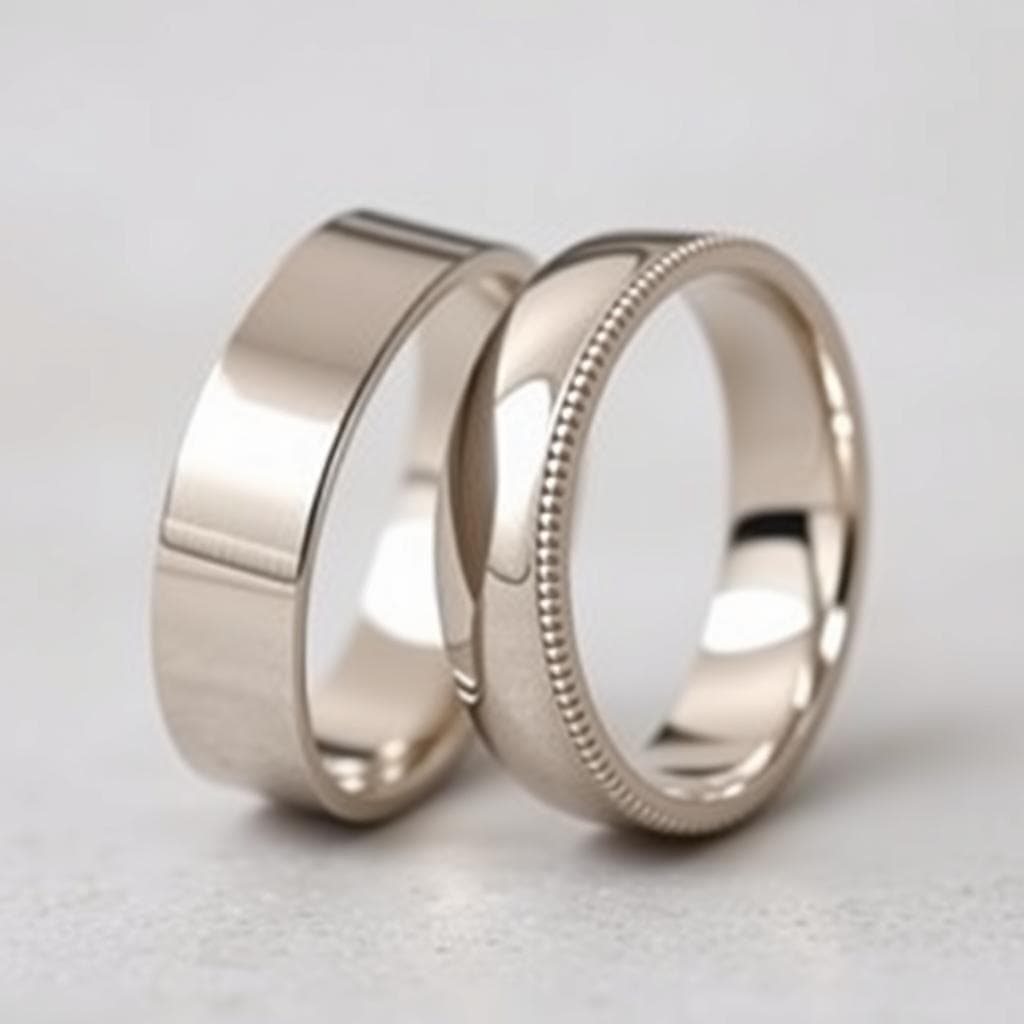
How to Sell Jewelry at Farmers Markets and Craft Fairs
Maximize jewelry sales at farmers markets and craft fairs with booth setup strategies, pricing tips, inventory planning, and customer engagement techniques.
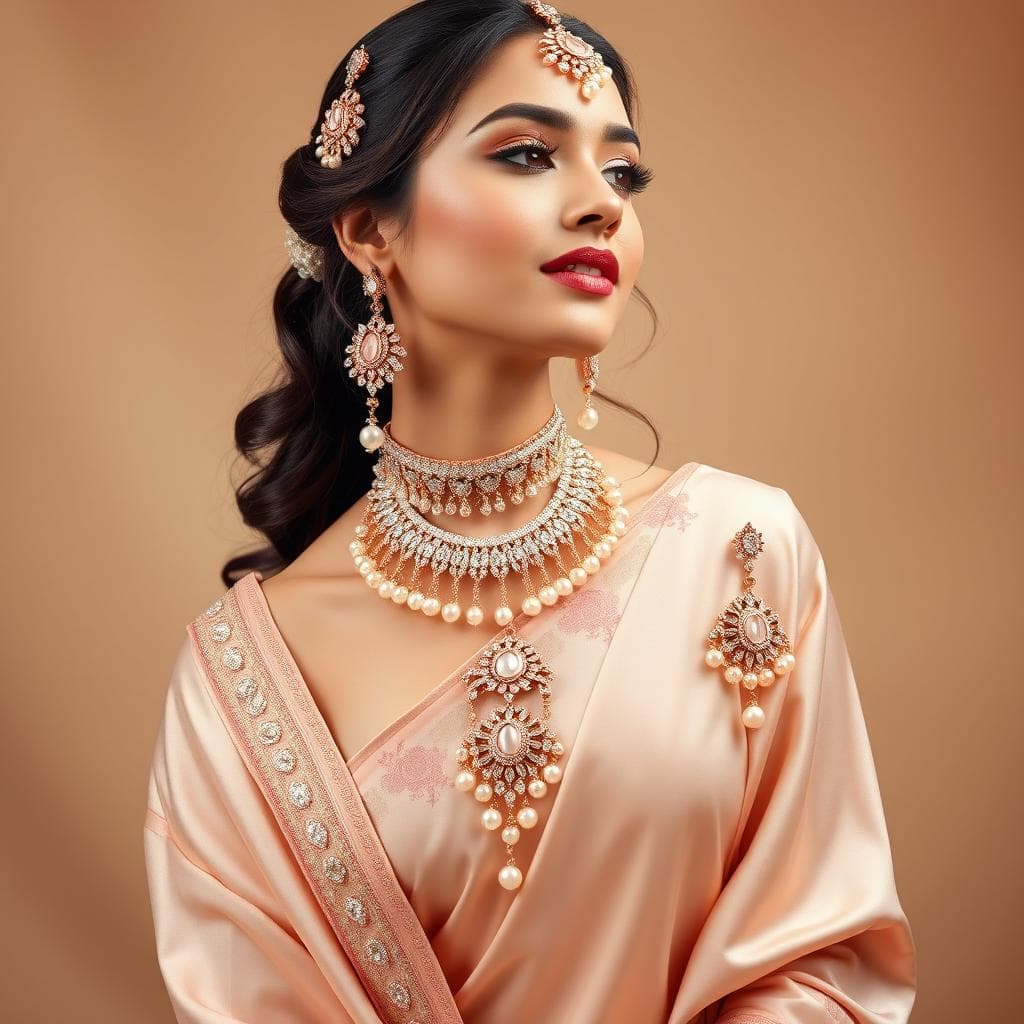
Selling jewelry at farmers markets and craft fairs is one of the fastest ways to generate revenue, build a loyal customer base, and test new designs in real time. These in-person events let you connect directly with buyers, tell the story behind each piece, and walk away with same-day sales.
Whether you are launching your first jewelry venture or expanding an established brand into live events, this guide covers everything from choosing the right markets to building a booth that stops foot traffic and converts browsers into buyers.
Why Farmers Markets and Craft Fairs Work for Jewelry Sellers
In-person selling creates an experience that online stores simply cannot replicate. Shoppers can touch, try on, and fall in love with a piece right in front of you. That tactile connection dramatically shortens the decision-making process and removes the hesitation that plagues online purchases.
Craft fairs and farmers markets also offer built-in foot traffic. Instead of spending hundreds on digital ads to drive visitors to your website, you tap into an audience that has already left home with the intention of browsing and buying. Many markets draw thousands of visitors in a single weekend. According to data from the Farmers Market Coalition, there are over 8,600 registered farmers markets in the United States, and the average market attracts between 800 and 2,500 visitors per week during peak season.
A common benchmark among experienced vendors is the "10x booth fee" rule. If your booth fee is $150, you should aim for at least $1,500 in sales to consider the event truly profitable. Seasoned jewelry vendors who consistently hit that target at weekend craft fairs report annual gross revenues between $30,000 and $75,000 from live events alone.
The feedback loop is equally valuable. You learn which designs attract attention, which price points move fastest, and which pieces need refinement. This real-world data is worth more than months of online analytics because you can watch reactions happen in real time and ask follow-up questions on the spot.
If you are still shaping your overall business strategy, reviewing a jewelry business plan template can help you map out how live events fit into your broader revenue model.
Choosing the Right Events for Your Jewelry Brand
Not every market or fair will be a good fit for your style, price range, or target customer. The most important step before applying to any event is researching who attends and what they typically spend.
Farmers Markets
Farmers markets tend to attract a community-minded, locally focused crowd. Shoppers often carry cash and prefer affordable, unique items they can grab while picking up produce and baked goods. Price points between $15 and $75 perform best at most farmers markets, though upscale urban markets can support higher ranges.
Weekly markets also offer the advantage of consistency. Returning to the same market each Saturday builds name recognition and repeat customers. Regulars start looking for your booth, and word of mouth spreads naturally through the market community.
Juried Craft Fairs
Juried craft fairs are curated events where organizers review your work before granting a booth. This selectivity works in your favor because it limits direct competition and signals quality to attendees. These fairs typically draw shoppers who are specifically looking for handmade, artisan goods and are willing to pay premium prices.
Application fees and booth costs tend to be higher, often ranging from $150 to $500 for a weekend. Major juried events like the Renegade Craft Fair or American Craft Council shows can charge $500 to $1,000 or more for a single weekend. However, the return on investment can be substantial because attendees arrive with the intent to purchase unique, handcrafted items. If you work in a competitive medium like jewelry, ask organizers whether they limit the number of vendors per category. Shows that cap jewelry vendors at 10 to 15 percent of total booths give you far less direct competition.
Holiday and Seasonal Shows
Holiday craft shows are peak selling season for jewelry vendors. Gift buyers actively seek one-of-a-kind pieces, and the urgency of holiday deadlines reduces price sensitivity. Many successful jewelry vendors earn 30 to 50 percent of their annual revenue during the November and December show season.
Plan your holiday show calendar by August at the latest. The most popular shows fill vendor spots months in advance, and you will need time to build inventory for the surge in demand.
Event Comparison at a Glance
| Factor | Farmers Market | Juried Craft Fair | Holiday Show |
|---|---|---|---|
| Typical Booth Fee | $25 to $75 per day | $150 to $500 per weekend | $200 to $600 per weekend |
| Best Price Range | $15 to $75 | $40 to $200 | $30 to $250 |
| Foot Traffic | Moderate, consistent | High, targeted | Very high, gift-focused |
| Competition Level | Varies widely | Curated, limited vendors | Moderate to high |
| Repeat Customer Potential | High with weekly attendance | Lower, usually annual | Moderate, seasonal return |
| Ideal For | Building local following | Establishing brand prestige | Maximizing holiday revenue |
Setting Up a Booth That Attracts and Converts
Your booth is your storefront, your brand ambassador, and your silent salesperson all at once. The goal is to create a display that draws people in from ten feet away and keeps them engaged long enough to make a purchase.
Table Layout and Flow
Start with your table arrangement. A standard booth space is 10 feet by 10 feet, and most vendors use one or two six-foot tables. Position your table at an angle or in an L-shape rather than flat across the front of your booth. Angled setups create a natural entry point and invite shoppers to step inside your space rather than just glancing as they walk past.
Leave enough room for two or three customers to browse comfortably at the same time. Crowded booths feel claustrophobic, and shoppers will skip yours if they cannot see the merchandise without bumping into other people.
Practice your full setup at home the night before your first event and take a photo of the finished layout. This dry run reveals problems you will not catch on paper, like a tablecloth that hangs too low and blocks under-table storage or a display stand that wobbles on uneven ground. On market morning, the photo becomes your reference guide so you can replicate the arrangement quickly under time pressure.
Vertical Display Strategy
Height is your most powerful visual tool. Flat tables filled with jewelry look cluttered and make it difficult for shoppers to distinguish individual pieces. Use tiered display stands, necklace busts, earring trees, and ring holders to create multiple levels that guide the eye upward. Suppliers like Nile Corp, Gems On Display, and JPI Display offer professional-grade busts and stands in velvet, leatherette, and natural wood finishes that pack flat for transport. For a budget-friendly option, clear acrylic risers from shopPOPdisplays are lightweight, stackable, and blend into the background so the jewelry stays the focal point.
Match your display hardware to the jewelry type. Use short necklace busts for chokers and collar pieces, tall busts for opera-length and lariat styles, T-bar stands for dangling and drop earrings, and post displays for studs. Small tabletop mannequins work well for showcasing a complete look with a necklace and earring pairing.
Place your most eye-catching statement pieces at the highest point of your display. These act as visual anchors that draw attention from across the aisle. Position your bestsellers at eye level where they are easiest to reach and examine. Place impulse-buy items near the front edge of the table where shoppers can pick them up without committing to a deep dive into your booth.
Lighting That Makes Jewelry Sparkle
Outdoor booths rely on natural light, but overcast days, shaded locations, and late-afternoon events can leave your jewelry looking flat. Battery-powered LED clip lights or small USB-powered LED light strips aimed at your display surfaces bring out the brilliance in gemstones and the warmth in gold tones. Warm-white LEDs in the 2700K to 3000K range complement most jewelry metals better than cool daylight bulbs. Some vendors also string fairy lights along the top frame of their canopy to create an inviting glow that draws foot traffic from several booths away.
Branding and Signage
Your booth should communicate your brand identity within seconds. Use a banner or sign with your business name that is visible from at least 15 feet away. Keep the design clean and readable, avoiding overly decorative fonts that are hard to read at a distance.
Price tags should be clearly visible on every piece. Shoppers who have to ask "how much is this" often feel awkward and will leave without buying. Use small, elegant tags that include the price, the materials used, and a brief description. This information empowers customers to make decisions independently.
Thoughtful packaging design reinforces your brand and gives customers something beautiful to carry through the market, effectively turning each sale into a walking advertisement for your booth.
Pricing Your Jewelry for Live Events
Pricing for in-person events requires a different approach than pricing for online sales. You need to account for booth fees, travel costs, and the time you spend at the event while still remaining competitive with the expectations of live-event shoppers.
The Cost-Plus Formula
Start with your base cost for each piece, including materials, labor at a fair hourly rate, and overhead. Then multiply by 2.5 to 3 to arrive at your retail price. This multiplier accounts for your direct costs, event expenses, and a sustainable profit margin.
Run a quick break-even calculation before every event. Add your booth fee, travel costs, meals, and any lodging. If your total event expenses are $250 and your average profit margin per piece is $25, you need to sell at least 10 pieces before you earn a single dollar of profit. Knowing that number in advance shapes your sales goal and helps you decide whether a particular event is worth the investment.
For a detailed walkthrough of jewelry pricing math, the complete pricing formula guide breaks down every variable you need to consider.
Price Point Distribution
Structure your inventory across three tiers. Your entry-level tier, priced between $15 and $40, should make up about 40 percent of your displayed inventory. These are your impulse purchases, the pieces shoppers grab without much deliberation.
Your mid-range tier, priced between $45 and $100, should represent about 40 percent of your display. These pieces require a bit more consideration but still fall within the "treat yourself" spending zone for most market shoppers.
Your premium tier, priced above $100, should make up the remaining 20 percent. These pieces anchor the perceived value of your entire collection and attract serious buyers. Even if they sell less frequently, they elevate the overall impression of your booth.
Bundling and Incentives
Offer simple bundle deals to increase your average transaction value. A "pick any two earrings for $50" deal or a "necklace and earring set" discount encourages shoppers to buy more than one piece. Keep the math simple so customers can calculate savings in their heads without confusion.
Loyalty cards are another effective tool for weekly markets. A simple punch card offering a free pair of earrings after five purchases gives customers a reason to seek you out week after week.
Managing Inventory for Market Days
Running out of bestsellers halfway through the day is a missed revenue opportunity. Bringing too much inventory creates logistical headaches and increases your risk of damage or loss. Finding the right balance takes planning and a bit of experience.
How Much to Bring
The general rule is to bring three to four times your sales goal in retail value. If you aim to sell $500 worth of jewelry at a Saturday market, pack $1,500 to $2,000 worth of inventory. This gives shoppers plenty of variety and ensures you will not run out of popular styles before the market closes.
Inventory Mix Strategy
Variety matters more than volume. Bring a range of styles, materials, and price points to appeal to different tastes. Track what sells at each event and adjust your mix over time. After a few markets, clear patterns will emerge, and you can optimize your inventory accordingly.
Keep backup stock organized and accessible behind your display. When a popular item sells, replace it immediately so your display never looks picked over. A full, vibrant display signals success and encourages shoppers to buy before "the good stuff" is gone.
Tracking Sales and Stock
Use a simple spreadsheet or inventory app to log every sale by item, price, and time of day. This data reveals your peak selling hours, your top performers, and seasonal trends. Over time, you will build a reliable forecast that tells you exactly what to make and how much to bring for each type of event.
Accepting Payments and Handling Transactions
Modern market shoppers expect the convenience of card payments. While cash is still common at farmers markets, offering multiple payment options can increase your sales by 20 to 30 percent according to data published by Square's seller community research.
Mobile Payment Solutions
Mobile card readers from providers like Square, PayPal Here, and SumUp connect to your smartphone via Bluetooth and process credit and debit card transactions with no monthly fees. Transaction fees typically range from 2.6 to 2.75 percent per swipe, which is a small price to pay for the additional sales you will capture.
Many shoppers, especially younger buyers, also prefer peer-to-peer payment apps like Venmo, Cash App, or Zelle. Printing a small sign with your Venmo QR code next to your card reader gives customers one more frictionless way to pay. Accepting every common payment method removes the last barrier between browsing and buying.
Set up and test your payment system before your first event. Practice processing a transaction, issuing a refund, and generating a receipt so you are confident and efficient on market day.
Cash Handling
Always start the day with a cash float of at least $50 in small bills and coins. A fanny pack or apron with zippered pockets keeps cash secure and accessible without requiring you to leave your display unattended to visit a cash box under the table.
Count your cash at designated intervals throughout the day, and move large bills to a secure, hidden location in your booth setup. Visible stacks of cash invite theft and make customers uncomfortable.
Receipts and Record Keeping
Offer digital receipts via email or text through your payment processor. This accomplishes two things at once. First, it gives customers a record of their purchase. Second, it captures their contact information for future marketing. Always ask permission before adding anyone to a mailing list, and make the opt-in feel natural rather than pushy.
Engaging Customers and Closing Sales
The in-person selling experience is where jewelry vendors have the greatest advantage over online-only competitors. Your ability to read body language, tell stories, and create personal connections is your most powerful sales tool.
The Greeting
Greet every person who pauses at your booth with a warm, low-pressure welcome. Something as simple as "Hey, welcome! Feel free to try anything on" opens the door without creating pressure. Avoid asking "Can I help you?" because the automatic response is almost always "No, just looking."
Let shoppers browse for 20 to 30 seconds before engaging further. Watch their body language for signals of interest. Picking up a piece, tilting their head, or lingering over a specific section are all cues that they are ready for conversation.
Storytelling That Sells
Every piece of jewelry has a story, and stories sell. Share the inspiration behind a design, the sourcing of your materials, or the technique you used to create a particular texture. These stories create emotional connections that justify the price and differentiate your work from mass-produced alternatives.
Keep your stories brief, genuine, and focused on what matters to the customer. If someone is drawn to a gemstone necklace, talk about where the stone comes from and why you chose it. If they are looking at a delicate gold chain, mention the craftsmanship involved in achieving that level of finesse.
Handling Objections Gracefully
Price objections are normal and should not catch you off guard. When someone says "That's a bit more than I expected," acknowledge their concern and redirect to value. Explain the materials, the hours of work, and the uniqueness of the piece. Then offer alternatives in a lower price range so they can still leave with something they love.
Never apologize for your prices. Apologizing signals that you believe your work is overpriced, which undermines buyer confidence. Instead, stand behind your pricing with quiet confidence and let the quality speak for itself.
The Mirror Technique
Keep a small standing mirror on your table. When a customer shows interest in a necklace or pair of earrings, invite them to try it on and see how it looks. The moment someone sees themselves wearing a beautiful piece of jewelry, the purchase shifts from "maybe" to "I need this." The mirror is one of the simplest and most effective closing tools in a jewelry vendor's arsenal.
Building Repeat Business and Growing Beyond Markets
A single market sale is good. A customer who returns every week and refers friends is transformational. Building repeat business requires intentional effort beyond the point of sale.
Collecting Contact Information
Build an email list from day one. Place a sign-up sheet on your table or use a tablet with a simple form. Offer a small incentive, like 10 percent off their next purchase, to encourage sign-ups. Send a brief, friendly email after each market day thanking new subscribers and previewing upcoming designs.
This email list becomes the foundation for announcing new collections, promoting upcoming market appearances, and eventually driving traffic to an online store if you choose to expand in that direction.
Social Media at the Booth
Post photos and short videos from your booth during the event. Tag the market or fair, use relevant hashtags, and show the energy and excitement of live selling. Encourage customers to take photos wearing their new purchases and tag your business. This user-generated content is authentic marketing that extends your reach far beyond the physical event.
Display your social media handles prominently at your booth so visitors can follow you even if they do not buy today. Many shoppers will browse your Instagram or Facebook page later and make a purchase online or return to your booth the following week.
Scaling with Trunk Shows and Private Events
Once you have built a following through markets and fairs, consider expanding into trunk shows and private selling events. These intimate gatherings let you showcase your full collection to a curated audience and often produce higher per-customer sales than open-air markets.
Trunk shows also position your brand as exclusive and aspirational, which can justify higher price points and attract a more affluent clientele. Many successful jewelry businesses use farmers markets as their entry point and trunk shows as their growth engine.
For those balancing jewelry selling with family responsibilities, exploring micro jewelry business ideas can help you find a sustainable rhythm that fits your lifestyle while keeping your market presence strong.
Essential Gear and Supplies Checklist
Preparation separates profitable market days from frustrating ones. Having the right gear ensures you can handle any situation that arises, from sudden rain to a surge of customers.
Booth Infrastructure
Your core setup should include a pop-up canopy with sidewalls for weather protection, at least one sturdy six-foot table, a comfortable chair for slow periods, and weights or stakes to secure your canopy against wind. Popular canopy brands among craft fair veterans include ABCCANOPY, Eurmax, and MasterCanopy. ABCCANOPY offers strong value with included sidewall panels and UV protection at a mid-range price. Eurmax builds the heaviest-duty frames and excels in wind resistance, though at a higher price point. MasterCanopy strikes a balance between portability and strength for solo vendors who set up without help. A quality 10x10 pop-up canopy typically runs between $150 and $350 depending on the frame material and fabric weight.
Never rely on the canopy's built-in stakes alone because a strong gust can send an unsecured canopy airborne, damaging your inventory and endangering nearby people. Use at least 25 to 50 pounds of weight per leg. Sandbag-style Velcro wraps that attach directly to each leg pole are the most popular solution. Water-filled canopy weights and concrete-filled PVC pipe anchors are also reliable and affordable alternatives.
Display Materials
Invest in quality display pieces that match your brand aesthetic. Velvet or linen display pads, tiered risers, necklace busts, earring cards, and ring trays create a cohesive, professional look. Bring extra display materials so you can reconfigure your layout if certain arrangements are not working.
Business Essentials
Pack business cards, branded bags or boxes, tissue paper for wrapping, a receipt book for cash sales, your mobile card reader with a backup charging cable, a price list for reference, and a notebook for capturing customer requests and feedback. A small toolkit with pliers, jump rings, and earring backs lets you handle minor repairs or adjustments on the spot.
Weather Contingency Gear
Rain and wind can turn a profitable market day into a disaster if you are not prepared. Pack heavy-duty clear plastic drop cloths or fitted table covers to drape over your displays at the first sign of rain. When a storm is approaching, pull back half your inventory under the table in sealed plastic bins rather than scrambling to save everything at once. A useful trick to prevent rainwater from pooling on top of your canopy is to slide a pool noodle along the underside of each corner seam, which raises the fabric just enough to let water run off instead of collecting.
For wind, secure lightweight jewelry displays to your table with mounting putty, Velcro strips, or small museum wax dots. Mini sandbags placed behind necklace busts keep them from toppling in gusts. Earring cards can be clipped to weighted display boards or slotted into grooved wooden stands that resist tipping. Taking these precautions means you can keep selling through moderate weather instead of packing up early and losing half a day of revenue.
Comfort and Safety
Bring sunscreen, water, snacks, and layers of clothing for changing weather. A small fan or portable heater can make the difference between an enjoyable day and a miserable one. Never leave your booth unattended, and arrange with a neighboring vendor to watch your space during bathroom breaks.
Permits, Sales Tax, and Insurance
Selling jewelry at live events comes with legal responsibilities that vary by state and municipality. Understanding these requirements before your first market day prevents fines and protects your business.
Sales Tax Permits
In most U.S. states, handmade jewelry is classified as tangible personal property and is subject to sales tax. You will need a state sales tax permit, which is typically free to obtain through your state's department of revenue website. Some states also require county or municipal sales tax collection on top of the state rate. If you sell at events in multiple states, you may need a temporary sales tax permit for each state, which is usually available for vendors who sell fewer than 90 days per year in that state. Keep detailed records of every transaction and remit collected taxes on the schedule your state requires, whether monthly, quarterly, or annually.
Business Licenses and Liability Insurance
Many craft fair organizers require vendors to carry a general liability insurance policy, often with a minimum of $1 million in coverage. Policies designed for craft vendors and artisans typically cost between $200 and $500 per year through providers like ACT Insurance or the American Craft Council's member insurance program. Even when organizers do not require it, carrying liability insurance protects you in the unlikely event a customer has an allergic reaction to a metal or a clasp causes injury. Contact your local city or county clerk's office to determine whether you need a general business license or a home occupation permit to sell handmade goods in your area.
Common Mistakes to Avoid
Even experienced vendors make mistakes that cost them sales. Learning from these common pitfalls will help you maximize every market day from the start.
Underpricing your work is the most damaging mistake new vendors make. Low prices do not attract more buyers. They signal low quality and erode your profit margins until selling becomes unsustainable. Price your jewelry to reflect its true value, and let the craftsmanship justify the investment.
Overcrowding your display is another frequent error. When every square inch of your table is covered with jewelry, nothing stands out. Give each piece breathing room so shoppers can appreciate individual designs without feeling overwhelmed by choices.
Ignoring the weather forecast can ruin an otherwise profitable day. Check the forecast the night before and pack accordingly. Rain covers for your display, weights for your canopy, and a plan for wind are non-negotiable preparations for outdoor events.
Sitting behind your table scrolling through your phone sends the message that you do not care about your customers. Stand up, smile, and be present. Your energy and enthusiasm are contagious, and shoppers are drawn to vendors who genuinely enjoy what they do.
Finally, failing to follow up after the event wastes the connections you worked hard to build. Send that email, post those photos, and reach out to customers who expressed interest in custom work. The sale at the booth is just the beginning of a relationship that can generate revenue for years to come.
Moving Forward with Confidence
Selling jewelry at farmers markets and craft fairs is equal parts art, business, and human connection. Start with one or two local markets to learn the rhythm of live selling without overcommitting your time or inventory. Track your results meticulously, refine your approach after every event, and reinvest your earnings into better displays, higher-quality materials, and larger inventory.
The vendors who thrive at live events are the ones who treat each market day as a learning opportunity and each customer interaction as a chance to build something lasting. With the right preparation, pricing, and personality, your booth can become a destination that shoppers look forward to visiting every single week.
Design Your Market Collection with Tashvi AI
Need fresh designs for your next craft fair? Tashvi AI helps you brainstorm and visualize new jewelry pieces with AI photorealistic rendering. Generate dozens of ring, necklace, and earring concepts in minutes to expand your booth inventory.
Frequently Asked Questions
Quick answers to the questions readers ask most about this guide.
How much inventory should I bring to a craft fair
Bring 3 to 4 times your sales goal in retail value. For a $500 target, bring $1,500 to $2,000 worth of inventory. Include a mix of price points with plenty of pieces under $50 for impulse buyers and a selection of premium items over $100 for serious shoppers.
What is the best price range for jewelry at farmers markets
The sweet spot for farmers markets is $15 to $75. Most market shoppers carry cash and make spontaneous purchases. Have plenty of accessible pieces in the $20 to $40 range. Include a few statement pieces over $100 to anchor value perception and attract collectors.
How should I display jewelry at a craft fair booth
Use tiered displays to create height and visual interest. Place bestsellers at eye level and impulse items near the front edge. Include a mirror for customers to try pieces on. Use consistent display materials in neutral colors that complement your jewelry rather than competing with it.
Do I need a permit to sell jewelry at a farmers market
Yes. Most farmers markets require a vendor application, booth fee ranging from $25 to $150 per day, and a valid business license or sales tax permit. Some markets have waiting lists for jewelry vendors. Apply several months in advance and ask about jewelry-specific requirements.
How do I accept card payments at outdoor markets
Use a mobile card reader such as Square, PayPal Here, or SumUp connected to your smartphone. These readers cost nothing upfront and charge 2.6 to 2.75 percent per transaction. Always have a fully charged phone battery and a backup charging solution for long market days.