The Psychology of Jewelry: Why People Choose Specific Styles
Understand the psychological drivers behind jewelry preferences, from self-expression and identity signaling to emotional attachment and social belonging that influence why consumers choose specific styles and pieces.
Jewelry preferences are driven by deep psychological needs including self-expression, identity signaling, emotional connection, social belonging, and milestone marking, which together explain why consumers form strong preferences for specific styles, metals, and stones that reflect their personality, values, and life story.
The Need for Self-Expression
At its most fundamental level, jewelry serves as a non-verbal communication tool. Every piece worn makes a statement about the wearer's taste, values, and identity. This self-expression motivation operates on both conscious and unconscious levels.
A person who consistently chooses bold statement pieces communicates confidence and creative independence. Someone drawn to classic diamond studs signals refined taste and traditional values. A wearer of handcrafted artisan pieces expresses appreciation for individuality and craftsmanship.
These signals are read by others in social settings, professional environments, and dating contexts. Research shows that people form impressions about strangers' personality, income, and social status within seconds based partly on visible jewelry choices.
Identity and Jewelry Style Alignment
The Style Personality Matrix
Psychologists studying consumer behavior have identified several personality-style alignments in jewelry preference.
| Personality Trait | Jewelry Preference | Example Pieces |
|---|---|---|
| Classic/Traditional | Timeless designs, quality materials | Pearl studs, solitaire rings |
| Creative/Artistic | Unique, handcrafted, unconventional | Art jewelry, mixed media pieces |
| Minimalist/Modern | Clean lines, geometric forms | Simple bands, bar necklaces |
| Romantic/Sentimental | Meaningful symbols, soft aesthetics | Heart pendants, birthstone rings |
| Bold/Dramatic | Large, statement-making pieces | Cocktail rings, chandelier earrings |
| Eclectic/Adventurous | Mixed styles, vintage finds | Layered pieces, travel-inspired |
These alignments are not rigid. Many people express different facets of their personality through different jewelry for different contexts. The same person may wear minimalist pieces to work and dramatic pieces for evening events.
Emotional Attachment and Jewelry
Jewelry creates emotional bonds stronger than almost any other consumer product category. Several factors drive this attachment.
Milestone Association
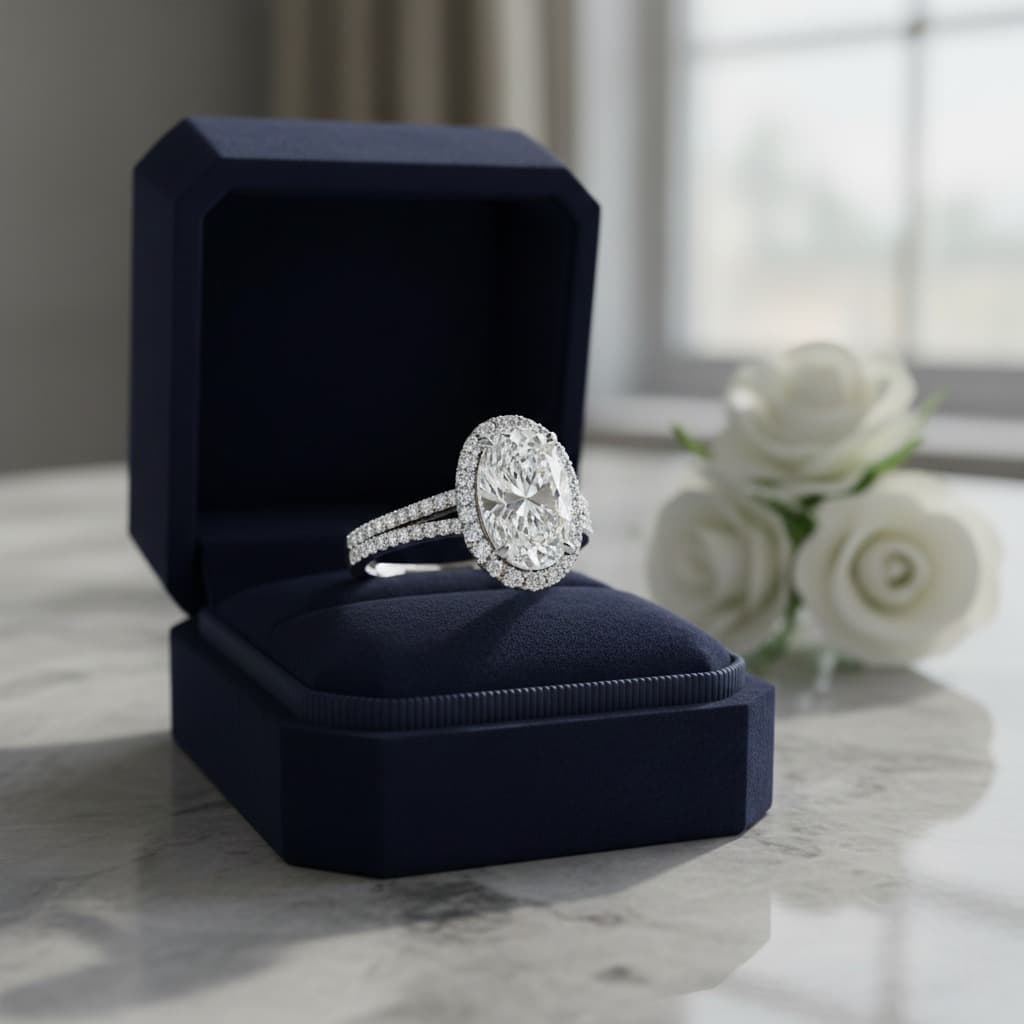
Jewelry marks life's significant moments. Engagement rings represent commitment. Anniversary bands celebrate endurance. Graduation gifts honor achievement. These associations transform physical objects into emotional artifacts.
Relationship Connection
Jewelry given by loved ones carries the emotional weight of that relationship. A mother's ring, a partner's gift, or a best friend's matching bracelet maintains emotional presence even when the giver is physically absent.
Memory Anchoring
Specific pieces become anchored to specific memories. Wearing a necklace purchased on a memorable vacation transports the wearer back to that experience. The sensory experience of putting on the piece triggers memory recall that photographs alone cannot match.
Self-Reward and Achievement
Jewelry purchased for oneself marks personal milestones and achievements. The "treat yourself" phenomenon represents a growing segment where the purchase itself carries emotional significance independent of the giver-receiver dynamic.
Social Psychology of Jewelry
Belonging and Group Identity
Matching or coordinating jewelry signals group membership. Couples jewelry, sorority pins, religious symbols, and cultural pieces all communicate belonging to specific groups. This social function of jewelry dates back thousands of years across every culture.
Status Signaling
Throughout history, jewelry has communicated social status. While the specifics have evolved (quiet luxury versus conspicuous consumption), the status-signaling function persists. The choice between a designer brand and an independent artisan itself communicates values and social positioning.
Cultural Expression
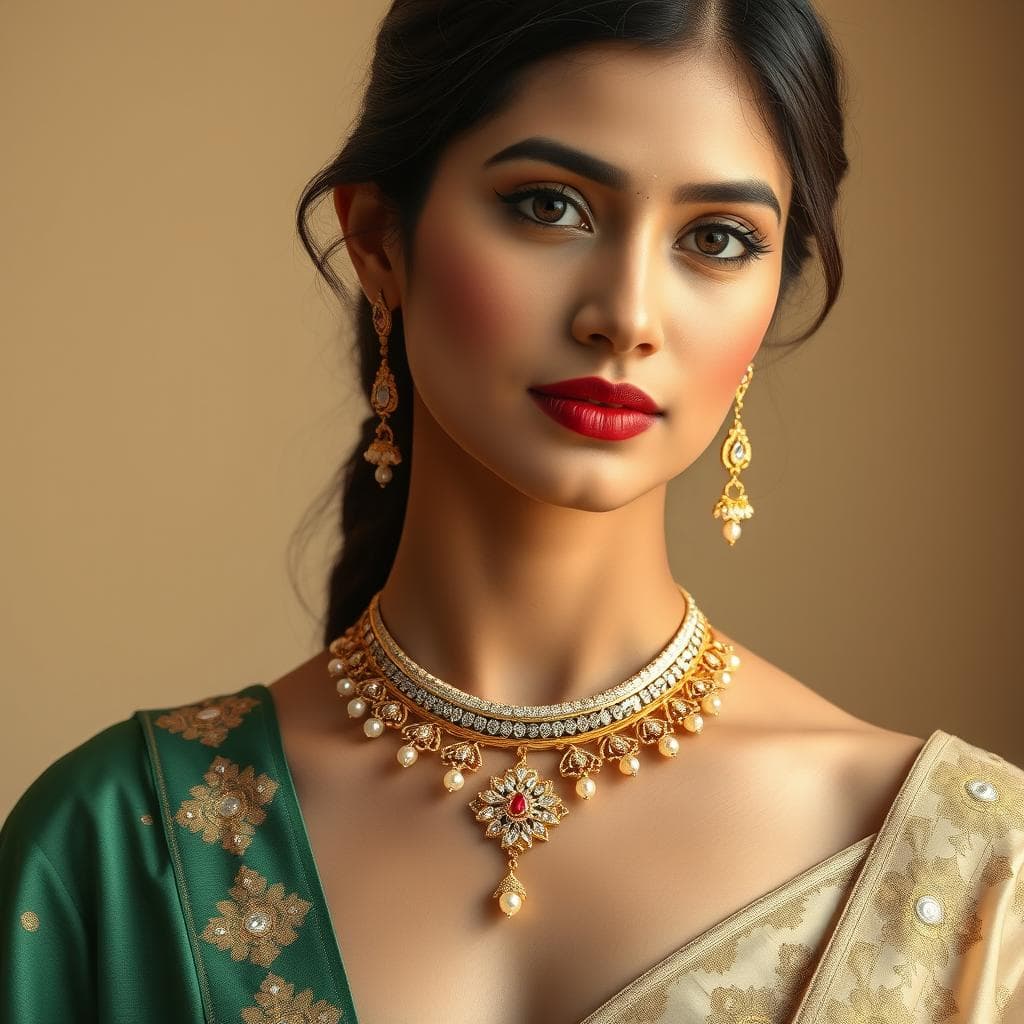
Jewelry choices reflect cultural identity and heritage. Traditional Indian jewelry, Celtic designs, or African-inspired pieces connect wearers to their cultural roots and communicate heritage pride.
Color Psychology in Jewelry Choices
Stone and metal colors trigger psychological associations that influence preference.
Gold evokes warmth, success, and tradition. Yellow gold feels classic and confident. Rose gold suggests romance and modernity.
Silver and white metals communicate modernity, coolness, and versatility. Platinum and white gold appeal to those drawn to contemporary aesthetics.
Blue stones suggest trust, wisdom, and calm. Sapphires and aquamarines attract buyers seeking stability and depth.
Red stones evoke passion, energy, and courage. Rubies and garnets appeal to bold, passionate personalities.
Green stones communicate growth, nature, and balance. Emeralds attract buyers who value harmony and renewal.
Implications for Designers and Brands
Understanding jewelry psychology transforms how you design, market, and sell.
Design With Intention
When creating pieces, consider the emotional and psychological needs they serve. A ring designed for self-purchase should emphasize personal empowerment. A gift piece should facilitate emotional connection between giver and receiver. A milestone piece should feel worthy of the moment it commemorates.
Marketing to Motivation
Frame marketing messages around psychological needs rather than physical features. Instead of "18K gold pendant with 0.5ct diamond," communicate "a daily reminder of the strength you carry within." Connect product attributes to emotional outcomes.
Personalization as Psychology
The growing demand for personalized and monogrammed jewelry reflects the deepening desire for pieces that are uniquely meaningful rather than generically beautiful.
How Tashvi AI Supports Psychologically Resonant Design
Tashvi AI helps designers explore the visual language of different psychological profiles by generating concepts across aesthetic ranges. Test how a design concept translates from bold to subtle, from classic to contemporary, or from minimalist to ornate, understanding how each variation appeals to different psychological needs.
The platform enables rapid exploration of design directions that serve specific emotional and psychological functions, helping designers create collections that resonate on deeper levels than aesthetics alone.
Try designing on Tashvi AI free
The Deeper Connection
Understanding why people choose jewelry reveals that the industry sells meaning as much as material. The most successful pieces are those that align with buyers' psychological needs, creating objects that feel personally significant rather than merely decorative. This understanding transforms jewelry design from aesthetic exercise into emotional design, creating pieces that matter to the people who wear them.
Frequently Asked Questions
Quick answers to the questions readers ask most about this guide.
Why do people feel emotionally attached to jewelry?
Jewelry carries emotional weight through association with meaningful moments, relationships, and personal milestones. An engagement ring represents commitment, a grandmother's necklace preserves family connection, and a self-purchased piece marks personal achievement. These associations create bonds stronger than the object's material value.
Do jewelry preferences reveal personality traits?
Research suggests correlations between personality and jewelry preference. Extroverts tend toward bolder, statement pieces while introverts often prefer understated, meaningful jewelry. Creative personalities gravitate toward unique or artisan pieces, while conventional personalities favor classic, traditional styles.
Why do people choose specific metals and stones?
Metal and stone choices reflect both aesthetic preference and symbolic meaning. Gold suggests warmth and tradition, silver signals modernity and versatility, and alternative metals indicate individuality. Stone choices often connect to birth month, color psychology, or cultural symbolism.
How does social media influence jewelry preferences?
Social media shapes jewelry preferences through aspiration, validation, and trend exposure. Instagram and TikTok create visual templates for jewelry styling that followers adopt. Influencer endorsements create social proof, and viral pieces generate desire through collective attention.
Why do people spend more on jewelry than its material value?
The premium over material value represents craftsmanship, design, brand meaning, and the emotional significance buyers assign to the piece. A $3,000 engagement ring may contain $500 in materials, but the remaining value comes from design, meaning, and the experience of ownership.