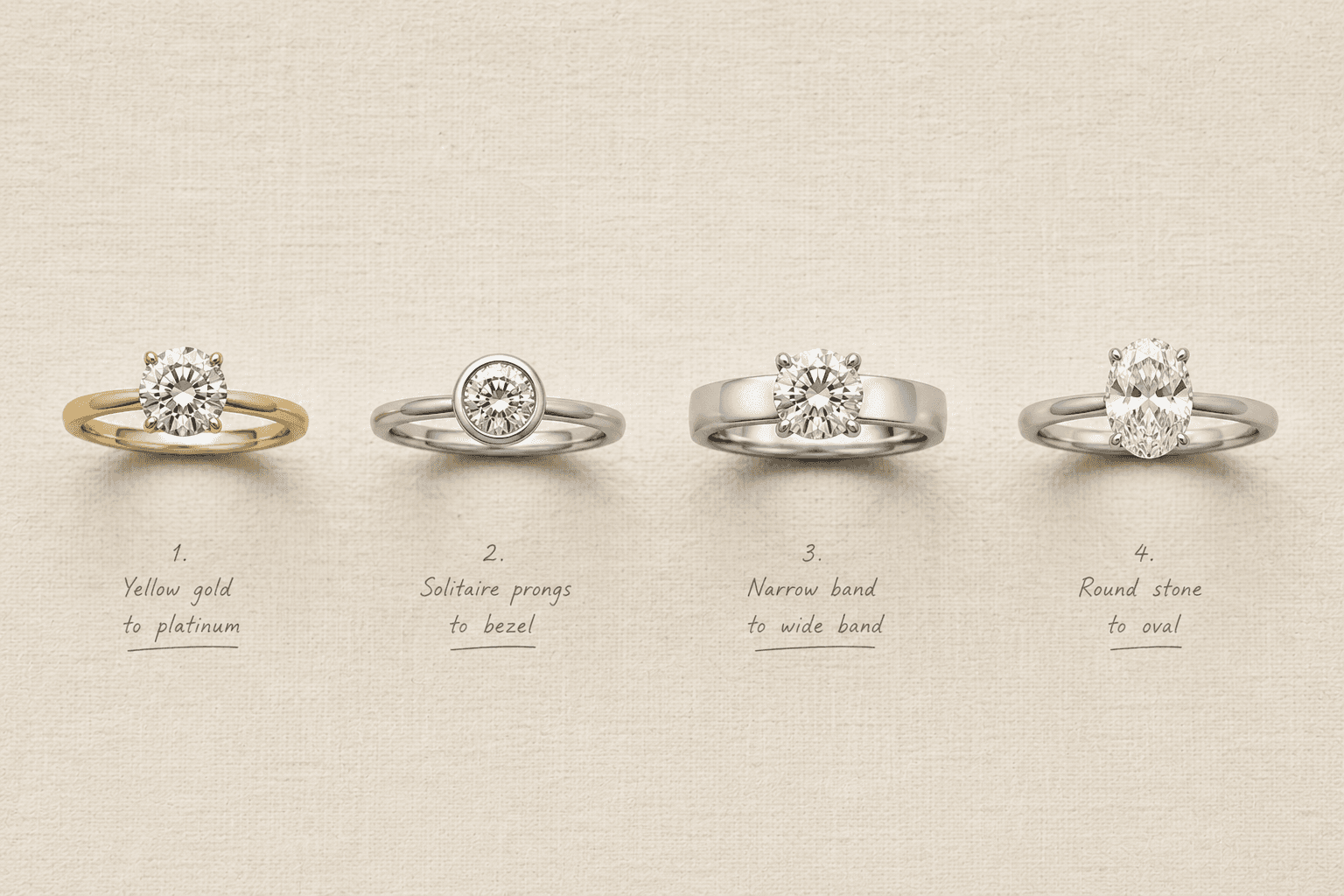
Platinum vs Gold vs Silver: The Complete Metal Selection Guide for Jewelry Designers
Compare platinum, gold, and silver across durability, cost, appearance, and wearability. Learn which metal works best for rings, necklaces, and bracelets with this comprehensive jewelry metal guide.

Platinum, gold, and silver each bring distinct advantages to jewelry design, and the right choice depends on your priorities around durability, appearance, budget, and skin sensitivity. Platinum offers unmatched strength and purity, gold provides timeless versatility across multiple colors, and silver delivers beautiful shine at accessible prices.
Choosing the right metal for your jewelry project is one of the most important decisions you will make, whether you are designing an engagement ring, a statement necklace, or everyday earrings. This guide breaks down every major jewelry metal across the factors that matter most, helping you make an informed selection for any piece.
Understanding Precious Metals in Jewelry
Precious metals used in jewelry fall into three primary families. Each family contains variations in purity, alloy composition, and finish that dramatically affect the final piece. Understanding these fundamentals gives you the foundation to make confident design decisions.
Pure metals are generally too soft for everyday jewelry wear, which is why jewelers mix them with other metals to create alloys. These alloys improve hardness, durability, and sometimes color. The ratio of pure metal to alloy determines the karat or fineness rating you see on jewelry.
Platinum The Premium Choice
Properties and Characteristics
Platinum stands as the densest and most durable precious metal used in jewelry, with a natural bright white color that never yellows or fades. A platinum ring weighs roughly 60% more than an identical gold ring, giving it a substantial, luxurious feel on the hand. How much more depends on which gold you are comparing it to — what actually changes when you switch metal runs the conversion on a single design. The metal is also naturally hypoallergenic, making it ideal for sensitive skin.
Unlike white gold, platinum maintains its color without requiring rhodium plating. When platinum scratches, the metal displaces rather than wearing away, meaning you lose virtually no material over decades of wear. This displacement creates a natural patina that many jewelry enthusiasts find beautiful, though jewelers can polish it back to a mirror finish.
Platinum Purity Levels
| Marking | Purity | Common Use |
|---|---|---|
| Pt950 | 95% pure platinum | Fine jewelry standard |
| Pt900 | 90% pure platinum | Some European jewelry |
| Pt850 | 85% pure platinum | Minimum for "platinum" label |
Most fine jewelry uses Pt950, alloyed with ruthenium, cobalt, or iridium for workability. The high purity means platinum jewelry contains significantly more precious metal by weight than even 18K gold.
Best Uses for Platinum
Platinum excels in settings that need to secure valuable stones. Its strength makes it the preferred metal for prong settings on diamond engagement rings, where thin prongs must hold stones securely for decades. The metal also works beautifully for wedding bands and eternity rings that will see daily wear.
The premium price of platinum limits its use in larger pieces like statement necklaces or wide bangles, where the additional weight would significantly increase cost. For these applications, white gold often provides a similar visual result at a fraction of the price.
Gold The Versatile Classic
Understanding Gold Purity
Gold's purity is measured in karats, with 24K representing pure gold. Because pure gold is too soft for most jewelry, it gets alloyed with other metals to improve durability and sometimes alter color. You can learn more about each level in our types of gold jewelry guide.
| Karat | Gold Content | Durability | Best For |
|---|---|---|---|
| 24K | 99.9% | Soft, scratches easily | Investment pieces, special occasion jewelry |
| 22K | 91.7% | Moderate | Traditional Indian jewelry, plain bands |
| 18K | 75.0% | Good balance | Fine jewelry, engagement rings |
| 14K | 58.3% | Very durable | Everyday wear, active lifestyles |
| 10K | 41.7% | Most durable | Budget-friendly, children's jewelry |
The choice between karats involves balancing richness of color against practical durability. Higher karat gold displays a warmer, more saturated yellow but scratches more easily. Lower karat gold offers superior hardness with a slightly paler tone. For lightweight gold designs, AI tools can help optimize the balance between material usage and structural integrity.
Gold Color Varieties
Yellow gold remains the classic choice, with its warm tone complementing every skin color. The intensity of yellow depends on the karat weight and alloy composition. Yellow gold requires no special coatings and develops a gentle patina over time that many wearers appreciate.
White gold achieves its color by alloying yellow gold with palladium, nickel, or zinc, then coating with rhodium for a bright finish. It offers a platinum-like appearance at a lower price point. The rhodium plating does wear over time and requires reapplication every one to two years, depending on wear habits.
Rose gold gets its distinctive pink warmth from a higher copper content in the alloy. The copper also adds durability, making rose gold slightly harder than yellow or white gold of the same karat. Rose gold has seen tremendous popularity growth in recent years, particularly in engagement rings and layered necklace designs.
Best Uses for Gold
Gold's versatility makes it suitable for virtually every jewelry application. Engagement rings, wedding bands, necklaces, bracelets, earrings, and brooches all work beautifully in various gold karats and colors. The ability to choose between colors and purities means gold adapts to nearly any design vision and budget range.
For pieces that need to withstand daily wear, 14K gold provides the best balance of beauty and durability. Special occasion pieces and heirloom jewelry benefit from the richer color of 18K. Budget-conscious designs work well in 10K, which still carries the warmth of gold at an accessible price.
Silver The Accessible Beauty
Sterling Silver Essentials
Sterling silver, marked as 925, contains 92.5% pure silver alloyed with 7.5% copper or other metals for strength. This alloy standard has been used for centuries and remains the most common silver grade in jewelry making. Pure silver (999) is too soft for most jewelry applications, though some artisan pieces use fine silver for specific techniques.
The bright, cool-toned shine of sterling silver complements a wide range of skin tones and pairs effortlessly with both casual and dressed-up outfits. Its affordability allows for bold designs and larger pieces without significant financial commitment.
Silver Tarnishing and Care
Silver's primary maintenance consideration is tarnishing, a natural chemical reaction with sulfur compounds in the air. While tarnish does not damage the metal, it creates a dark layer that dulls the shine. Regular wear actually helps prevent tarnish, as natural oils from skin and friction from clothing continuously polish the surface.
Proper storage in anti-tarnish bags or cloths dramatically slows the tarnishing process. When tarnish does appear, a simple polish with a silver cleaning cloth restores the original luster within minutes. Many contemporary silver pieces receive rhodium plating or anti-tarnish treatments that extend the time between cleanings.
Best Uses for Silver
Silver shines in fashion jewelry, statement pieces, and designs where you want creative freedom without premium metal costs. Artisan jewelry, bohemian styles, and chunky contemporary designs benefit from silver's workability and affordability. The metal also serves as an excellent choice for initial necklaces, name necklaces, and other personalized pieces where customization matters more than material prestige.
For everyday rings and bracelets that receive significant wear, silver may show scratches and tarnish more quickly than gold or platinum. Consider the wearer's lifestyle when recommending silver for high-contact pieces.
Alternative Metals Worth Considering
Palladium
Palladium belongs to the platinum group of metals and shares many of platinum's best qualities at a lower price point. It is naturally white, hypoallergenic, and does not require rhodium plating. Palladium weighs less than platinum, making it comfortable for larger pieces. Its availability fluctuates more than other precious metals, which can affect pricing.
Titanium and Tungsten
These industrial metals have found a home in men's jewelry and contemporary designs. Titanium offers incredible strength at featherlight weight, while tungsten provides scratch resistance that surpasses all precious metals. Neither can be easily resized, which limits their appeal for rings that may need adjustments over time.
Metal Comparison at a Glance
| Factor | Platinum | 18K Gold | 14K Gold | Sterling Silver |
|---|---|---|---|---|
| Price per gram | $$$$ | $$$ | $$ | $ |
| Durability | Excellent | Good | Very Good | Fair |
| Hypoallergenic | Yes | Depends on alloy | Depends on alloy | Generally yes |
| Maintenance | Low | Low to moderate | Low | Moderate (tarnish) |
| Color options | White only | Yellow, white, rose | Yellow, white, rose | White only |
| Weight | Heaviest | Heavy | Medium | Light |
| Resale value | High | High | Moderate | Low |
| Tarnish resistant | Yes | Yes | Yes | No |
Choosing the Right Metal for Your Design
For Engagement Rings
Engagement rings demand metals that combine beauty with lasting durability. Platinum and 18K white gold dominate this category, with platinum offering superior long-term performance and white gold providing a more accessible entry point. For colored gold preferences, 18K rose gold and yellow gold create distinctive engagement rings that stand apart from traditional white settings.
For Everyday Necklaces and Bracelets
Daily wear pieces benefit from metals that handle contact and movement gracefully. 14K gold in any color works excellently for chains, pendants, and bangle bracelets. Sterling silver serves beautifully for charm necklaces and layered looks where you want to experiment with multiple pieces without major investment.
For Investment Pieces
Heirloom jewelry that you plan to pass down benefits from higher-grade metals. Platinum and 18K gold retain their value and beauty across generations. These metals justify the higher initial cost through decades of wear without significant degradation.
For Sensitive Skin
Platinum, palladium, and high-karat gold (18K and above) offer the safest options for metal-sensitive wearers. Sterling silver is generally safe, though some people react to the copper content. Avoid nickel-containing white gold alloys if you have known metal sensitivities.
Designing with Tashvi AI
Visualizing your jewelry design in different metals before committing to production saves both time and money. Tashvi AI lets you generate photorealistic renders of your jewelry concept in platinum, various gold colors, and silver, allowing you to compare how different metals affect the overall look of your piece. This is particularly valuable when deciding between white gold and platinum, or when exploring how a design translates across yellow, rose, and white gold.
Whether you are a professional jeweler helping clients choose metals or someone designing a personal piece, Tashvi AI's design studio generates instant visualizations that eliminate guesswork. Upload a reference design or describe your vision, and see it rendered in every metal option within seconds. Try designing on Tashvi AI free
Making Your Final Decision
The perfect metal choice balances your design vision, budget, lifestyle needs, and personal preferences. There is no single "best" metal for all situations. Platinum excels where maximum durability and purity matter most. Gold provides unmatched versatility across colors, karats, and price points. Silver opens creative possibilities without financial barriers.
Consider how the piece will be worn, how often it will be worn, and what matters most to the person who will wear it. A metal that looks stunning but does not suit the wearer's lifestyle will not bring lasting satisfaction. When in doubt, 14K gold offers the broadest appeal across all jewelry categories, while platinum remains the gold standard (despite the name) for engagement rings and wedding bands that need to last a lifetime.
Frequently Asked Questions
Quick answers to the questions readers ask most about this guide.
Which metal is best for an engagement ring?
Platinum is considered the best metal for engagement rings due to its exceptional durability, hypoallergenic properties, and naturally white color that never fades. However, 14K or 18K white gold offers a similar look at a significantly lower price point, making it an excellent alternative for budget-conscious buyers.
What is the difference between white gold and platinum?
White gold is a gold alloy mixed with white metals like palladium or nickel and coated with rhodium plating. Platinum is a naturally white, denser metal that requires no plating. Platinum is more durable and hypoallergenic but costs 40-60% more than white gold.
Does sterling silver tarnish?
Yes, sterling silver naturally tarnishes when exposed to air, moisture, and sulfur compounds. Regular wear and proper storage in anti-tarnish bags can slow this process. Cleaning with a silver polishing cloth restores shine easily.
Is rose gold a separate metal?
Rose gold is not a separate metal but rather a gold alloy. It combines pure gold with copper and sometimes small amounts of silver to create its distinctive pinkish hue. The copper content makes rose gold slightly more durable than yellow gold of the same karat.
Which jewelry metal holds its value best over time?
Platinum and gold both hold value well as precious metals with intrinsic worth tied to commodity markets. Gold has historically been the strongest investment metal for jewelry due to its universal recognition and active trading market. Silver holds less per-gram value but remains a solid precious metal investment.