Types of Gold Jewelry: 10K vs 14K vs 18K vs 24K Explained
Complete guide to gold karats: understand the differences between 10K, 14K, 18K, and 24K gold jewelry. Learn about purity, durability, color differences, pricing, and which karat is best for engagement rings, everyday wear, and investment pieces.
Gold has been humanity's most treasured metal for over 6,000 years. But not all gold jewelry is created equal. The number stamped inside your ring or necklace, whether 10K, 14K, 18K, or 24K, tells you exactly how much pure gold you're actually wearing.
Understanding these differences isn't just about status or price. It affects durability, color, skin sensitivity, and whether your jewelry will last a lifetime or show wear within months. This guide breaks down everything you need to know to make the right choice.
What Does Karat Mean in Gold?
Karat (K or kt) measures gold purity on a scale of 24 parts. Pure gold is 24 karats, meaning all 24 parts are gold. Lower karats indicate gold mixed with other metals (alloys).
The Formula:
Gold Percentage = (Karat / 24) × 100

Example: 14K = (14/24) × 100 = 58.3% pure gold
Important: Don't confuse "karat" (gold purity) with "carat" (gemstone weight). They sound similar but measure completely different things.
Gold Purity Comparison Chart
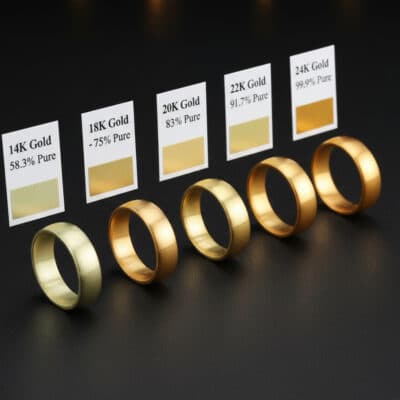
24K Gold (Pure Gold)
- Gold Content: 99.9%
- Alloy Content: 0.1%
- Purity Mark: 999
- Also called: Pure gold, fine gold
22K Gold (Traditional)
- Gold Content: 91.7%
- Alloy Content: 8.3%
- Purity Mark: 916
- Also called: Traditional gold
18K Gold (Fine Jewelry)
- Gold Content: 75%
- Alloy Content: 25%
- Purity Mark: 750
- Also called: Fine jewelry gold
14K Gold (Standard)
- Gold Content: 58.3%
- Alloy Content: 41.7%
- Purity Mark: 585
- Also called: Standard jewelry gold
10K Gold (Minimum US Standard)
- Gold Content: 41.7%
- Alloy Content: 58.3%
- Purity Mark: 417
- Also called: Minimum legal "gold" in US
24K Gold: Pure but Impractical
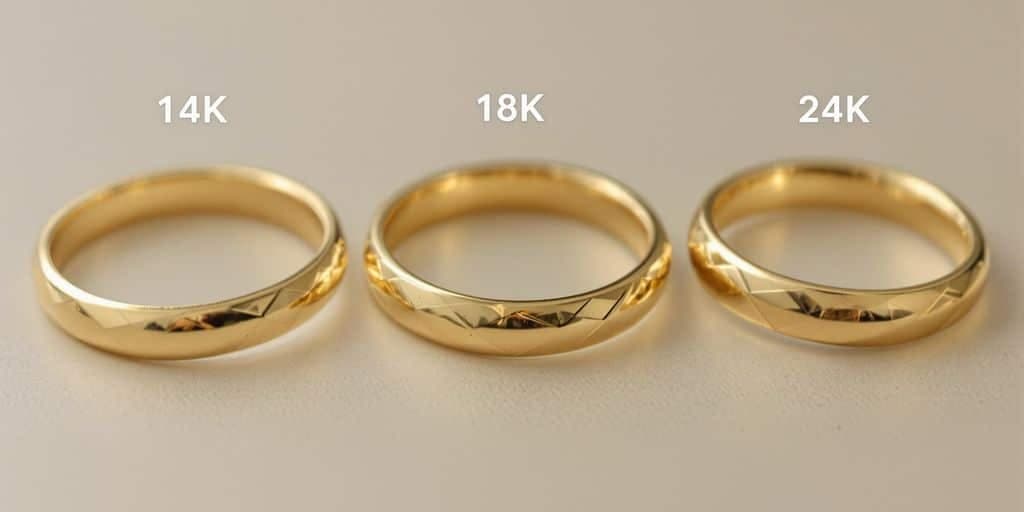
24K gold is 99.9% pure gold, the highest possible purity. It has the richest, most saturated yellow color, almost orange-gold in appearance.
Characteristics
24K Gold Characteristics:
- Purity: 99.9% gold
- Color: Intense, rich yellow-orange
- Durability: Very soft, bends and scratches easily
- Price (2025): ~$60.71 per gram
- Tarnish Resistance: Never tarnishes
- Hypoallergenic: Yes, completely
Best Uses for 24K Gold
- Investment bars and coins (bullion)
- Cultural jewelry (Indian, Middle Eastern, Asian traditions)
- Ceremonial pieces worn occasionally
- Collectibles and heirlooms
- Gold leaf for decorative purposes
Why 24K Isn't Ideal for Jewelry
Pure gold is remarkably soft. It can be dented with a fingernail, bends out of shape during normal wear, and cannot securely hold gemstones in prong settings. Most jewelers advise against 24K for rings, bracelets, or any piece subject to daily wear.
Cultural Exception: In many Asian, Indian, and Middle Eastern cultures, 22K-24K gold is traditional for wedding jewelry and gifts. These pieces are often worn on special occasions rather than daily.
18K Gold: Luxury Standard
18K gold contains 75% pure gold and 25% alloy metals. It's the preferred choice for high-end jewelry brands and luxury pieces.
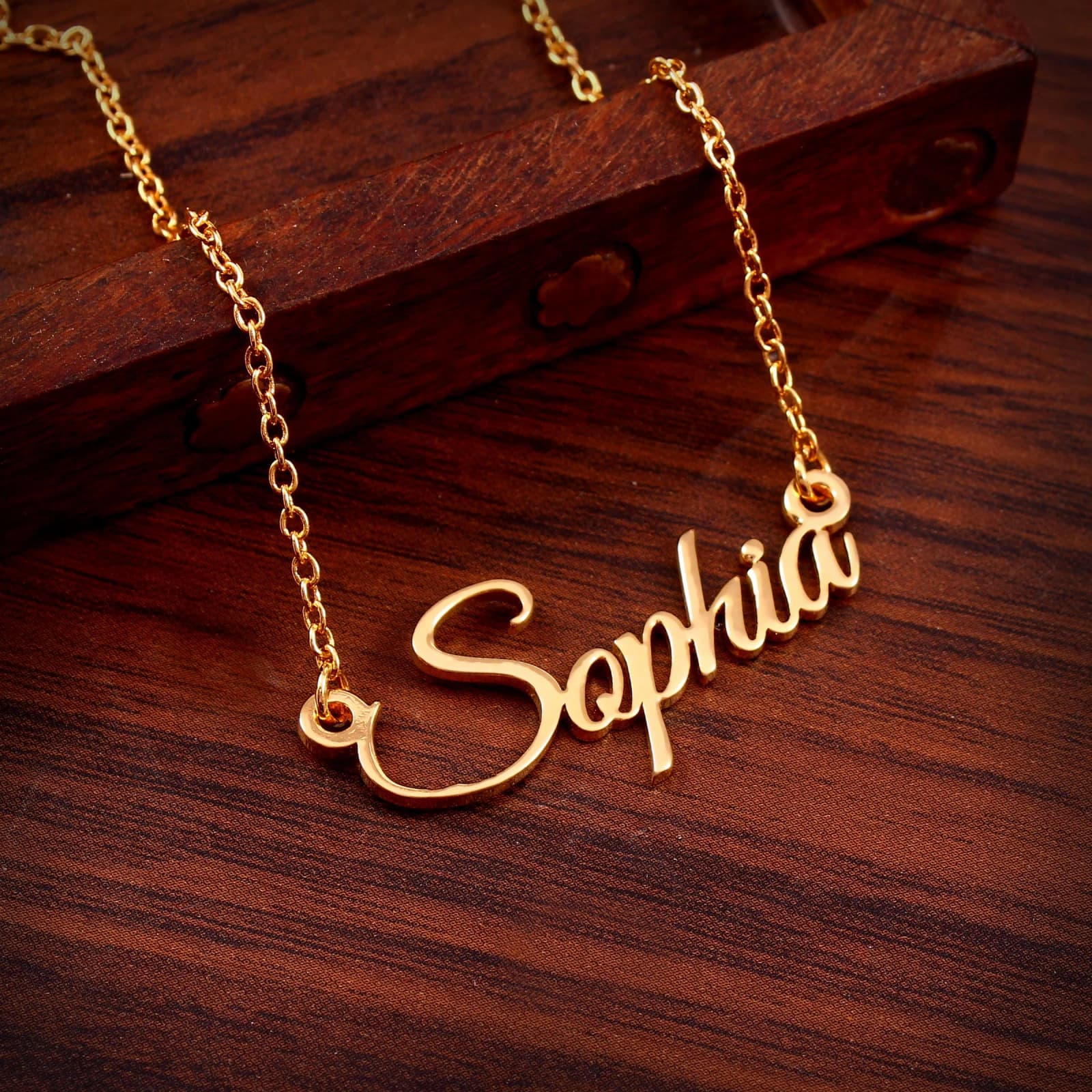
Characteristics
18K Gold Characteristics:
- Purity: 75% gold
- Color: Rich, warm yellow (more saturated than 14K)
- Durability: Softer than 14K, scratches with daily wear
- Price (2025): ~$45.54 per gram
- Tarnish Resistance: Excellent, minimal tarnishing
- Hypoallergenic: Very good, low allergen risk
Best Uses for 18K Gold
- Luxury engagement rings and fine jewelry
- Pieces for sensitive skin
- Special occasion jewelry
- High-end designer pieces
- Jewelry where color richness matters most
18K Gold Pros and Cons
Pros:
- Richer, more prestigious gold color
- More hypoallergenic than lower karats
- Excellent tarnish resistance
- Preferred by luxury brands (Cartier, Tiffany, Van Cleef)
Cons:
- Scratches more easily than 14K
- Significantly more expensive
- May show wear marks over time with constant use
- Prongs can wear down faster
14K Gold: The Sweet Spot
14K gold is 58.3% pure gold, making it the most popular choice for jewelry in the United States. It accounts for approximately 90% of engagement and wedding rings sold.
Characteristics
14K Gold Characteristics:
- Purity: 58.3% gold
- Color: Classic yellow (slightly lighter than 18K)
- Durability: Excellent, highly scratch-resistant
- Price (2025): ~$35.42 per gram
- Tarnish Resistance: Good, occasional cleaning needed
- Hypoallergenic: Good for most people
Best Uses for 14K Gold
- Engagement rings and wedding bands
- Everyday jewelry (worn constantly)
- Active lifestyle pieces
- Children's jewelry
- Pieces with intricate settings or many prongs
Why 14K Dominates the Market
Durability: The higher alloy content makes 14K significantly harder than 18K or 24K. It resists scratches, maintains prong integrity longer, and holds gemstones more securely.
Value: You get substantial gold content (over half the metal is pure gold) at a price point roughly 20-30% less than 18K.
Versatility: 14K works for virtually any jewelry type, from delicate chains to statement rings, everyday wear to special occasions.
Color Balance: While slightly lighter than 18K, 14K still displays a beautiful, recognizable gold color that most people find indistinguishable from higher karats in normal lighting.
10K Gold: Maximum Durability
10K gold contains 41.7% pure gold, the minimum amount legally allowed to be called "gold" in the United States.
Characteristics
10K Gold Characteristics:
- Purity: 41.7% gold
- Color: Lighter, paler yellow
- Durability: Most durable gold alloy
- Price (2025): ~$25.30 per gram
- Tarnish Resistance: Fair, may tarnish over time
- Hypoallergenic: Lower, higher allergen risk
Best Uses for 10K Gold
- Budget-friendly jewelry
- Pieces subject to heavy wear (sports watches, work rings)
- Children's jewelry
- Men's wedding bands (if prioritizing durability)
- Fashion jewelry for occasional wear
10K Gold Considerations
Pros:
- Most affordable real gold option
- Extremely durable and scratch-resistant
- Holds up well to rough handling
Cons:
- Noticeably lighter/paler color
- May cause reactions in sensitive skin (higher nickel content)
- More prone to tarnishing
- Less prestigious perception
- Not considered "fine jewelry" by many standards
Gold Color Variations: Yellow, White, and Rose
The karat number tells you purity, but the alloy metals determine color. The same karat gold can be yellow, white, or rose.
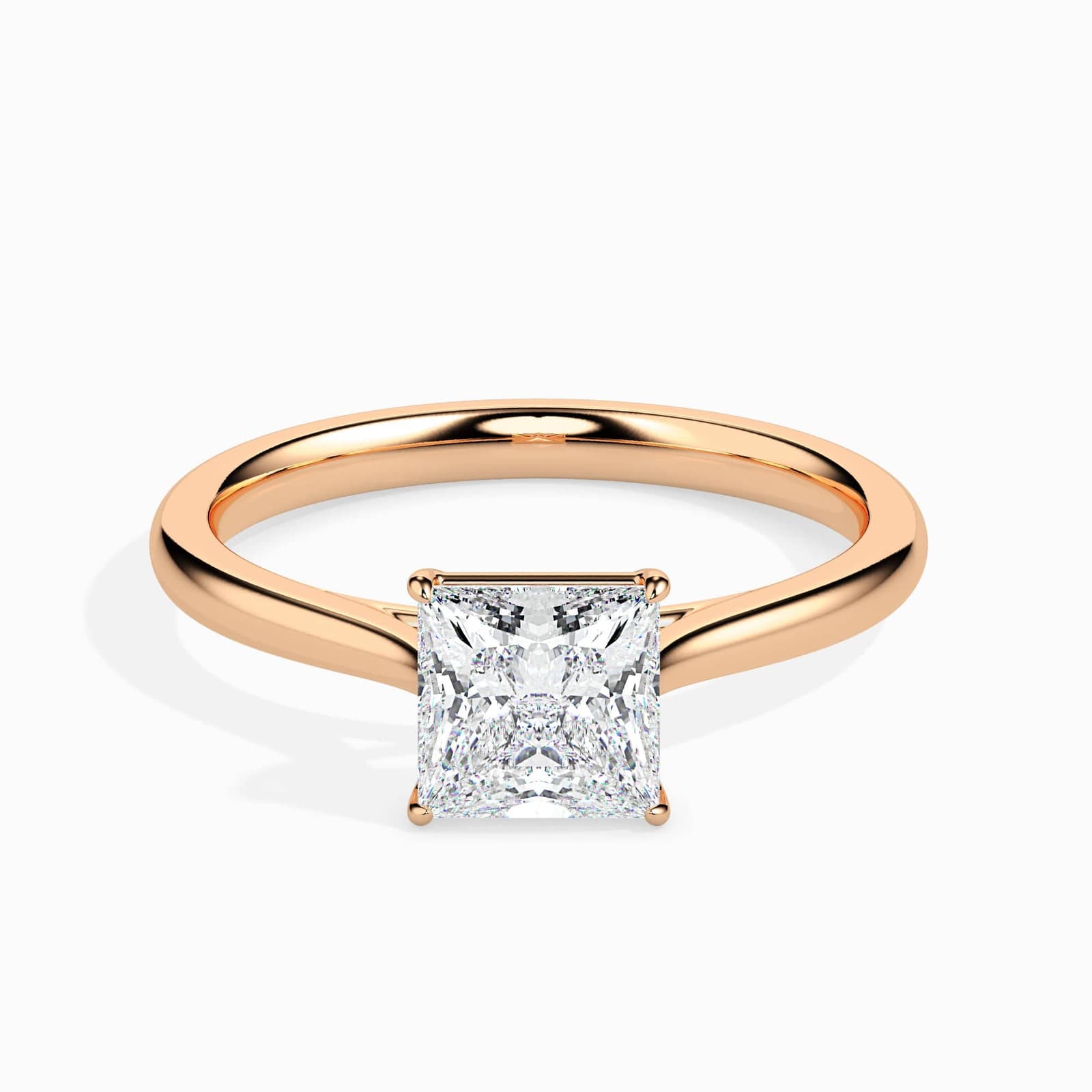
Yellow Gold
Alloys: Silver, copper, zinc
Yellow gold is the classic, natural gold color. Higher karats appear more saturated yellow, while lower karats are paler.
Yellow Gold Appearance by Karat:
- 24K: Rich, almost orange-yellow
- 18K: Warm, saturated yellow
- 14K: Classic yellow
- 10K: Pale, light yellow
White Gold
Alloys: Palladium, nickel, silver, zinc + rhodium plating
White gold is yellow gold alloyed with white metals, then plated with rhodium for a bright, silver-white finish.
Important: Rhodium plating wears off over time (typically 1-3 years) and requires re-plating to maintain the bright white color. Without replating, white gold develops a slightly yellowish tinge.
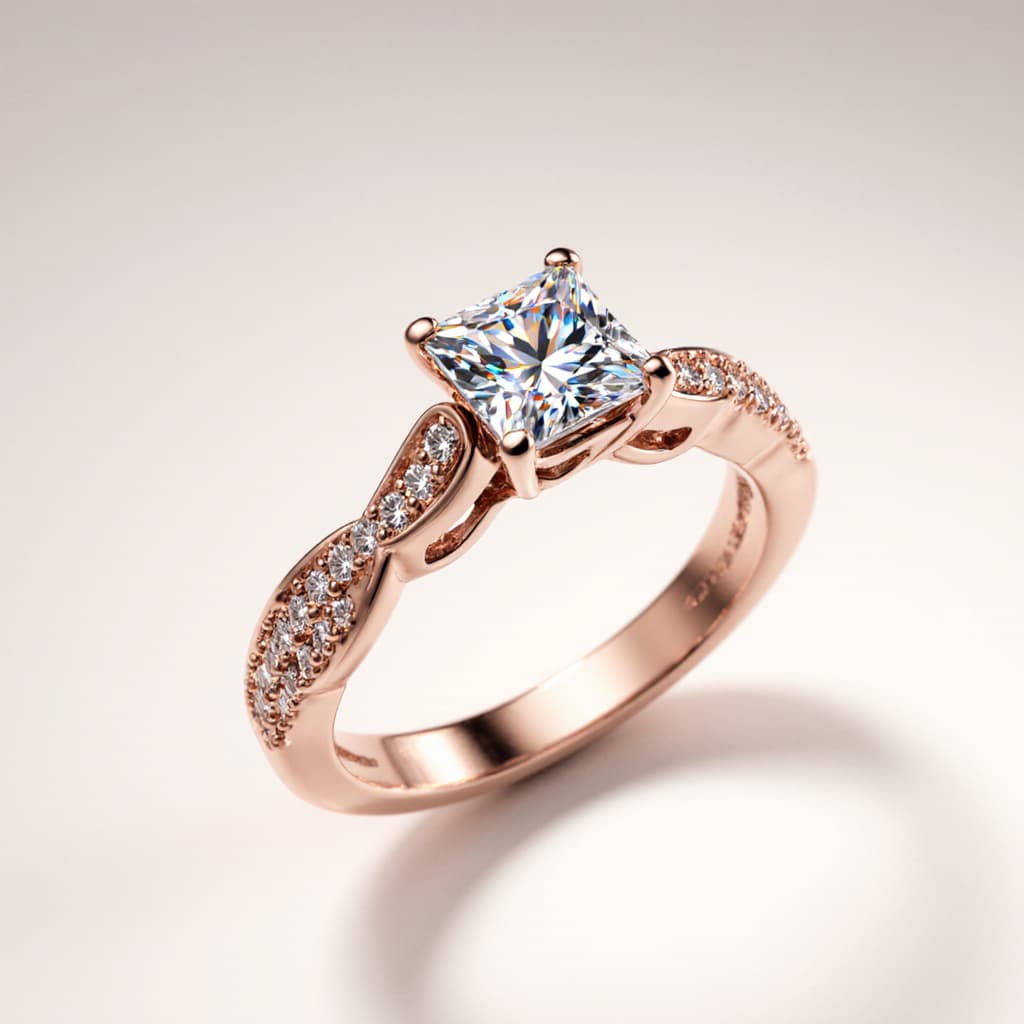
Rose Gold
Alloys: Copper (higher percentage), silver
Rose gold gets its pink hue from copper. The more copper, the redder the gold.
Rose Gold Appearance by Karat:
- 18K: Subtle, soft pink
- 14K: Classic rose/pink
- 10K: Deeper, more copper-red
Note: Rose gold is inherently more durable than yellow gold at the same karat because copper is a harder metal. That hardness, and the weight and maintenance differences that travel with it, are covered in what actually changes when you switch metal.
Price Comparison: What You'll Pay in 2025
Gold prices fluctuate with market conditions, but the relative differences between karats remain consistent.
Current Gold Prices (2025 Average)
24K Gold:
- Price Per Gram: $60.71
- Price Per Ounce: $1,888
- Relative Cost: Baseline
18K Gold:
- Price Per Gram: $45.54
- Price Per Ounce: $1,416
- Relative Cost: 75% of 24K
14K Gold:
- Price Per Gram: $35.42
- Price Per Ounce: $1,101
- Relative Cost: 58% of 24K
10K Gold:
- Price Per Gram: $25.30
- Price Per Ounce: $787
- Relative Cost: 42% of 24K
Real-World Jewelry Pricing
A simple gold band (same design) at different karats:
- 10K: $150-$400
- 14K: $250-$600
- 18K: $400-$900
- 24K: $600-$1,200+
Prices vary significantly based on weight, design complexity, brand, and retailer.
Durability and Wear Comparison
How well does each karat hold up to daily life?
Scratch Resistance (Best to Worst)
- 10K - Most scratch-resistant
- 14K - Excellent scratch resistance
- 18K - Good, but shows wear over time
- 24K - Scratches very easily
Bend/Deformation Resistance
- 10K - Most rigid
- 14K - Very good structure
- 18K - Can deform under pressure
- 24K - Bends easily, can dent with fingernail
Prong Durability (For Gemstone Settings)
- 10K/14K - Hold gemstones securely for decades
- 18K - Adequate, may need re-tipping over time
- 24K - Not recommended for prong settings
How to Choose the Right Gold Karat
Choose 24K If:
- You're buying investment gold (bars, coins)
- Cultural tradition requires pure gold
- The piece will be worn rarely on special occasions
- Maximum gold value matters more than durability
Choose 18K If:
- You want luxury-brand quality
- You have sensitive skin or metal allergies
- Richer gold color is a priority
- The piece won't be worn every single day
- Budget is not the primary concern
Choose 14K If:
- You want the best overall value
- The jewelry will be worn daily
- You need durability for an active lifestyle
- You're buying an engagement ring or wedding band
- You want real gold without premium pricing
Choose 10K If:
- Budget is the top priority
- Maximum durability matters most
- The piece will face heavy wear
- You're buying fashion jewelry for variety
- You don't have metal sensitivities
Gold Karat by Jewelry Type
Engagement Rings
- Recommended: 14K or 18K
- Why: Balance of beauty and prong durability
Wedding Bands
- Recommended: 14K
- Why: Daily wear demands durability
Everyday Necklaces
- Recommended: 14K
- Why: Resists tangling damage, affordable
Statement Necklaces
- Recommended: 18K
- Why: Luxury appearance, occasional wear
Earrings (Studs)
- Recommended: 14K-18K
- Why: Less wear, skin contact matters
Bracelets
- Recommended: 10K-14K
- Why: High wear area, needs durability
Children's Jewelry
- Recommended: 10K
- Why: Budget-friendly, very durable
Investment Pieces
- Recommended: 24K
- Why: Maximum gold value
Cultural/Ceremonial
- Recommended: 22K-24K
- Why: Traditional purity requirements
How to Identify Gold Karat
Hallmarks and Stamps
All gold jewelry sold in the US must be stamped with its karat. Look for:
- 10K, 10kt, 417 = 10 karat
- 14K, 14kt, 585 = 14 karat
- 18K, 18kt, 750 = 18 karat
- 22K, 22kt, 916 = 22 karat
- 24K, 24kt, 999 = 24 karat
Common locations: inside ring bands, on clasp tags, near necklace clasps, on earring posts.
Testing Methods
If stamps are missing or you're unsure:
- Professional testing - Jewelers use acid tests or XRF analyzers
- Magnet test - Gold isn't magnetic (but this only rules out fake gold)
- Density test - Pure gold has specific gravity of 19.3
- Visual inspection - Check for green/black discoloration (indicates plating wearing off)
Common Misconceptions About Gold Karats
Myth 1: Higher karat always means better quality
Reality: Higher karat means more pure gold, but not necessarily better jewelry. 24K gold makes terrible rings because it's too soft.
Myth 2: 10K gold isn't real gold
Reality: 10K contains 41.7% pure gold. It's legally gold in the US, though some countries require higher minimums.
Myth 3: You can't tell the difference between 14K and 18K
Reality: In direct comparison under good lighting, 18K has a noticeably richer, more saturated yellow color. However, when worn alone, most people can't tell.
Myth 4: Higher karat gold doesn't tarnish
Reality: Pure 24K gold never tarnishes, but all lower karats can show some discoloration over time due to copper and other alloy content. Regular cleaning prevents this.
Myth 5: White gold is a different type of gold
Reality: White gold is yellow gold with white metal alloys and rhodium plating. The base is still gold, measured in the same karats.
Design Your Own Gold Jewelry with Tashvi AI
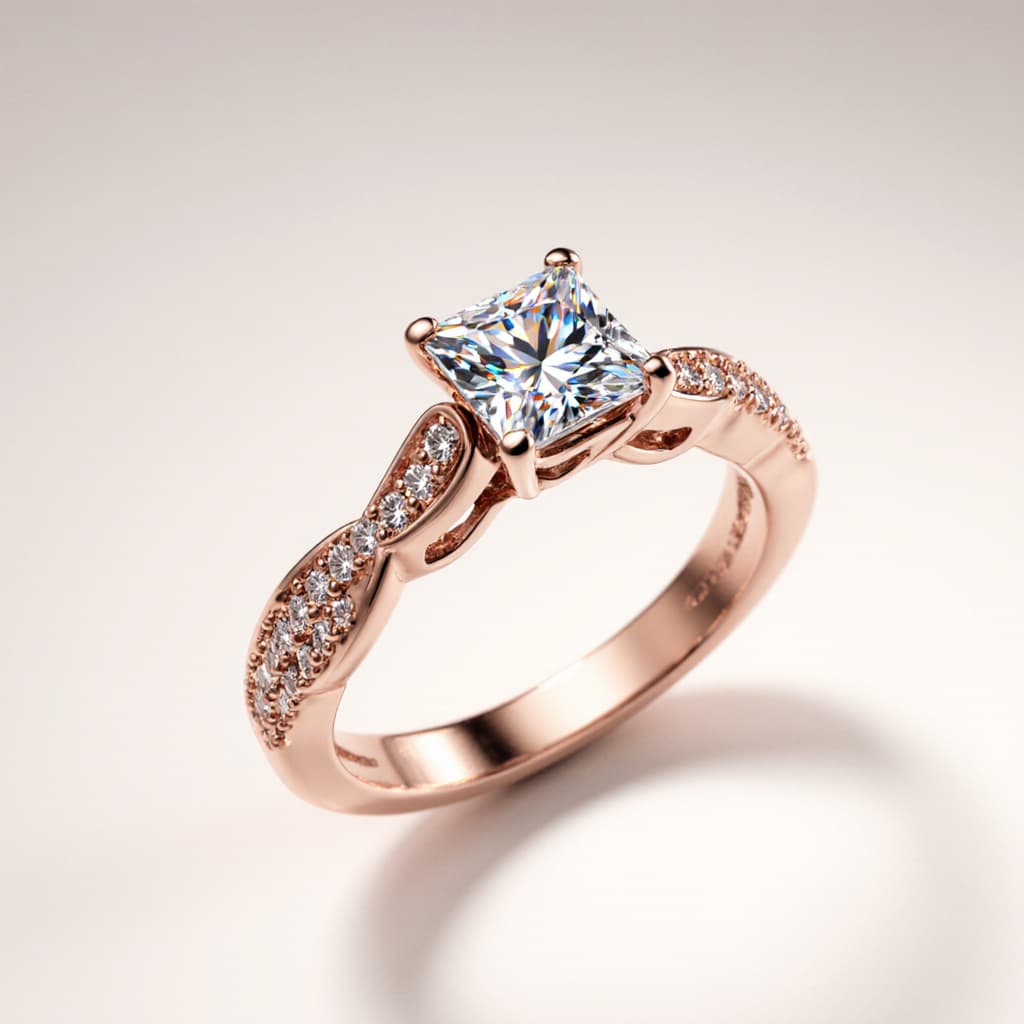
Not sure which gold karat or color is right for you? Tashvi AI lets you visualize custom gold jewelry designs before making a purchase decision. See exactly how your dream piece will look in yellow, white, or rose gold.
Why Design Before You Buy
Choosing between 14K and 18K gold, or deciding between yellow and rose gold, can be overwhelming. Tashvi AI solves this by generating photorealistic jewelry designs based on your preferences. You can:
- Compare gold colors side-by-side to see which flatters your skin tone
- Visualize different karats to understand the color difference between 14K and 18K
- Experiment with styles from classic solitaires to modern stackable rings
- Create reference images to show your jeweler exactly what you want
Example Prompts to Try
Yellow Gold Name Necklace:
14K yellow gold name necklace with elegant script font,
delicate 1.5mm cable chain, personalized with "Emma"
Rose Gold Engagement Ring:
18K rose gold solitaire engagement ring with oval diamond,
cathedral setting, thin comfort-fit band
White Gold Halo Ring:
14K white gold halo engagement ring with round brilliant center,
micro-pavé diamond band, vintage milgrain detailing
Gold Initial Pendant:
14K yellow gold initial pendant letter "A",
diamond accent, 18-inch box chain
From AI Design to Real Jewelry
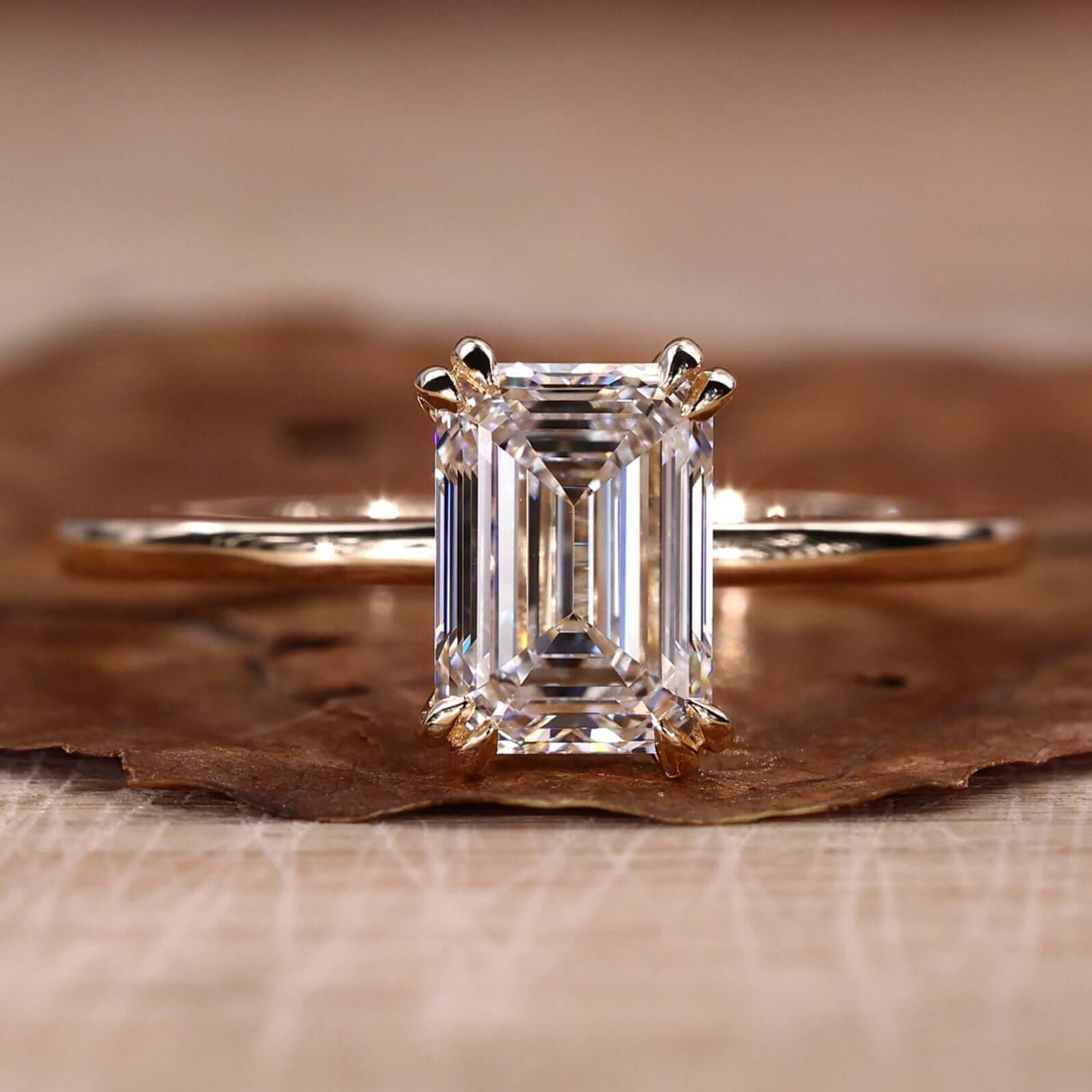
Tashvi AI bridges the gap between imagination and reality:
- Generate multiple designs exploring different gold types and styles
- Save your favorites to compare options
- Share with jewelers as a visual reference for custom orders
- Refine your vision before investing in precious metals
Whether you want a personalized gold name necklace, custom gold ring, or unique gold engagement ring, Tashvi AI helps you see it before you buy it.
Start designing your gold jewelry →
Caring for Your Gold Jewelry
Daily Care
- Remove before swimming, showering, or exercising
- Avoid contact with lotions, perfumes, and cleaning chemicals
- Store pieces separately to prevent scratching
Cleaning by Karat
24K Gold:
- Very gentle soap and water only, pat dry
18K Gold:
- Mild soap, soft cloth, occasional professional cleaning
14K Gold:
- Soap and water, soft brush for detailed pieces
10K Gold:
- Same as 14K, may need more frequent polishing
Professional Maintenance
- Annual inspection for prong wear and loose stones
- Rhodium re-plating for white gold (every 1-3 years)
- Polishing to remove minor scratches
- Ultrasonic cleaning (professional only for pieces with gemstones)
Frequently Asked Questions
What is the difference between 10K, 14K, 18K, and 24K gold?
The difference is purity. 24K is 99.9% pure gold, 18K is 75% gold, 14K is 58.3% gold, and 10K is 41.7% gold. The remaining percentage consists of alloy metals like silver, copper, and zinc that add durability and affect color.
Which gold karat is best for everyday jewelry?
14K gold is best for everyday jewelry. It offers the ideal balance of durability (58.3% gold with strong alloys) and beauty. It resists scratches better than 18K or 24K while maintaining a rich gold color. About 90% of engagement rings sold are 14K.
Is 18K gold worth the extra money?
18K gold is worth it for luxury pieces, sensitive skin, or richer color. However, it scratches more easily than 14K and costs significantly more. For daily-wear items like engagement rings, 14K often provides better value.
Can you wear 24K gold jewelry daily?
No, 24K gold is too soft for daily wear. Pure gold bends easily, scratches quickly, and cannot securely hold gemstones. 24K is best for investment pieces, cultural jewelry worn occasionally, or collectibles.
Does higher karat gold tarnish less?
Yes. 24K gold never tarnishes since it's pure gold. 18K tarnishes minimally. 14K and 10K may show slight tarnishing over time due to copper content, but regular cleaning prevents this.
What karat gold is best for sensitive skin?
18K or 24K gold is best for sensitive skin as they contain less nickel and other potential allergens. 14K is generally safe for most people. 10K has the highest alloy content and may cause reactions in those with metal sensitivities.
Conclusion
Choosing the right gold karat comes down to balancing four factors: durability, color, price, and intended use.
- For everyday engagement rings and wedding bands: 14K delivers the best combination of beauty, durability, and value.
- For luxury pieces and sensitive skin: 18K offers richer color and fewer allergens.
- For budget-conscious buyers needing maximum durability: 10K provides real gold at accessible prices.
- For investment or cultural traditions: 24K represents the purest form of this timeless metal.
There's no universally "best" karat, only the best karat for your specific needs. Now that you understand the differences, you can make an informed choice that will bring you joy for years to come.
Related Guides:
Frequently Asked Questions
Quick answers to the questions readers ask most about this guide.
What is the difference between 10K, 14K, 18K, and 24K gold?
The difference is purity. 24K is 99.9% pure gold, 18K is 75% gold, 14K is 58.3% gold, and 10K is 41.7% gold. The remaining percentage consists of alloy metals like silver, copper, and zinc that add durability and affect color.
Which gold karat is best for everyday jewelry?
14K gold is best for everyday jewelry. It offers the ideal balance of durability (58.3% gold with strong alloys) and beauty. It resists scratches better than 18K or 24K while maintaining a rich gold color. About 90% of engagement rings sold are 14K.
Is 18K gold worth the extra money?
18K gold is worth it for luxury pieces, sensitive skin (more hypoallergenic), or richer color. However, it scratches more easily than 14K and costs significantly more. For daily-wear items like engagement rings, 14K often provides better value.
Can you wear 24K gold jewelry daily?
No, 24K gold is too soft for daily wear. Pure gold bends easily, scratches quickly, and cannot securely hold gemstones. 24K is best for investment pieces, cultural jewelry worn occasionally, or collectibles rather than everyday items.
Does higher karat gold tarnish less?
Yes, higher karat gold is more resistant to tarnishing. 24K gold never tarnishes since it's pure gold. 18K tarnishes minimally. 14K and 10K may show slight tarnishing over time due to their copper content, but regular cleaning prevents this.
What karat gold is best for sensitive skin?
18K or 24K gold is best for sensitive skin as they contain less nickel and other potential allergens. 14K gold is generally safe for most people. 10K gold has the highest alloy content and may cause reactions in those with metal sensitivities.