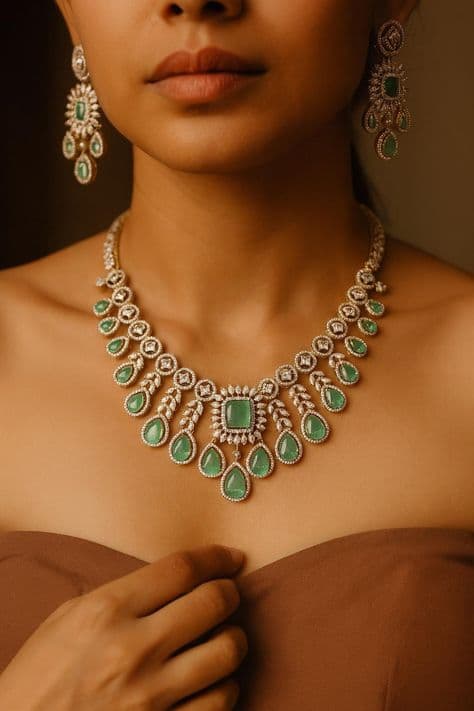
Lab Grown vs Natural Diamonds 2026: What Jewelers Skip
Lab diamonds cost 60-80% less but resale is 10-40%. Compare 2026 prices ($800 vs $4,000+), durability, and the trade-offs jewelers skip.
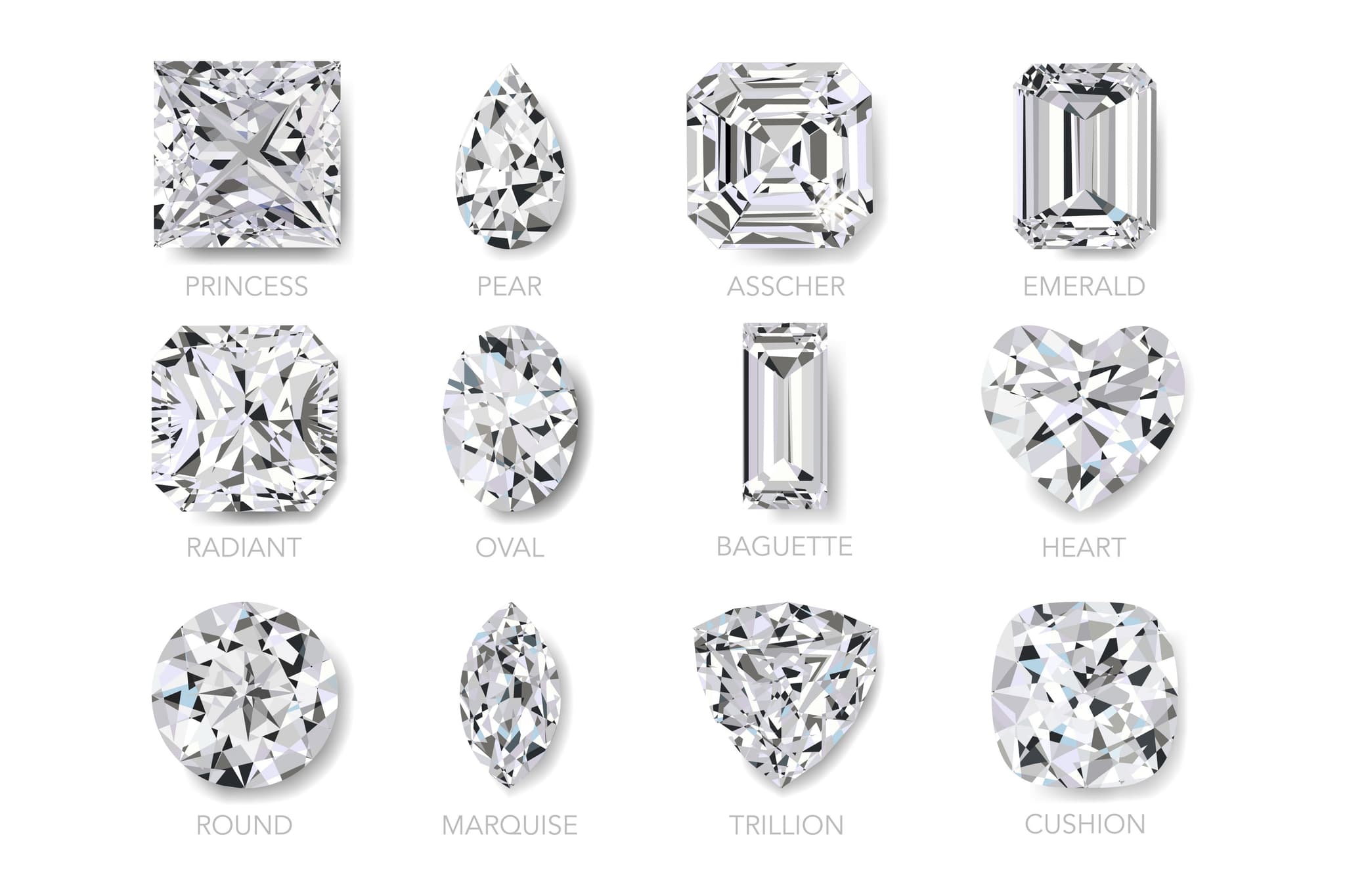
Lab-Grown vs Natural Diamonds: Quick Answer
Lab-grown diamonds are real diamonds that cost 60-80% less than natural diamonds (Paul Zimnisky. Both share identical chemistry, hardness (10 Mohs), and brilliance. The key differences: natural diamonds hold better resale (20-60% vs 10-40% for lab, per WP Diamonds, while lab diamonds unlock larger center stones at the same budget. Over 55% of 2026 engagement rings use lab-grown (The Knot.
Tashvi AI
Design your dream ring — lab or natural — with free AI
Compare lab-grown and natural diamond rings in photorealistic 3D before you commit. Tashvi AI renders both side-by-side in seconds.
2026 Market Update
The lab-grown diamond market has shifted dramatically entering 2026:
- Prices continue falling: Wholesale prices dropped another 15-20% through late 2025 (Paul Zimnisky Global Rough Diamond Price Index, with 1-carat G/VS1 stones now available under $1,000 (Tenoris retail diamond market analytics
- Quality ceiling raised: 85%+ of lab diamonds now graded D-F color (Tenoris retail mix data, making high-quality stones the norm
- Market share accelerating: Lab-grown diamonds now represent over 55% of engagement ring sales (The Knot 2024 Real Weddings Study
- Design impact: Average lab-grown center stone jumped from 1.31 carats (2019) to 2.5+ carats (2026) (Edahn Golan Diamond Research, fundamentally changing what designers can offer clients
- Natural diamond stability: Natural diamond prices remain stable, maintaining the value-storage proposition (Rapaport Price List
| Factor | Lab-Grown | Natural | Source |
|---|---|---|---|
| Price (1ct G/VS1) | $800-1,500 | $4,000-6,000 | Rapaport / Tenoris |
| Resale Value | 10-40% | 20-60% | WP Diamonds / Rapaport |
| Composition | Pure carbon | Pure carbon | |
| Hardness | 10 Mohs | 10 Mohs | |
| Formation Time | Weeks | 1-3 billion years | |
| 2026 Market Share | 55%+ | 45% | |
| Average Center Stone | 2.5 carats | 1.0-1.2 carats |
Lab-grown diamonds have transformed from a niche alternative to a dominant force in the jewelry market. Over 55% of engagement rings in 2026 feature lab-grown diamonds — a historic shift in how couples approach one of life's most significant purchases.
But with this shift comes questions for designers and jewelers: How does material choice affect the design process? What do your clients need to understand? How do you position each option in your collection?
This guide covers every angle — from science and pricing to design strategy and client conversations.
Are Lab-Grown Diamonds Real Diamonds?
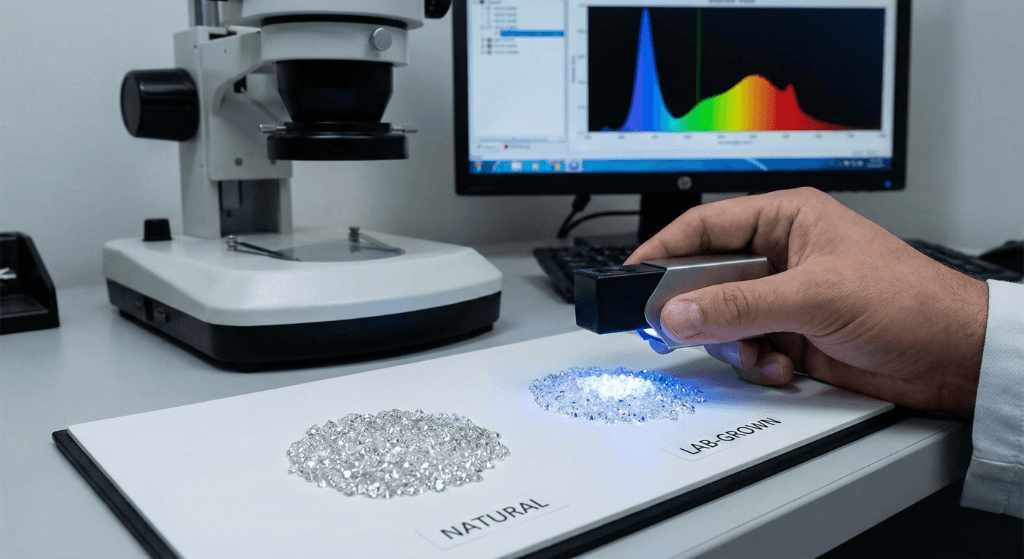
Yes. Lab-grown diamonds are chemically, physically, and optically identical to natural diamonds. Both consist of pure carbon atoms arranged in a crystal lattice structure. Both rate 10 on the Mohs hardness scale. Both exhibit identical brilliance, fire, and scintillation.
The only difference is origin:
- Natural diamonds formed deep within the Earth over 1-3 billion years under extreme heat and pressure
- Lab-grown diamonds are created in controlled laboratory environments over weeks using advanced technology
Even expert gemologists cannot distinguish between the two without specialized equipment. For designers using AI visualization tools, both types render identically — the light behavior, reflections, and sparkle are the same.
How Lab-Grown Diamonds Are Made
Lab-grown diamonds are created using two primary methods, each replicating natural diamond formation in different ways.
HPHT (High Pressure, High Temperature)
The original method, first successfully used by General Electric in 1954, mimics natural diamond formation deep within the Earth.
The Process:
- A small diamond seed is placed in carbon material
- Massive presses apply extreme pressure (5 GPa / 730,000 psi) at temperatures around 1,500°C
- The carbon melts and crystallizes around the seed
- A rough diamond forms over days to weeks
HPHT diamonds may display a yellowish or brownish tint due to nitrogen exposure during growth, though post-growth treatment can improve color. They're effective for producing fancy colored diamonds.
CVD (Chemical Vapor Deposition)
Developed in the 1980s, CVD uses carbon-rich gases to grow diamonds layer by layer.
The Process:
- A diamond seed is placed in a vacuum chamber
- The chamber fills with carbon-rich gases (methane and hydrogen)
- Microwave energy breaks down gas molecules
- Carbon atoms deposit onto the seed layer by layer
- Crystallization occurs over several weeks
CVD produces Type IIA diamonds (the purest type), typically with better color and fewer inclusions than HPHT. Most high-quality colorless lab diamonds on the market today are CVD-grown.
CVD vs HPHT: Which Is Better for Jewelry Design?
| Factor | CVD | HPHT |
|---|---|---|
| Color grades | Typically better (D-F common) | May have yellowish tint |
| Inclusions | Fewer metallic inclusions | Metallic inclusions possible |
| Best for | Colorless center stones | Fancy colored diamonds |
| Resale retention | 5-8% higher | Slightly lower |
| Design recommendation | Engagement rings, fine jewelry | Fashion pieces, colored collections |
For engagement ring designs, CVD diamonds are typically preferred. For designers creating colored gemstone collections featuring fancy yellow or blue diamonds, HPHT offers interesting options at lower cost.
Price Comparison: Lab-Grown vs Natural (2026)
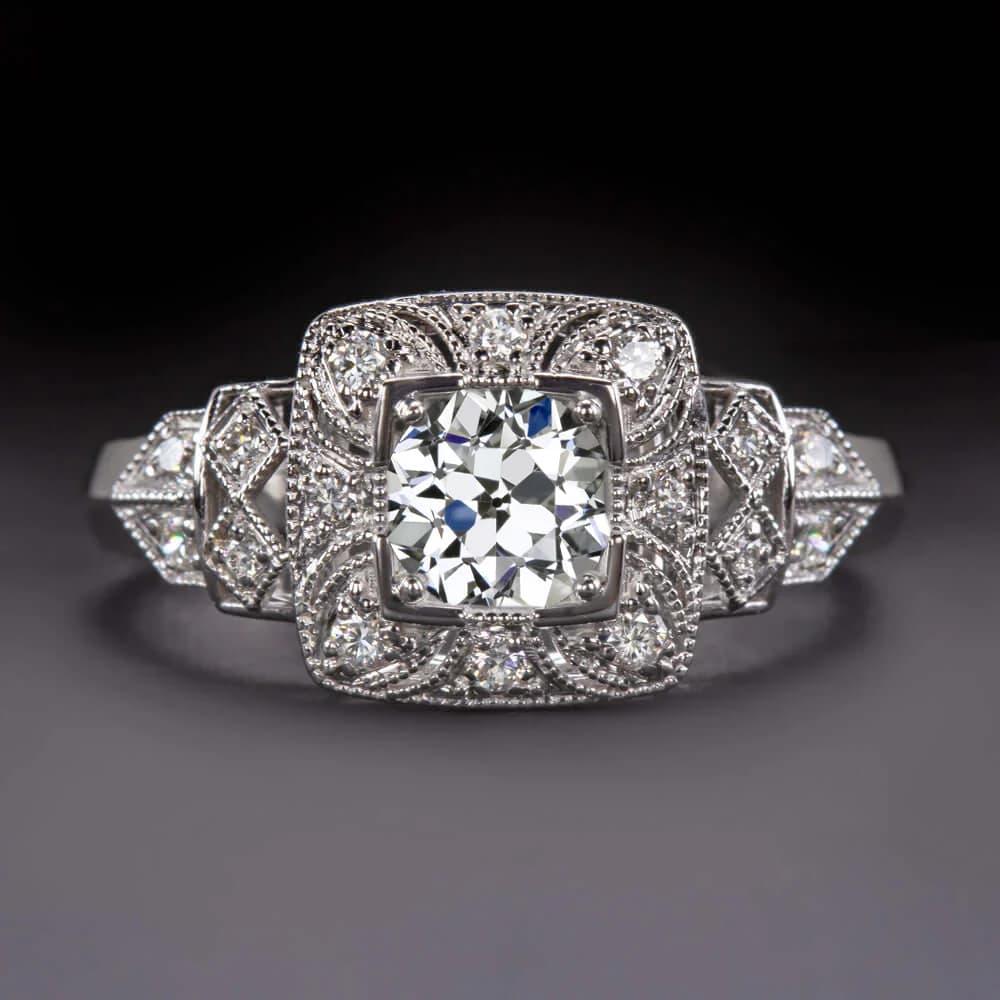
The price gap continues widening. Here's what the market looks like in 2026:
1-Carat Diamond Comparison
Natural Diamond (G color, VS1 clarity):
- Average price: $4,000-$6,000 (Rapaport Price List, April 2026)
- Range: $3,000-$8,000+ depending on cut quality (IDEX Diamond Index
Lab-Grown Diamond (G color, VS1 clarity):
- Average price: $800-$1,500 (Tenoris retail analytics
- Some retailers offer under $1,000 (Paul Zimnisky Analytics
Savings: 60-80% (calculated from above price ranges)
Price History and Trajectory
Lab-grown diamond prices have fallen dramatically, per Paul Zimnisky's Global Rough Diamond Price Index and Edahn Golan Diamond Research:
- Wholesale prices dropped 95% compared to 2018
- Retail prices are now approximately 24% of what they were 7 years ago
- Prices continue declining 15-20% annually as production scales (Bain & Co. 2024 Global Diamond Report
Natural diamond prices have remained relatively stable, with slight appreciation over time (Rapaport historical price lists).
What This Means for Designers
The lab-grown price advantage fundamentally changes what you can design:
With a $5,000 client budget:
- Natural path: 1.0-1.2ct center stone → focus on setting details, side stones, and metalwork to maximize visual impact
- Lab-grown path: 2.5-3.0ct center stone → design around a statement stone, simpler settings work because the stone commands attention
This isn't just a pricing difference — it changes the entire design approach. Lab diamonds let you create pieces that would otherwise require a $15,000+ budget.
Use Tashvi AI to show clients both scenarios side-by-side: a 1ct natural diamond in an elaborate halo setting vs a 2.5ct lab-grown in a clean solitaire. Let them see exactly how budget allocation changes the final design.
Quality Comparison
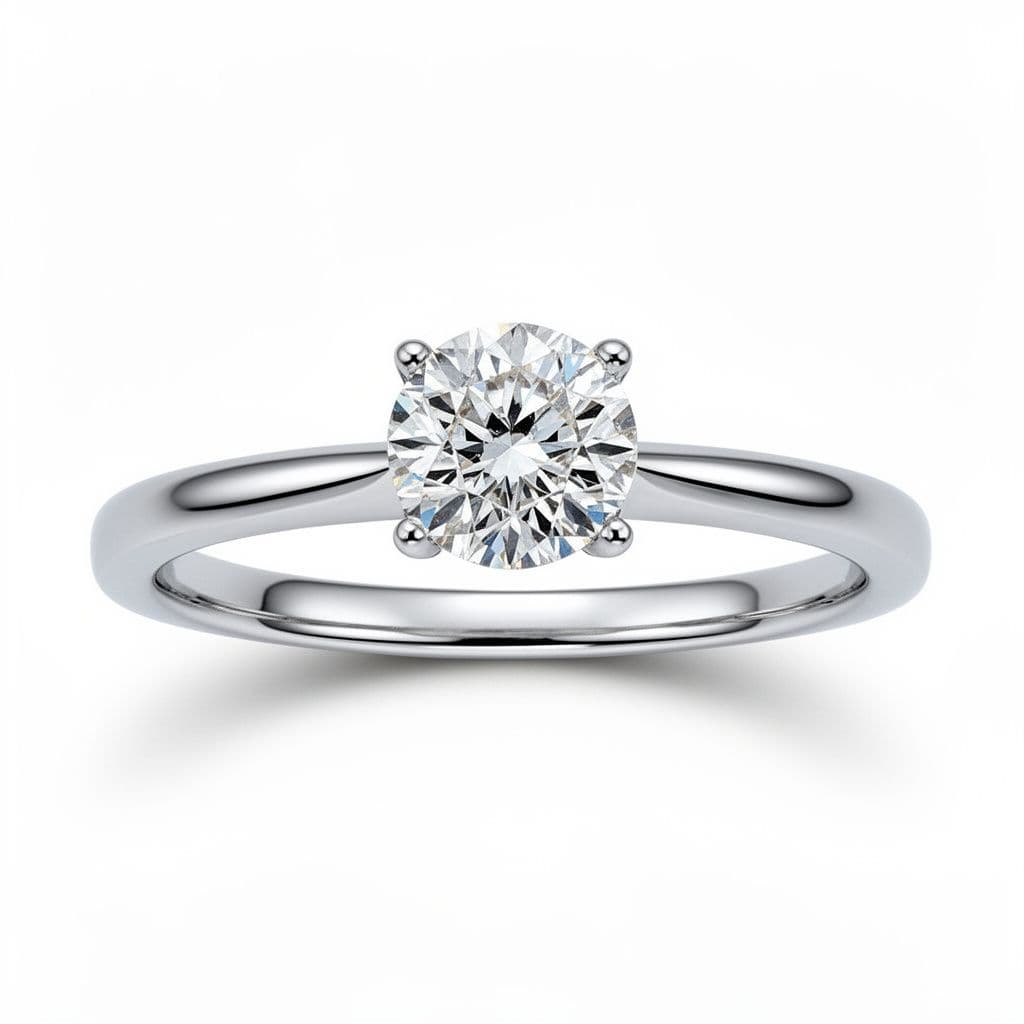
Both lab-grown and natural diamonds are graded using the same 4Cs criteria: Cut, Color, Clarity, and Carat weight.
Can Lab Diamonds Match Natural Diamond Quality?
Absolutely. Lab-grown diamonds achieve the highest grades across all 4Cs:
- Cut: Excellent/Ideal cuts are common in lab diamonds
- Color: D color (colorless) is readily available
- Clarity: FL (Flawless) and IF (Internally Flawless) grades are achievable
- Carat: Lab diamonds over 10 carats are now produced
Because growth conditions are controlled, lab diamonds often have better average quality than natural diamonds at the same price point. 85.9% of lab-grown diamonds sold in 2025 were colorless (D-F), up from 37.7% in 2020 — per Tenoris retail diamond market analytics and summarized in National Jeweler's 2025 lab-grown market report.
GIA Grading Changes
GIA updated lab-grown diamond grading to simplified "Premium" or "Standard" classifications rather than traditional 4Cs grades. Why? Over 95% of lab-grown diamonds fall into a narrow band of high color and clarity grades, making traditional distinctions less meaningful.
For designers, this matters: you can confidently specify "D-F color, VS1+ clarity" lab diamonds knowing that's the standard, not the exception. Design around the stone you'll actually get, not a best-case scenario.
Inclusions: A Design Consideration
While both types can have inclusions, the type differs:
- Natural diamonds: Mineral inclusions (crystals, feathers, clouds) from billions of years of formation
- Lab diamonds: Metallic inclusions from growth (especially HPHT) or distinctive growth patterns
These differences are only visible under magnification with specialized equipment — they don't affect the design or appearance of the finished piece.
Resale Value: The Critical Difference
This is where lab-grown and natural diamonds diverge significantly — and where your client conversations matter most.
Natural Diamond Resale
- Typically resell for 20-60% of original retail price (per WP Diamonds 2025 Diamond Resale Report and Worthy.com auction data
- Value remains relatively stable over time (Rapaport historical data)
- Rare specimens (large, exceptional quality, fancy colors) can appreciate (Sotheby's Magnificent Jewels auction results
- Established secondary market through jewelers and auction houses
Lab-Grown Diamond Resale
- Currently resell for 10-40% of original purchase price (WP Diamonds Lab-Grown Resale Study and I Do Now I Don't peer-to-peer marketplace data
- Values continue declining as production costs drop (Paul Zimnisky
- Limited secondary market
- Some retailers now offer trade-in programs
How to Frame This for Clients
The resale conversation is the most important part of selling lab-grown vs natural designs. Help clients think clearly:
Resale matters less if:
- They're buying an engagement ring to wear forever
- They prioritize immediate value (bigger stone, better quality)
- They don't view jewelry as an investment
- They're working with a fixed budget and want maximum impact
Resale matters more if:
- They may upgrade their ring in the future
- They view the diamond as a potential asset
- Family heirloom value is important
- They're purchasing a very expensive stone ($10,000+)
Reality check: Most people never resell their engagement rings. The emotional value typically exceeds any financial consideration. As a designer, your job is to present both options honestly and let the client decide — then design the most beautiful piece possible for whichever path they choose.
Environmental & Ethical Considerations
Lab-Grown Diamond Claims
Lab diamond marketing emphasizes:
- Conflict-free by definition: No mining means no conflict diamond risk
- Lower water usage: 18 gallons per carat vs 126 gallons for mined diamonds
- Smaller carbon footprint: No large-scale mining operations
The Full Picture
Lab diamond production isn't zero-impact:
- Energy intensive: Growing diamonds requires significant electricity
- Varies by source: Carbon footprint depends on energy source (renewable vs fossil fuels)
- Manufacturing emissions: Factories have environmental impact
Natural Diamond Industry Response
The natural diamond industry has implemented:
- Kimberley Process: Certification to prevent conflict diamonds
- Blockchain tracking: Origin verification from mine to market
- Community investment: Mining operations support local economies
- Reclamation efforts: Land restoration after mining
Designer Takeaway
Neither option is perfectly "green." If sustainability matters to your brand or your clients, research specific supplier practices and look for carbon-neutral certifications. Consider positioning vintage/estate diamonds as a third option — the most sustainable choice.
For designers building a brand identity around sustainability, AI design tools also reduce material waste by letting you prototype digitally before committing to physical production.
Designing with Lab-Grown Diamonds: A Different Approach
The lab-grown price advantage doesn't just mean "the same design but cheaper." It opens design possibilities that natural diamond budgets typically can't support.
Design Strategies for Lab-Grown Collections
Go bigger with center stones: Lab diamonds let you design around 2-3ct center stones at mid-market price points. This means:
- Statement solitaire designs where the stone is the hero
- Oval and pear shapes that look dramatic in larger sizes
- Three-stone designs with substantial center and side stones
More elaborate settings become affordable: When the stone costs less, clients have budget for:
- Platinum settings instead of gold
- Full pavé bands with diamond accents
- Halo designs with premium side stone quality
- Hidden halos and cathedral shanks
Collection pricing opens up: Design matching sets — engagement ring + wedding band + anniversary piece — at accessible price points. Lab diamonds make "bridal sets" viable for mid-market customers.
Design Strategies for Natural Diamond Collections
When clients choose natural diamonds, the smaller stone size means your design craft carries more weight:
Setting-forward designs:
- Elaborate cluster settings that maximize visual size
- Toi et moi designs using smaller but more rare stones
- Bypass settings where the metalwork adds drama
- Detailed marquise or emerald cuts that look larger than their carat weight
Emphasize craftsmanship:
- Hand-engraved details in the band
- Milgrain edges and vintage-inspired elements
- Mixed metal combinations
- Unique band profiles and cross-sections
Highlight origin story: Natural diamonds carry a narrative. Design pieces that honor this: vintage-inspired settings, timeless silhouettes, heirloom-quality construction.
Visualize Both Approaches with AI
Use Tashvi AI to generate side-by-side comparisons for clients:
Lab-Grown Budget Example: "2.5 carat oval lab-grown diamond in platinum halo setting with thin pavé band"
Natural Diamond Example: "1 carat round brilliant natural diamond in yellow gold solitaire setting with cathedral shank"
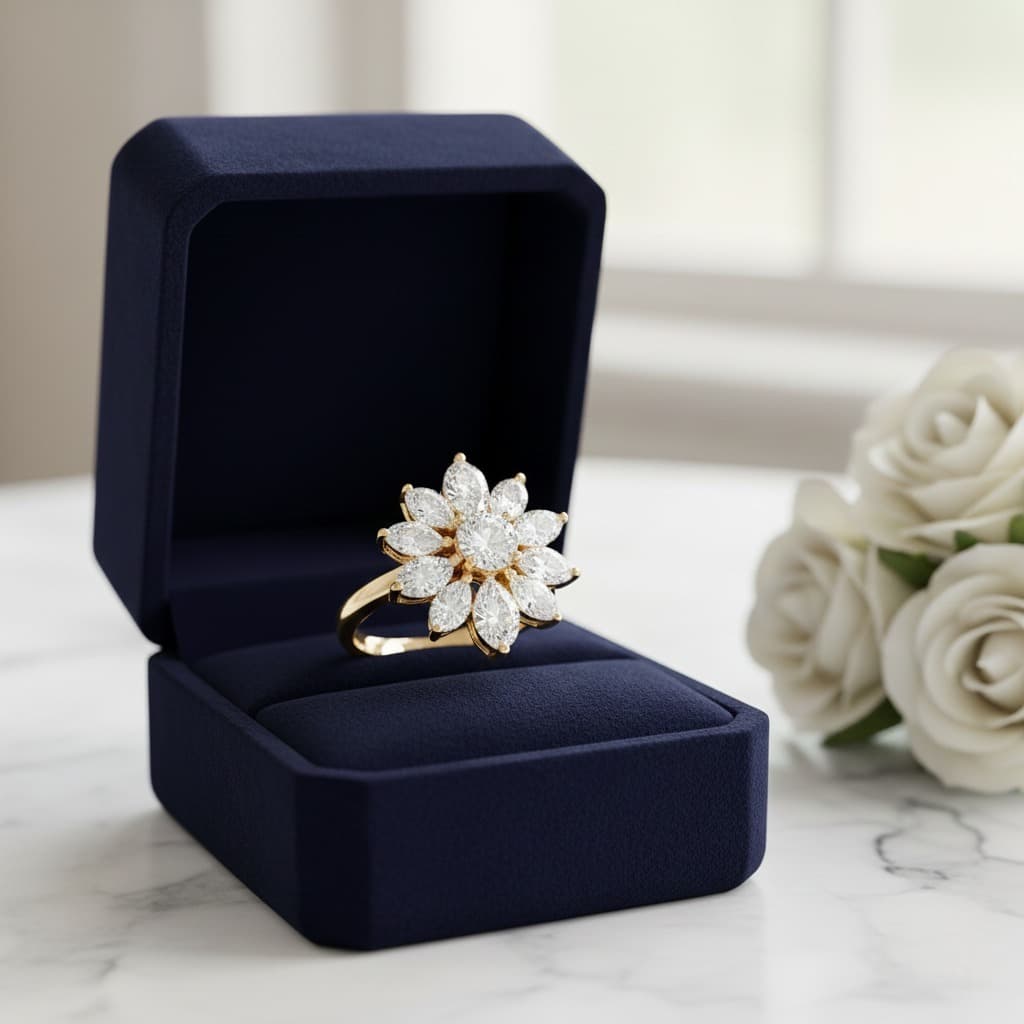
Generate multiple design variations in minutes, then share photorealistic renders with your client. This is the fastest way to move from consultation to decision — and it's the workflow modern jewelers are adopting in 2026.
How to Tell Lab-Grown from Natural Diamonds
What You Can See (Nothing)
To the naked eye, lab-grown and natural diamonds are indistinguishable. No amount of examining will reveal the difference.
Girdle Inscription
The easiest identification method:
- Lab-grown diamonds are inscribed with "Lab-Grown," "LG," "Laboratory-Grown," or similar
- Check with a 10x or 30x jeweler's loupe
- Most reputable labs (IGI, GIA, GCAL) require this inscription
Professional Testing
Gemological laboratories use:
- Spectroscopy: Identifies growth patterns and trace elements
- UV fluorescence: Lab diamonds often fluoresce differently (orange vs blue)
- Nitrogen detection: Lab diamonds typically lack nitrogen present in natural diamonds
- GIA iD100: Specialized screening device for retailers
Certification
Always buy certified diamonds:
- IGI: Most common for lab-grown diamonds
- GIA: Gold standard, now offers lab-grown reports
- GCAL: Gaining popularity for lab diamonds
Certification confirms origin and provides quality verification. As a designer, always specify certified stones in your designs — it protects both you and your client.
Who Should Design with Lab-Grown Diamonds?
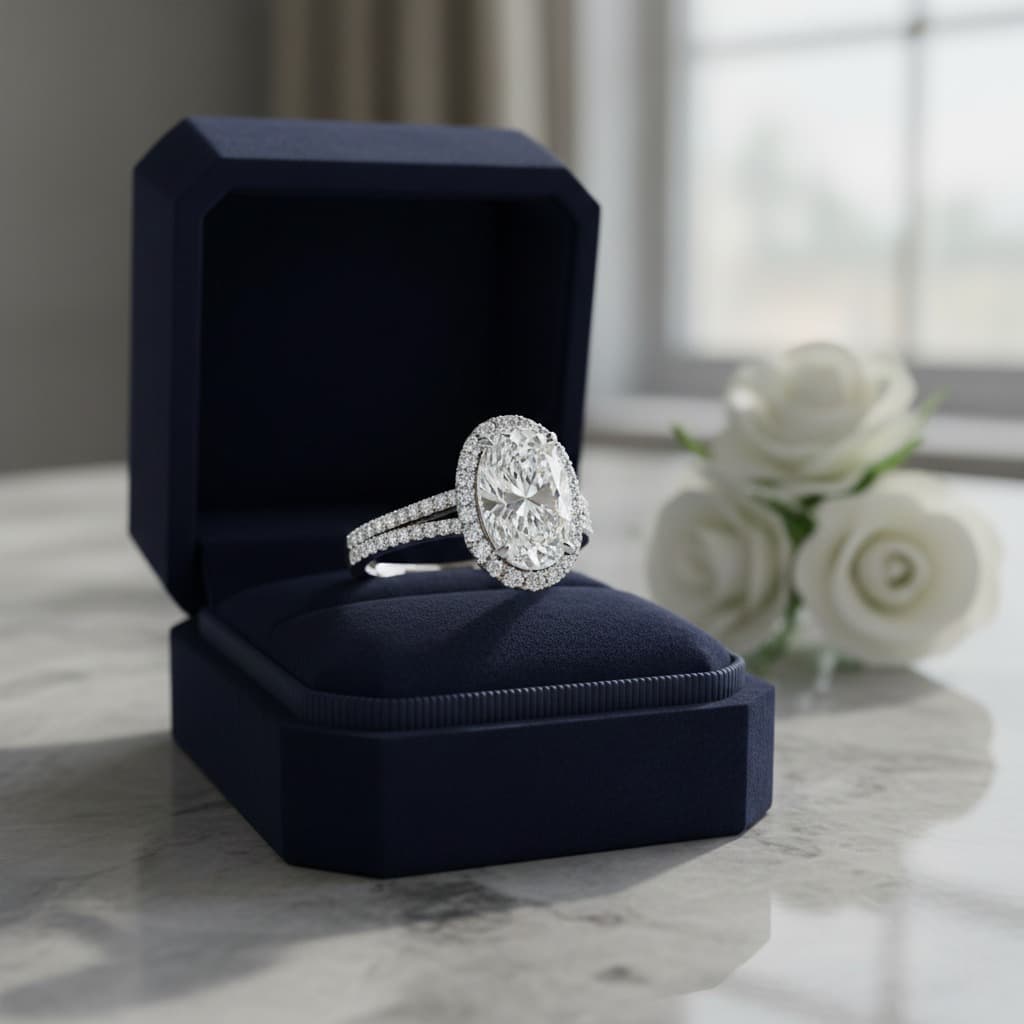
Lab-grown diamonds are ideal for designers and jewelers who:
- Serve budget-conscious clients: Offer dramatically more stone for the money
- Create statement pieces: Larger stones enable bolder design choices
- Run e-commerce brands: Lower material costs improve margins
- Target younger demographics: Millennials and Gen Z favor lab-grown (65%+ preference)
- Prioritize ethical sourcing: Guaranteed conflict-free simplifies your supply chain
- Need fast prototyping: Lab diamonds are readily available in specific specs for custom orders
- Design fashion jewelry: Lower cost supports seasonal collections
Who Should Design with Natural Diamonds?
Natural diamonds are ideal for designers and jewelers who:
- Serve luxury/high-end clients: Natural diamonds carry the rarity narrative
- Create heirloom pieces: The "forever" diamond story resonates for generational pieces
- Operate in traditional markets: Some regions and demographics strongly prefer natural
- Focus on investment-grade jewelry: Natural diamonds maintain better resale value
- Build heritage brands: Natural diamonds align with established luxury positioning
- Design with colored/fancy diamonds: Rare natural fancy colors command premium value
Offering Both: The Smart Business Approach
Most successful jewelers in 2026 offer both lab-grown and natural diamond options. This lets you:
- Capture all budgets: Don't lose clients over material preference
- Design more freely: Use the right stone for each design's intent
- Increase average order value: Lab-grown savings often redirect to setting upgrades
- Build expertise: Understanding both markets deepens your design knowledge
Use AI tools to generate designs in both materials simultaneously, showing clients exactly what their budget delivers in each scenario.
Making Your Decision: Key Questions
For designers evaluating which collections to build:
- Who is your target client? Budget-conscious couples → lab-grown emphasis. Luxury market → natural emphasis
- What's your price positioning? Mid-market brands benefit most from lab-grown economics
- What design style do you favor? Statement stones → lab-grown. Craft-forward settings → either works
- What's your brand story? Sustainability-focused → lab-grown. Heritage-focused → natural
- What does your local market prefer? Regional preferences vary significantly
For clients choosing their stone:
- What's the budget? If limited, lab-grown offers dramatically more value
- How important is size? Lab-grown lets you go bigger
- Will they ever resell? If yes, lean natural
- Does origin matter? Be honest — does it matter personally?
- Is this an heirloom piece? Consider future generations' perspectives
Design and Visualize Your Diamond Pieces with AI
Whether you choose lab-grown or natural, Tashvi AI helps you visualize and present designs before committing to production.
- Compare scenarios: Show clients what their budget gets in lab-grown vs natural
- Iterate fast: Generate dozens of design variations in minutes
- Present professionally: Create photorealistic renders for client consultations
- Export for manufacturing: Generate specifications for your CAD team or manufacturer
Ready to design? Launch Tashvi AI and start exploring both lab-grown and natural diamond designs.
Related Guides
- IGI vs GIA Lab Diamonds: Which Certification? — Understand certification for lab-grown stones
- Moissanite vs Diamond Guide — The budget alternative comparison
- Diamond Shapes Guide — How shape affects appearance and design
- Ring Settings Guide — Solitaire, halo, and cluster options
- Complete Engagement Ring Buying Guide — Budgeting, sizing, and selection
- Best AI Jewelry Design Tools 2026 — Design tools for professional jewelers
- Free AI Ring Design Tool — Start designing immediately
Frequently Asked Questions
Quick answers to the questions readers ask most about this guide.
Are lab-grown diamonds real diamonds?
Yes, lab-grown diamonds are 100% real diamonds. They have identical chemical composition (pure carbon), crystal structure, hardness (10 on Mohs scale), and optical properties to natural diamonds. The only difference is origin: lab diamonds are created in weeks, natural diamonds formed over billions of years.
How much cheaper are lab diamonds than natural diamonds?
Lab-grown diamonds cost 60-80% less than natural diamonds of equivalent quality. A 1-carat G/VS1 natural diamond costs $4,000-6,000, while a lab-grown equivalent costs $800-1,500. Lab diamond prices have dropped 95% since 2018 and continue declining 15-20% annually. Pricing data from Rapaport, Tenoris retail analytics, and Paul Zimnisky Diamond Analytics.
Do lab-grown diamonds hold their value?
Lab-grown diamonds currently resell for 10-40% of original purchase price, compared to 20-60% for natural diamonds. As production increases and prices fall, lab diamond resale values continue declining. Natural diamonds maintain more stable long-term value. Resale data from WP Diamonds and I Do Now I Don't peer-to-peer marketplace.
Can jewelers tell the difference between lab and natural diamonds?
No, not without specialized equipment. Lab-grown and natural diamonds are visually identical to the naked eye and even under standard jeweler's magnification. Professional spectroscopy equipment or certification is required to identify origin definitively.
Which is better for an engagement ring: lab or natural diamond?
Neither is objectively 'better.' Choose lab-grown if you prioritize size, budget, and guaranteed conflict-free origin. Choose natural if you value rarity, potential resale value, and geological uniqueness. Over 55% of 2026 engagement rings feature lab-grown diamonds, per The Knot 2024 Real Weddings Study.
How does lab vs natural diamond choice affect jewelry design?
Lab diamonds let designers use larger center stones within the same budget, enabling bolder designs with bigger stones and more elaborate settings. With natural diamonds, the budget constrains stone size, so designers often focus on setting details, side stones, and metalwork to maximize visual impact.