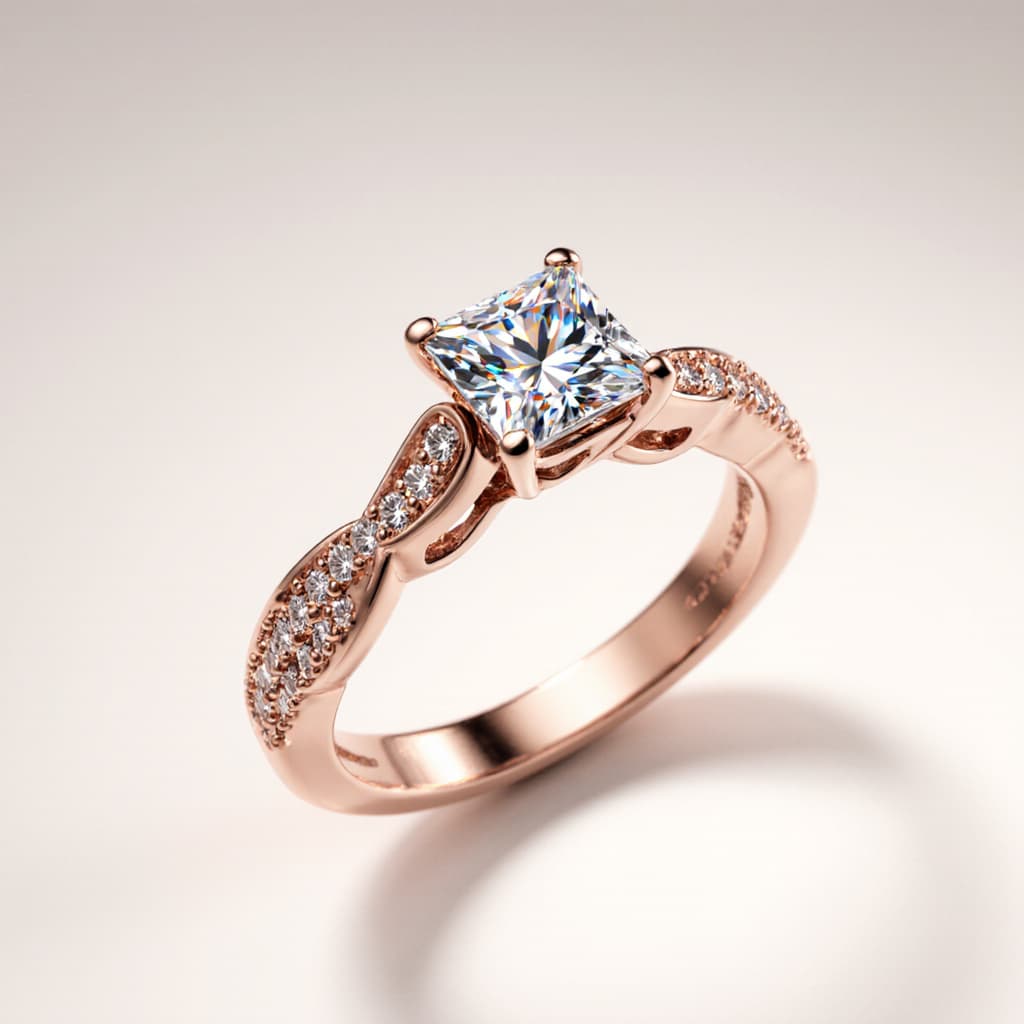
Wedding Bands 2026: The Metal You Should Never Buy (+ 8 Best Styles)
One popular wedding band metal scratches within months — avoid it. Compare platinum vs gold vs titanium with real prices, 8 trending styles, and a width sizing guide for men and women.
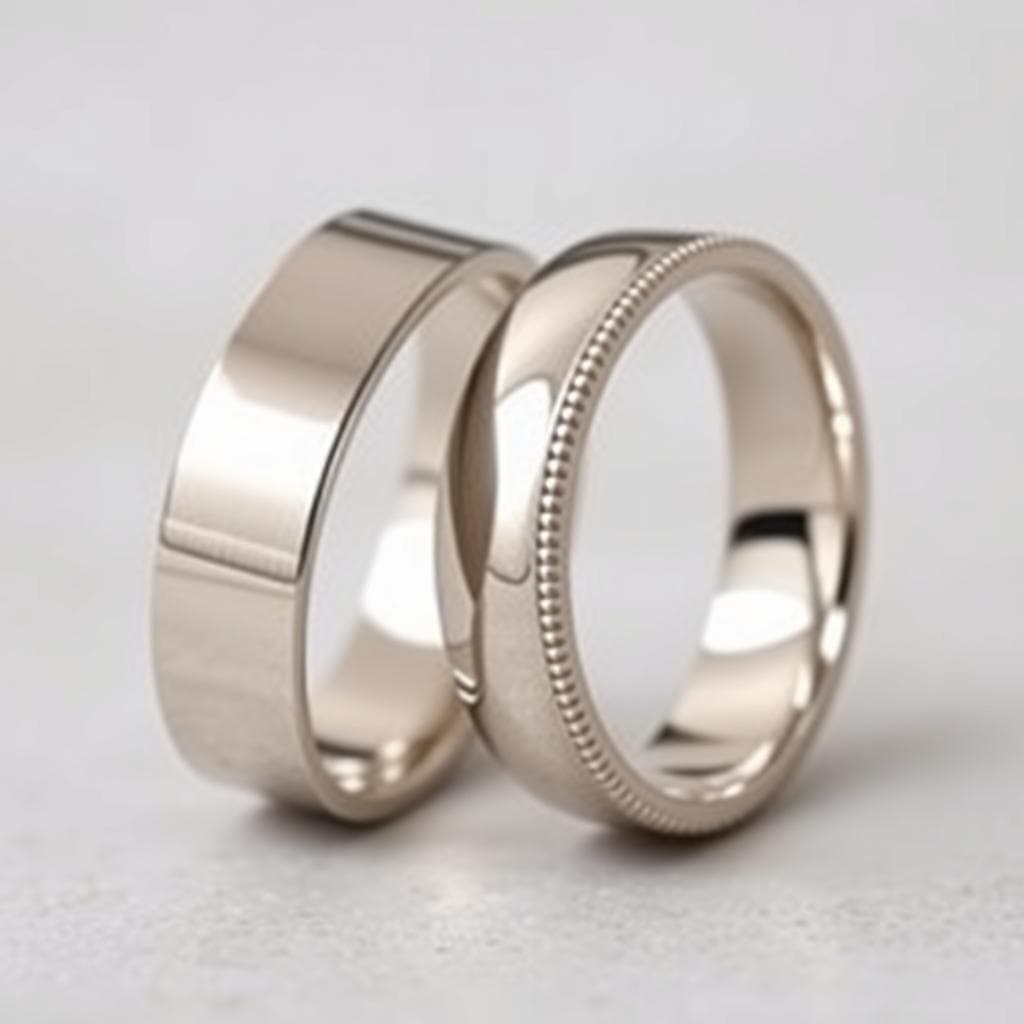
Your engagement ring captures the spotlight during the proposal, but your wedding band is the ring you'll wear every single day for the rest of your life. This symbol of eternal commitment deserves careful consideration.
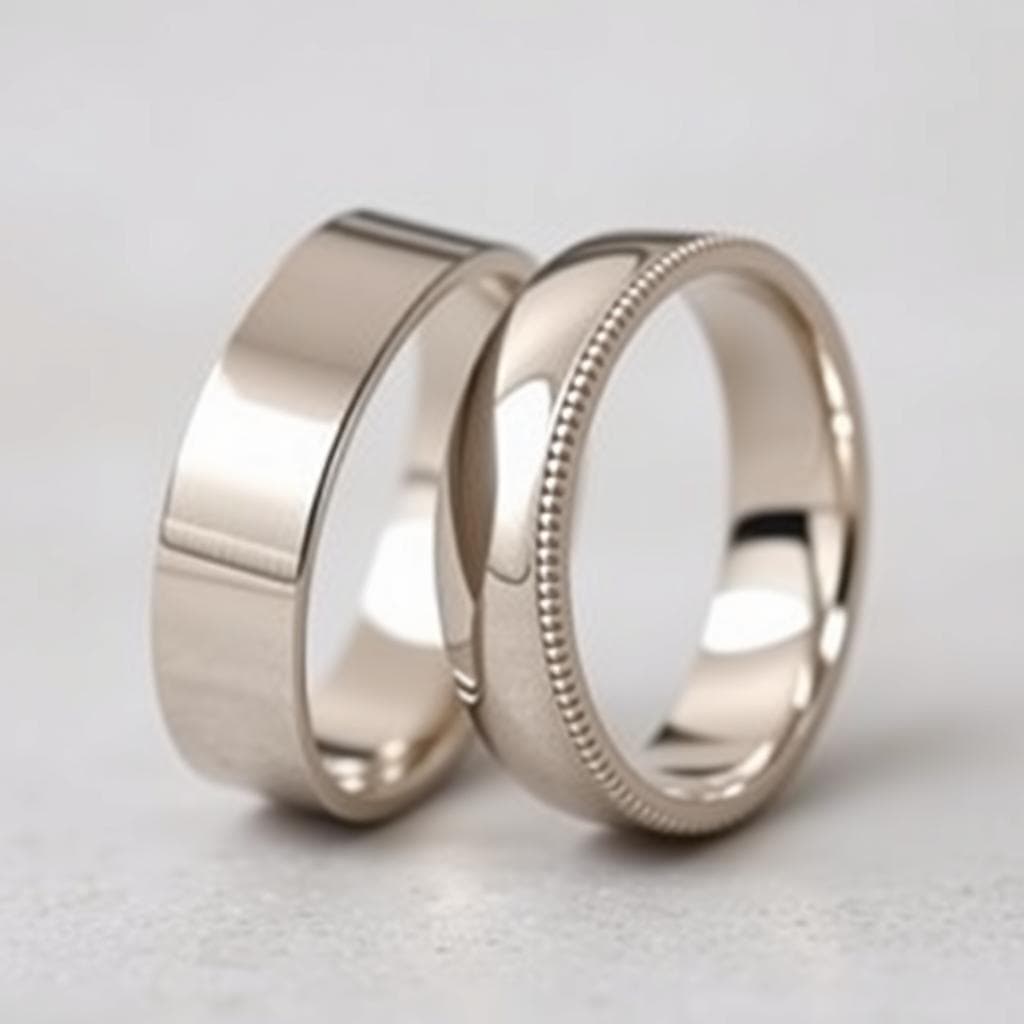
In 2026, the trend of stacking multiple rings continues to grow, and wedding bands have evolved from simple gold circles to statement pieces featuring unique cuts, mixed gemstones, and innovative designs. This comprehensive guide covers history, symbolism, styles, metals, and everything you need to find your perfect wedding band.
The History and Symbolism of Wedding Bands
Understanding the rich history behind wedding bands adds deeper meaning to this timeless tradition.
Ancient Origins
Ancient Egypt (c. 3000 BCE): The earliest known wedding rings were made from braided reeds and rushes. Egyptians chose the circle as a symbol of eternity—representing a shape with no beginning or end, reflecting the eternal nature of the sun and moon.
Ancient Rome: Romans transformed rings from simple love tokens to symbols of ownership, trust, and commitment. The groom would present a ring to the bride as a public pledge of care. Romans also popularized the belief that a vein in the fourth finger of the left hand—the vena amoris or "vein of love"—connected directly to the heart. Though anatomically incorrect, this romantic notion established the tradition of wearing wedding rings on the left hand that persists today.
Medieval and Renaissance Evolution
12th Century Church: The Christian church codified marriage as a holy sacrament and incorporated wedding rings into the official ceremony, cementing their religious significance.
Poesy Rings: Popular during the Renaissance, these bands were inscribed with poetry or romantic sayings (poesy) inside or outside the band—the precursor to modern engraved rings.
Gimmel Rings (1600s): These innovative rings consisted of two or three interlocking bands. Lovers would each wear a band during their engagement, then reunite them into a single ring worn by the bride after the wedding—a beautiful symbol of two becoming one.
Gemstone Symbolism: Medieval Europeans began setting rings with precious gems, each carrying meaning: rubies for passion, sapphires for the heavens, and diamonds for steadfast strength.
Modern Significance
World War II: The tradition of both partners wearing wedding bands only became widespread during WWII, when American and European soldiers wore rings to remember their spouses back home. Before this, only women typically wore wedding rings.
Today's Symbolism: The wedding band remains a powerful daily symbol of:
- Eternal Love (the unbroken circle)
- Commitment and Faithfulness (the core vow)
- Equality (exchanged mutually between partners)
- Public Declaration of partnership
Wedding Band Styles: Complete Overview
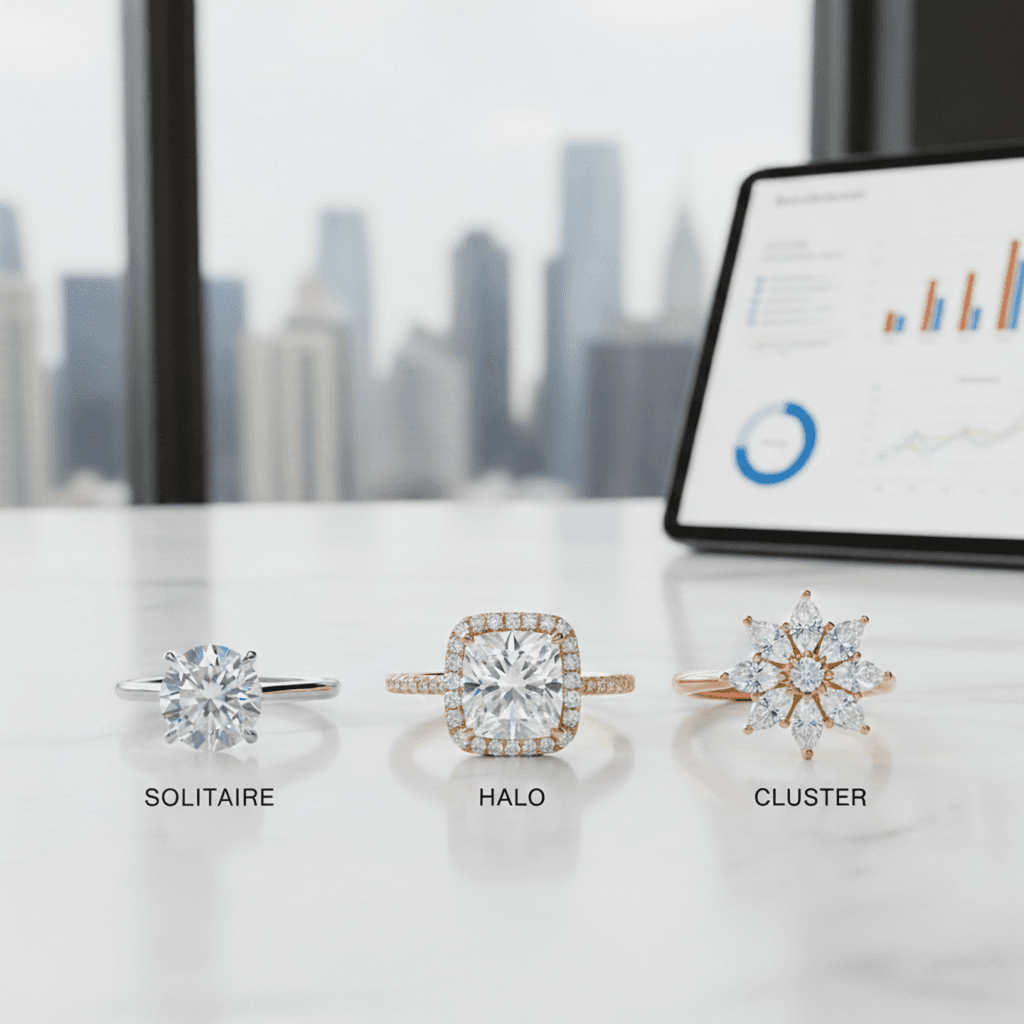
Plain Bands (Classic)
The timeless choice. Plain wedding bands feature a solid metal band without gemstones—clean, simple, and enduring.
Best for:
- Minimalist aesthetics
- Active lifestyles (no stones to snag or lose)
- Those wanting the engagement ring as the focal point
- Easy, low-maintenance care
Popular profiles:
- Comfort Fit: Domed interior for all-day comfort—highly popular for daily wear
- Flat: Modern, architectural look with crisp edges
- Court/D-shape: Rounded exterior, flat interior
- Knife Edge: Angular V-shaped profile for a distinctive look
Width recommendations:
- Women: 2mm-4mm (2-3mm most popular)
- Men: 4mm-8mm (6mm classic choice)
Eternity Bands
Eternity bands feature an uninterrupted line of diamonds or gemstones encircling the entire ring—the ultimate symbol of never-ending love.
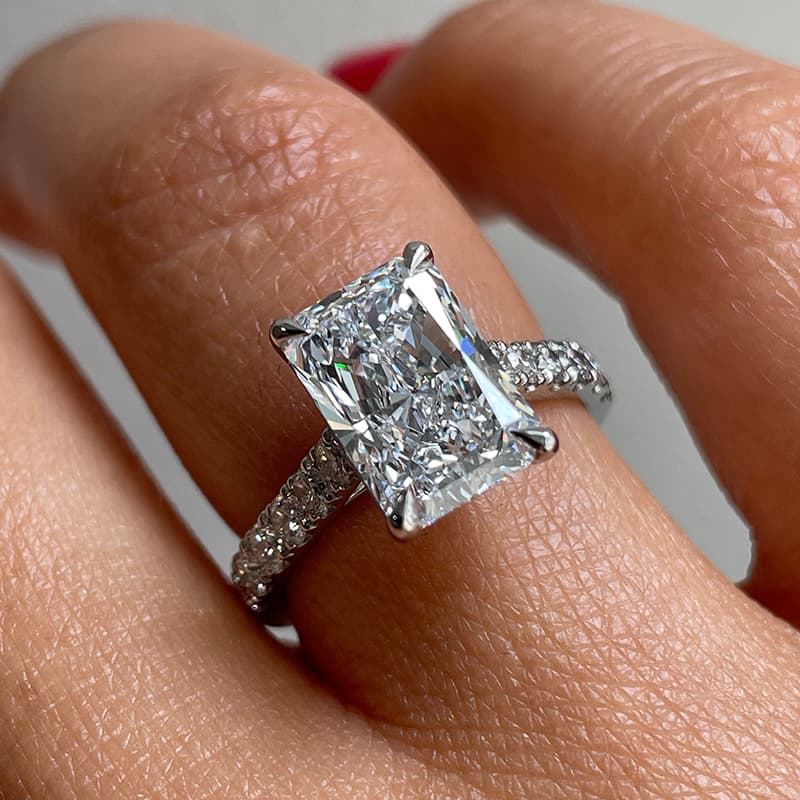
Full Eternity vs Half Eternity:
| Type | Description | Pros | Cons |
|---|---|---|---|
| Full Eternity | Stones around entire band | Maximum sparkle, deeply symbolic | Cannot be resized, palm-side stones wear faster |
| Half Eternity | Stones on top half only | Can be resized, more comfortable | Less sparkle from side views |
| Three-Quarter | Stones on 75% of band | Balance of sparkle and practicality | Limited resizing options |
2026 Eternity Trends:
- Mixed gemstones (sapphires, emeralds, salt-and-pepper diamonds)
- Non-traditional cuts (emerald-cut, baguette, marquise arranged side-by-side)
- Chunky, statement styles designed to be worn alone
Curved & Contoured Bands
Designed to fit flush against engagement rings with prominent center stones or unique shapes—essential for seamless stacking.
Types:
- Curved/Contoured: Gentle wave hugging the engagement ring
- V-shaped/Chevron: Pointed design creating a modern edge
- Notched: Custom-cut notch accommodating specific engagement ring shapes
Why they're trending in 2026: V-shaped bands have become a top choice, symbolizing "being together forever" with their embrace-like design. With more brides stacking rings than ever, curved designs ensure gap-free, cohesive looks.
Channel-Set Bands
Diamonds or gemstones secured between two parallel metal walls (channels), creating a smooth, streamlined surface.
Advantages:
- Secure setting—stones protected on all sides
- Sleek, modern appearance
- No prongs to catch on fabric
- Easier to clean than pavé settings
Pavé Bands
Tiny diamonds set closely together across the band's surface, held by small prongs or beads for maximum sparkle.
Variations:
- Micro-pavé: Very small diamonds (under 0.01 carats each)
- French pavé: V-shaped grooves between stones allowing extra light
- Scalloped pavé: Curved metal edges creating decorative pattern
Milgrain & Vintage-Inspired Bands
Feature decorative beaded edges (milgrain) and intricate metalwork inspired by antique designs.
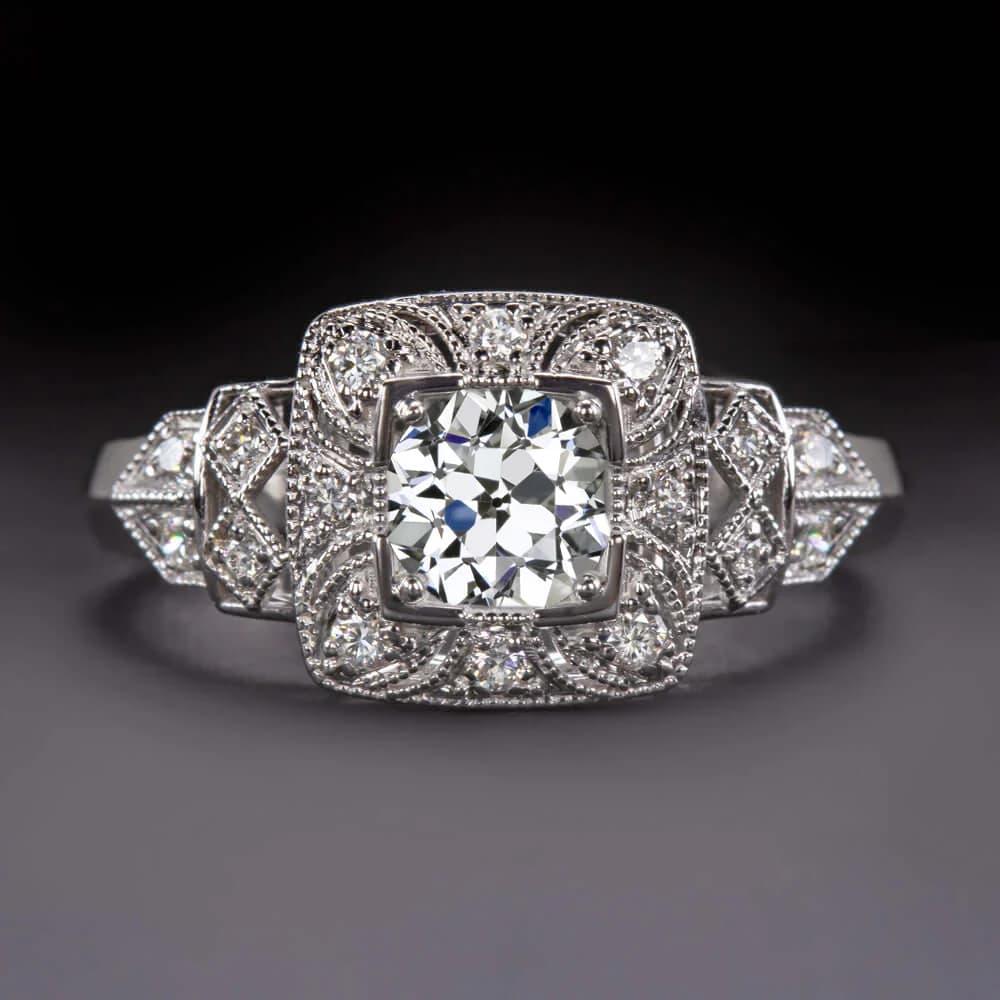
Characteristics:
- Delicate beaded borders along edges
- Filigree or scrollwork patterns
- Art Deco or Victorian aesthetic
- Hand-engraved details
Wedding Band Metals: Complete Comparison
Choosing the right metal affects durability, appearance, comfort, and cost. Here's your comprehensive guide.
Precious Metals
Platinum
The premium choice—dense, durable, and prestigious.
| Property | Detail |
|---|---|
| Purity | Usually 95% pure (vs. 58-75% for gold) |
| Weight | 60% heavier than gold—substantial feel |
| Durability | Doesn't wear away; metal displaces rather than sheds |
| Hypoallergenic | Safe for sensitive skin |
| Patina | Develops distinguished matte finish over time |
| Cost | 40-60% more expensive than gold |
Best for: Those wanting the highest quality, hypoallergenic needs, long-term durability.
Gold
The classic choice, available in three colors.
Yellow Gold — Back in the spotlight for 2026 after years of white metal dominance.
| Karat | Gold Content | Durability | Color | Best For |
|---|---|---|---|---|
| 24K | 99.9% | Soft, scratches easily | Rich yellow | Not for daily wear |
| 18K | 75% | Good | Warm yellow | Luxury, sensitive skin |
| 14K | 58.3% | Excellent | Classic yellow | Daily wear, best value |
| 10K | 41.7% | Most durable | Lighter yellow | Budget-conscious, active lifestyles |
Karat claims on US wedding bands fall under the FTC's Jewelry, Precious Metals, and Pewter Industries Guides — that's why every gold spec you see is in 24/22/18/14/10K rather than freeform percentages.
White Gold — Yellow gold alloyed with white metals (palladium or nickel), rhodium-plated for bright finish.
- Rhodium plating wears off (1-3 years)—requires re-plating
- Nickel alloys can cause allergic reactions
- More affordable than platinum
Rose Gold — Romantic pink hue from copper alloy.
- Does not require plating
- Copper content increases durability
- Flattering on all skin tones
- Not hypoallergenic (copper content)
Palladium
Platinum's lighter, more affordable cousin.
- Same platinum family (precious metal)
- Naturally white (no plating needed)
- Lighter weight than platinum
- Hypoallergenic
- 30-40% less expensive than platinum
Alternative Metals
| Metal | Characteristics | Pros | Cons |
|---|---|---|---|
| Tungsten | Extremely hard, heavy, polished finish | Scratch-resistant, affordable, keeps polish for decades | Cannot be resized, can shatter under extreme pressure |
| Titanium | Lightweight, very strong | Hypoallergenic, great for active lifestyles, affordable | Cannot be resized, limited design options |
| Ceramic | Made from titanium carbide | Scratch-resistant, available in colors (black), affordable | Can chip or crack |
| Silicone | Flexible rubber-like material | Safety band for athletes/tradespeople, non-conductive, comfortable | Not precious, casual appearance |
Two-Tone & Mixed Metals
Mixing metals remains a hot 2026 trend, allowing personalized combinations.
Popular combinations:
- Yellow gold + white gold
- Rose gold + platinum
- Yellow gold + rose gold
Styling tip: Your wedding band doesn't need to match your engagement ring. Intentionally mixing metals creates visual interest.
How to Match Wedding Band with Engagement Ring
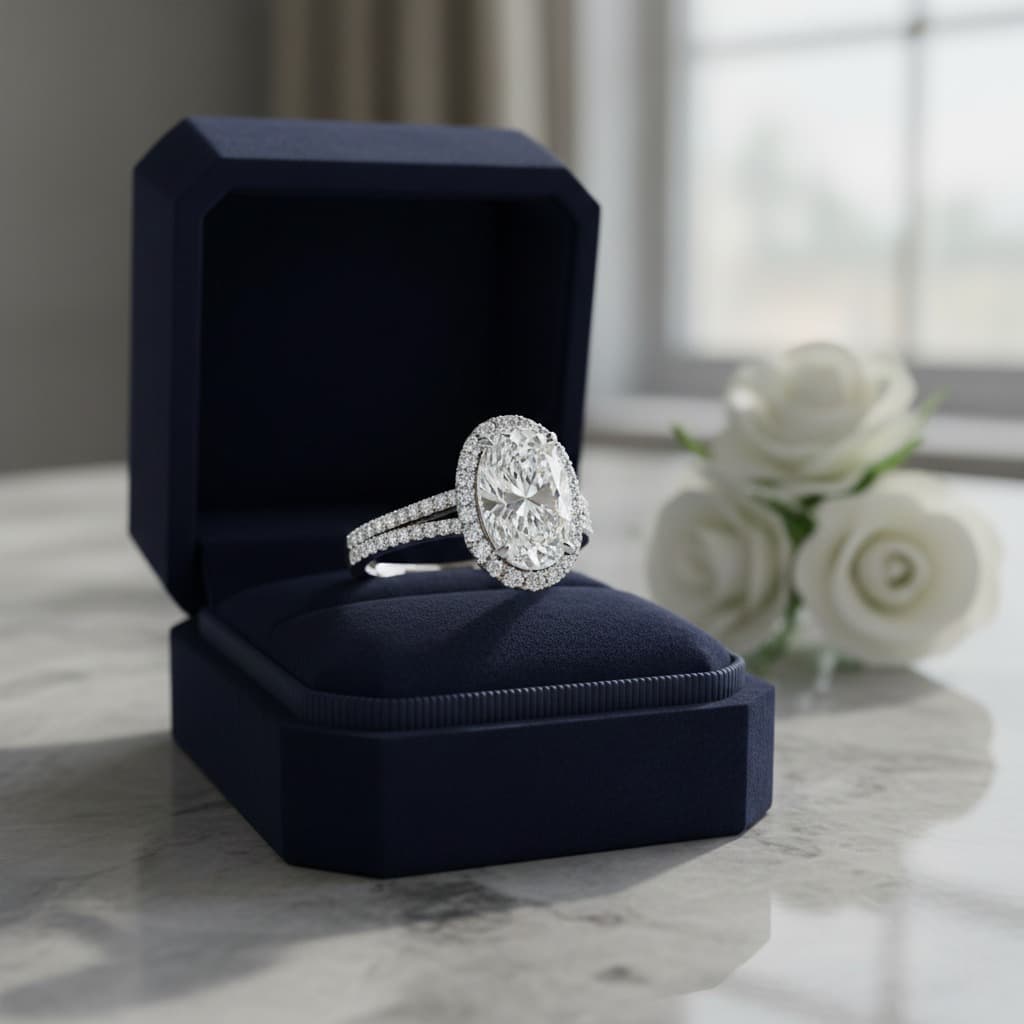
The Flush Fit Test
Before purchasing, test your wedding band with your engagement ring:
- Place both rings on your finger
- Check for gaps between the rings
- Ensure both sit comfortably without tilting
- View from all angles—top, side, and profile
Matching Strategies
Option 1: Perfectly Matched Set
- Same metal color
- Complementary widths
- Coordinating design elements
- Many jewelers offer bridal sets designed together
Option 2: Curved/Contoured Band
- Custom-fit to your specific engagement ring shape
- Eliminates gaps from prominent center stones
- Essential for solitaires, halos, and three-stone rings
Option 3: Intentional Contrast
- Different metals (rose gold band + white gold engagement ring)
- Different styles (plain band + ornate engagement ring)
- Statement band that stands on its own
Width Proportions
| Engagement Ring Style | Recommended Band Width |
|---|---|
| Delicate solitaire (under 0.5ct) | 1.5mm - 2mm |
| Classic solitaire (0.5-1ct) | 2mm - 2.5mm |
| Statement ring (over 1ct or halo) | 2.5mm - 3.5mm |
| Wide band engagement ring | Match width or slightly narrower |
2026 Wedding Band Trends
1. Statement Bands Worn Solo
Brides want wedding bands that can stand alone as showpieces:
- Oversized oval or emerald-cut diamonds
- Wide pavé-set rows
- Chunky eternity styles
2. V-Shaped & Chevron Bands
The romantic "embrace" shape continues as a top 2026 choice. The pointed design symbolizes two lives converging.
3. East-West Settings
Diamonds set horizontally rather than vertically—modern, elongated, distinctive.
4. Mixed Gemstone Eternity
Instead of identical round diamonds:
- Alternating sapphires and diamonds
- Rainbow arrangements
- Salt-and-pepper diamonds
- Fancy cuts in sequence (baguette, marquise, emerald)
5. Lab-Grown Diamond Bands
Lab-grown diamonds now account for over 50% of engagement ring sales. Cost savings enable:
- Full eternity instead of half
- Higher total carat weight
- Better quality stones throughout
6. Stacking Culture
Multiple bands worn together—mixing plain, diamond, and gemstone bands. Curved designs ensure seamless stacking.
Wedding Band Cost Guide
The cost varies dramatically based on material, design complexity, and diamond content.
Price Ranges (US Market)
| Style | Price Range | Notes |
|---|---|---|
| Plain 14K gold (women's) | $200-$600 | Width and weight affect price |
| Plain 14K gold (men's) | $300-$800 | Wider bands cost more |
| Plain platinum | $500-$1,500 | Premium for weight and purity |
| Tungsten/Titanium | $50-$300 | Affordable alternative metals |
| Diamond half-eternity (14K) | $500-$2,500 | Depends on carat weight/quality |
| Diamond full eternity (14K) | $1,000-$5,000+ | Cannot be resized |
| Pavé band (14K) | $400-$1,500 | Diamond quality varies |
| Custom curved band | $300-$2,000+ | Complexity and materials |
Average spend:
- Men's wedding bands: $500-$700
- Women's wedding bands (with diamonds): $1,000-$2,500
Budget tip: Lab-grown diamonds cost 70-80% less than natural diamonds for equivalent appearance.
Wedding Band Buying Checklist
Before You Shop
- Know your ring size (measure at different times—fingers swell/shrink)
- Set realistic budget ($200-$3,000+ depending on materials)
- Decide matching vs. contrasting style
- Consider lifestyle (active? manual work?)
- Check engagement ring—will it need a curved band?
Questions to Ask
- Can this ring be resized? (Full eternity bands cannot)
- What's the warranty/guarantee?
- Does white gold include rhodium re-plating service?
- Is the metal hypoallergenic? (Important for nickel allergies)
- What's the total carat weight? (For diamond bands)
Sizing Tips
- Comfort fit interiors recommended for 24/7 wear
- Wide bands typically need sizing up 1/4 to 1/2 size
- Pregnancy, weight changes, temperature affect size
- Many couples wait closer to wedding for final sizing
Design Your Wedding Band with Tashvi AI
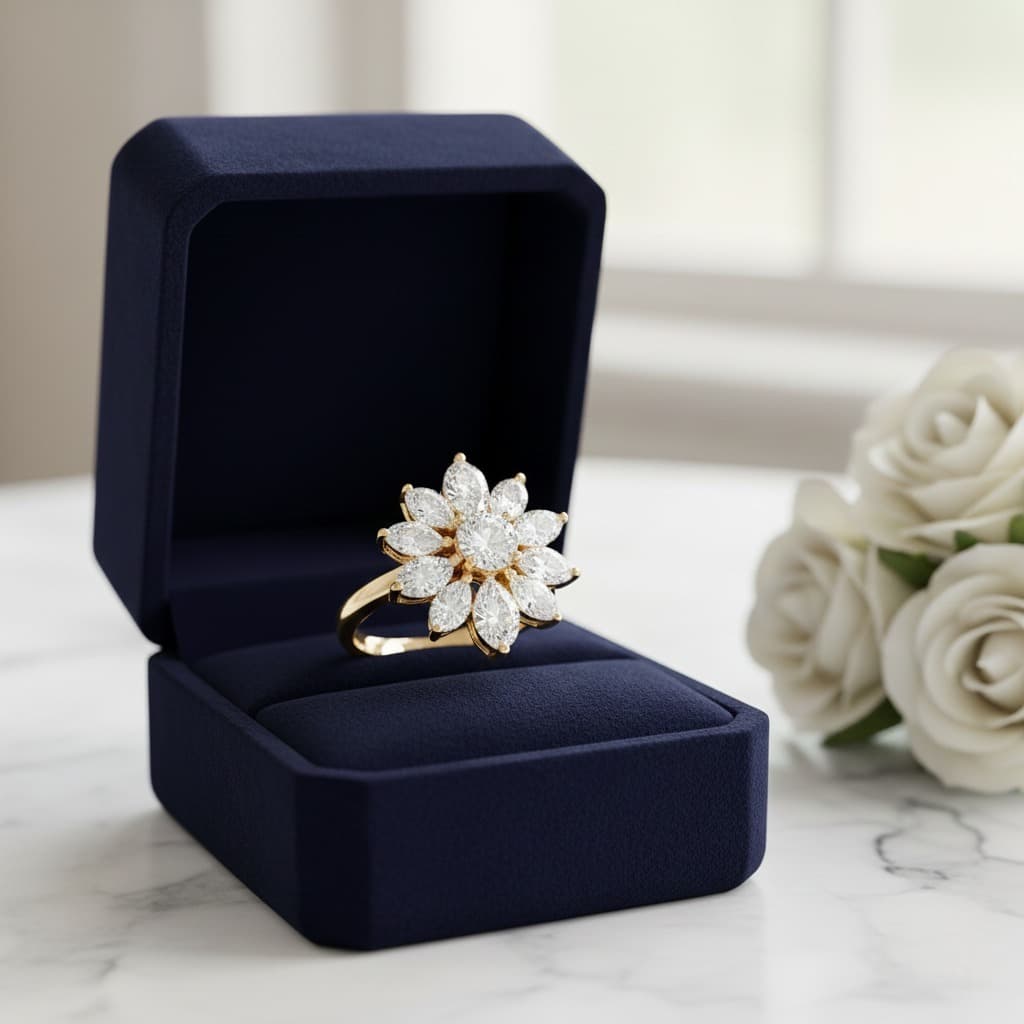
Finding the perfect wedding band that complements your engagement ring can be challenging. Tashvi AI helps you visualize different combinations before committing.
What You Can Explore
Band Styles:
Curved wedding band to fit flush with oval halo engagement ring,
14K yellow gold, 2mm width with micro-pavé diamonds
Stacking Combinations:
Three-ring stack: plain rose gold band, diamond eternity band,
and contoured band, all 2mm width for cohesive look
Mixed Metals:
Platinum engagement ring paired with yellow gold curved wedding band,
vintage milgrain detailing
From Design to Reality
Use Tashvi AI to:
- Test different band widths against your engagement ring
- Compare metal colors and combinations
- Visualize eternity vs. half-eternity options
- Generate reference images for your jeweler
Start designing your wedding band →
Men's Wedding Bands: Quick Guide
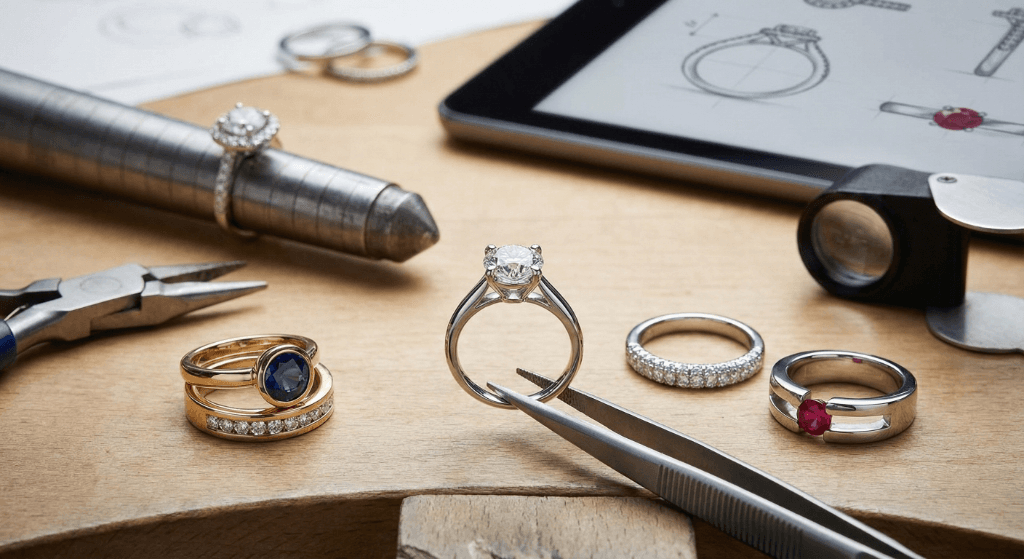
Popular Styles
- Classic Domed/Comfort Fit: Rounded, traditional—most popular
- Flat Band: Modern, architectural with crisp edges
- Inlaid/Textured: Wood, meteorite, carbon fiber inlays
- Hammered/Brushed: Textured finishes for character
- Black Metals: Tungsten, titanium, or ceramic in black
Width Guidelines
- Slim: 4mm (delicate look)
- Classic: 6mm (most popular)
- Bold: 8mm+ (makes a statement)
Considerations
- Tungsten and titanium cannot be resized
- Some workplaces prohibit metal rings (silicone alternatives)
- Comfort fit essential for wider bands
Caring for Your Wedding Band
Daily Care
- Remove before heavy manual work
- Avoid harsh chemicals (chlorine, cleaning products)
- Remove when applying lotions or perfumes
Regular Cleaning
- Mild soap and warm water
- Soft toothbrush for diamond bands
- Professional cleaning every 6-12 months
When to Remove
- Swimming (chlorine damages gold)
- Gym/weightlifting (prevents deformation)
- Gardening/heavy cleaning
- Sleeping (reduces wear)
Frequently Asked Questions
What is the difference between a wedding band and a wedding ring?
The terms are often used interchangeably. Traditionally, "wedding band" refers to a simpler ring exchanged during the ceremony, while "wedding ring" can include elaborate designs with diamonds or gemstones. Today, both describe the ring symbolizing marriage.
Should the wedding band match the engagement ring?
Not necessarily. While matching metals create a cohesive look, mixing metals is a major 2026 trend. The key factor is that both rings sit comfortably together. Curved or contoured bands fit flush against engagement rings with prominent center stones.
Why do we wear wedding rings on the left hand?
Ancient Romans believed the vena amoris ("vein of love") in the fourth finger of the left hand connected directly to the heart. Though anatomically incorrect, this romantic tradition persists in many Western cultures.
How wide should a wedding band be?
- Women: 2mm-4mm (2-3mm most popular)
- Men: 4mm-8mm (6mm classic)
Consider finger size, engagement ring width, and style. Wide bands may require sizing up 1/4 to 1/2 size.
What is the most durable wedding band metal?
Platinum is the most durable precious metal, followed by palladium. For gold, 14K is more durable than 18K due to higher alloy content. Tungsten and titanium are extremely scratch-resistant but cannot be resized.
What is an eternity band?
An eternity band features an uninterrupted line of diamonds or gemstones encircling the entire ring, symbolizing eternal love. Half-eternity bands have stones only on top for comfort and resizing ability.
When should I buy my wedding band?
Purchase 2-3 months before the wedding for:
- Sizing adjustments
- Custom orders if needed
- Engraving (if desired)
- Final resizing closer to the date
Conclusion
Your wedding band is more than a symbol—it's jewelry you'll wear every day, carrying thousands of years of tradition and meaning. Whether you choose a classic plain band, sparkling eternity ring, or trendy V-shaped design, the right wedding band should feel comfortable, complement your engagement ring, and reflect your personal style.
In 2026, there are no rules. Mix metals, stack multiple bands, choose colored gemstones, or keep it timeless with a simple gold circle. The best wedding band is the one that brings you joy every time you look at your hand.
Related Guides:
Frequently Asked Questions
Quick answers to the questions readers ask most about this guide.
What is the difference between a wedding band and a wedding ring?
The terms are often used interchangeably. Traditionally, 'wedding band' refers to a simpler ring exchanged during the ceremony, while 'wedding ring' can include elaborate designs with diamonds. Today, both terms describe the ring symbolizing marriage.
Should the wedding band match the engagement ring?
Not necessarily. While matching metals create a cohesive look, mixing metals is a major 2026 trend. The key is that both rings sit comfortably together. Curved or contoured bands fit flush against engagement rings with prominent center stones.
How wide should a wedding band be?
Women's bands typically range 2mm-4mm (2-3mm most popular). Men's bands range 4mm-8mm (6mm classic choice). Consider finger size, engagement ring width, and personal style. Wide bands may need sizing up 1/4 to 1/2 size.
What is the most durable wedding band metal?
Platinum is the most durable precious metal, followed by palladium. 14K gold is more durable than 18K due to higher alloy content. Tungsten and titanium are extremely scratch-resistant but cannot be resized.
Why do we wear wedding rings on the left hand?
Ancient Romans believed a vein in the fourth finger of the left hand (vena amoris or 'vein of love') connected directly to the heart. Though anatomically incorrect, this romantic tradition persists in many Western cultures today.
What is an eternity band?
An eternity band features an uninterrupted line of diamonds or gemstones encircling the entire ring, symbolizing eternal love. Half-eternity bands have stones only on the top half for comfort and allow resizing.