How AI Analyzes Customer Feedback to Improve Jewelry Collections
Learn how AI-powered sentiment analysis and feedback mining tools help jewelry brands extract actionable insights from reviews, social comments, and survey data to inform better product design and collection planning.
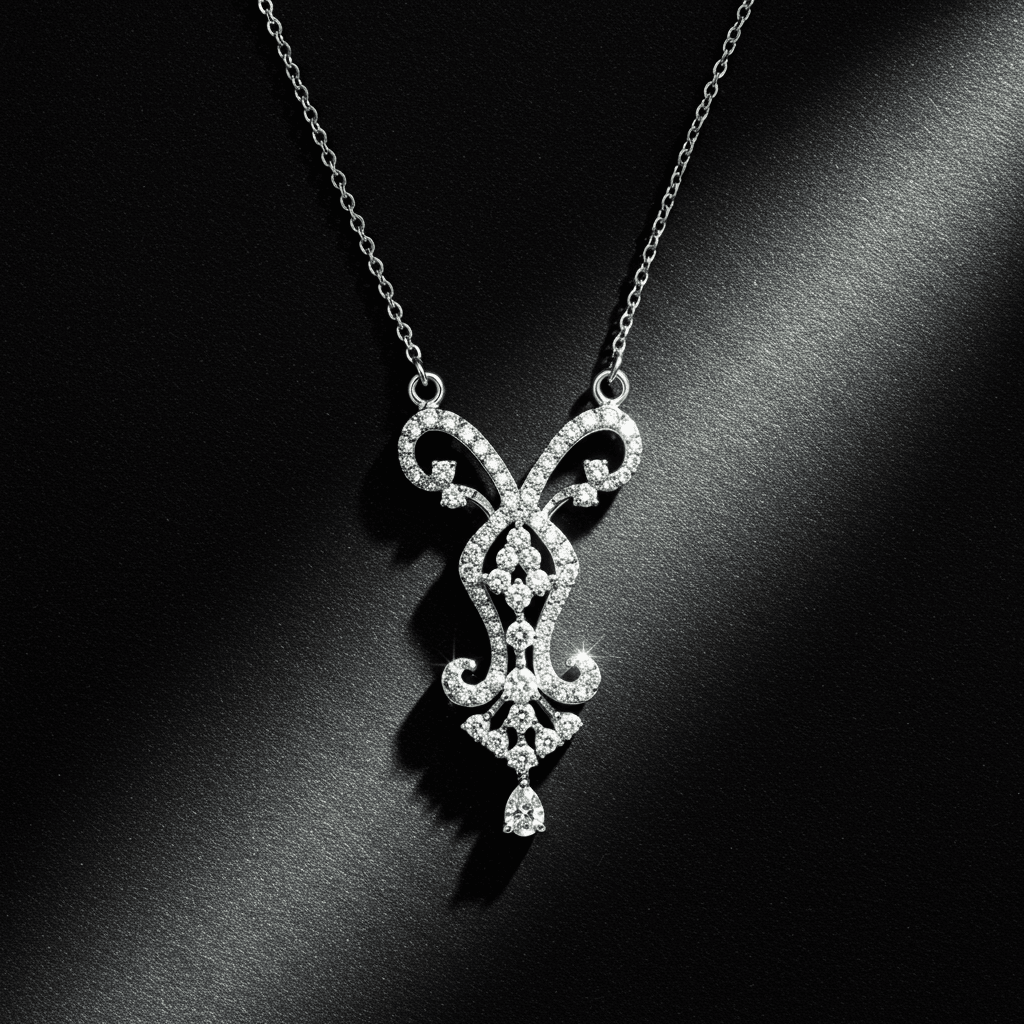
AI-powered feedback analysis tools process thousands of customer reviews, social media comments, and survey responses to reveal patterns in jewelry preferences, recurring complaints, and unmet desires that directly inform collection planning, product improvement, and marketing strategy for jewelry brands of every size.
The Feedback Gold Mine
Jewelry businesses generate enormous amounts of customer feedback across multiple channels. Product reviews on your website and marketplaces, social media comments, direct messages, customer service conversations, return reasons, and survey responses collectively contain invaluable insights about what customers want.
The problem is volume and structure. Manually reading and synthesizing thousands of feedback entries across multiple platforms is impractical. Important patterns hide within the noise of individual opinions. Critical insights get buried in data that no human team can process comprehensively.
AI-Powered Feedback Analysis
Sentiment Classification
Natural language processing models classify feedback as positive, negative, or neutral while identifying the specific aspects being praised or criticized. "Love the design but the clasp feels cheap" contains both positive sentiment (design) and negative sentiment (clasp quality), which AI separates and categorizes.
This granular analysis reveals which elements of your jewelry drive satisfaction and which create disappointment, often with surprising specificity.
Topic Extraction
AI groups feedback into thematic categories automatically. Common jewelry feedback topics include design appeal, metal quality, gemstone appearance, comfort and fit, clasp functionality, packaging experience, delivery speed, and value perception.
| Feedback Topic | What AI Reveals | Action Opportunity |
|---|---|---|
| Metal quality | Tarnishing complaints spike for certain pieces | Improve plating or change alloy |
| Comfort | Ring bands feel sharp on certain styles | Refine profile during CAD stage |
| Clasp | Difficulty operating certain closures | Redesign or switch clasp type |
| Size | Consistent sizing issues for specific categories | Adjust sizing guide or production |
| Style | Requests for styles not in current collection | Develop new designs |
Trend Detection
AI identifies emerging themes in feedback over time. A gradual increase in requests for rose gold across multiple product categories signals a trend worth acting on. Growing mentions of sustainability concerns suggest an opportunity for marketing emphasis or product line expansion.
Competitive Analysis
AI can analyze publicly available reviews of competitor products, revealing strengths and weaknesses in their offerings that inform your competitive positioning. Understanding what customers praise about competitors and what they wish were different provides strategic design direction.
Practical Implementation
Data Collection
Aggregate feedback from all channels into a single analysis pipeline. Product reviews from your website, Etsy, Amazon, and other marketplaces. Social media mentions and comments. Customer service ticket summaries. Post-purchase survey responses.
Analysis Tools
Several AI platforms offer feedback analysis capabilities suitable for jewelry businesses. Dedicated review analysis tools process e-commerce reviews at scale. Social listening platforms monitor brand mentions across social media. General NLP tools process any text data with customizable analysis categories.
Actionable Insights
Transform analysis results into specific actions.
Design improvements. When feedback consistently mentions a specific design element, address it in your next production run or collection update.
New product opportunities. When multiple customers request styles, materials, or categories you do not currently offer, prioritize those additions in collection planning.
Marketing messaging. Amplify the attributes that customers consistently praise in your advertising and product descriptions. Address common concerns proactively in product pages and FAQs.
Quality control. When negative feedback concentrates on specific production issues, investigate and resolve the root cause.
Connecting Feedback to Design
The most powerful application of feedback analysis is closing the loop between customer input and design decisions. When AI reveals that customers love your vintage-inspired pieces but wish for more contemporary options, you can explore that direction immediately using AI design tools.
Generate concepts that blend your popular vintage aesthetic with modern elements. Test these concepts with select customers before committing to production. Use the feedback on concepts to refine further before launch. This rapid cycle from insight to concept to validation compresses what traditionally took months into weeks.
How Tashvi AI Supports Feedback-Driven Design
When customer feedback reveals demand for specific styles, metals, or design elements, Tashvi AI enables immediate exploration of those directions. Generate dozens of concept variations that respond to customer requests, visualize how popular design elements work in new combinations, and create the product imagery needed to test market interest through social media and marketing channels.
This rapid response capability means that customer feedback translates into visible design action within days rather than months, demonstrating responsiveness that builds brand loyalty and customer engagement.
Try designing on Tashvi AI free
Building a Feedback Culture
Technology enables feedback analysis, but organizational culture determines whether insights become actions. Create regular feedback review sessions where design, production, and marketing teams examine AI-generated insights together. Assign ownership for addressing the most impactful findings. Track whether changes based on feedback actually improve customer satisfaction in subsequent reviews.
The best AI tools for jewelry businesses are those that connect customer voice to design action, creating a continuous improvement cycle that keeps your collections aligned with market desire.
Frequently Asked Questions
Quick answers to the questions readers ask most about this guide.
How does AI analyze jewelry customer feedback?
AI uses natural language processing to read thousands of reviews, social media comments, and survey responses, identifying patterns in what customers love, dislike, and want changed. It categorizes feedback by topic, sentiment, and urgency to highlight actionable insights.
What types of feedback can AI process for jewelers?
AI processes product reviews, social media comments and mentions, customer service conversations, survey responses, return reason codes, and even voice transcripts from consultations. Any text-based feedback source can be analyzed at scale.
How accurate is AI sentiment analysis for jewelry?
Modern NLP models achieve 85 to 90 percent accuracy in classifying jewelry feedback sentiment. Accuracy improves when models are trained on jewelry-specific language, understanding that 'heavy' can be positive for a gold bracelet but negative for earrings.
Can small jewelry businesses benefit from AI feedback analysis?
Yes. Even businesses with modest review volumes gain value from AI analysis. Free and low-cost tools can analyze your existing reviews to identify common praise themes and recurring complaints, informing product improvements and marketing messaging.
How does feedback analysis improve collection planning?
AI identifies trending preferences for metals, stones, styles, and price points across your customer base. This data directly informs collection planning by revealing gaps between what customers want and what you currently offer.