The Impact of Gold Price Surges on Jewelry Retail Sales
Gold prices hovering near record highs are reshaping jewelry retail in 2026. Discover how surging gold costs affect consumer buying patterns, retailer margins, design choices, and market strategies across the fine jewelry industry.
Gold prices fluctuating between $2,200 and $2,600 per ounce in 2026 have created a complex environment for jewelry retailers, designers, and consumers alike. The sustained period of elevated gold prices is driving significant changes in product design, consumer purchasing patterns, and retail strategy across the fine jewelry industry. Understanding these dynamics is essential for anyone in the jewelry business, from independent designers using AI tools to create collections to large retail chains managing multi-million-dollar inventories.
The Gold Price Landscape in 2026
Gold has maintained a position near historical highs throughout 2026, driven by a combination of geopolitical uncertainty, central bank purchasing, currency hedging activity, and sustained investment demand. While price volatility has created periods of both relief and concern for the jewelry industry, the overall trend has been one of persistently elevated prices that show few signs of returning to pre-2020 levels.
For context, gold prices averaged approximately $1,800 per ounce in 2022 and have since climbed by roughly 30 to 45 percent. This cumulative increase has had a cascading effect throughout the jewelry value chain, from mining and refining through manufacturing and retail.
| Year | Average Gold Price (USD/oz) | YoY Change |
|---|---|---|
| 2022 | $1,800 | - |
| 2023 | $1,940 | +7.8% |
| 2024 | $2,150 | +10.8% |
| 2025 | $2,350 | +9.3% |
| 2026 (YTD) | $2,420 | +3.0% |
How Retailers Are Feeling the Impact
Margin Compression
The most immediate impact of rising gold prices on retailers is margin pressure. Jewelry retailers typically price products with markups that account for material costs, labor, overhead, and profit. When gold prices rise rapidly, retailers face a choice between absorbing the increased cost (reducing margins) or passing it through to consumers (risking volume declines).
Most retailers have implemented a hybrid approach, passing through a portion of the increase while absorbing the rest. Industry surveys suggest that retail margins on gold jewelry have compressed by approximately 3 to 5 percentage points over the past three years as brands attempt to balance profitability with consumer accessibility.
Inventory Valuation Effects
For retailers holding significant gold jewelry inventory, rising prices create a windfall effect. Inventory purchased at lower gold prices appreciates in value, boosting paper profits and allowing retailers to sell existing stock at higher margins. However, this benefit is temporary and reverses when it comes time to replenish inventory at current market prices.
Smart retailers have adjusted their inventory management practices in response. Many are carrying leaner inventories, relying more heavily on made-to-order and quick-turn manufacturing models, and using hedging strategies to manage gold price exposure.
Cash Flow Challenges
Higher gold prices mean higher working capital requirements for jewelry businesses. Purchasing raw materials, maintaining inventory, and extending customer payment terms all become more capital-intensive when the underlying material costs more. This disproportionately affects smaller retailers and independent jewelers who have less access to credit facilities and hedging instruments.
Consumer Behavior Changes
The Karat Shift
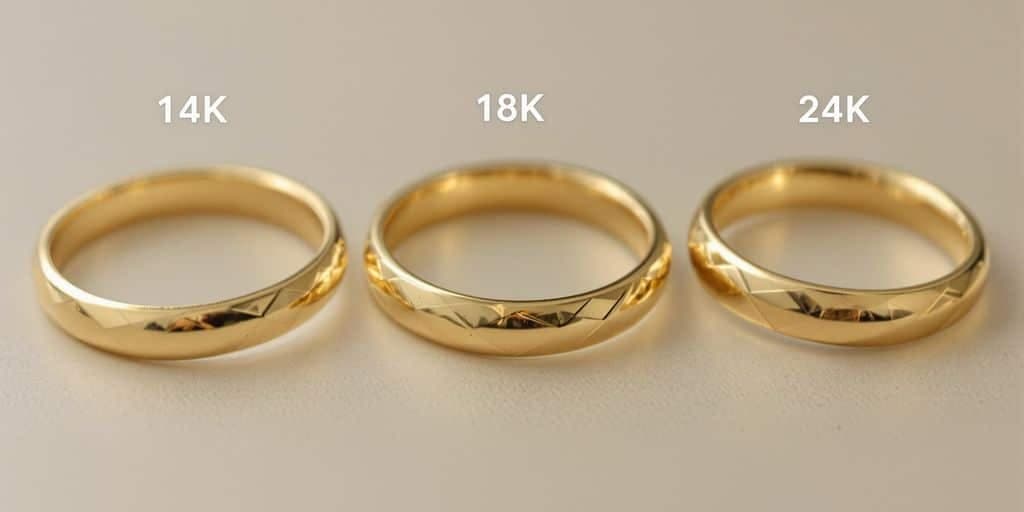
One of the most measurable consumer responses to gold price surges has been a shift in preferred karat weights. Sales data shows a clear migration from higher karats to lower karats across multiple markets.
In markets where 24K and 22K gold traditionally dominated, such as India and the Middle East, there has been a modest but notable shift toward 18K and even 14K options. In Western markets where 14K has been the standard, 10K gold has gained market share.
This karat migration allows consumers to maintain the appearance of gold jewelry while reducing the actual gold content and therefore the price. It represents a pragmatic compromise between desire and affordability.
Design Preferences Evolving
High gold prices have influenced design preferences in measurable ways. Lighter, more delicate designs have gained popularity as they use less metal while maintaining visual appeal. Hollow and semi-hollow construction techniques that create the impression of substantial gold pieces while minimizing actual gold weight have become more prevalent.
Chain jewelry and layered looks remain popular partly because fine chains use relatively small amounts of gold while creating significant visual impact. Mixed-media designs that combine gold with other materials, fabrics, leather, or alternative metals also allow designers to feature gold as an accent rather than the primary material.
Gold as Investment Motivation
Paradoxically, high gold prices have also driven some consumer segments to increase their gold jewelry purchases. Consumers who view gold jewelry as a store of value are motivated by the same factors driving gold prices higher, purchasing gold jewelry as a hedge against economic uncertainty.
This behavior is particularly pronounced in South Asian and Middle Eastern markets, where gold jewelry has traditionally served as a form of savings and financial security. In these markets, gold price increases can actually stimulate demand during certain periods.
Impact on Different Market Segments
Bridal and Engagement
The bridal segment has been somewhat insulated from gold price impacts because the emotional significance of the purchase typically overrides price sensitivity. However, couples are making adjustments at the margins, opting for slightly simpler band designs, choosing 14K over 18K, or selecting alternative metals like platinum when gold pricing becomes particularly elevated.
Fashion and Demi-Fine
Gold-plated, gold vermeil, and gold-filled jewelry have all seen increased demand as consumers seek the look of gold at more accessible prices. The demi-fine segment, which typically uses solid gold in lower karats combined with genuine gemstones, has benefited from consumers trading up from fashion but not able to afford heavy fine gold pieces.
Investment Grade
Pure gold and high-karat gold jewelry marketed explicitly as investment pieces has seen growing demand, particularly in Asian markets. Brands that provide transparent pricing based on gold weight plus a clearly stated fabrication premium are gaining trust with investment-oriented buyers.
Retailer Adaptation Strategies
Dynamic Pricing Models
Some retailers have moved toward more dynamic pricing models that adjust in response to gold price movements. Rather than maintaining fixed prices for extended periods, these retailers update prices weekly or even daily based on the current gold market. This approach protects margins but requires careful communication to avoid consumer confusion or frustration.
Material Diversification
Retailers are expanding their assortments to include more silver, platinum, and alternative metal options alongside their gold offerings. This diversification provides consumers with choices at multiple price points and reduces the business's dependence on gold price stability.
Design Innovation
The gold price environment has spurred design innovation as jewelers find creative ways to deliver visual impact with less metal. Architectural designs, openwork patterns, and mixed-material approaches allow designers to create stunning pieces that are less gold-intensive. AI design tools have become valuable in this context, enabling rapid exploration of designs optimized for both aesthetics and material efficiency.
How Tashvi AI Helps Navigate Gold Price Volatility
Tashvi AI helps brands adapt to market shifts by enabling rapid design iteration without costly prototyping. When gold prices surge and retailers need to quickly develop lighter, more material-efficient designs, AI-powered tools allow designers to generate and refine concepts in hours rather than weeks. This speed is critical when responding to market conditions that can shift rapidly.
The ability to visualize how a design will look with different material weights, karat options, and construction techniques before committing to physical production helps brands make better decisions about which products to bring to market in a high-gold-price environment.
Try designing on Tashvi AI free
The Path Forward
Gold prices are influenced by macroeconomic factors largely beyond the jewelry industry's control. The most successful jewelry businesses are those that develop operational resilience to gold price volatility, building flexible design capabilities, agile pricing models, diversified material strategies, and strong consumer relationships that transcend any single raw material's price movements. In a world where gold may never return to the prices of a decade ago, adaptation is not optional but essential.
Frequently Asked Questions
Quick answers to the questions readers ask most about this guide.
How do gold price increases affect jewelry retail prices?
Gold price increases directly raise the material cost component of jewelry, but the total retail price impact is moderated by design, labor, gemstone, and brand markup components. A 20 percent increase in gold price might translate to a 10 to 15 percent retail price increase for fine gold jewelry.
Are consumers buying less gold jewelry because of high prices?
Consumers are not abandoning gold jewelry but are adjusting their purchasing behavior. Many are opting for lower karat weights, lighter designs, hollow or semi-hollow construction, and smaller pieces to maintain affordability while still purchasing gold.
What alternatives to gold are gaining popularity due to price increases?
Sterling silver, platinum for certain applications, gold vermeil, gold-filled jewelry, and alternative metals like titanium and tungsten are all seeing increased interest as consumers seek alternatives to solid high-karat gold jewelry.
Do gold price increases benefit or hurt jewelry retailers?
The impact is mixed. Retailers holding inventory see the value of their stock increase, but new inventory costs more, margin percentages may compress, and consumer price sensitivity can reduce sales volume. Net impact depends on inventory management and pricing strategy.
Is gold jewelry still a good purchase when gold prices are high?
Gold jewelry purchased at any price retains intrinsic material value that moves with the gold market. However, retail markups mean the investment value is less than buying gold bullion directly. Gold jewelry offers combined aesthetic, emotional, and store-of-value benefits.