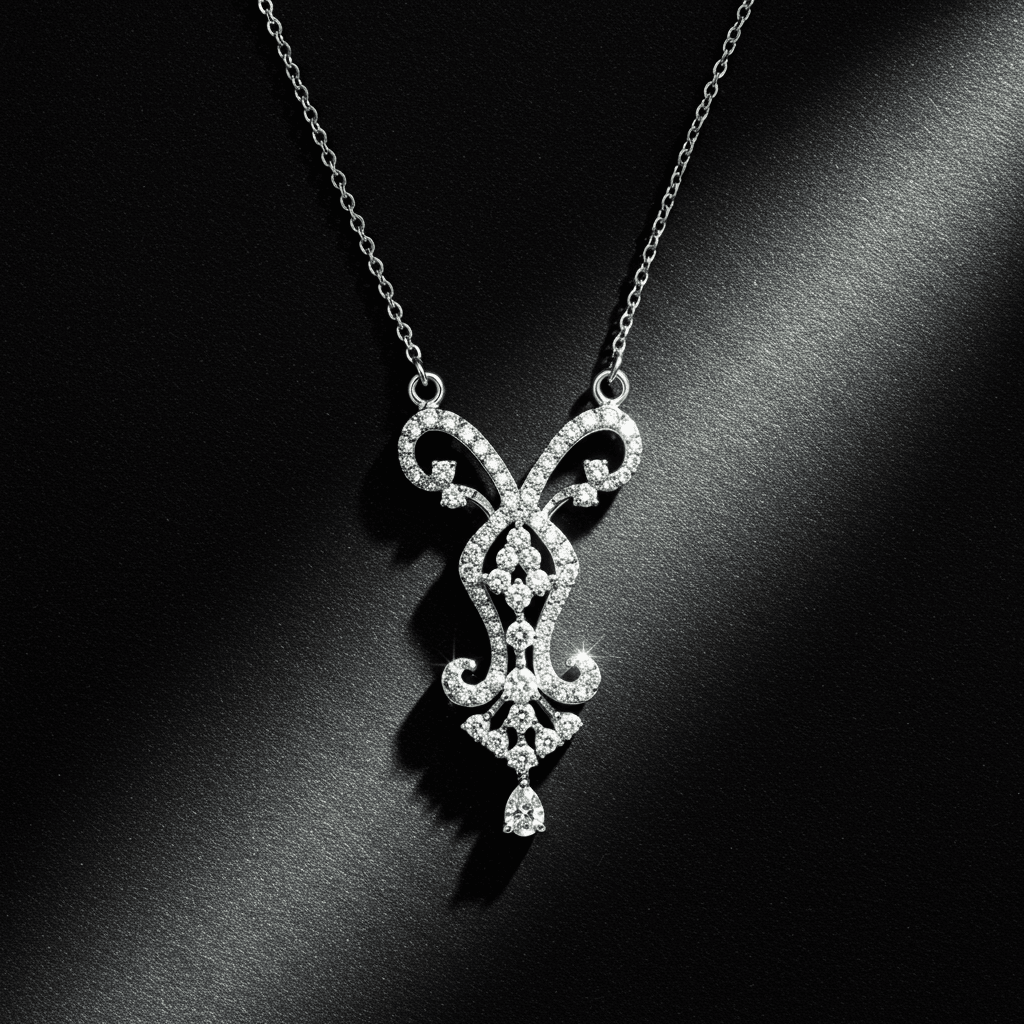
Laser Cutting and Engraving Technology for Jewelers
Explore how laser cutting and engraving technology enables jewelers to create intricate patterns, personalized inscriptions, and precision components with speed and accuracy impossible to achieve by hand alone.
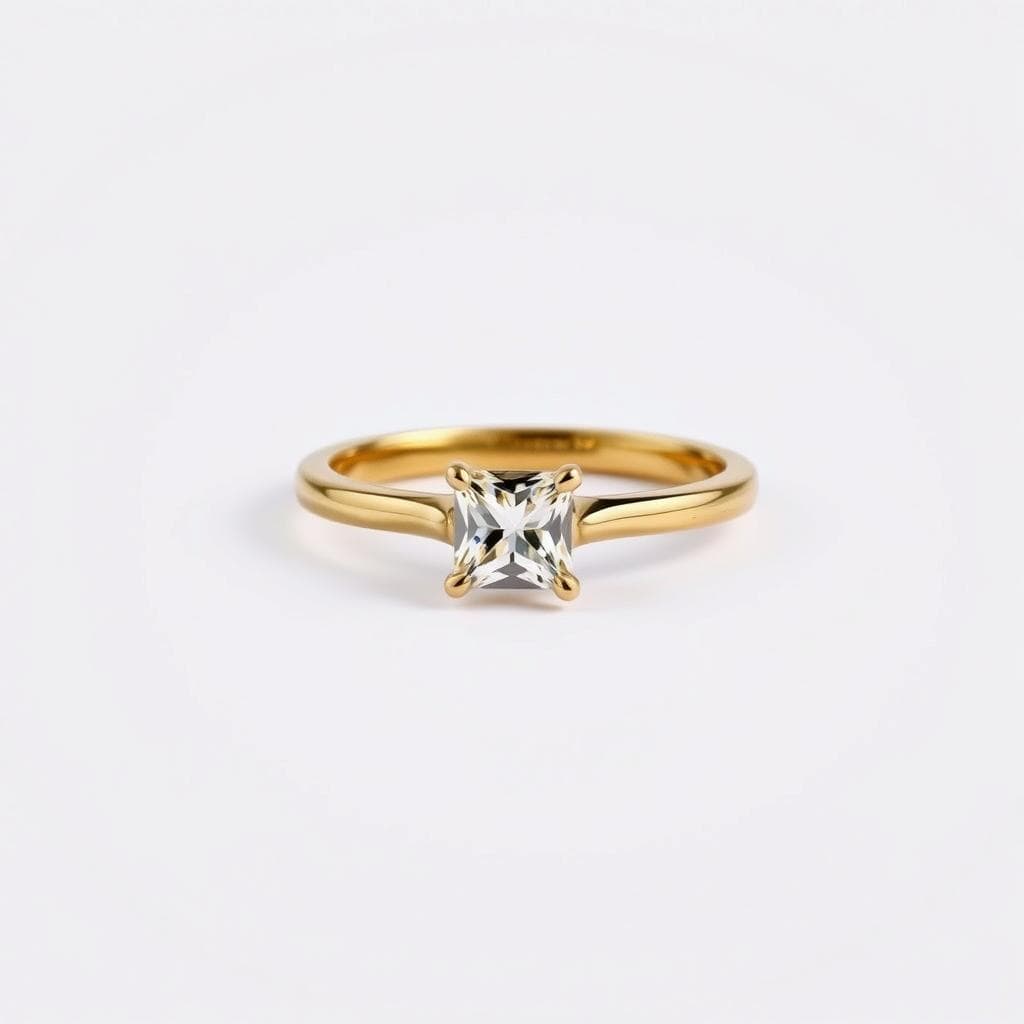
Laser technology gives jewelers the ability to cut, engrave, weld, and texture precious metals with precision measured in hundredths of a millimeter, enabling personalized inscriptions, intricate surface patterns, and micro-scale detail work that would be impossible through traditional hand techniques. Modern jewelry laser systems process gold, silver, platinum, and alternative metals with minimal heat impact, preserving the integrity of surrounding areas and set gemstones.
The laser has become one of the most versatile tools in the modern jewelry workshop. From adding a simple date inscription inside a wedding band to creating elaborate surface textures across an entire pendant, laser technology handles tasks that span from basic personalization to advanced manufacturing. Understanding the different laser types, their capabilities, and how they integrate into jewelry production workflows helps jewelers make informed technology investments.
Laser Types and Their Jewelry Applications
Not all lasers work the same way, and choosing the right type for each application is critical for quality results.
Fiber Lasers
Fiber lasers generate light through a doped optical fiber and are the workhorse of jewelry marking and engraving. They operate at wavelengths around 1,064 nanometers, which precious metals absorb efficiently. Fiber lasers excel at surface marking, text engraving, logo application, hallmarking, and creating matte textures on polished surfaces.
Their advantages include long operational life (often exceeding 100,000 hours), low maintenance requirements, excellent beam quality for fine detail, and efficient power consumption. For most jewelry engraving needs, a 20 to 50 watt fiber laser provides sufficient power.
CO2 Lasers
CO2 lasers operate at 10,600 nanometers, a wavelength that metals reflect rather than absorb. This makes them poorly suited for direct metal work but excellent for cutting non-metallic jewelry materials. Wax models, acrylic components, leather cord, wood inlays, and packaging materials all cut cleanly with CO2 lasers.
Some jewelers use CO2 lasers to cut intricate patterns in sheet materials that are then incorporated into mixed-media jewelry designs. The clean, char-free cuts in organic materials are difficult to achieve with any other method.
Pulsed NdYAG and Green Lasers
Pulsed NdYAG lasers deliver high peak power in short bursts, making them ideal for jewelry welding and deep engraving. They can join precious metal components without the excessive heat of traditional soldering, preserving nearby stone settings and delicate details.
Green lasers (532 nanometers) are specialized for gold and copper alloys, which poorly absorb the 1,064 nanometer wavelength used by standard fiber lasers. When engraving rose gold or yellow gold, green lasers produce cleaner, more consistent marks than fiber alternatives.
| Laser Type | Wavelength | Best Jewelry Application | Typical Power Range |
|---|---|---|---|
| Fiber | 1,064 nm | Engraving, marking, texturing | 20 to 50 watts |
| CO2 | 10,600 nm | Cutting non-metals, packaging | 30 to 80 watts |
| Pulsed NdYAG | 1,064 nm | Welding, deep engraving | 50 to 200 watts |
| Green | 532 nm | Gold and copper alloy marking | 5 to 20 watts |
| UV (355 nm) | 355 nm | Ultra-fine marking, glass | 3 to 10 watts |
Engraving Applications in Jewelry
Laser engraving serves both functional and decorative purposes in jewelry production. The technology's precision and speed make it the preferred method for several common applications.
Personalized Inscriptions
Inside-ring engraving is perhaps the most familiar laser application in jewelry. Wedding bands, engagement rings, and memorial pieces commonly feature dates, names, or meaningful phrases engraved on interior surfaces. Laser engraving produces consistent, legible text at sizes as small as 0.5 millimeters in height, far smaller than hand engraving can reliably achieve.
Modern systems can also engrave small images, fingerprints, heartbeat waveforms, and handwriting samples. Customers submit digital files, and the laser reproduces them faithfully on the jewelry surface. This level of personalization has become a significant revenue driver for many jewelers.
Surface Texturing
Lasers create surface textures that add visual interest and tactile dimension to jewelry. Florentine finishes (cross-hatched matte patterns), sandblast effects, woodgrain textures, and custom patterns can all be achieved through controlled laser processing.
The precision of laser texturing allows jewelers to create contrast between polished and textured surfaces on the same piece. A ring might feature a polished center band flanked by laser-textured borders, creating visual depth without requiring separate manufacturing processes.
Hallmarking and Branding
Legal hallmarks, brand logos, and serial numbers are essential for authentication and traceability. Laser marking produces permanent, tamper-resistant marks that survive wear and cleaning without affecting the piece's appearance or structural integrity.
Micro-marking technologies can place identification codes as small as 0.1 millimeters, visible only under magnification. These codes enable authentication without any visible mark on the finished piece, addressing the desire for both traceability and pristine appearance.
Laser Cutting in Jewelry Production
While less common than engraving, laser cutting serves several valuable functions in jewelry manufacturing.
Sheet Metal Components
Flat jewelry components like backing plates, jump rings, and decorative elements can be cut from precious metal sheet stock with laser precision. The cut edges are clean and require minimal finishing, and the kerf (width of material removed by the cut) is as narrow as 0.1 millimeters, minimizing material waste.
Wax Model Modification
CO2 lasers can cut and modify wax models produced by 3D printers or CNC mills. Adding ventilation slots to casting trees, cutting windows in complex wax patterns, and trimming support remnants are all faster with laser processing than manual methods.
Mixed-Material Designs
Contemporary jewelry increasingly incorporates non-traditional materials like carbon fiber, ceramic, and engineered wood. Lasers cut these materials precisely to fit within metal frameworks, enabling mixed-material designs that combine the warmth of organic materials with the durability of precious metals.
Laser Welding for Jewelry Repair and Assembly
Laser welding has revolutionized jewelry repair and assembly by providing precise, localized heat input. Traditional soldering heats the entire piece, risking damage to stones, enamel, and delicate features. Laser welding deposits heat in a spot as small as 0.2 millimeters, leaving surrounding areas unaffected.
This precision enables repairs that were previously impossible or extremely risky. Welding a broken prong next to a heat-sensitive opal, joining components adjacent to glued assemblies, and building up worn areas with added metal are all routine with laser welding.
For assembly, laser welding joins components without flux or solder, creating clean joints in the same alloy as the parent metal. This eliminates the color variations that different solder alloys can create and avoids the structural weakness of solder joints in high-stress areas.
Safety and Workspace Requirements
Laser equipment requires proper safety measures. All jewelry lasers should be enclosed systems that prevent beam exposure, equipped with appropriate filtration for metal fume extraction, installed in well-ventilated spaces with fire suppression capability, and operated by trained personnel wearing appropriate eye protection during any open-beam work.
The fumes generated when lasering precious metals are generally minimal but should still be captured. Some alloys, particularly those containing cadmium or nickel, produce fumes that require more robust extraction. A HEPA-filtered extraction system positioned at the laser work area handles most jewelry applications.
Integration with Digital Design Workflows
Laser systems integrate seamlessly with digital jewelry design workflows. Designs created in CAD software export directly to laser control software, and the same digital file that guides 3D printing or CNC machining can also drive laser engraving and cutting operations.
This integration enables designers to plan laser operations during the design phase rather than as an afterthought. Surface textures can be designed in CAD, previewed in renderings, and executed identically on the physical piece. Engraving layouts can be positioned precisely relative to stone settings and other features.
For jewelers working with AI design tools, the textures and surface details in AI-generated concepts can inform laser processing decisions. A design showing intricate surface patterns might indicate where laser texturing would add value to the finished piece.
How Tashvi AI Inspires Laser-Ready Designs
Tashvi AI generates jewelry designs that often feature surface details, textures, and patterns that are ideal candidates for laser execution. When Tashvi creates a ring design with intricate filigree-inspired surface patterns or a pendant with detailed motifs, these elements can be directly translated into laser engraving programs for the physical piece.
The design concepts you create on Tashvi serve as visual blueprints for laser operations, showing exactly where textures, patterns, and personalized elements should appear. This connection between AI-generated design and laser manufacturing creates a streamlined path from creative concept to finished piece. For jewelry businesses that offer personalization services, Tashvi helps customers visualize their customizations before committing, reducing revision cycles and increasing satisfaction. Try designing on Tashvi AI free to explore how AI-designed surface details can enhance your laser engraving offerings.
The Future of Laser Technology in Jewelry
Ultrafast lasers (femtosecond and picosecond pulse durations) represent the next frontier for jewelry applications. These lasers remove material through cold ablation, virtually eliminating heat effects. This enables processing directly adjacent to heat-sensitive gemstones, creating structural color effects through nano-scale surface modification, and engraving transparent materials like glass and crystal without surface damage.
As laser systems become more accessible and AI design tools generate increasingly detailed surface treatments, the creative possibilities for jewelry continue to expand. The jewelers who master laser technology today are building capabilities that will distinguish their work for years to come, offering levels of detail, personalization, and manufacturing precision that set them apart in an increasingly competitive market.
Frequently Asked Questions
Quick answers to the questions readers ask most about this guide.
What types of lasers are used in jewelry making?
Fiber lasers are most common for marking and engraving precious metals. CO2 lasers work well for cutting non-metallic materials like wax and acrylic. Pulsed Nd:YAG lasers handle welding and deep engraving. Green lasers are specialized for gold and copper alloys that reflect infrared wavelengths.
Can lasers cut through gold and platinum?
Yes, high-powered fiber and Nd:YAG lasers can cut through precious metals, though this application is less common than engraving. For gold, lasers can cut sheets up to 1 millimeter thick cleanly. Thicker materials are typically handled by CNC machining or traditional sawing methods.
How small can laser engraving details be on jewelry?
Modern fiber lasers can engrave details as small as 0.02 millimeters on precious metals. This enables microscopic hallmarks, ultra-fine textures, and detailed imagery that is invisible to the naked eye but visible under magnification. Typical decorative engraving uses 0.1 to 0.5 millimeter line widths.
Does laser engraving damage jewelry?
When properly calibrated, laser engraving removes only 0.01 to 0.1 millimeters of surface material, which does not compromise structural integrity. The heat-affected zone is extremely small, preventing warping or discoloration of surrounding metal. Gemstones should be masked or removed before laser work.
How much does a jewelry laser system cost?
Entry-level fiber laser engravers suitable for jewelry start around 3,000 to 5,000 dollars. Professional systems with enclosed workspaces and jewelry-specific fixturing range from 10,000 to 30,000 dollars. High-end systems with automated positioning and multi-axis capability can exceed 50,000 dollars.