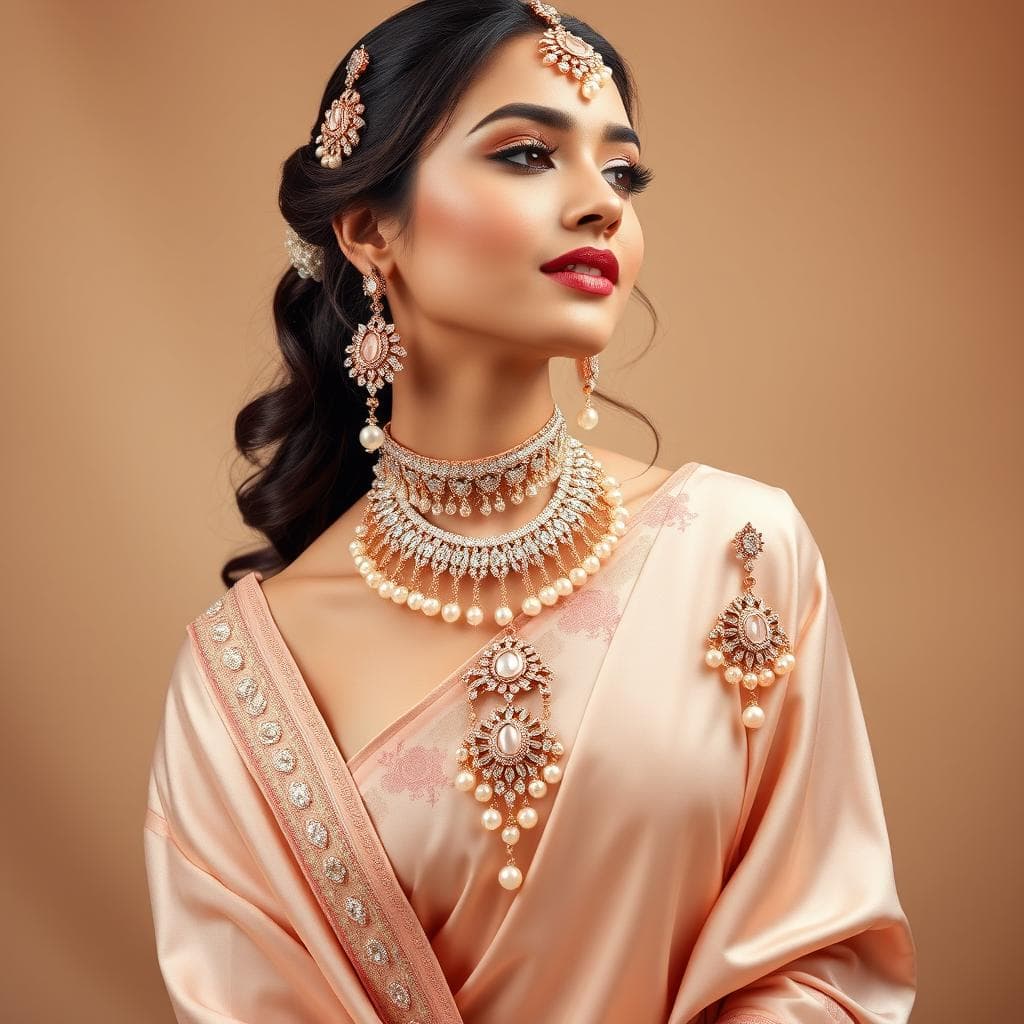
How to Launch a Jewelry Brand in 2026 Using AI Design Tools
Launch your jewelry brand in 2026 without CAD skills or factory minimums. This step-by-step guide shows how AI jewelry design tools like Tashvi AI cut startup costs by 80% and get you from idea to first sale in weeks.
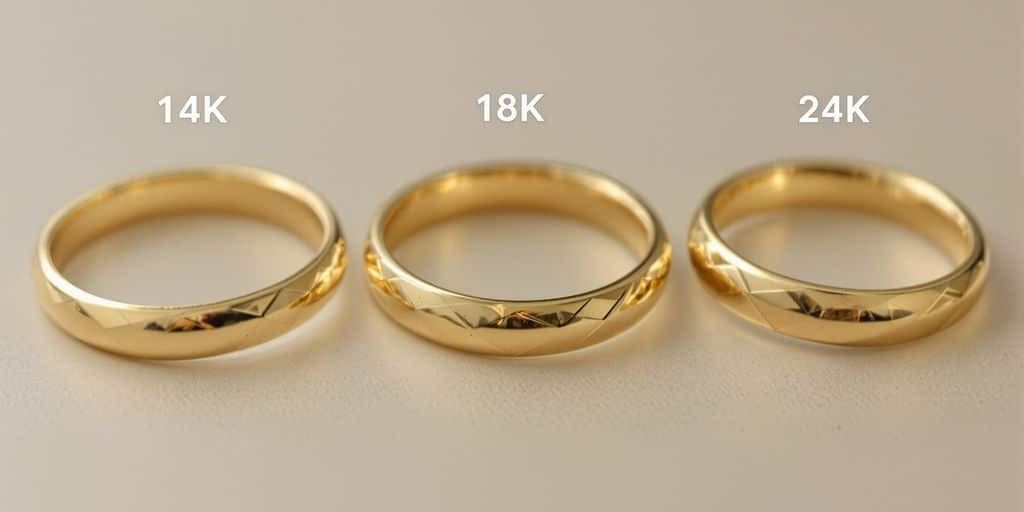
The Jewelry Industry Changed. Your Startup Playbook Should Too.
Five years ago, launching a jewelry brand meant spending $30,000 before selling a single piece. You needed a CAD designer ($3,000+ per collection), sample production runs ($5,000+ minimum orders), professional photography ($2,000+ per shoot), and months of waiting between concept and finished product.
In 2026, AI jewelry design tools have eliminated nearly every traditional barrier. Aspiring jewelry entrepreneurs can go from concept to first sale in weeks instead of months, with startup costs under $2,000 instead of tens of thousands.
This guide walks you through eight concrete steps to launch your jewelry brand using AI design tools. Whether you are starting from scratch with no design experience or you are an existing jeweler looking to expand into new collections faster, this playbook gives you the modern approach to jewelry entrepreneurship.
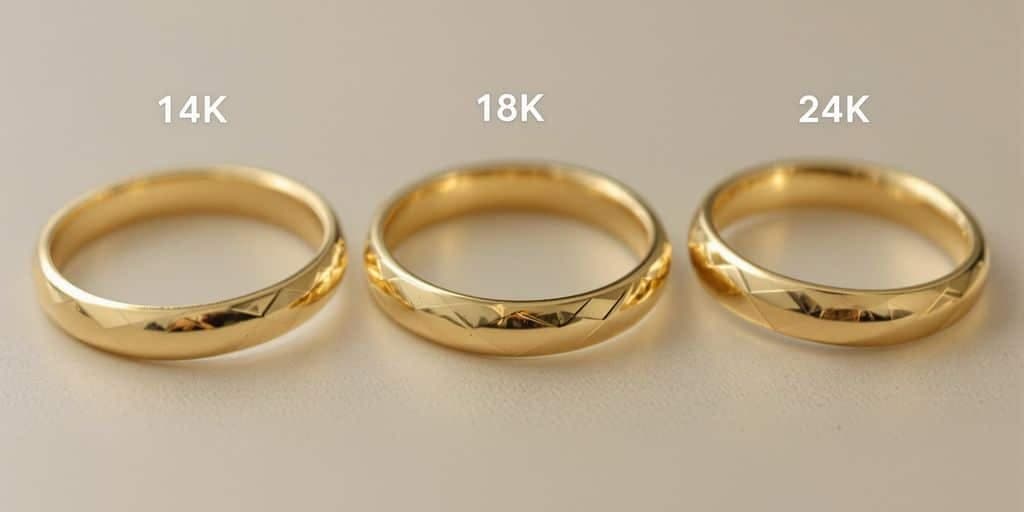
Step 1. Define Your Brand Identity and Niche
Every successful jewelry brand starts with a clear identity. Before opening any design tool, answer three foundational questions that will guide every decision from design to marketing.
Who is your customer? Get specific. "Women who like jewelry" is not a niche. "Millennial professionals looking for everyday fine jewelry under $500" is a niche. "Brides who want vintage-inspired engagement rings with colored gemstones" is a niche. The tighter your focus, the easier every subsequent step becomes.
What makes your brand different? Your differentiator could be aesthetic (minimalist, maximalist, art deco revival), material (lab-grown diamonds only, recycled metals, ethically sourced colored stones), price point (accessible luxury, investment pieces), or story (cultural heritage designs, nature-inspired collections).
What is your price range? This determines your materials, manufacturing partners, and marketing approach. Fine jewelry ($500+) targets different customers than fashion jewelry ($50-200) or demi-fine ($200-500). Pick one lane to start.
Write these answers down. They become the foundation for your brand guide and inform every design prompt you write in Step 3.
Step 2. Research Your Market with Real Data
Skip the generic market research. Use free tools to understand exactly what your potential customers are searching for and buying.
Google Trends shows you which jewelry styles are growing or declining. Compare terms like "lab grown diamond ring" versus "natural diamond ring" to spot momentum shifts. In early 2026, searches for AI-designed jewelry and custom engagement rings continue climbing.
Instagram and Pinterest reveal current aesthetic trends. Search your niche hashtags and save posts that align with your brand vision. Note which styles get the most engagement. These platforms also show you how competing brands photograph and present their pieces.
Etsy and Amazon show you real pricing data. Search your jewelry category and sort by bestsellers. Note price ranges, description styles, and review themes. Pay attention to what customers praise and complain about. Those complaints become your opportunities.
Google Search Console and keyword tools reveal content gaps in your niche. If thousands of people search for "vintage emerald engagement ring" but few brands target that phrase, you have found an underserved audience.
Document your findings. You will use this research to write targeted design prompts and create marketing content that speaks directly to proven demand.
Step 3. Design Your First Collection with AI
This is where AI jewelry design tools transform the entire startup equation. Traditional collection development takes 3 to 6 months and costs $5,000 to $15,000 in CAD design fees alone. With Tashvi AI, you can design a complete collection in a single weekend for free.
How You Design in Tashvi AI
Tashvi AI is one conversational design agent that adapts to your experience level.
Guided Design is perfect if you are new to jewelry design. Switch it on from the composer's + menu and the AI walks you through decisions step by step. Choose your jewelry type, select a center stone shape, pick a setting style, specify your metal, and add design details. The AI builds your design specifications automatically and generates photorealistic renders.
Or describe your vision directly. Experienced designers can skip the questions and just describe a piece in natural language, and the AI interprets your description into multiple design variations.
Build a Cohesive Collection
A strong launch collection typically includes 5 to 8 pieces that share a visual thread. Here is how to use AI jewelry design software to create collection cohesion.
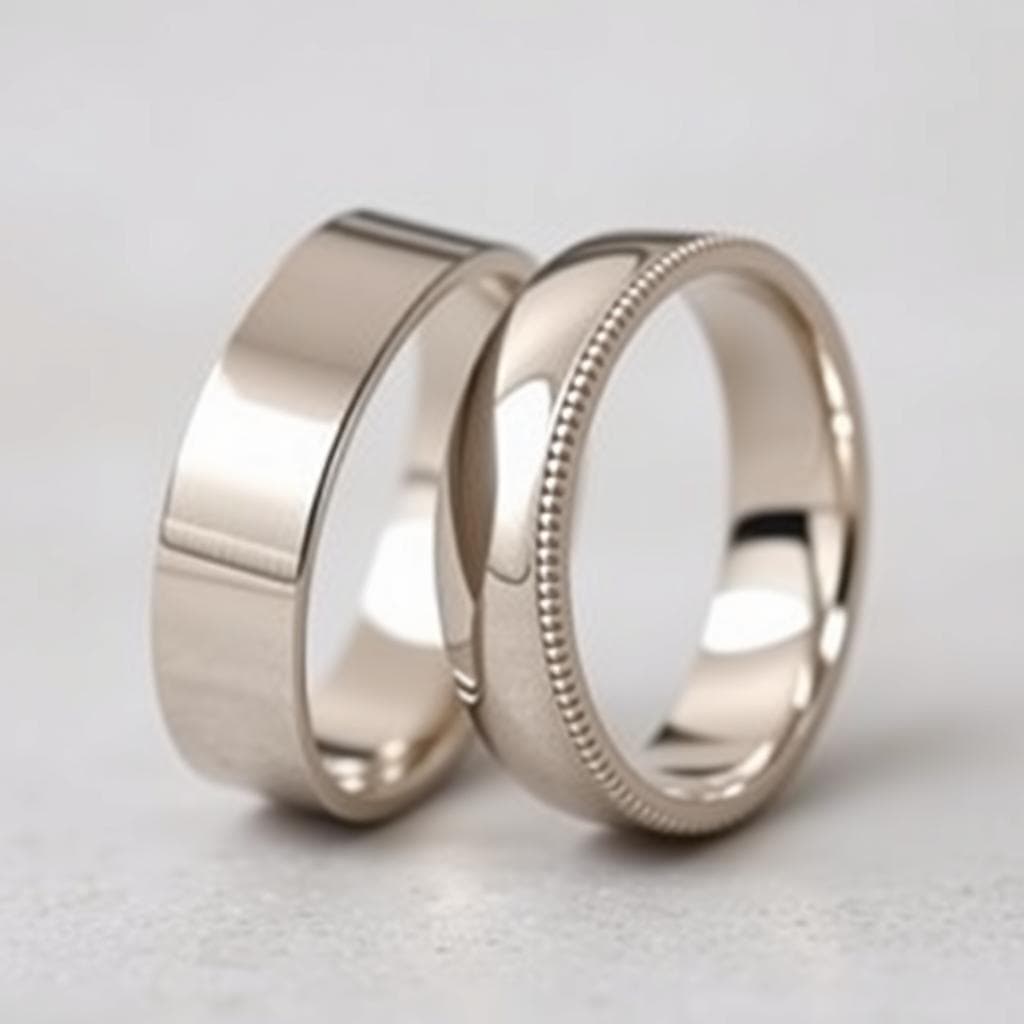
Start with your hero piece. This is the design that best represents your brand identity. If you are launching a vintage-inspired engagement ring brand, your hero piece might be an Art Deco cushion cut ring with milgrain details.
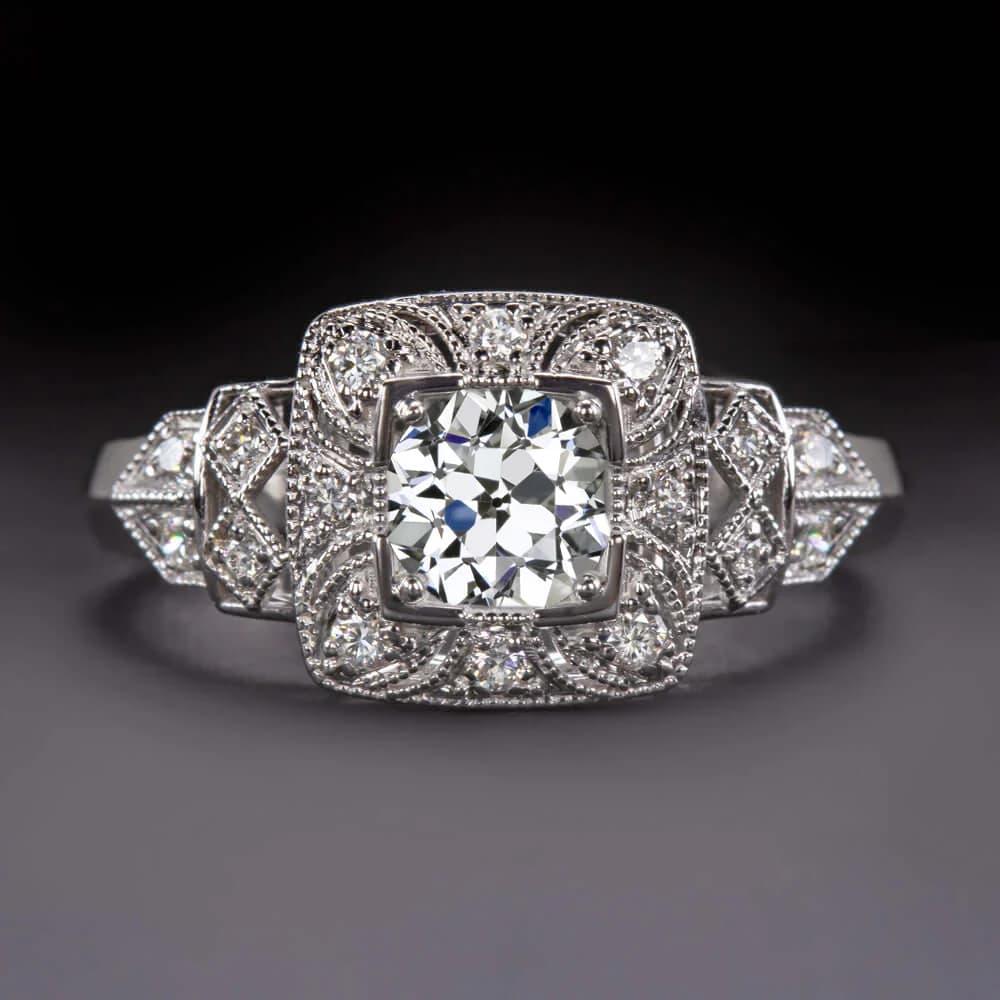
Then create variations that share DNA with the hero. Change the center stone shape but keep the setting style. Swap the metal but maintain the design language. Add a matching wedding band and earrings that complement the ring. Each piece should feel like part of a family.
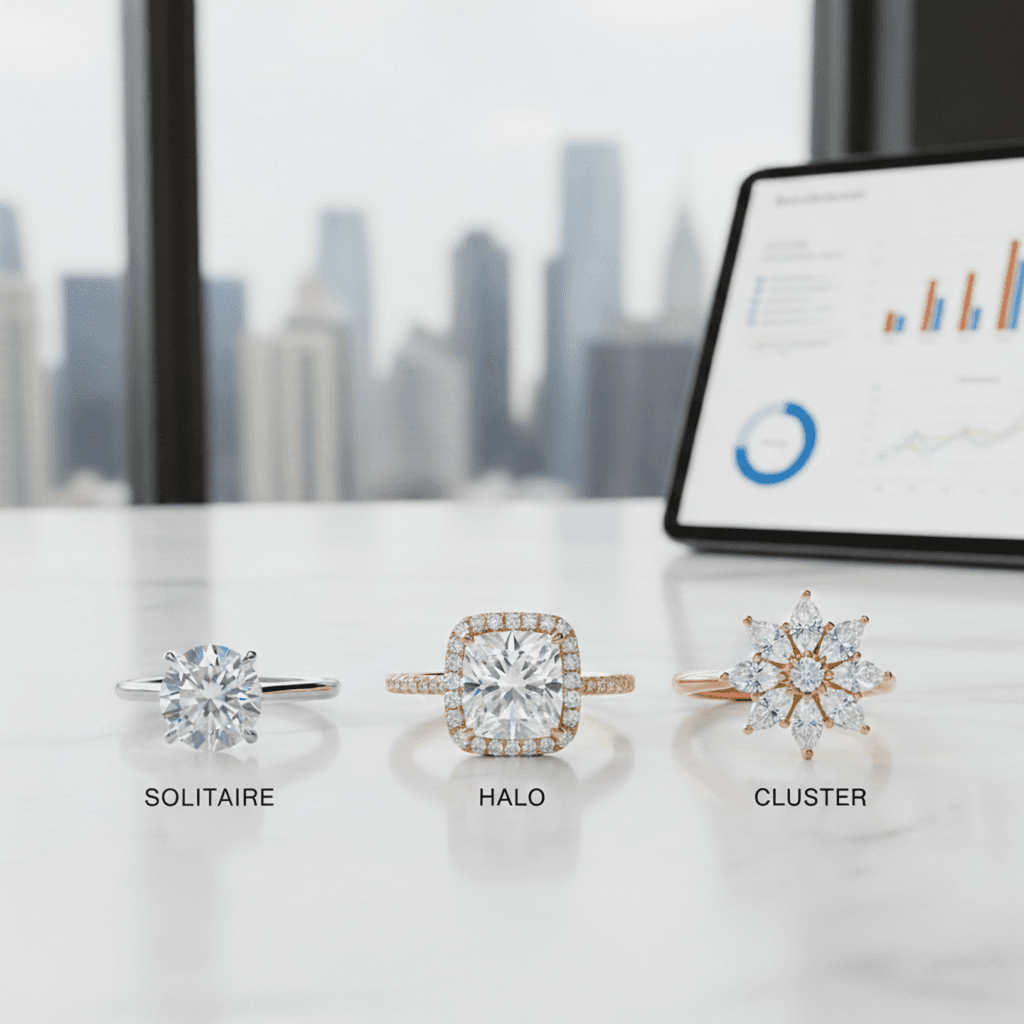
Example prompts for a vintage-inspired collection using Tashvi AI:
- "Art Deco cushion cut engagement ring in platinum with baguette side stones and milgrain detailing"
- "Vintage-inspired oval engagement ring in white gold with filigree band and hidden halo"
- "Matching curved wedding band in platinum with channel-set baguettes, Art Deco geometric pattern"
- "Art Deco drop earrings with emerald cut center stones and geometric diamond accents"
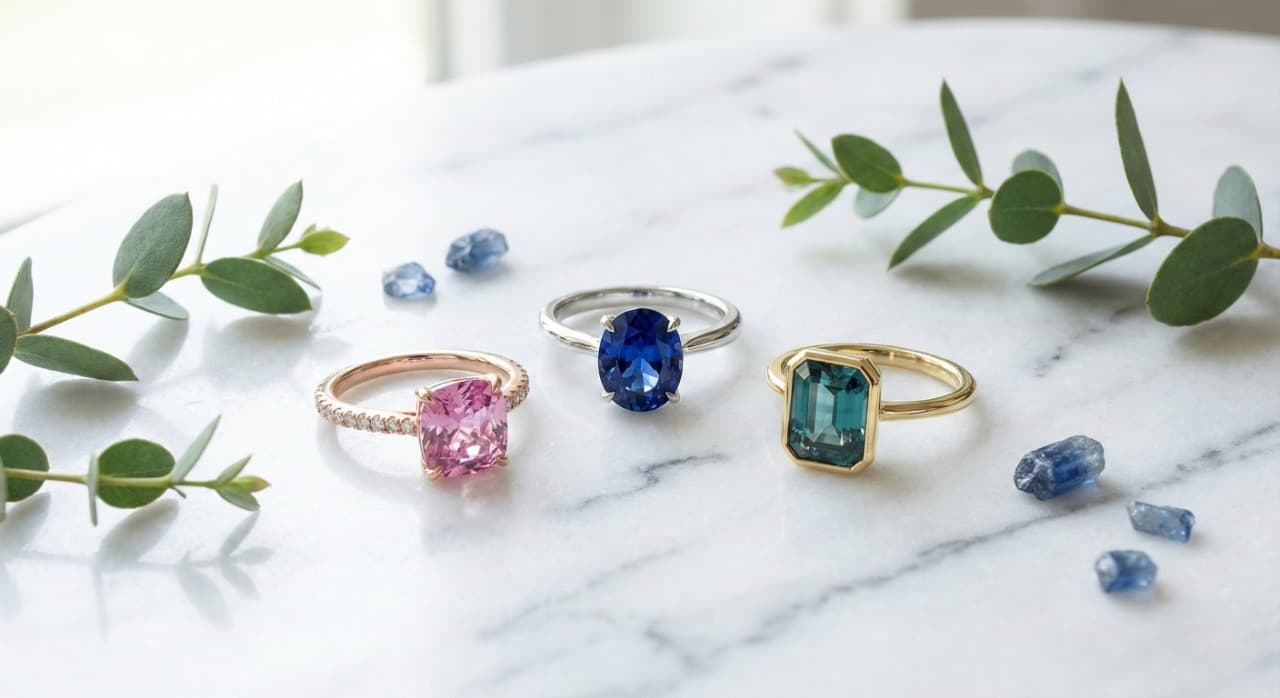
Generate multiple variations of each piece. The AI produces different interpretations that you can refine and combine. Use the Canvas Editor to adjust proportions or merge elements from different variations.
Download and Organize
Download your final designs in high resolution. Create a folder structure for your collection with subfolders for each piece. These renders become your product images, social media content, and manufacturing references.
Step 4. Validate Before You Manufacture
One of the biggest mistakes new jewelry brands make is manufacturing inventory before confirming demand. AI design tools give you photorealistic renders that are good enough to validate your market before spending a dollar on production.
Social media testing. Post your AI-generated designs on Instagram, Pinterest, and TikTok. Ask your audience which pieces they love most. Track saves, shares, and comments. The designs with the strongest engagement become your first production pieces.
Pre-orders. Set up a simple landing page or Shopify store with your AI-rendered product images and accept pre-orders at a discount. If customers put down deposits on a design, you have validated demand with real money.
Feedback from jewelers. Share your Tashvi AI designs with manufacturing partners. Because Tashvi produces designs with manufacturing specifications, jewelers can give you accurate production quotes before you commit. This is something general AI image generators like Midjourney simply cannot do.
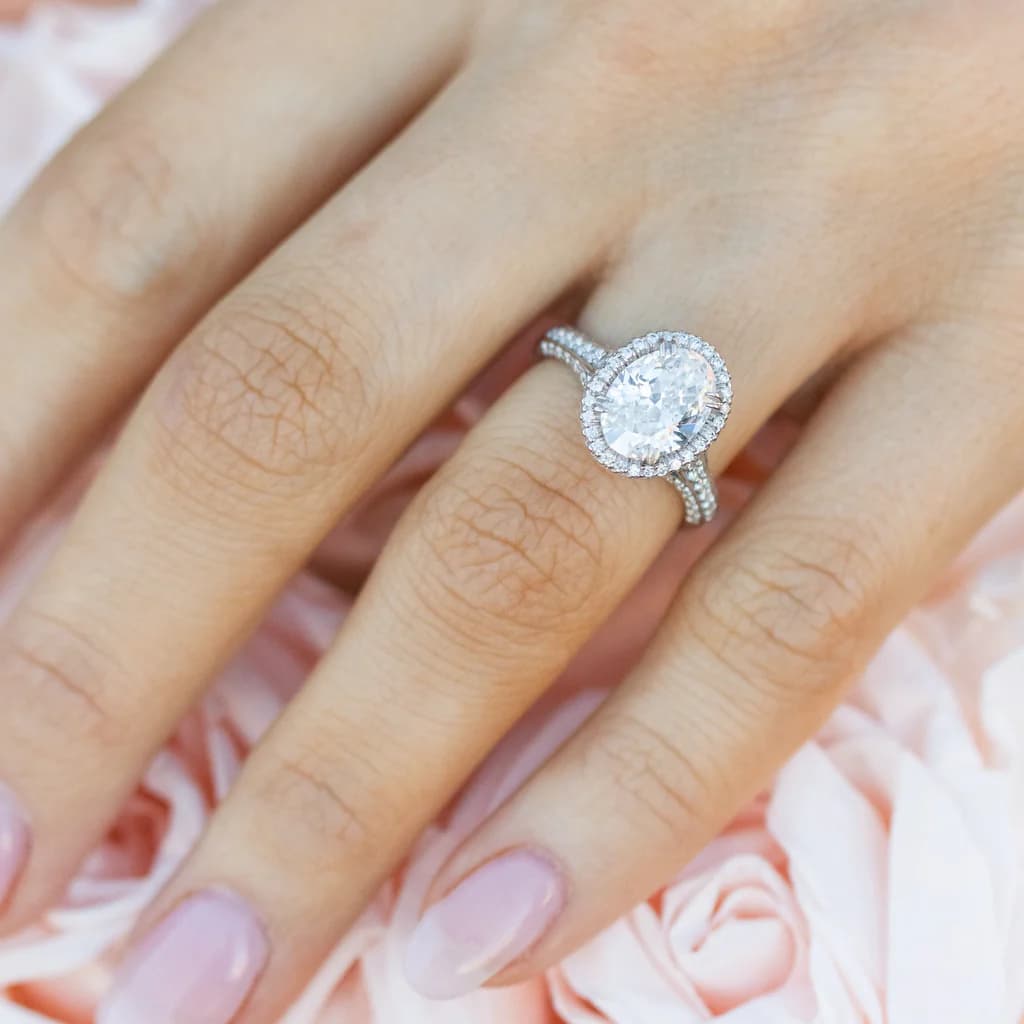
This validation step alone can save you thousands of dollars. Instead of manufacturing 8 pieces and discovering only 3 sell well, you identify winners before production begins.
Step 5. Set Up Manufacturing
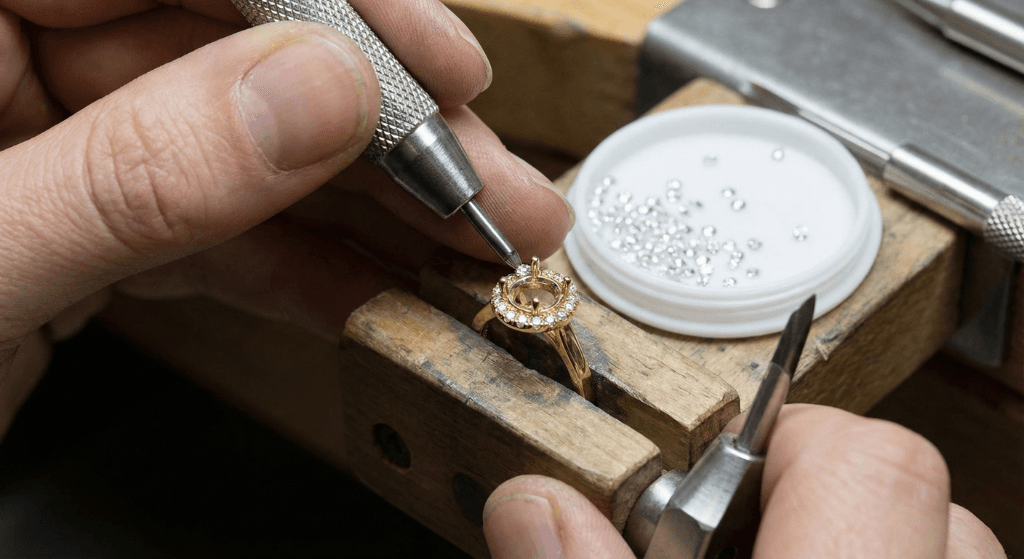
With validated designs in hand, you need a manufacturing partner who can bring them to life. The jewelry manufacturing landscape in 2026 offers more options than ever for new brands.
Manufacturing Options
On-demand manufacturing is the best fit for new brands. Partners like Shapeways, Gildform, and specialized jewelry manufacturers produce individual pieces or small batches. No minimum orders. You only manufacture what customers buy. This eliminates inventory risk entirely.
Local jewelers offer personalized service and quality control. Take your Tashvi AI designs to local jewelers and get quotes. Many independent jewelers welcome custom production work, especially when you bring a clear, detailed design concept.
Overseas manufacturers offer lower per-unit costs but require larger minimum orders (typically 50 to 100 pieces per design). Consider this option only after you have validated demand and can confidently order in volume.
Getting Accurate Quotes
Tashvi AI designs include specifications that jewelers understand, including stone sizes, setting types, metal weights, and construction details. Share your high-resolution design renders along with these specifications. Request quotes from at least three manufacturers to compare pricing, timelines, and quality.
Expect production timelines of 2 to 4 weeks for on-demand pieces and 4 to 8 weeks for batch production. Build these timelines into your launch plan.
Step 6. Build Your Online Store
Your online store is your storefront, your sales team, and your brand ambassador all in one. In 2026, launching a professional jewelry e-commerce store takes days, not months.
Shopify remains the strongest platform for jewelry brands. The $39/month plan includes everything you need to launch. Choose a clean, minimal theme that lets your jewelry photography take center stage. Shopify handles payment processing, shipping calculations, and inventory management.
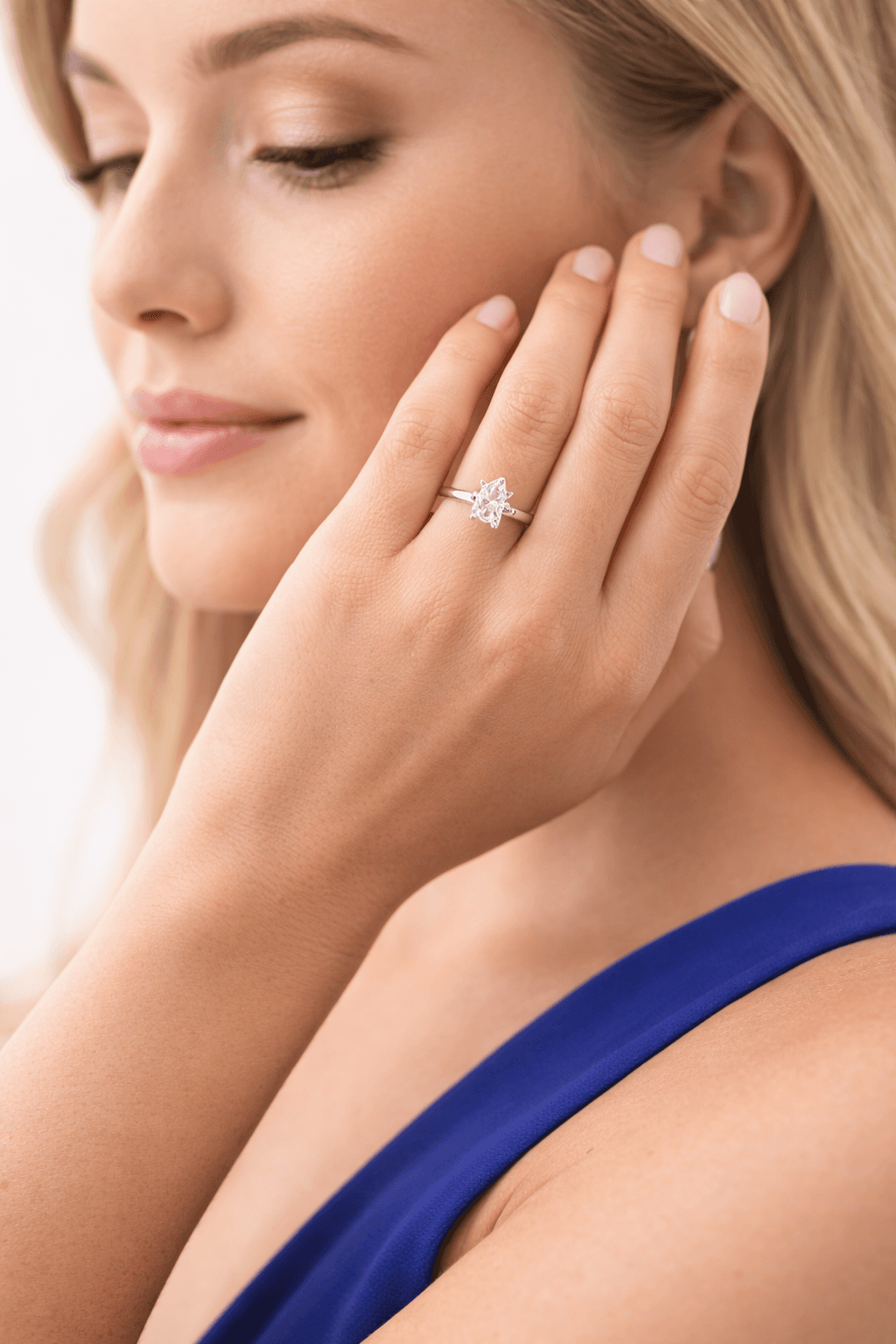
Product photography. Your AI-generated renders from Tashvi AI serve as excellent product images for launch. As you begin manufacturing actual pieces, invest in lifestyle photography that shows your jewelry worn and styled. But for launch day, your AI renders are more than sufficient to start selling.
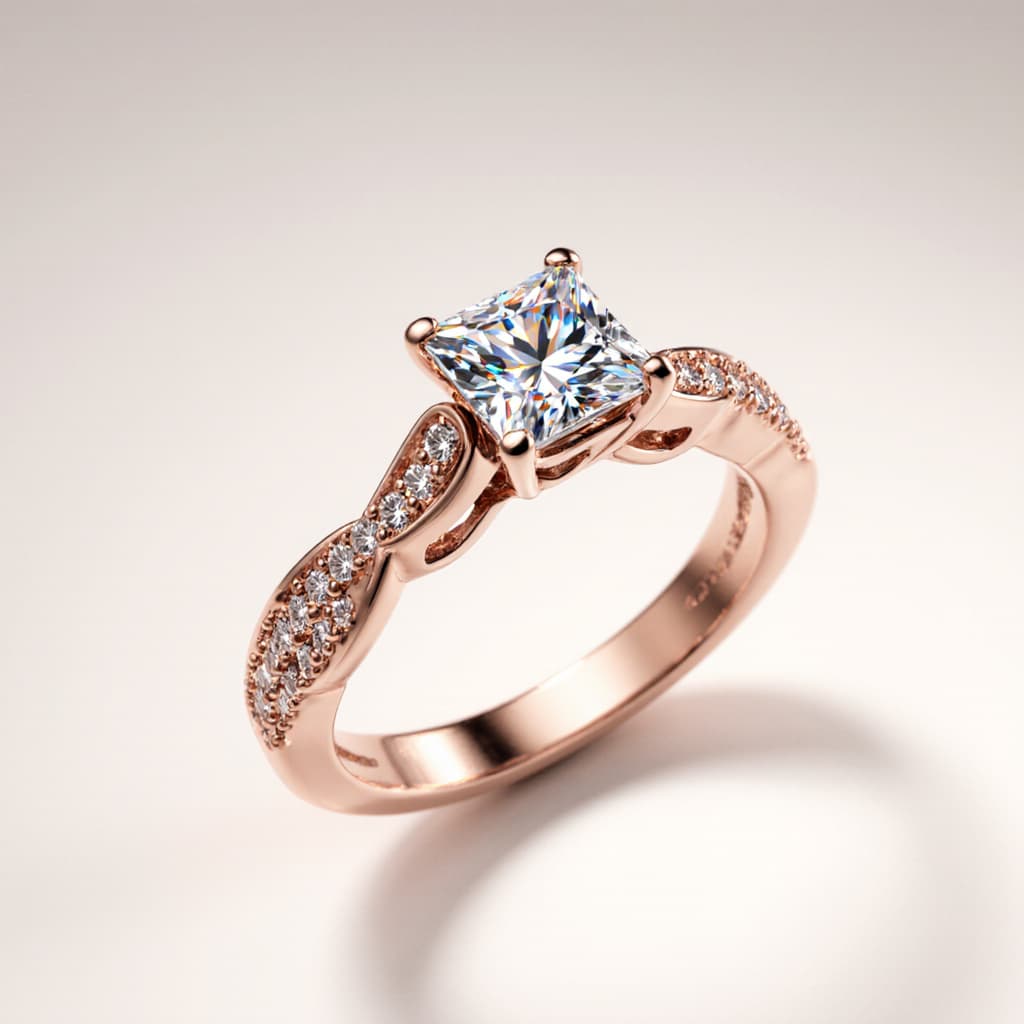
Product descriptions. Write descriptions that combine emotional storytelling with practical specifications. Lead with the feeling your piece evokes, then provide details about materials, dimensions, and care instructions. Include the keywords your market research identified.
Pricing strategy. Standard jewelry markup is 2.5x to 3x your cost of goods. If a ring costs $200 to manufacture, price it between $500 and $600. Factor in your platform fees (Shopify takes about 2.9% plus $0.30 per transaction), shipping costs, and marketing budget.
Step 7. Launch Your Marketing Engine
A beautiful store with no traffic generates zero sales. Your marketing strategy should start before your store goes live and accelerate after launch.
Pre-Launch (2 to 4 Weeks Before)
Build an email list. Create a simple landing page announcing your brand launch. Offer early access or a launch discount in exchange for email signups. Use Mailchimp's free tier for your first 500 subscribers.
Start your Instagram and Pinterest. Post your AI-generated designs with behind-the-scenes content about building your brand. Share your design process, mood boards, and inspiration. People connect with founder stories, and showing how you use AI jewelry design tools adds a modern, innovative angle to your brand narrative.
Create a content calendar. Plan 3 to 4 posts per week across platforms. Mix product shots, styling inspiration, educational content about your materials and craftsmanship, and personal brand-building posts.
Launch Week
Email your list with a personal note from the founder. Offer a limited-time launch discount (10 to 15% or free shipping).
Social media push. Increase posting frequency. Share customer reactions, unboxing content, and real-time updates. Use Stories and Reels for casual, authentic content.
Reach out to micro-influencers in your niche. Jewelry and fashion influencers with 5,000 to 50,000 followers often accept gifted product in exchange for posts. Start small and track which partnerships drive actual sales.
Post-Launch
Content marketing. Start a blog on your Shopify store targeting the keywords you researched in Step 2. Write about topics your customers care about, like engagement ring buying guides, jewelry care tips, and style inspiration.
Paid advertising. Once you have validated which products sell organically, invest in targeted Instagram and Pinterest ads. Start with $10 to $20 per day and scale what works.
The Cost Breakdown: Traditional vs AI Launch
Here is the real comparison of launching a jewelry brand the traditional way versus using AI design tools in 2026.
| Expense Category | Traditional Launch | AI Launch | Savings |
|---|---|---|---|
| Collection design (CAD) | $3,000 - $15,000 | $0 (Tashvi AI free tier) | 100% |
| Sample production | $2,000 - $5,000 | $200 - $500 (on-demand) | 90% |
| Product photography | $1,500 - $3,000 | $0 (AI renders for launch) | 100% |
| E-commerce store | $2,000 - $5,000 (custom) | $39/mo (Shopify) | 95% |
| Initial inventory | $5,000 - $20,000 | $0 (on-demand model) | 100% |
| Branding and logo | $1,000 - $3,000 | $0 - $200 (AI tools) | 90%+ |
| Marketing (first 3 months) | $2,000 - $5,000 | $500 - $1,500 | 70% |
| Total | $16,500 - $56,000 | $740 - $2,240 | 80-96% |
The difference is not just about money. It is about time. Traditional launches take 6 to 12 months. AI launches take 4 to 8 weeks. That speed advantage means you reach customers faster, learn from real sales data sooner, and iterate your collection based on actual demand rather than guesswork.
Step 8. Scale What Works
Your launch is just the beginning. The real advantage of AI jewelry entrepreneurship is the speed of iteration.
Analyze your first 90 days. Which pieces sold best? Which social posts drove the most traffic? Which marketing channels produced actual sales? Double down on what works and cut what does not.
Expand your collection. Use Tashvi AI to design new pieces based on what your customers actually bought. If your oval halo engagement ring outsold everything else, create variations. Design matching wedding bands, pendants, and earrings in the same aesthetic. Each new design takes minutes instead of weeks with AI jewelry design software.
Raise your prices gradually. As your brand builds recognition and customer reviews accumulate, your perceived value increases. Many successful jewelry brands launch at accessible prices and gradually move upmarket as demand grows.
Consider wholesale. Once you have proven retail demand, approach local boutiques with your collection. AI-generated renders make professional line sheets easy to produce. Start with 2 to 3 stores in your area and expand based on sell-through rates.
Invest in professional photography. As revenue grows, upgrade from AI renders to professional lifestyle photography with real models. This investment signals brand maturity and drives higher conversion rates.
Common Mistakes New Jewelry Brands Make
Learn from the failures of others so you can avoid the most expensive mistakes.
Designing too many pieces at launch. Start with 5 to 8 hero pieces, not 30. A focused collection is easier to market, manufacture, and manage. Use AI design tools to expand later based on proven demand.
Skipping market validation. Never manufacture inventory based on what you think will sell. Use AI-rendered product images to test demand before committing to production. Pre-orders and social engagement tell you what customers actually want.
Underpricing your work. New founders often price too low out of fear that nobody will buy. Low prices signal low quality in jewelry. Research competitor pricing and position yourself confidently within your target range.
Ignoring brand storytelling. Customers do not buy jewelry. They buy meaning, identity, and emotion. Your brand story, your design process, and your values matter as much as the product itself. Share the human side of your brand consistently.
Trying to be everywhere at once. Pick two marketing channels and master them before adding more. Instagram plus email is a strong starting combination for jewelry brands. Add Pinterest, TikTok, or paid ads only after your core channels produce consistent results.
Frequently Asked Questions
How much does it cost to start a jewelry brand in 2026?
Starting a jewelry brand in 2026 costs between $500 and $2,000 when using AI design tools like Tashvi AI. Traditional jewelry brand launches typically require $15,000 to $50,000 for CAD designers, sample production, and photography. AI tools eliminate most upfront design costs, and on-demand manufacturing removes the need for large inventory investments.
Can I start a jewelry brand with no design experience?
Yes. AI jewelry design tools like Tashvi AI include guided design modes that walk you through every decision, from stone shape to setting style. You do not need CAD skills, jewelry design training, or technical expertise. Describe your vision in plain English and the AI generates professional design concepts you can take to a jeweler or CAD designer.
What AI tools do I need to launch a jewelry brand?
The essential AI tools for launching a jewelry brand in 2026 are Tashvi AI for jewelry design (free), Canva or Adobe Express for branding, Shopify for your online store, and social media scheduling tools for marketing. Tashvi AI is a jewelry-specific AI design tool with a free plan and a route from concept into 3D modeling.
How long does it take to launch a jewelry brand with AI?
Using AI design tools, you can launch a jewelry brand in 4 to 8 weeks. Traditional launches take 6 to 12 months. AI accelerates the design phase from weeks to hours, eliminates the CAD learning curve, and enables on-demand manufacturing that removes the need for upfront inventory production.
Do I need a business license to sell jewelry?
Requirements vary by location. Most jurisdictions require a general business license and sales tax permit. Some states require additional permits for precious metals. Check your local small business administration office for specific requirements. You can start designing and building your brand while processing paperwork.
Is AI-designed jewelry legitimate for a real brand?
Absolutely. AI jewelry design tools generate the concept and visual direction. The actual jewelry is still manufactured by skilled jewelers using traditional techniques and real materials. Think of AI as your design partner that replaces expensive CAD software, not the manufacturing process itself. Many professional jewelers already use AI tools like Tashvi AI to accelerate their design workflows.
Your Jewelry Brand Starts Today
The barriers that once kept jewelry entrepreneurship exclusive to those with deep pockets and industry connections no longer exist. AI jewelry design tools have opened up the concept stage and shortened the path to a professional CAD handoff.
Here is your immediate next step. Go to design.tashvi.ai and design your first piece. Turn on Guided Design if you are new to jewelry design, or just describe your piece if you have a clear vision. Your first designs are free. No credit card needed.
Design three to five pieces that share a common aesthetic. Post them on social media. See how people respond. That response tells you whether you have the foundation for a jewelry brand worth building.
The jewelry entrepreneurs who succeed in 2026 will not be the ones with the biggest budgets. They will be the ones who move fastest from idea to market. AI design tools give you that speed.
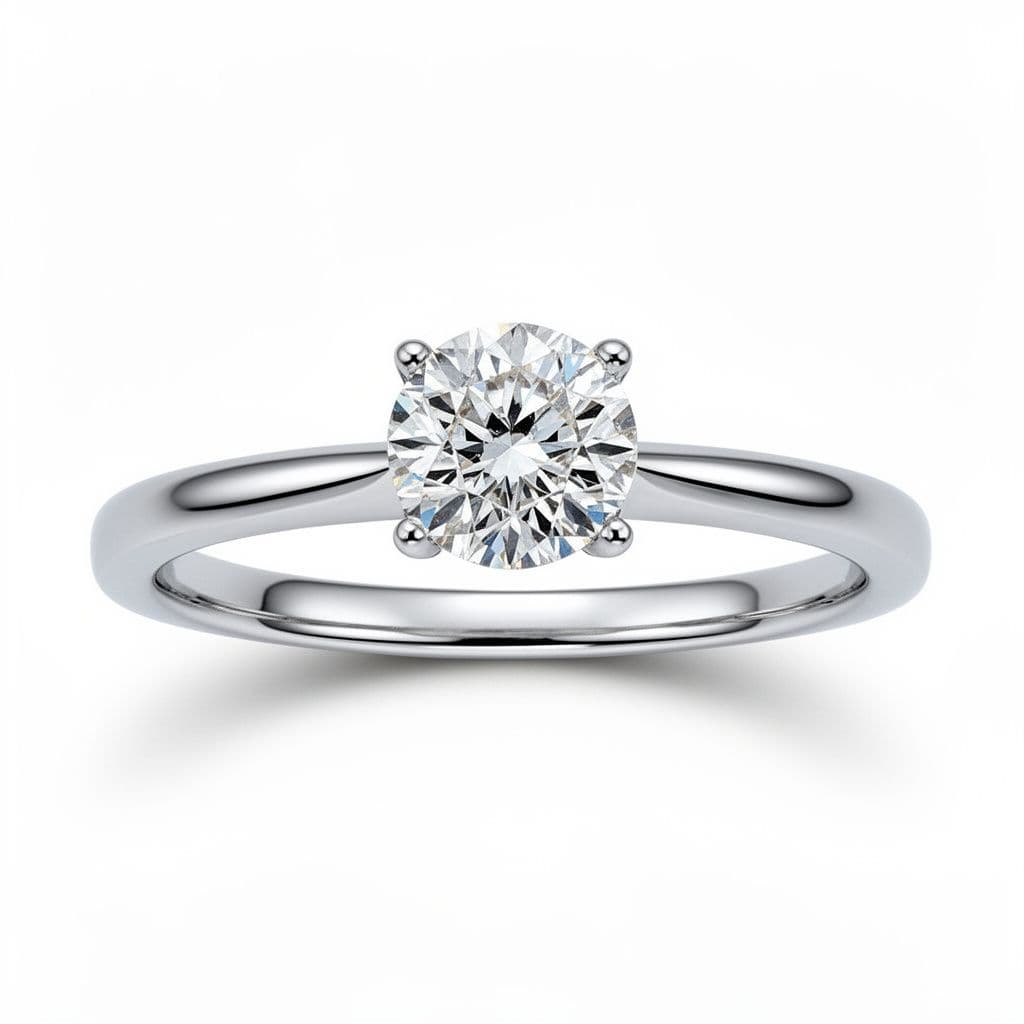
Start designing your first collection free at design.tashvi.ai →
Related Guides
- Free AI Ring Design Tool — Custom Rings in Seconds — Step-by-step guide to designing rings with AI
- Best AI Jewelry Design Tools in 2026 — Complete comparison of AI design platforms
- How AI Helps Jewelers Launch Collections Faster and Cheaper — The business case for AI in jewelry
- How to Choose the Right Engagement Ring — 2026 buying guide
Frequently Asked Questions
Quick answers to the questions readers ask most about this guide.
How much does it cost to start a jewelry brand in 2026?
Starting a jewelry brand in 2026 costs between $500 and $2,000 when using AI design tools like Tashvi AI. Traditional jewelry brand launches typically require $15,000 to $50,000 for CAD designers, sample production, and photography. AI tools eliminate most upfront design costs, and on-demand manufacturing removes the need for large inventory investments.
Can I start a jewelry brand with no design experience?
Yes. AI jewelry design tools like Tashvi AI include guided design modes that walk you through every decision, from stone shape to setting style. You do not need CAD skills, jewelry design training, or technical expertise. Describe your vision in plain English and the AI generates professional design concepts you can take to a jeweler or CAD designer.
What AI tools do I need to launch a jewelry brand?
The essential AI tools for launching a jewelry brand in 2026 are Tashvi AI for jewelry design (free), Canva or Adobe Express for branding, Shopify for your online store, and social media scheduling tools for marketing. Tashvi AI is a jewelry-specific AI design tool with a free plan and a route from concept into 3D modeling.
How long does it take to launch a jewelry brand with AI?
Using AI design tools, you can launch a jewelry brand in 4 to 8 weeks. Traditional launches take 6 to 12 months. AI accelerates the design phase from weeks to hours, eliminates the CAD learning curve, and enables on-demand manufacturing that removes the need for upfront inventory production.
Do I need a business license to sell jewelry?
Requirements vary by location. Most jurisdictions require a general business license and sales tax permit. Some states require additional permits for precious metals. Check your local small business administration office for specific requirements. You can start designing and building your brand while processing paperwork.