NFTs and Digital Jewelry in the Metaverse Market
Explore the emerging market for digital jewelry NFTs, from avatar accessories in virtual worlds to blockchain-verified digital collectibles that bridge physical craftsmanship with virtual fashion and digital ownership.
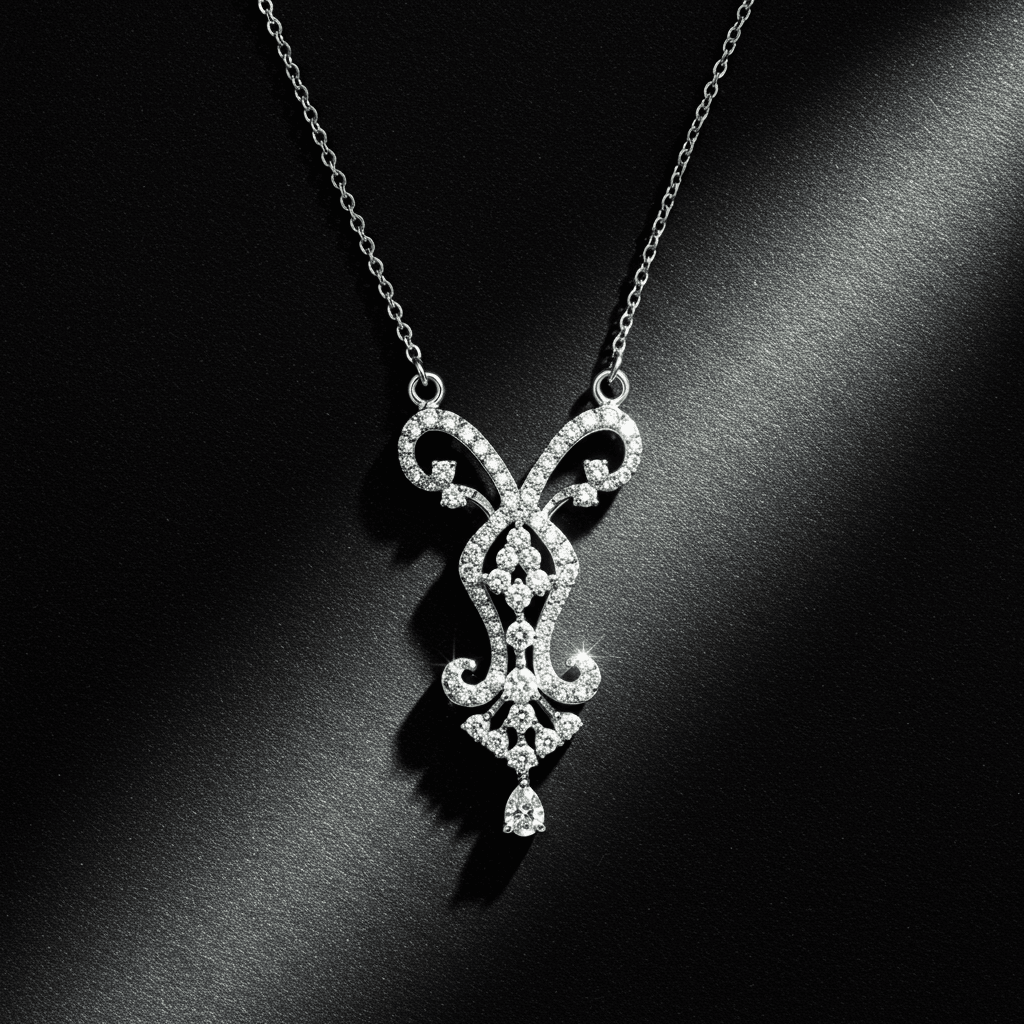
Digital jewelry NFTs represent a growing market segment where virtual jewelry pieces exist as blockchain-verified digital assets for avatars, virtual worlds, and digital collections, with the metaverse fashion market projected to reach billions by 2030 as online identity expression becomes increasingly important across gaming, social media, and virtual reality platforms.
The Emergence of Digital Jewelry
Jewelry has always served as a form of self-expression and status signaling. As human interaction increasingly occurs in digital spaces, the desire for personal adornment extends into virtual environments. Avatars in games, virtual worlds, and social platforms need accessories that express their owner's identity, taste, and status, just as physical jewelry does in the real world.
This shift creates an entirely new market category for jewelry designers. Digital jewelry exists as 3D models, animations, or images that users can display on their virtual selves. When these pieces are minted as NFTs, they gain the properties of verifiable scarcity, provable ownership, and transferability that give them economic value.
How Digital Jewelry NFTs Work
Creation
Digital jewelry begins as a 3D model or high-quality rendered image. Designers can create these using traditional 3D software, AI visualization tools, or a combination of both. The digital piece should capture the aesthetic qualities of fine jewelry, including accurate metal reflections, gemstone sparkle, and detailed craftsmanship.
Minting
The digital file is "minted" as an NFT on a blockchain platform. This process creates a unique, non-fungible token that represents ownership of the digital piece. The blockchain record includes the creator, creation date, edition size, and any associated metadata.
Distribution and Sale
NFT jewelry can be sold through dedicated NFT marketplaces, brand websites, or virtual world platforms. Prices range from a few dollars for mass-edition digital accessories to thousands for limited-edition pieces from established jewelry houses.
Usage
Owners display their digital jewelry in various contexts.
| Platform Type | Usage Example |
|---|---|
| Virtual worlds | Avatar accessories in Decentraland, VRChat |
| Social media | AR filters, profile accessories |
| Gaming | Character customization items |
| Digital art collections | Display in virtual galleries |
| Physical pairing | Digital twin of physical purchase |
Business Models for Jewelry Brands
Digital-Only Collections
Create jewelry designs that exist exclusively in digital form, exploring aesthetics impossible in physical materials. Floating gemstones, animated light effects, impossible structures, and scale-defying proportions become possible when freed from physical constraints.
Physical-Digital Pairing
Offer NFT digital twins alongside physical jewelry purchases. The buyer receives both the tangible piece and its verified digital counterpart. The NFT serves as proof of ownership, authentication certificate, and digital collectible simultaneously.
This model adds perceived value to physical purchases while introducing existing customers to digital ownership concepts. It also provides blockchain-based authentication benefits without requiring customers to specifically seek out blockchain features.
Limited Digital Editions
Create limited runs of digital jewelry pieces, leveraging the scarcity model that drives physical luxury markets. A 100-edition digital pendant from a prestigious brand carries value through its combination of design quality, brand prestige, and verified scarcity.
Customization and Co-Creation
Enable customers to participate in designing their digital pieces through AI tools, then mint the results as unique NFTs. This collaborative approach creates deeply personal digital assets with strong emotional value.
Challenges and Considerations
Market Volatility
The NFT market has experienced significant price fluctuations. Jewelry brands entering the space should view digital collections as brand-building and innovation efforts rather than guaranteed revenue streams. The market is maturing but remains unpredictable.
Technical Barriers
Many jewelry customers are unfamiliar with cryptocurrency wallets, blockchain transactions, and NFT platforms. Brands need to either educate customers or create simplified purchasing experiences that abstract away technical complexity.
Intellectual Property
Digital goods present unique IP challenges. While NFTs prove ownership of a specific token, the underlying design may still be screenshotted or copied. Understanding what rights transfer with an NFT purchase requires clear communication and legal frameworks.
Environmental Perception
Despite improvements in blockchain energy efficiency, some consumers associate NFTs with environmental harm. Brands should choose energy-efficient platforms and communicate their sustainability approach clearly.
Opportunities for Independent Designers
The digital jewelry market offers unique advantages for independent designers and small brands. Creating digital pieces requires no material costs, no manufacturing infrastructure, and no inventory management. A talented designer with AI tools and 3D modeling skills can produce and sell digital jewelry collections with minimal overhead.
This low barrier to entry means that independent designers can compete in the digital space on creative merit rather than production capacity, potentially reaching audiences that their physical operations could never serve.
How Tashvi AI Enables Digital Jewelry Creation
Tashvi AI generates the photorealistic jewelry visualizations that form the foundation of digital jewelry NFTs. Designers use the platform to create stunning digital pieces without advanced 3D modeling skills, producing renders with the material accuracy and visual quality that give digital jewelry its perceived value.
For designers exploring the metaverse market, Tashvi AI provides a rapid path from concept to mintable asset. Generate a design concept, refine it to perfection, and produce the high-resolution imagery needed for NFT minting, all within a single AI-powered workflow.
Try designing on Tashvi AI free
Looking Ahead
The digital jewelry market will grow alongside virtual world adoption, avatar culture, and digital identity expression. The metaverse may not have arrived in the form originally predicted, but digital self-expression across gaming, social platforms, and emerging virtual spaces continues expanding steadily.
Jewelry brands that develop digital design capabilities now position themselves to serve this evolving market. Whether through digital-only collections, physical-digital pairings, or collaborative creation tools, the intersection of jewelry design and digital technology opens creative and commercial opportunities that traditional retail alone cannot provide.
Frequently Asked Questions
Quick answers to the questions readers ask most about this guide.
What are digital jewelry NFTs?
Digital jewelry NFTs are unique, blockchain-verified virtual jewelry pieces that exist as digital assets. They can be worn by avatars in virtual worlds, collected as digital art, or paired with physical pieces as proof of authenticity and ownership.
Is there a real market for virtual jewelry?
Yes. The digital fashion market, including virtual jewelry, is projected to reach several billion dollars by 2030. Virtual worlds, social media avatars, and gaming platforms create demand for digital accessories that express identity and status in online spaces.
Can I create NFT versions of my physical jewelry designs?
Absolutely. Many jewelers are creating digital twins of physical pieces as NFTs, offering buyers both the physical jewelry and its verified digital counterpart. This adds value through digital collectibility while providing blockchain-based proof of ownership.
How do jewelry brands enter the NFT space?
Start by creating digital versions of signature pieces using 3D modeling or AI visualization tools. Mint these as NFTs on established platforms. Consider pairing digital and physical offerings to bridge your existing customer base into the digital space.
Are jewelry NFTs environmentally sustainable?
Modern blockchain platforms like Ethereum (post-merge) and alternatives like Solana and Polygon use proof-of-stake consensus that consumes minimal energy. The environmental concerns associated with early NFTs have been largely addressed by newer technology.