The Guide to Radiant Cut Diamonds: Brilliance Without the Price
Radiant cut diamonds combine the elegant rectangular silhouette of emerald cuts with the intense sparkle of brilliant faceting. Learn why this versatile, budget-friendly shape is gaining serious traction in 2026.
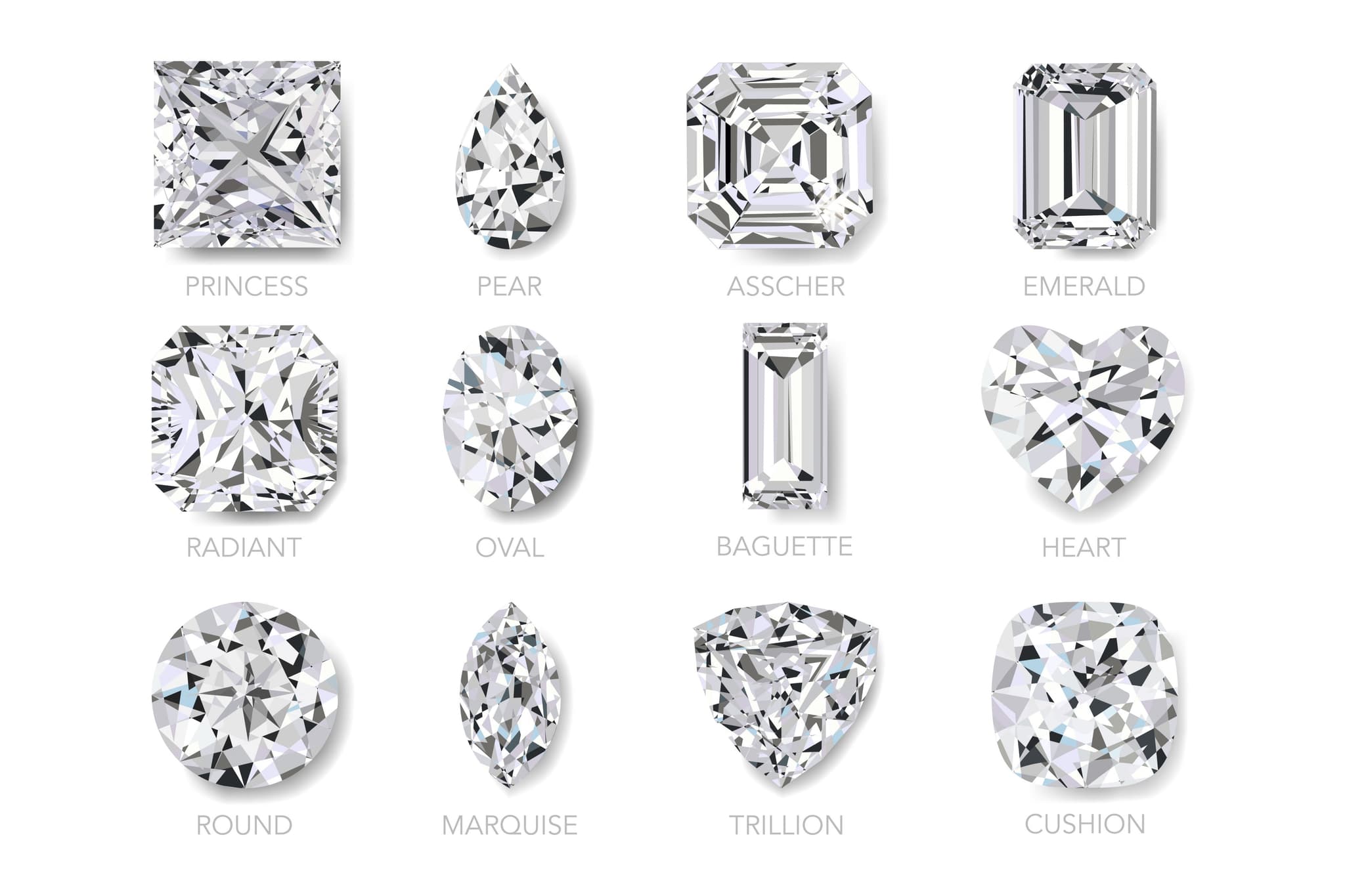
The radiant cut diamond offers something no other shape can match, the clean rectangular silhouette of an emerald cut combined with the intense, fiery sparkle of a brilliant cut. Created in 1977 by master cutter Henry Grossbard, the radiant cut was specifically designed to deliver brilliance in a rectangular package. In 2026, this versatile shape is gaining serious attention from buyers who want geometric elegance without sacrificing sparkle, and who appreciate its exceptional value per carat.
What Makes a Radiant Cut Unique
The radiant cut's defining innovation is its faceting pattern. While emerald cuts use long, parallel step-cut facets that create broad flashes of light, radiant cuts employ 70 facets arranged in a brilliant pattern similar to round diamonds. This faceting produces the intense sparkle, fire, and scintillation that most people associate with diamond beauty.
The shape itself is rectangular (or sometimes square) with trimmed corners, giving it a geometric outline that appears clean and modern. Those cropped corners also make the diamond more durable than shapes with pointed ends, since there are no vulnerable tips to chip.
The combination of rectangular geometry and brilliant sparkle makes the radiant cut truly unique in the diamond world. It occupies a space that no other shape fills.
Radiant Cut vs. Emerald Cut
This is the most common comparison, since both shapes share a rectangular outline with trimmed corners. The difference is entirely in how they handle light.
Emerald cuts create the hall-of-mirrors effect, with broad, dramatic flashes that emphasize clarity and depth. They are sophisticated and understated. Radiant cuts produce explosive sparkle with hundreds of tiny light reflections dancing across the surface. They are bold and brilliant.
This difference in light performance also affects practical buying decisions. Emerald cuts expose inclusions because their large, open facets act like windows. Radiant cuts mask inclusions behind their complex facet pattern. Similarly, slight color is more visible in emerald cuts than in radiants.
| Feature | Radiant Cut | Emerald Cut |
|---|---|---|
| Faceting style | Brilliant (70 facets) | Step cut (57 facets) |
| Sparkle type | Intense fire and brilliance | Broad, mirror-like flashes |
| Inclusion visibility | Well hidden | More visible |
| Color visibility | Well hidden | More visible |
| Minimum clarity | SI1 typically eye-clean | VS2 recommended |
| Minimum color | I often appears white | G recommended |
| Overall vibe | Bold and brilliant | Sophisticated and elegant |
For more on the emerald cut, visit our emerald cut engagement rings guide.
Radiant Cut vs. Cushion Cut
Radiant and cushion cuts share brilliant-style faceting, but their outlines differ significantly. Radiants have straight edges and angular trimmed corners, creating a geometric appearance. Cushion cuts have curved edges and rounded corners, creating a softer, more organic shape.
In terms of sparkle, they are comparable. Both shapes produce excellent brilliance and do a fine job of masking inclusions. The choice between them comes down to whether you prefer the architectural precision of a radiant or the romantic softness of a cushion.
Radiant cuts also tend to look slightly more modern due to their angular lines, while cushion cuts carry a vintage feel. Both shapes are available in square and elongated proportions.
Understanding Radiant Cut Proportions
Length-to-Width Ratio
Square radiants have a ratio close to 1.00 and look like a brilliant-cut version of the Asscher shape. Elongated radiants between 1.20 and 1.40 provide the most popular rectangular appearance. The sweet spot for most buyers falls at 1.25 to 1.30, which offers noticeable elongation without appearing overly stretched.
Depth and Table
Optimal depth falls between 60 and 67 percent. Deeper stones may appear smaller from above but can produce excellent sparkle. The table percentage should range from 61 to 69 percent. Stones with very large tables may show dark areas in the center.
Cut Quality Assessment
GIA does not assign cut grades to radiant cuts, so evaluating quality requires looking at the whole picture. Seek excellent symmetry and polish. Review video of the diamond to assess sparkle and light distribution. Dark or lifeless areas indicate poor proportioning.
The Value Advantage
Radiant cuts offer outstanding value for several reasons. The cutting process retains approximately 80 percent of the rough diamond weight, compared to roughly 50 percent for round brilliants. This efficiency translates directly to lower cost per carat.
Additionally, market demand for radiant cuts is lower than for rounds and ovals, keeping prices competitive. A one-carat radiant diamond in the G color, VS2 clarity range typically costs 25 to 40 percent less than a comparable round brilliant. This savings can be redirected toward a larger stone, higher quality grades, or a more elaborate setting.
Best Settings for Radiant Cut Diamonds
The radiant cut's versatility makes it compatible with virtually any setting style.
Solitaire
A clean solitaire setting on a thin band emphasizes the radiant's geometric beauty. Four prongs at the trimmed corners secure the stone while revealing maximum surface area. This timeless approach lets the diamond's sparkle take center stage.
Halo
A micro-pavé halo amplifies the radiant's size and sparkle, creating a frame of light around the geometric outline. Halo settings are particularly effective with square radiants, where the additional diamonds create a larger square that appears even more substantial.
Three-Stone
Baguette or trapezoid side stones complement the radiant's rectangular form perfectly. The straight lines of baguettes echo the radiant's geometry while adding length to the overall design. This classic three-stone arrangement has a particularly elegant appearance with radiant centers.
Channel-Set Band
A channel-set band with princess or baguette accents extends the geometric theme along the entire ring. This creates a cohesive, architectural design that feels intentional and polished.
For more setting options, explore our ring settings guide.
Color and Clarity Recommendations
One of the radiant cut's greatest practical advantages is how forgiving it is of lower quality grades.
Color
The brilliant faceting breaks up light so effectively that color is difficult to detect. Most buyers can safely choose H or I color without noticing any warmth, especially in yellow gold or rose gold settings. Even J color can work well in warm metal settings.
Clarity
SI1 clarity is often eye-clean in radiant cuts, meaning inclusions are invisible to the naked eye. This is a significant advantage over step-cut shapes like emerald and Asscher, which typically require VS2 or better clarity. Buying SI1 instead of VS2 saves 15 to 25 percent with no visible difference.
Square vs. Elongated Radiant
Both proportions have their merits. Square radiants (1.00 to 1.05 ratio) offer a bold, symmetrical look that pairs well with four-prong solitaire and halo settings. Elongated radiants (1.20 to 1.40 ratio) provide the finger-flattering elongation that is trending in 2026.
Square radiants feel more classic and architectural. Elongated radiants feel more contemporary and share some of the visual appeal of oval diamonds while maintaining their distinctive angular character. Your hand shape and personal style should guide this choice.
Exploring Radiant Cuts With Tashvi AI
Because radiant cuts span a wide range of proportions and can look dramatically different in square versus elongated versions, visualizing your options is essential. Tashvi AI lets you generate images of radiant cut diamonds across different ratios, settings, and metals. See how a square radiant looks in a platinum halo versus an elongated radiant in a yellow gold solitaire.
This visual exploration helps you identify the exact combination of proportions and setting style that speaks to your aesthetic preferences. You can refine your design criteria before shopping, saving time and ensuring you know exactly what to look for.
Try designing on Tashvi AI free
The Smart Choice for Brilliant Sparkle
The radiant cut diamond proves that you do not have to compromise between shape preference and light performance. If you love the rectangular silhouette but cannot imagine giving up sparkle, the radiant cut was literally invented for you. With its exceptional value, forgiving nature, and versatile compatibility with modern settings, it deserves a spot on every engagement ring shopper's shortlist. Learn more about finding the perfect diamond in our diamond shapes guide.
Frequently Asked Questions
Quick answers to the questions readers ask most about this guide.
What is the difference between a radiant cut and an emerald cut?
Both shapes are rectangular with trimmed corners, but their faceting is completely different. Radiant cuts use brilliant-style faceting for intense sparkle. Emerald cuts use step-cut faceting that produces broad, mirror-like flashes rather than traditional sparkle.
Are radiant cut diamonds cheaper than round diamonds?
Yes, significantly. Radiant cuts cost approximately 25 to 40 percent less per carat than round brilliant diamonds. The cutting process retains more rough diamond weight, and market demand is lower, both contributing to better value.
What is the best length-to-width ratio for a radiant cut?
For a square appearance, choose a ratio of 1.00 to 1.05. For an elongated rectangular look, ratios of 1.20 to 1.40 are ideal. The most popular choice falls between 1.20 and 1.30 for a balanced elongation.
Can you see inclusions easily in a radiant cut diamond?
Radiant cuts are excellent at hiding inclusions. Their brilliant faceting breaks up light into many small reflections, masking imperfections effectively. SI1 clarity is often eye-clean in radiant cuts, offering significant savings.
What settings work best with radiant cut diamonds?
Solitaire settings highlight the shape's clean lines. Halo settings amplify the sparkle. Three-stone settings with baguette or trapezoid side stones complement the rectangular outline. The trimmed corners make radiants easy to secure in most settings.