Ruby Jewelry Design Guide: History, Quality, and AI-Powered Creations in 2026
The complete 2026 guide to ruby jewelry design. Learn about pigeon blood rubies, Burmese vs Mozambique origins, the ruby 4Cs, star rubies, and how AI tools are transforming ruby ring, necklace, and earring design for jewelers and buyers.
Ruby jewelry has captivated humanity for thousands of years. Known as ratnaraj, the "King of Gemstones" in ancient Sanskrit texts, the ruby holds a singular place in the world of fine jewelry. No other colored gemstone commands the same combination of rarity, hardness, and emotional intensity. A fine ruby engagement ring or ruby necklace represents passion, strength, and enduring love in a way that few other stones can match.
This guide covers everything you need to know about ruby jewelry design in 2026, from the science of what makes a great ruby to the origins that shape its value, and how AI-powered design tools are opening new possibilities for jewelers and buyers creating custom ruby rings, ruby earrings, and ruby necklaces.
The History and Meaning Behind Ruby Gemstones
The word ruby comes from the Latin ruber, meaning red. According to GIA, ancient Hindu warriors embedded rubies into their skin before battle, believing the stones granted invincibility. In medieval Europe, royalty wore ruby rings as talismans of wisdom, protection, and good fortune. The Bible mentions rubies multiple times, and ancient Burmese miners believed that rubies ripened in the earth like fruit, growing redder with time.
The ruby's meaning centers on passion, love, courage, and vitality. Across cultures and centuries, red has symbolized the heart, the blood, and the life force itself. This makes ruby the natural gemstone of romantic commitment.
In the traditional Western gemstone calendar, ruby is the birthstone for July and one of the most sought-after birthday jewelry gifts. It is also the gemstone for 15th and 40th wedding anniversaries, making it a meaningful choice for anniversary ruby jewelry and milestone celebrations.
Ruby's association with royalty continues today. The Burmese Ruby Tiara in the British Crown Jewels and the record-setting Sunrise Ruby, which sold for $30.42 million at Christie's in 2015, demonstrate that the finest rubies are among the most valuable gemstones on earth, sometimes exceeding diamonds in price per carat.
Understanding Ruby Quality and the 4Cs
Ruby is a variety of the mineral corundum, the same mineral family as sapphire. The only difference is color. Red corundum is classified as ruby, and every other color is sapphire. If you are considering sapphires as well, our sapphire engagement rings guide covers that family in depth. Rubies share sapphire's exceptional hardness of 9 on the Mohs scale, making them the second hardest natural gemstone after diamond and an outstanding choice for ruby engagement rings and everyday jewelry.
Color as the Most Important Factor in Ruby Value
Color determines roughly 60% to 70% of a ruby's value and is the single most critical factor when buying or designing with rubies. Gemologists evaluate three dimensions of ruby color.
Hue is the basic color of the stone. The finest ruby gemstones show a pure, vivid red. Some stones lean slightly toward purplish red or orangish red. According to GIA, a slight purple secondary hue is acceptable and even desirable in top quality stones, but orange overtones reduce value significantly.
Saturation is the intensity or vividness of the color. You want a ruby that looks alive and electric, not dull or brownish. Low saturation produces pinkish or washed-out stones that may be classified as pink sapphire rather than ruby. The boundary between pink sapphire and ruby is one of the most debated topics in gemology, with different labs sometimes classifying the same borderline stone differently.
Tone describes how light or dark the stone appears. The ideal tone for a ruby is medium to medium-dark. A ruby that is too light looks like a pink sapphire and loses its commanding presence. One that is too dark appears almost black in indoor lighting and loses the fiery character that makes rubies so desirable.
What Is a Pigeon Blood Ruby?
The term pigeon blood ruby describes the most coveted ruby color in the world. Originally used by Burmese traders in the Mogok Valley to describe the vivid red of their finest stones, pigeon blood now refers to a specific color grade certified by laboratories like GRS and Gubelin.
A pigeon blood ruby shows a pure, intense red with a slight blue fluorescent undertone that makes the stone appear to glow from within. This combination of vivid saturation, ideal tone, and strong fluorescence creates an almost electric visual effect that is immediately recognizable to trained eyes. These rubies command the highest prices in the entire colored gemstone market, with exceptional examples selling for over $1 million per carat at major auction houses.
Clarity and What to Expect From Natural Rubies
Unlike diamonds, rubies are Type II gemstones, meaning they almost always contain visible inclusions. A completely clean ruby is so extraordinarily rare that it would actually raise suspicion of synthetic origin among experienced gemologists.
Common inclusions in natural rubies include fine needles of rutile, known as "silk." When present in the right density, silk can scatter light throughout the stone and create a soft, velvety appearance that is highly desirable, particularly in Burmese rubies from the Mogok region. However, heavy silk concentrations or large fractures reduce transparency and value.
When shopping for a ruby ring or any ruby jewelry, look for stones that are "eye clean" at a normal viewing distance. Minor inclusions visible only under magnification are perfectly acceptable and even expected in fine natural rubies.
Cutting Rubies to Maximize Color and Brilliance
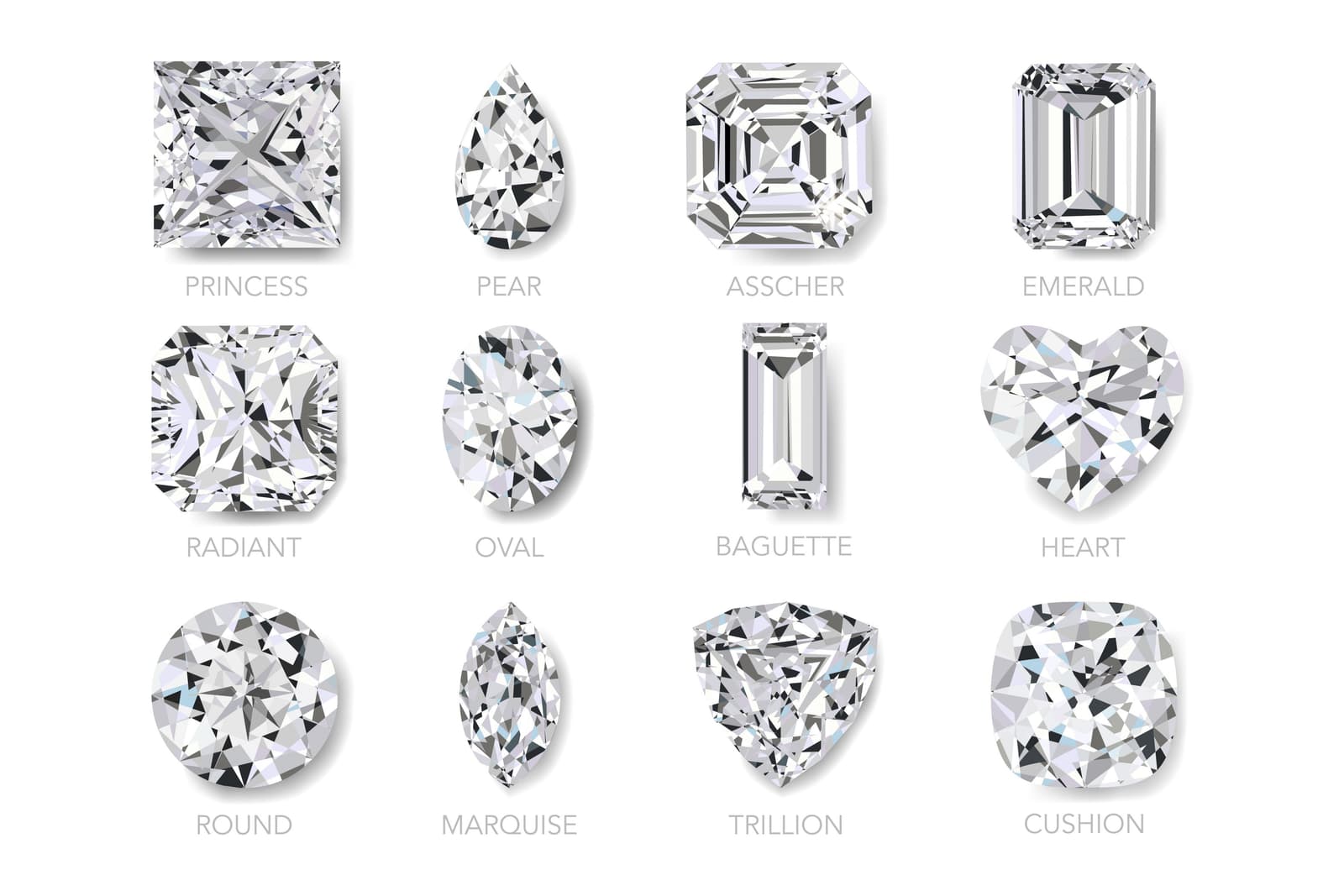
There is no standardized ideal cut for rubies the way there is for diamonds. Cutters shape each stone to maximize its color and retain as much carat weight as possible from the rough crystal. Oval and cushion cuts are the most common shapes for rubies because they preserve the most weight from ruby rough, which tends to form in flat, tabular crystal shapes.
A well-cut ruby should show even, vivid color across its entire face with no dark "extinction" zones or pale "windows" in the center. The stone should return rich red color to your eye from every angle. Round brilliant cuts, emerald cuts, and pear shapes are also popular for ruby engagement ring designs, though they are less common because they waste more rough material.
Carat Weight and Why Fine Rubies Are Rarer Than Diamonds
Fine rubies above 1 carat are significantly rarer than diamonds of the same size, and prices increase exponentially at key weight thresholds. A 2 carat ruby of fine quality can cost three to five times as much as two 1 carat rubies of similar quality. Stones above 3 carats with excellent pigeon blood color are museum-level rarities that appear at auction only a few times per decade.
Rubies are denser than diamonds. A 1 carat ruby will appear slightly smaller than a 1 carat diamond when viewed from above. When purchasing a ruby for a custom ruby ring or ruby necklace pendant, always ask for millimeter dimensions rather than relying on carat weight alone. This ensures the stone will look the size you expect in the finished piece.
Ruby Origins and How They Affect Price
The geographic origin of a ruby can dramatically affect its market price, sometimes by multiples. Understanding ruby sources helps buyers make informed decisions about value.
Burmese Rubies from Myanmar
Myanmar (Burma) is the most storied ruby source on earth. The Mogok Valley, often called the "Valley of Rubies," has produced legendary stones for over 800 years. Burmese rubies are prized for their pure red color, strong fluorescence, and the presence of fine silk that creates a velvety quality found nowhere else.
According to Christie's auction records, the world auction record for a ruby is the "Sunrise Ruby," a 25.59 carat Burmese pigeon blood stone that sold for $30.42 million in 2015. This translates to approximately $1.19 million per carat, making it one of the most expensive gemstones ever sold.
Mozambique Rubies
Mozambique has emerged as the most important modern ruby source since significant deposits were discovered around 2009 in the Montepuez region. Mozambique rubies can rival Burmese stones in color and saturation, and top examples have achieved pigeon blood grades from major gemological labs.
The key advantage of Mozambique rubies is value. Because they lack the centuries of heritage premium attached to Burmese stones, a visually comparable Mozambique ruby can cost 40% to 60% less than its Burmese counterpart. For buyers who prioritize beauty over provenance, Mozambique offers exceptional opportunities.
Thailand and Cambodia
Thailand and Cambodia historically supplied many commercial-grade rubies with a darker, more garnet-like color. Thai rubies tend to have higher iron content, which suppresses fluorescence and produces a slightly brownish red. While less prestigious than Burmese or Mozambique material, Thai rubies remain important in the commercial jewelry market.
Sri Lanka (Ceylon)
Sri Lanka produces rubies that are typically lighter in tone and more pinkish than Burmese stones. Some lighter Ceylon rubies cross into the pink sapphire classification. However, exceptional Ceylon rubies with strong red saturation do exist and are well-regarded by collectors.
Madagascar and Tanzania
Madagascar and Tanzania are growing African sources producing fine material. Winza, Tanzania rubies in particular have gained recognition among gemologists for their vivid color and strong fluorescence, similar in character to the finest Burmese stones.
Ruby Origins at a Glance
| Origin | Typical Color | Fluorescence | Price Range (1ct, Fine) | Best Known For |
|---|---|---|---|---|
| Myanmar (Mogok) | Pure vivid red | Very strong | $10,000 - $100,000+ | Pigeon blood color, velvety silk |
| Mozambique | Vivid red, slight purple | Moderate to strong | $3,000 - $30,000 | Best value for top color |
| Sri Lanka (Ceylon) | Lighter pinkish red | Moderate | $1,000 - $10,000 | Lighter tones, high clarity |
| Thailand | Darker brownish red | Weak | $500 - $5,000 | Commercial grade supply |
| Madagascar | Varies widely | Moderate | $1,000 - $15,000 | Growing fine quality output |
| Tanzania (Winza) | Vivid red | Strong | $2,000 - $20,000 | Burmese-like fluorescence |
For a broader look at how rubies compare with other colored gemstones for ring settings, see our complete guide to gemstone rings and their durability.
Ruby Treatments That Every Buyer Must Know
Understanding ruby treatments is essential to making an informed purchase and avoiding overpaying. The treatment status of a ruby can affect its price by 50% to 200%.
Heat Treatment
Heat treatment is the most common ruby enhancement, applied to the vast majority of rubies on the global market. Controlled heating at high temperatures improves color saturation and dissolves silk inclusions to increase clarity and transparency. According to GIA, heat treatment is a stable, permanent enhancement that is fully accepted in the jewelry trade. Heated rubies are beautiful, durable, and represent excellent value.
Unheated Natural Rubies
Unheated rubies with fine natural color are rare and command significant premiums, often 30% to 100% more than a heated stone of similar visual appearance. A credible lab report from GIA, GRS, Gubelin, or SSEF is essential to verify unheated status. For collectors and investors, unheated provenance is particularly important as it represents the stone in its natural, earth-formed state.

Lead Glass Filling
Lead glass filling is an aggressive treatment that fills fractures in low-quality rubies with lead glass to dramatically improve their appearance. These stones, sometimes called "composite rubies," can look surprisingly beautiful at first glance but are fragile, unstable, and worth a fraction of natural rubies.
Glass-filled rubies can be damaged by common household chemicals, lemon juice, and even ultrasonic cleaners. They should never be used for ruby engagement rings or any jewelry intended for daily wear. Always ask your seller explicitly whether a ruby has been glass filled, and verify with a lab report for any significant purchase.
Flux Healing
Flux healing involves heating rough rubies with a chemical flux that dissolves and re-deposits corundum material within fractures, essentially healing the stone at high temperatures. This treatment falls between standard heating and glass filling in terms of trade acceptance. It should always be disclosed and is typically reflected in a lower price compared to simply heated rubies.
Designing Ruby Jewelry With the Right Metals, Settings, and Styles
Rubies are remarkably versatile in jewelry design. Their strong, saturated color makes them a natural focal point in any piece, from delicate solitaire rings to bold statement necklaces.
Metal Pairings for Ruby Jewelry
The choice of metal dramatically affects how a ruby appears in the finished piece.
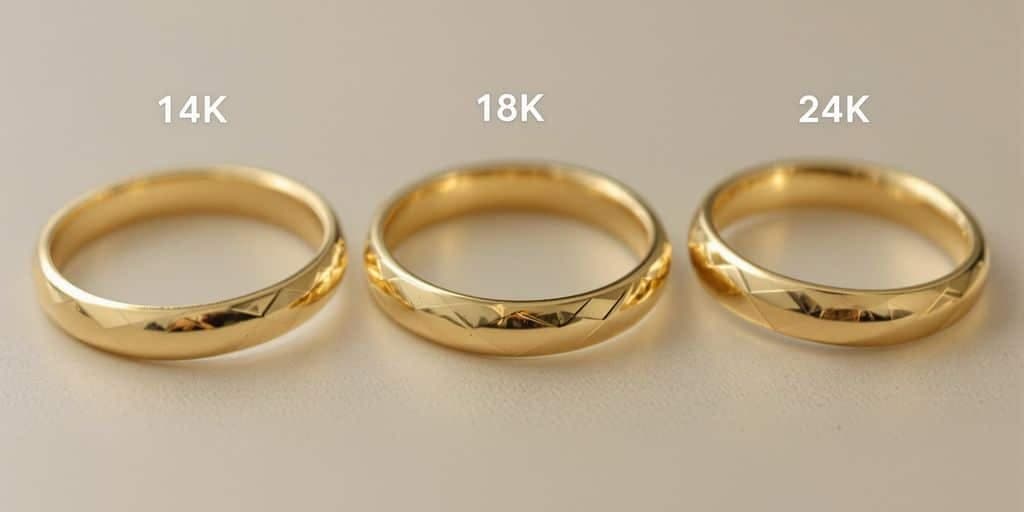
Yellow gold is the classic and most traditional choice for ruby jewelry. The warm tones of gold create a regal, luxurious aesthetic that has been used in ruby settings for centuries. Yellow gold with ruby is particularly popular in South Asian, Middle Eastern, and Mediterranean jewelry traditions.
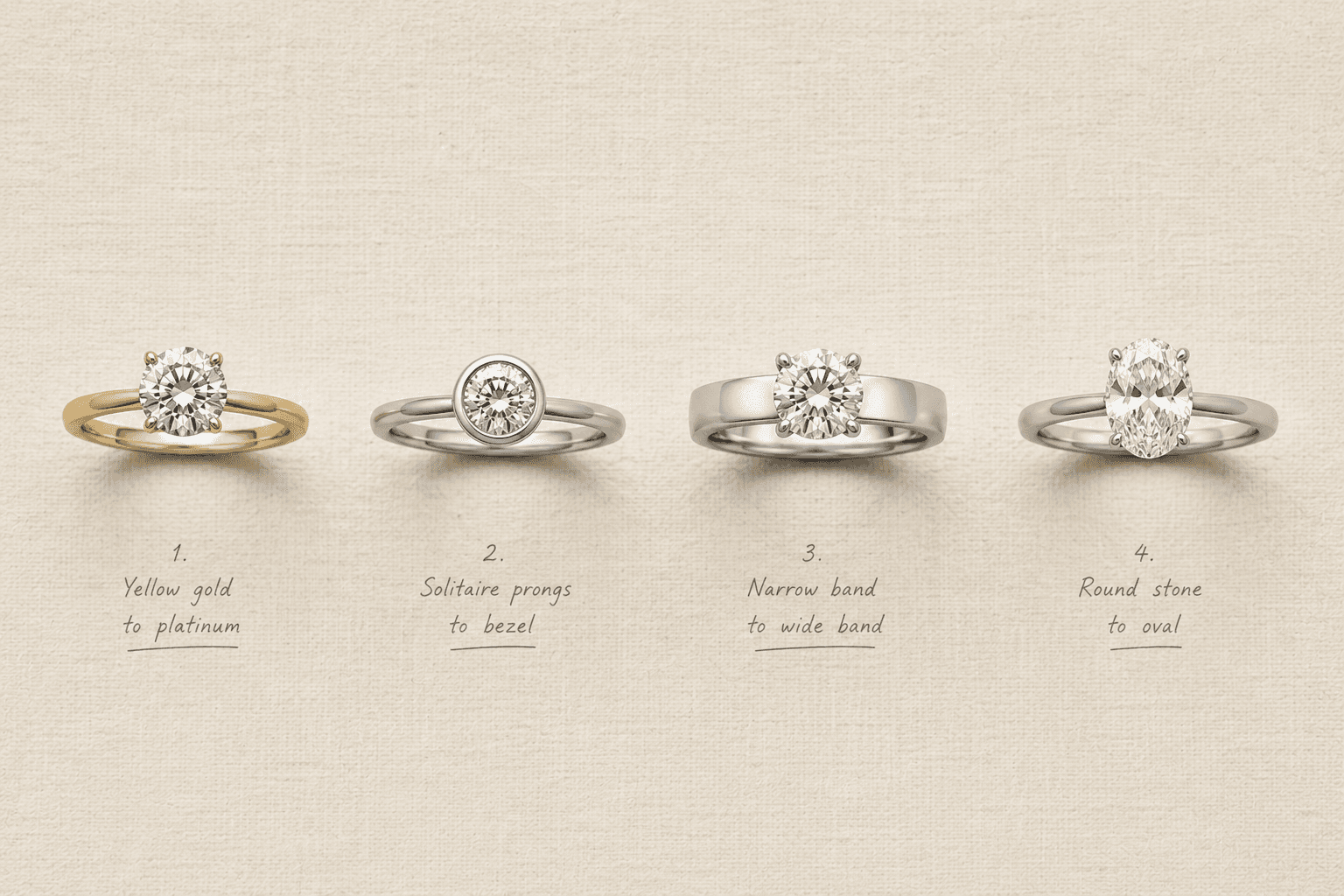
White gold and platinum provide a cooler, more contemporary contrast that makes the red of a ruby appear even more vivid and intense. The neutral metal background allows the stone's color to take center stage without competing warmth. This pairing is especially popular for modern ruby engagement ring designs.
Rose gold offers a romantic warmth that beautifully complements rubies with slight pink or purplish undertones. The blush tone of rose gold softens the overall look and creates a feminine, vintage-inspired feel that has gained significant popularity in recent years.
Ring Settings for Ruby Gemstones
Choosing the right ring setting for a ruby involves balancing beauty, protection, and light performance. For a deep dive into every major setting type, read our complete guide to ring settings.
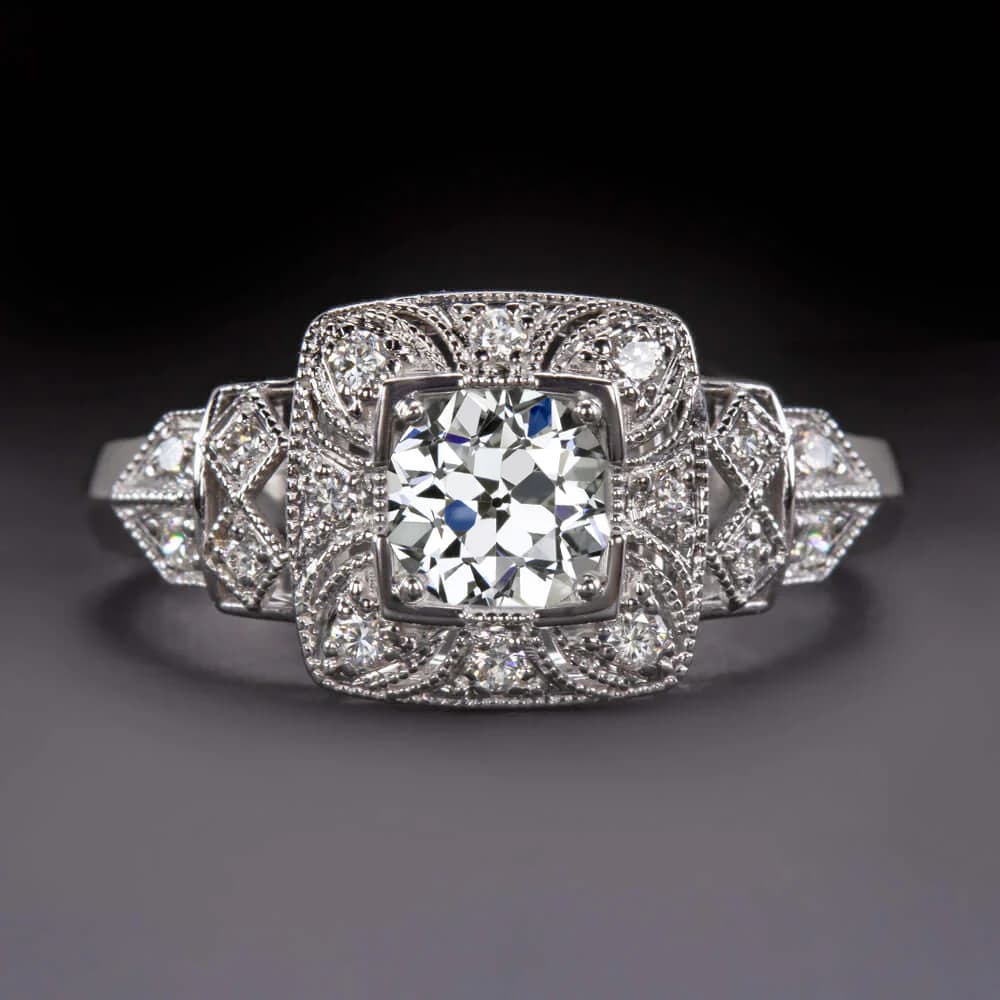
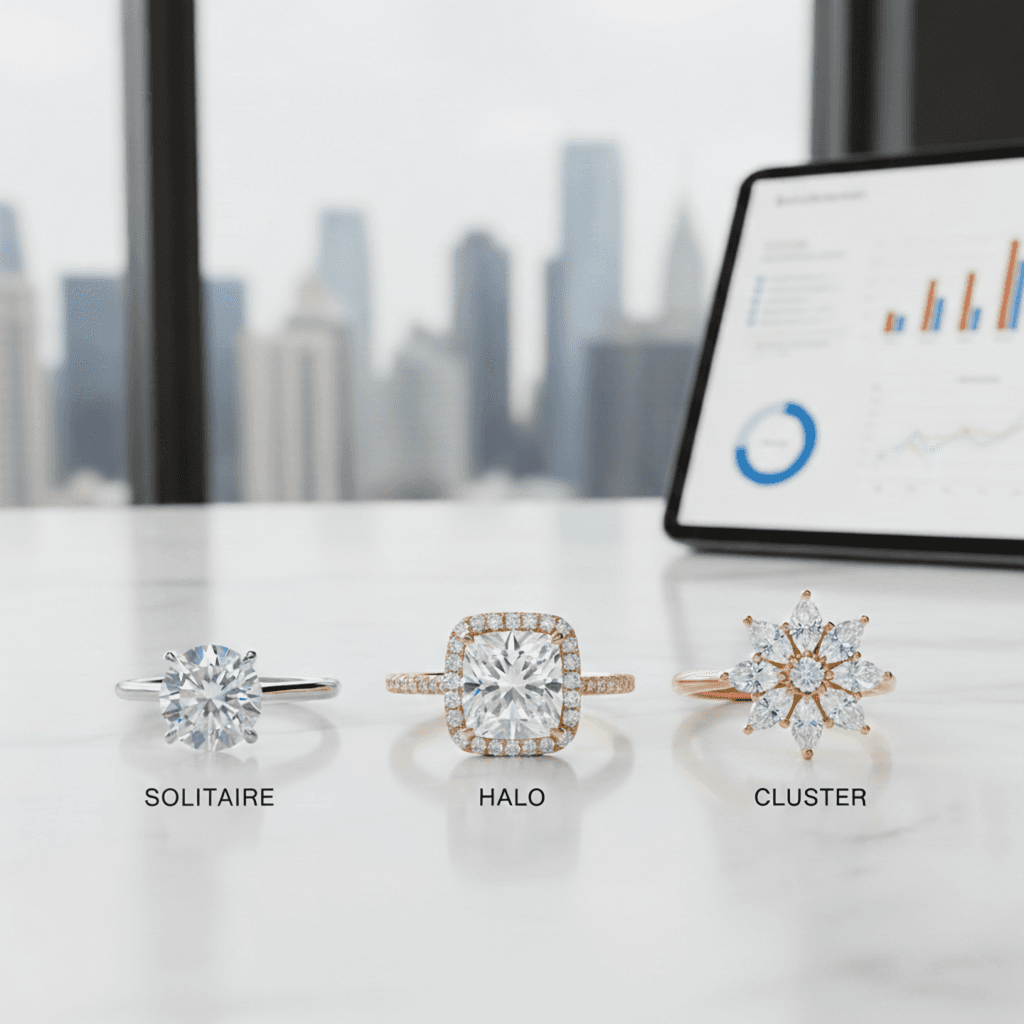
Solitaire settings place the ruby as the sole star of the piece, drawing all attention to the stone's color and quality. A four-prong or six-prong solitaire is a timeless choice for a ruby engagement ring that lets the gemstone speak for itself.
Halo settings surround the center ruby with a ring of smaller diamonds or white sapphires. This amplifies the visual size of the ruby, adds extra brilliance and sparkle, and creates a dramatic frame that highlights the contrast between red and white.
Three-stone settings pair a center ruby with diamond side stones, symbolizing past, present, and future. This classic design is one of the most popular configurations for ruby engagement rings and anniversary bands.
Bezel settings wrap a thin band of metal around the entire perimeter of the stone, offering the most protection for active wearers. Bezels give ruby rings a sleek, modern look and are ideal for people with hands-on professions or active lifestyles.
Cluster settings group several smaller rubies together to create the visual impact of a larger single stone. This approach makes ruby jewelry more accessible at lower price points while maintaining a bold, vibrant appearance.
Popular Ruby Jewelry Styles in 2026
Ruby engagement rings continue to grow in popularity as couples seek alternatives to traditional diamond solitaires. The trend toward colored gemstone engagement rings has made rubies the third most popular choice behind diamonds and sapphires. If you are in the early stages of choosing an engagement ring, our complete engagement ring buying guide walks through every step of the process.
Ruby eternity bands featuring alternating rubies and diamonds around the full circumference make stunning wedding bands and anniversary gifts. The red and white pattern creates a striking visual rhythm.
Ruby pendant necklaces range from simple solitaire drops to elaborate halo designs. A single ruby pendant on a delicate gold chain is one of the most versatile and timeless pieces in any jewelry collection.
Ruby stud earrings offer everyday elegance and are an excellent entry point for adding ruby to your jewelry wardrobe. They pair beautifully with both casual and formal outfits.
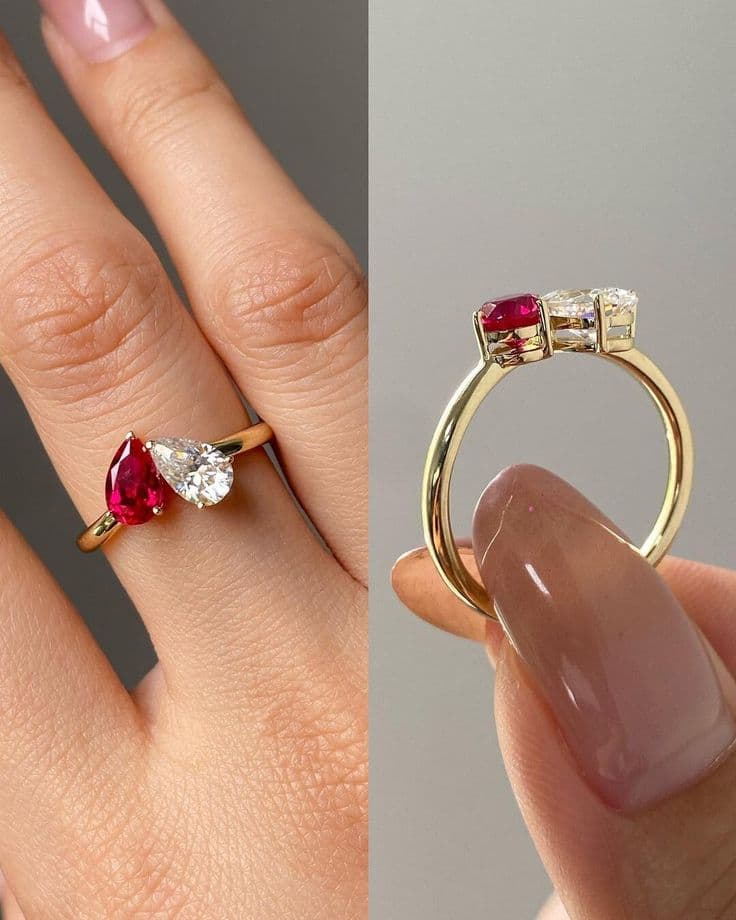
Toi et moi rings pairing a ruby with a diamond or sapphire have surged in popularity, creating a romantic two-stone design that symbolizes the union of two individuals. Learn more about this trending style in our toi et moi engagement rings guide.
Star Rubies and the Rare Phenomenon of Asterism
Star rubies represent one of the most captivating optical phenomena in the gemstone world. When rutile silk inclusions align in three intersecting directions within the crystal structure, they create a phenomenon called asterism. A properly cut cabochon reveals a luminous six-rayed star that glides gracefully across the surface of the stone as it moves under a single light source.
Fine star rubies are extremely rare, and the best examples combine a sharp, well-centered star with strong, vivid body color. The most famous star ruby is the Rosser Reeves Star Ruby, a 138.7 carat stone housed at the Smithsonian Institution in Washington, D.C.
When buying a star ruby, look for these qualities in order of importance. First, the star should be sharp, well-defined, and centered on the dome of the cabochon. Second, the body color should be as vivid and saturated as possible. Third, the stone should show good transparency beneath the star. Fourth, the cabochon should have symmetrical proportions without excessive depth that adds weight but not beauty.
Natural Ruby vs Lab-Created Ruby vs Ruby Alternatives
Understanding the full range of options helps buyers make the right choice for their budget and values.
Natural Rubies
Natural rubies are mined from the earth and formed over millions of years under extreme heat and pressure. They contain unique inclusion patterns that serve as fingerprints of their geological origin. Natural rubies, especially unheated specimens from prestigious origins, hold the strongest investment value and emotional significance.
Lab-Created (Synthetic) Rubies
Lab-created rubies are chemically, physically, and optically identical to mined rubies. They are grown in a laboratory using either the flame fusion (Verneuil) process or more advanced flux and hydrothermal methods. Lab rubies cost a fraction of natural stones, typically 80% to 95% less, and offer a sustainable, conflict-free alternative.
For buyers who prioritize beauty and budget over natural origin, synthetic rubies are an excellent choice for everyday jewelry. However, they have minimal resale or investment value compared to natural stones. The same natural versus lab-grown debate applies across gemstones, and you can explore that tradeoff further in our lab-grown vs natural diamonds guide and our sustainable lab-grown gemstone jewelry design overview.
Ruby Look-Alikes
Red spinel, red garnet (pyrope and almandine), red tourmaline (rubellite), and glass imitations can all resemble ruby to the untrained eye. Throughout history, many famous "rubies" in royal collections were later identified as red spinels. Always verify ruby identity through a qualified gemologist or lab report before making a significant purchase.
Natural vs Lab-Created Ruby Comparison
| Factor | Natural Ruby | Lab-Created Ruby |
|---|---|---|
| Chemical Composition | Al₂O₃ with Cr | Identical to natural |
| Hardness | 9 Mohs | 9 Mohs |
| Price (1 carat, fine) | $1,000 - $100,000+ | $50 - $500 |
| Inclusions | Silk, fingerprints, crystals | Gas bubbles, curved striae |
| Resale Value | Holds and appreciates | Minimal |
| Best For | Engagement rings, heirloom pieces, collectors | Fashion jewelry, everyday wear, budget buyers |
| Environmental Impact | Mining required | Lower footprint |
| Certification | GIA, GRS, Gubelin | Often uncertified |
How AI Is Transforming Ruby Jewelry Design in 2026
The rise of AI jewelry design tools is changing how jewelers and consumers create custom ruby jewelry. Platforms like Tashvi AI allow designers to generate photorealistic renderings of ruby rings, necklaces, earrings, and bracelets in minutes rather than days.
Benefits of AI for Ruby Jewelry Design
Rapid concept visualization lets jewelers show clients multiple ruby ring designs with different metals, settings, and stone arrangements in a single consultation. Instead of describing a halo ruby ring in yellow gold, you can show a realistic image of exactly what it will look like.
Design iteration without cost means you can explore 20 or 30 variations of a custom ruby engagement ring before committing to a single design for manufacturing. This eliminates the expensive trial-and-error process of traditional jewelry development.
Client communication improves dramatically when buyers can see and compare realistic visualizations. The gap between what a customer imagines and what a jeweler creates shrinks significantly, reducing revision cycles and increasing satisfaction.
Accessibility for new designers means that aspiring jewelry designers without CAD training can bring their ruby jewelry concepts to life visually, test market response, and build portfolios before investing in manufacturing infrastructure.
Ready to design your ruby jewelry? Start creating with Tashvi AI and bring your ruby jewelry vision to life with AI-powered design tools.
Ruby Buying Checklist for Choosing the Perfect Ruby
Use this practical checklist when purchasing a ruby for any piece of jewelry.
Demand a Lab Report from a credible gemological laboratory for any natural ruby over half a carat. Trusted labs include GIA, GRS, Gubelin, SSEF, and AGL. The report should confirm natural origin, disclose all treatments, and ideally include a color grade.
Evaluate Color First because color determines the majority of a ruby's value. Look for a vivid, saturated red without brown or orange overtones. View the stone in daylight, incandescent light, and fluorescent light, as rubies can look dramatically different across lighting conditions.
Understand the Treatment by asking your seller explicitly whether the stone is unheated, heated only, flux healed, or glass filled. Avoid lead glass-filled rubies entirely for engagement rings, wedding jewelry, or any piece intended for daily wear or long-term value.
Consider Origin Strategically because a Mozambique ruby of excellent color can offer the same visual beauty as a Burmese ruby at 40% to 60% of the cost. Pay for origin only if provenance and heritage value matter to you personally or for investment purposes.
Check Proportions and Dimensions by requesting millimeter measurements. A well-proportioned ruby should have balanced depth and good symmetry without excessive bulge underneath that adds carat weight without improving the face-up appearance.
Compare Before Committing by viewing multiple stones side by side whenever possible. Color comparisons are much easier when you can see stones next to each other rather than evaluating each one in isolation.
Why Ruby Remains the King of Colored Gemstones
Ruby jewelry represents the intersection of ancient reverence and modern desire. With a hardness of 9 on the Mohs scale, rubies are durable enough for daily wear in engagement rings, wedding bands, and everyday pieces. Their unmatched red color carries centuries of symbolism around love, passion, courage, and commitment.
Whether you are drawn to the legendary pigeon blood rubies of Myanmar, the excellent value of Mozambique rubies, or the accessibility of lab-created alternatives, understanding quality factors and treatments ensures you make a confident, informed choice.
The combination of natural beauty, exceptional durability, deep cultural significance, and growing availability through modern sources makes ruby one of the most compelling gemstones for jewelry design in 2026 and beyond.
Ready to start designing? Create your custom ruby jewelry with Tashvi AI and explore endless possibilities with AI-powered jewelry design tools.
Frequently Asked Questions
Quick answers to the questions readers ask most about this guide.
What makes a ruby valuable?
The most important factor in ruby value is color. A vivid, saturated red with medium to medium-dark tone commands the highest prices per carat. The most valuable rubies show a "pigeon blood" color, a pure red with a slight blue fluorescent undertone. Origin also matters significantly, with Burmese rubies from the Mogok Valley considered the most prestigious. Untreated stones with excellent clarity carry premiums of 30% to 100% over heated alternatives of similar appearance.
What is a pigeon blood ruby and why is it so expensive?
Pigeon blood is the trade term for the most desirable ruby color. It describes a vivid, pure red with a slight blue undertone and strong fluorescence that makes the stone appear to glow from within. Originally associated exclusively with Mogok, Myanmar rubies, the term is now used by gemological labs like GRS and Gubelin to grade exceptional rubies regardless of origin. Pigeon blood rubies command the highest prices in the colored gemstone market, with fine examples selling for over $1 million per carat at auction.
Are rubies good for engagement rings?
Rubies are excellent for engagement rings and are the second most popular colored gemstone choice after sapphires. They score 9 on the Mohs hardness scale, making them the second hardest natural gemstone after diamond. Rubies resist scratching, handle daily wear beautifully, and do not require special care beyond normal jewelry maintenance. Their deep red color also carries powerful symbolism of passion, love, and lifelong commitment.
How can AI help design ruby jewelry?
AI jewelry design tools like Tashvi AI allow designers and customers to generate photorealistic ruby ring, necklace, and earring concepts in minutes. You can experiment with different metal colors such as yellow gold, white gold, rose gold, and platinum, explore various setting styles from solitaire to halo to three-stone, and visualize stone arrangements without any CAD experience. This dramatically reduces revision cycles and helps jewelers present multiple options to clients before committing to production.
What is the difference between Burmese and Mozambique rubies?
Burmese rubies from the Mogok Valley are prized for their pure red color, strong fluorescence, velvety texture from fine silk inclusions, and centuries of historical prestige. Mozambique rubies, discovered in significant quantities around 2009, produce stones with similar beauty and color saturation at more accessible price points. Both origins can achieve pigeon blood color grades from major gemological labs, though Burmese stones carry a heritage premium that can double or triple the price compared to a visually similar Mozambique ruby.
How much does a 1 carat ruby cost?
Ruby prices vary enormously based on quality. Commercial-grade heated rubies start around $100 to $500 per carat. Fine quality heated rubies with good color range from $1,000 to $5,000 per carat. Top quality unheated rubies with vivid pigeon blood color from prestigious origins like Burma can reach $10,000 to $100,000+ per carat. At auction, exceptional Burmese rubies have exceeded $1 million per carat.
What is the difference between a ruby and a pink sapphire?
Ruby and pink sapphire are both varieties of the mineral corundum. The only difference is color intensity. A stone must show a distinctly red hue to be classified as a ruby. If the color is too light or leans heavily toward pink, it is classified as a pink sapphire. The exact boundary between the two remains one of the most debated topics in gemology, and different labs may classify the same borderline stone differently.