How AR Mirrors Are Transforming In-Store Jewelry Experiences
Augmented reality mirrors are revolutionizing how customers try on jewelry in retail stores. Discover how AR technology blends digital visualization with physical shopping to boost engagement, reduce returns, and personalize the in-store jewelry buying journey.
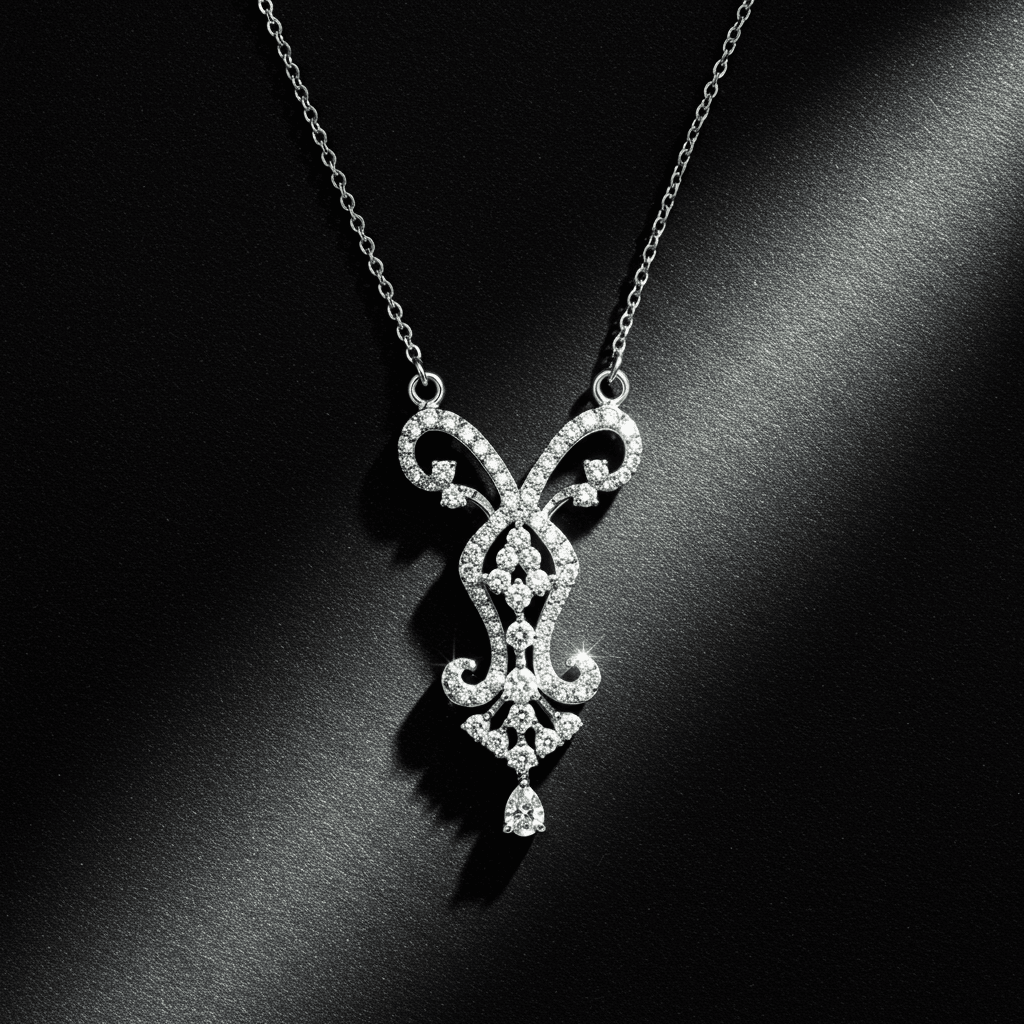
AR mirrors are transforming in-store jewelry experiences by letting customers virtually try on rings, necklaces, earrings, and bracelets using real-time augmented reality overlays. These smart mirrors blend digital visualization with physical retail, increasing customer engagement by up to 40 percent while reducing return rates and enabling personalized jewelry discovery.
The jewelry retail landscape is undergoing a profound technological shift. While e-commerce has captured a significant share of consumer spending, physical jewelry stores still account for the majority of fine jewelry purchases. The reason is simple. Customers want to see how a piece looks on them before committing thousands of dollars. Augmented reality mirrors are bridging the gap between digital convenience and the tactile, personal nature of in-store shopping, creating an experience that neither channel could deliver alone.
What Are AR Mirrors and How Do They Work
An AR mirror, sometimes called a smart mirror or magic mirror, is a display system that combines a camera, a screen, and real-time image processing software to overlay digital content onto a customer's live reflection. In the context of jewelry retail, the mirror detects the wearer's body landmarks such as earlobes, neckline, wrist, or fingers and renders a 3D model of a jewelry piece onto those points with accurate scale, movement tracking, and lighting simulation.
The underlying technology draws on several disciplines. Computer vision algorithms detect and track body parts in real time. 3D rendering engines produce photorealistic jewelry models complete with reflections, refractions, and material properties. Machine learning models ensure the overlay adapts to different skin tones, lighting conditions, and body movements so the jewelry appears naturally worn rather than pasted on.
Key Hardware Components
Modern AR mirror setups for jewelry stores typically include a high-resolution display panel, one or more depth-sensing cameras, ambient light sensors, and a processing unit running the AR software. Some systems use standalone smart mirror enclosures that resemble elegant full-length mirrors, while others rely on tablets or smaller screens positioned at jewelry counters.
| Component | Purpose | Typical Specification |
|---|---|---|
| Display Panel | Shows the customer's reflection with AR overlay | 4K resolution, anti-glare coating |
| Depth Camera | Tracks body landmarks and hand positioning | Intel RealSense or equivalent |
| RGB Camera | Captures color and skin tone data | 1080p minimum at 60fps |
| Light Sensor | Adjusts rendering to match ambient store lighting | Integrated ambient sensor |
| Processing Unit | Runs AR software and 3D rendering in real time | GPU-accelerated edge compute |
Why Jewelry Retail Needs AR Mirrors
Traditional jewelry shopping involves a sales associate unlocking display cases, handling delicate pieces, and manually fitting items on customers. This process is slow, limits the number of pieces a customer can try, and introduces security concerns. AR mirrors solve multiple pain points simultaneously.
Expanding the Try-On Experience
A typical jewelry store displays only a fraction of its available inventory due to space and security constraints. AR mirrors let customers browse and virtually try on the entire catalog, including pieces stored in vaults, available at other locations, or not yet manufactured. This dramatically expands the range of styles a customer can explore in a single visit. When combined with tools that help customers understand different ring settings or diamond shapes, the educational value of the experience grows even further.
Reducing Purchase Anxiety
Jewelry is an emotional, high-value purchase. Customers often hesitate because they cannot fully visualize how a piece will look with their skin tone, wardrobe, or personal style. AR mirrors provide instant visual confirmation, reducing uncertainty and building confidence. Studies from major retail technology providers indicate that interactive try-on experiences can reduce return rates by 15 to 25 percent because customers make more informed decisions at the point of sale.
Increasing Dwell Time and Engagement
Retail analytics consistently show that the longer a customer spends in a store, the more likely they are to make a purchase. AR mirrors create an engaging, almost gamified experience that encourages exploration. Customers linger, try different combinations, and share their virtual looks on social media, generating organic word-of-mouth marketing for the retailer.
Real-World Applications in Jewelry Stores
Several forward-thinking jewelry brands have already deployed AR mirror technology with measurable results. The applications extend beyond simple try-on to encompass customization, storytelling, and clienteling.
Virtual Customization Stations
AR mirrors paired with design configurators allow customers to modify jewelry in real time. They can swap gemstones, change metal types, adjust band widths, or add engraving, all while seeing the modified piece rendered on their hand or neck. This turns the mirror into a collaborative design tool that bridges the gap between standard inventory and bespoke jewelry design.
Collection Previews and Trunk Shows
Jewelry brands launching new collections can use AR mirrors to let customers try on pieces before they go into production. This serves as both a marketing activation and a pre-order tool. Designers can gauge customer interest in different styles and make data-driven decisions about which pieces to produce at scale.
Guided Selling and Upselling
Smart AR mirrors can integrate with a store's point-of-sale and CRM systems. When a customer tries on a solitaire engagement ring, the mirror can suggest matching wedding bands, complementary earrings, or necklaces that complete the look. This contextual suggestion engine, powered by purchase data and style matching algorithms, turns the mirror into a silent but effective sales associate.
The Technology Behind Realistic Jewelry Rendering
Rendering jewelry convincingly in augmented reality is one of the most challenging problems in real-time 3D graphics. Jewelry materials, especially diamonds, colored gemstones, and polished metals, interact with light in complex ways that are computationally expensive to simulate.
Physically Based Rendering for Metals and Gems
Modern AR jewelry systems use physically based rendering (PBR) techniques that model how light bounces, refracts, and disperses through gemstone materials. Diamond rendering, for example, must account for total internal reflection, fire (spectral dispersion), and brilliance (white light return). Gold and platinum surfaces require accurate simulation of metallic reflectance and micro-surface roughness.
Real-Time Environment Mapping
For the jewelry overlay to look natural in a mirror, the rendering engine must capture and respond to the actual lighting conditions in the store. This is achieved through environment mapping, where the camera captures the surrounding light and color, and the rendering engine uses this data to illuminate the virtual jewelry accordingly. If the store has warm spotlighting, the virtual gold ring will reflect warm highlights, maintaining the illusion of reality.
Skin Tone Adaptation
A critical detail that separates good AR jewelry experiences from great ones is how well the system adapts to different skin tones. The best systems analyze the wearer's complexion and adjust the jewelry rendering to ensure natural contrast and complementary visual harmony, just as a skilled jeweler would when recommending pieces in person.
Challenges and Limitations
Despite the impressive progress, AR mirrors for jewelry still face several challenges that retailers should consider before investing.
Haptic Absence
No matter how realistic the visual rendering, customers cannot feel the weight of a ring on their finger or the drape of a necklace against their skin. For many jewelry buyers, the tactile experience is a significant part of the decision-making process. AR mirrors work best as a discovery and narrowing tool, with physical try-on reserved for the final selection.
Calibration and Maintenance
AR mirrors require regular calibration to maintain accuracy. Changes in store lighting, camera drift, or software updates can affect the quality of the overlay. Retailers need to allocate resources for ongoing technical maintenance, which adds to the total cost of ownership.
Customer Adoption Curve
Some customers, particularly older demographics who represent a significant portion of fine jewelry buyers, may feel uncomfortable or skeptical about interacting with AR technology. Thoughtful UX design, on-screen guidance, and attentive staff can help bridge this comfort gap.
How AR Mirrors Connect to the Broader Digital Jewelry Ecosystem
AR mirrors do not exist in isolation. They are part of a larger digital transformation happening across the jewelry industry. The same 3D assets created for AR try-on can be repurposed for e-commerce product pages, social media AR filters, and virtual consultations.
This interconnected approach means that investing in high-quality 3D jewelry models pays dividends across multiple channels. A single digital twin of a ring can power the in-store AR mirror, the online try-on feature on the brand's website, and the Instagram AR filter that lets followers try on pieces from their phones. Understanding AI-powered jewelry design tools becomes essential for jewelers looking to build this unified digital asset pipeline.
The Future of AR in Jewelry Retail
The trajectory of AR mirror technology points toward increasingly seamless and intelligent experiences. Upcoming developments include gesture-based interaction where customers can swipe through collections with hand movements, AI-powered style recommendations based on the customer's wardrobe and previous purchases, and multi-user mirrors where couples can see themselves wearing complementary pieces side by side.
Integration with social commerce is another frontier. Imagine a customer trying on a necklace at an AR mirror, capturing a photo, and sharing it to Instagram with a direct purchase link, all without leaving the mirror interface. This collapses the discovery-to-purchase funnel into a single, seamless moment.
The convergence of AR with AI-driven jewelry design also promises new possibilities. Customers could describe their dream piece to an AI, see it generated in real time, and then try it on via the AR mirror, all within a few minutes.
How Tashvi AI Fits Into the AR Jewelry Landscape
Tashvi AI plays a complementary role in the AR mirror ecosystem by generating the high-quality jewelry visualizations that power these experiences. Before a piece can appear in an AR mirror, it needs to exist as a detailed digital asset. Tashvi AI's reference-based design system lets jewelers upload inspiration images and generate photorealistic jewelry renderings that can serve as the foundation for 3D model creation. This dramatically reduces the time and cost of building the digital catalog that AR mirrors require.
For jewelers who are not yet ready to invest in full AR mirror hardware, Tashvi AI offers an accessible entry point into digital jewelry visualization. Designers can use the platform to create catalog-ready images, explore customization options with clients, and build the digital asset library that will eventually power their AR retail experiences. Try designing on Tashvi AI free to start building your digital jewelry catalog today.
Preparing Your Jewelry Business for AR
Retailers considering AR mirrors should start by auditing their digital readiness. Do you have high-quality 3D models or detailed renders of your key pieces? Is your inventory management system capable of syncing with an AR platform? Have you trained your staff to incorporate AR into the selling process?
Starting small with a single AR-enabled counter or a tablet-based try-on station allows you to test customer response and refine the experience before committing to a full-store deployment. The technology is maturing rapidly, and early adopters who build their digital asset libraries now will have a significant competitive advantage as AR becomes a standard expectation in jewelry retail.
The transformation of in-store jewelry shopping through AR mirrors is not a question of if but when. Retailers who embrace this technology thoughtfully, integrating it with their existing sales processes and digital strategy, will create the kind of memorable, personalized shopping experiences that keep customers coming back.
Frequently Asked Questions
Quick answers to the questions readers ask most about this guide.
How do AR mirrors work for jewelry try-on?
AR mirrors use cameras and real-time image processing to detect the customer's face, neck, ears, or hands. The system then overlays a photorealistic 3D rendering of a jewelry piece onto the customer's reflection, adjusting for movement, lighting, and skin tone so the piece appears naturally worn.
Are AR mirrors accurate enough for fine jewelry?
Modern AR mirrors achieve remarkable accuracy in scale, color, and light reflection. High-end systems can simulate the sparkle of diamonds and the luster of gold with near-photorealistic fidelity. While no digital overlay perfectly replicates the weight and feel of real jewelry, visual accuracy has reached a level that satisfies most retail applications.
What is the cost of implementing AR mirrors in a jewelry store?
Costs vary significantly depending on the hardware and software chosen. Basic tablet-based AR try-on solutions can start from a few hundred dollars per month, while fully integrated smart mirror systems with custom enclosures and dedicated software can range from $5,000 to $30,000 per unit including installation and licensing.
Do AR mirrors actually increase jewelry sales?
Industry reports suggest that AR try-on technology can increase conversion rates by 20 to 40 percent in jewelry retail settings. Customers who interact with AR mirrors spend more time in-store, try more styles, and feel more confident in their purchase decisions, all of which contribute to higher average order values.
Can AR mirrors show custom or unreleased jewelry designs?
Yes, and this is one of the most powerful applications. Jewelers can load custom designs or upcoming collections into the AR system, letting customers virtually try on pieces that have not yet been manufactured. This is especially valuable for bespoke and made-to-order jewelry businesses.