How to Buy Jewelry for Someone With Different Style Preferences
Buying jewelry for someone whose taste differs from yours requires observation, research, and creative strategies. Learn how to decode personal style cues, navigate unfamiliar aesthetics, and choose pieces that will delight any recipient.
Buying jewelry for someone whose style differs from your own is one of the most common gifting challenges people face. What looks beautiful to you might not resonate with someone who favors minimalist designs, prefers silver over gold, or gravitates toward bold statement pieces instead of delicate chains. The key to success lies in setting aside your own preferences and learning to see through the recipient's eyes.
This guide provides a systematic approach to decoding another person's jewelry style, shopping confidently outside your comfort zone, and selecting pieces that will genuinely delight someone whose taste is nothing like yours.
Identifying Their Personal Style
Before shopping, you need to gather information about the recipient's aesthetic. The most reliable way to understand someone's jewelry preferences is to observe what they already wear. This requires paying quiet attention over days or weeks rather than relying on a single observation.
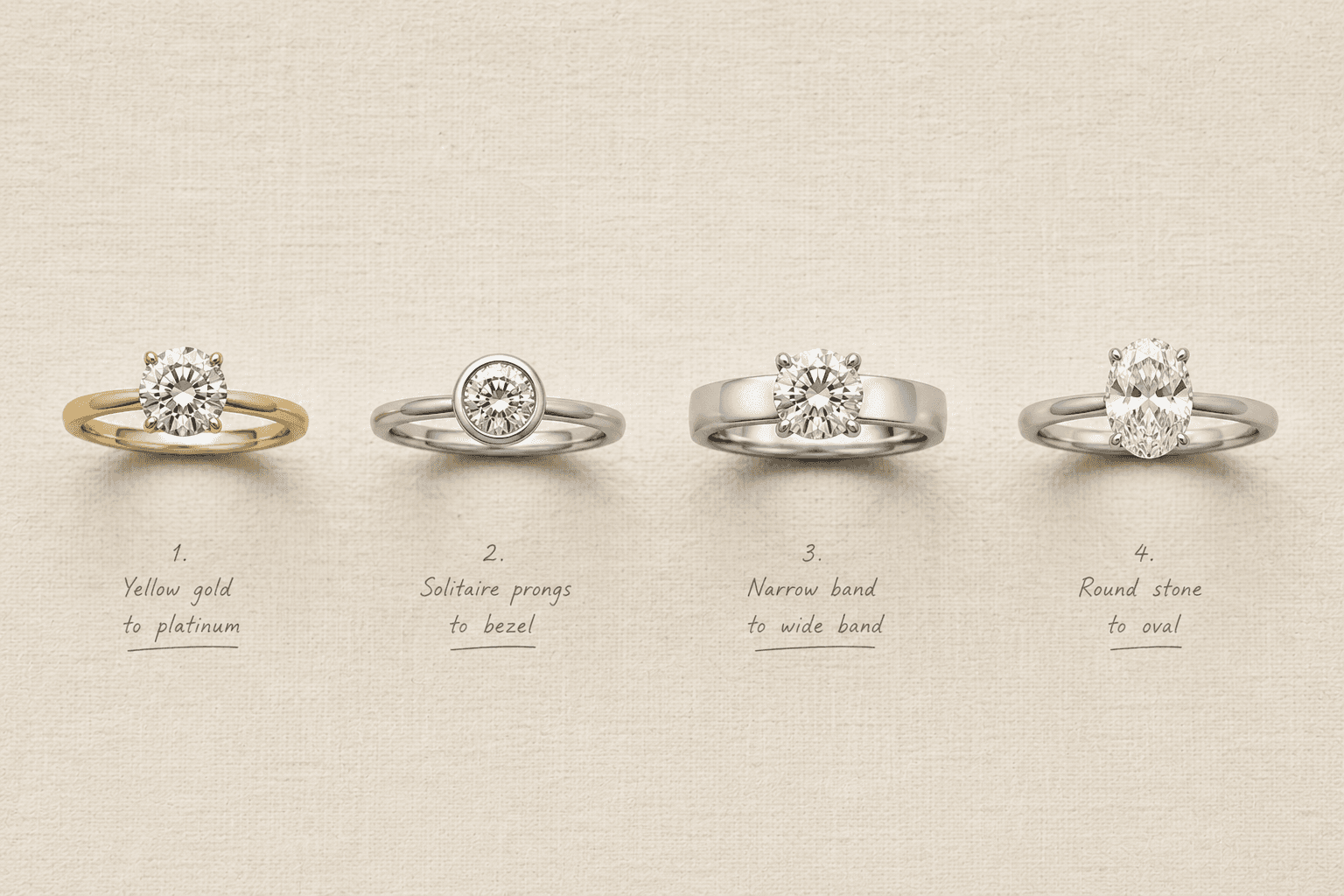
Start with metals. Does the recipient consistently wear gold toned jewelry, silver toned pieces, or a mix of both? This single detail eliminates roughly half of your options immediately and is one of the most common reasons jewelry gifts miss the mark. Someone who exclusively wears silver will rarely be thrilled with a gold piece, regardless of its beauty or quality.
Next, notice the scale of their jewelry. Do they wear delicate, barely-there chains and tiny studs, or do they favor chunky bracelets, oversized hoops, and bold pendants? The difference between a minimalist initial necklace and a statement choker is enormous, and getting this wrong feels more jarring than choosing the wrong gemstone.
The Style Observation Checklist
| Style Element | What to Notice | Shopping Implication |
|---|---|---|
| Metal preference | Color of existing jewelry, watch band, belt buckle, glasses frames | Stick to their dominant metal |
| Scale preference | Size of earrings, thickness of chains, boldness of rings | Match the visual weight they prefer |
| Jewelry type | Which pieces they wear most (ears, neck, wrists, fingers) | Gift the type they actually use |
| Color palette | Clothing colors, gemstone colors in existing pieces | Choose complementary tones |
| Lifestyle factors | Active vs sedentary, hands-on work, formal vs casual settings | Select durability and formality accordingly |
Understanding Jewelry Personality Types
People's jewelry choices generally fall into recognizable patterns that make shopping easier once you identify the category. While no one fits perfectly into a single box, these personality types provide helpful starting points.
The Minimalist
Minimalists prefer clean lines, simple shapes, and understated elegance. They wear one or two carefully chosen pieces rather than layering multiple items. For this person, a delicate solitaire pendant, thin gold band, or small diamond studs will always outperform an elaborate multi-stone design. Quality of materials matters more than visual impact.
The Maximalist
Maximalists love bold, eye-catching jewelry and often wear multiple pieces simultaneously. They enjoy layering and stacking different styles and are not afraid of color. For this person, a statement cocktail ring, a chunky chain necklace, or a stack of colorful bangles will excite far more than a simple stud.
The Sentimentalist
Sentimentalists value meaning over aesthetics. They wear jewelry with personal significance, like family heirlooms, name necklaces, birthstone pieces, or items from meaningful trips. For this person, personalization is everything. An engraved piece with a significant date, a locket with a photo, or a birthstone ring will resonate deeply.
The Trendsetter
Trendsetters stay current with jewelry fashion and rotate pieces frequently. They follow jewelry designers on social media and enjoy being among the first to wear new styles. For this person, research current trends before shopping and choose pieces from designers or brands they follow rather than defaulting to classics.
The Classicist
Classicists favor timeless designs that never go out of style. They gravitate toward pearl jewelry, diamond studs, tennis bracelets, and traditional gold pieces. For this person, heritage brands and traditional designs feel more appropriate than avant-garde or trendy options.
Research Strategies That Actually Work
When observation alone does not give you enough information, these strategies help fill in the gaps without spoiling the surprise.
Social Media Sleuthing
Check their Pinterest boards, Instagram saved posts, and any jewelry-related interactions on social media. People often save images of jewelry they love, creating a virtual wishlist you can reference. Pay attention to which jewelry brands they follow, which posts they like, and what styles appear repeatedly in their saves.
The Friend and Family Network
Close friends and family members often have insights about the recipient's jewelry preferences that you might miss. A sister might know that she has been eyeing a specific bracelet for months. A best friend might know that he has always wanted a signet ring. Do not hesitate to recruit help from people who know the recipient well.
Shopping Together Without Buying
Suggest browsing a jewelry store or website together for "fun" or for "someone else." Watch which displays draw their attention, which pieces they pick up, and what they comment on positively. Their spontaneous reactions reveal genuine preferences far more accurately than direct questions.
The Direct But Casual Approach
Sometimes the best strategy is asking directly but casually. Frame it within a broader conversation about style or fashion rather than making it obvious you are shopping for them. Questions like "do you prefer yellow gold or white gold" or "do you ever wear bracelets" can be dropped naturally into conversation without raising suspicion.
Navigating Style Differences
When the recipient's style is dramatically different from yours, shopping can feel disorienting. A person who loves bohemian jewelry might struggle to appreciate what makes one modern minimalist piece better than another. Here are strategies for shopping confidently in unfamiliar territory.
Trust the research over your instincts. If your research tells you they prefer silver and delicate designs, resist the urge to buy the bold gold piece that catches your eye. Your job is to shop for their taste, not yours.
Lean on expert guidance. Jewelry store associates encounter this challenge daily and can translate your research findings into specific product recommendations. Share what you know about the recipient's style and let the expert guide you toward appropriate options.
Read reviews from people with similar tastes. If you are shopping for a minimalist, read reviews from self-described minimalists to understand what they value in a piece. Online jewelry communities and forums provide perspective from people who share the recipient's aesthetic.
When all else fails, choose versatility. A simple diamond or gemstone pendant, classic hoop earrings, or a thin chain bracelet works across nearly every style category. These pieces complement rather than define someone's look, making them safe choices when you cannot confidently identify their preferences.
Common Gifting Mistakes to Avoid
The most frequent mistake is projecting your own taste onto the recipient. Buying what you would want to receive rather than what they would want to receive leads to well-intentioned gifts that sit unworn in jewelry boxes. Separate your preferences from theirs completely.
Another common error is overcomplicating the gift. Multi-gemstone pieces, heavily detailed designs, and statement items carry more risk because they require a closer style match. When uncertain, simplicity reduces risk while still allowing the piece to feel special through quality materials and thoughtful personalization.
Guessing ring sizes without verification leads to awkward exchanges. If you are buying a ring, find a creative way to determine their size. Borrow a ring they currently wear, ask a friend to help, or trace one of their rings on paper. Many jewelers offer free resizing within a window after purchase, but getting close to the right size shows extra care.
Finally, avoid buying jewelry that sends unintended messages. Certain pieces carry specific symbolism. A ring on the left ring finger implies engagement. Matching couples jewelry implies a certain relationship level. Make sure the symbolism of your gift matches the actual relationship.
Visualize Gift Ideas With Tashvi AI
One of the biggest challenges of buying jewelry for someone with different taste is imagining how a piece will look and feel in a style that is not your own. Tashvi AI bridges this gap by letting you generate visual concepts based on specific style descriptions. Tell the platform you need a minimalist gold pendant for someone who prefers Scandinavian aesthetics, or describe a bold art deco ring for a maximalist, and see realistic design concepts instantly.
This visualization process helps you evaluate options within an unfamiliar style category before spending money. You can generate multiple variations, compare them side by side, and share concepts with friends or family for a second opinion before committing to a purchase.
Try designing on Tashvi AI free
Turning Uncertainty Into Thoughtfulness
Buying jewelry for someone with different style preferences is not a disadvantage. It is an opportunity to demonstrate how well you know and understand someone. The effort required to decode their style, research their preferences, and step outside your comfort zone communicates a level of care that a same-taste gift never could. When the recipient opens a piece that perfectly matches their aesthetic despite knowing your taste runs differently, the message is clear. You paid attention, and you chose them over your own instincts.
Frequently Asked Questions
Quick answers to the questions readers ask most about this guide.
How do I figure out what jewelry style someone prefers?
Observe what they already wear daily. Note the metal color (gold vs silver), size (delicate vs bold), and type (earrings vs necklaces vs bracelets). Check their social media for saved jewelry posts, ask their close friends for insight, or browse their online wishlists for direct clues about their preferences.
What if the person I am buying for never wears jewelry?
Non-jewelry wearers often appreciate subtle, comfortable pieces like thin chain necklaces, small stud earrings, or slim bangles. Avoid heavy or ornate designs that might feel unfamiliar. Start with one versatile piece in a neutral metal that can be worn with anything without feeling overwhelming.
Is it better to buy classic or trendy jewelry for someone else?
When uncertain, classic styles are the safer choice because they transcend trends and personal taste variations. Simple gold hoops, diamond studs, a tennis bracelet, or a solitaire pendant work for nearly every style. Trendy pieces work best when you are confident the recipient actively follows jewelry trends.
Should I keep the receipt when gifting jewelry?
Always keep the receipt or request a gift receipt. Even thoughtfully chosen jewelry sometimes misses the mark on size, color, or style. A gift receipt allows the recipient to exchange without awkwardness. Many jewelers also offer adjustment services for sizing or minor design modifications after purchase.
How can I subtly ask someone about their jewelry preferences?
Browse jewelry together casually online or in a store and note what catches their eye. Share jewelry posts on social media and gauge their reaction. Ask open-ended questions like 'do you prefer gold or silver' in a general conversation. You can also enlist a close friend or family member to ask on your behalf.