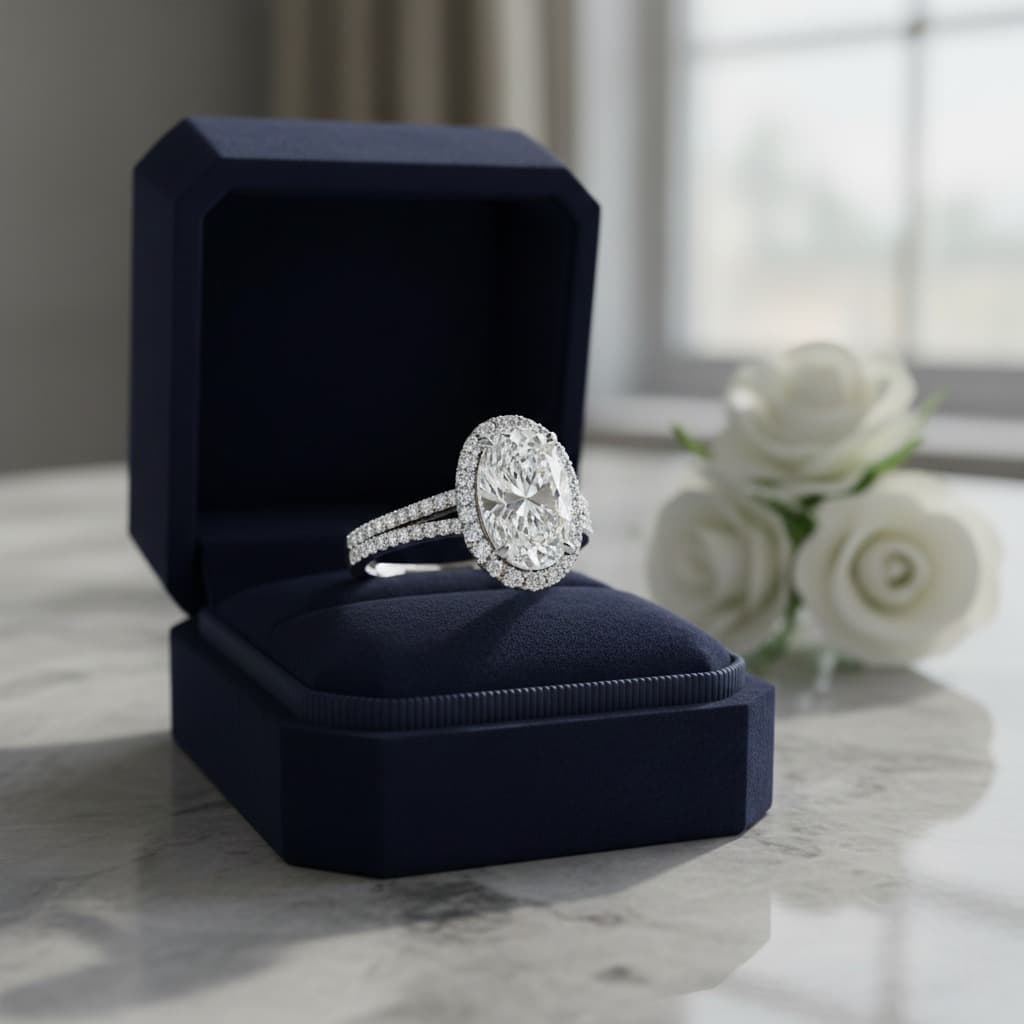
How Color Theory Applies to Jewelry Design
Learn how color theory transforms jewelry design through complementary gemstone pairings, metal-stone harmony, and strategic color placement. Master the color wheel to create visually stunning jewelry.
Color theory applies to jewelry design by guiding gemstone selection, metal pairing, and visual composition to create pieces with intentional harmony or dynamic contrast. Understanding how the color wheel, color temperature, saturation, and value relationships work empowers designers to craft jewelry that is not just beautiful by accident but beautiful by design.
Color Theory Fundamentals for Jewelers
The Color Wheel in Gemstone Terms
The traditional color wheel organizes colors by their relationships. In jewelry, these relationships translate directly into gemstone combinations.
Primary colors, red, blue, and yellow, correspond to rubies, sapphires, and citrines or yellow diamonds. Secondary colors, green, orange, and purple, map to emeralds, spessartite garnets, and amethysts. Tertiary colors fill the spaces between, represented by stones like teal sapphires, padparadscha sapphires, and color-change garnets.
Understanding where each gemstone sits on the color wheel reveals its natural design partners.
Hue, Saturation, and Value
Every gemstone color has three dimensions that affect its visual impact in jewelry.
Hue is the basic color identity. A sapphire's hue is blue, but that blue might lean toward violet or green. Saturation describes the intensity of the color. A vivid sapphire has high saturation, while a pale aquamarine has low saturation. Value refers to the lightness or darkness. A deep navy sapphire has low value, while a sky-blue topaz has high value.
These three dimensions interact with each other and with metal settings to determine how a gemstone reads in the final piece. A highly saturated, low-value stone like a deep emerald creates drama. A low-saturation, high-value stone like a pale rose quartz creates softness.
Color Harmony Strategies
Monochromatic Combinations
Monochromatic jewelry uses variations of a single hue at different saturations and values. A ring featuring a deep blue sapphire center stone flanked by medium tanzanite side stones and accented with pale aquamarine details creates a blue-on-blue composition that feels sophisticated and cohesive.

| Color Family | Deep Shade | Medium Tone | Light Version |
|---|---|---|---|
| Blue | Dark sapphire | Tanzanite | Aquamarine |
| Green | Deep emerald | Tsavorite | Peridot |
| Red/Pink | Ruby | Rhodolite garnet | Morganite |
| Purple | Deep amethyst | Iolite | Lavender quartz |
| Yellow | Citrine | Golden beryl | Lemon quartz |
Monochromatic designs look effortlessly elegant and are the safest approach for multi-stone pieces. They create visual depth through tonal variation rather than color contrast.
Complementary Color Pairings
Complementary colors sit opposite each other on the color wheel. When placed together, they create maximum contrast and visual energy. In jewelry, complementary gemstone pairings include blue sapphire with orange citrine, emerald with ruby, and amethyst with yellow diamond.
The key to using complementary colors in jewelry is proportion. Equal amounts of two complementary colors can feel overwhelming. Instead, use one color as the dominant element and the other as an accent. An emerald pendant with small ruby accents uses the complement as a spark rather than a competitor.
Analogous Color Groups
Analogous colors sit next to each other on the color wheel. They create naturally harmonious combinations because they share underlying color components. Blue sapphire, blue-violet tanzanite, and violet amethyst form an analogous group that flows seamlessly.
Analogous palettes work beautifully in multi-stone designs like graduated necklaces, cluster rings, and pavé surfaces where stones of slightly different hues create a color gradient. The effect is richer than monochromatic but more harmonious than complementary.
Triadic Combinations
Triadic color schemes use three colors equally spaced around the color wheel. The primary triad of red, blue, and yellow translates to ruby, sapphire, and citrine or yellow diamond. This combination is vibrant and balanced, with each color enhancing the others.
Triadic combinations work best in designs where the three colors are clearly separated, such as a three-stone ring or a pendant with three distinct sections. Mixing them randomly can feel chaotic, but structured placement creates sophisticated visual rhythm.
Metal as a Color Element
Yellow Gold's Warm Influence
Yellow gold is itself a warm color that affects every gemstone it touches. It intensifies warm stones, making rubies appear richer and citrines glow more brilliantly. With cool stones, yellow gold creates temperature contrast. A blue sapphire in yellow gold looks different from the same stone in white gold because the warm metal adds a visual warmth to the overall composition.
For a detailed breakdown of gold tones across different karat levels, our types of gold guide explains how alloy composition affects color.
White Metal's Cool Clarity
White gold, platinum, and sterling silver provide a neutral-to-cool backdrop that allows gemstone colors to express themselves without metal interference. Colorless diamonds appear their whitest in white settings because there is no yellow reflection. Blue, green, and purple stones maintain their pure hues without warm contamination.
White metals also create a graphic, high-contrast look when paired with deeply saturated colored stones. A vivid emerald bezel-set in platinum pops against the neutral backdrop.
Rose Gold's Unique Character
Rose gold, with its pink-copper warmth, is the most distinctive metal tone for color relationships. It harmonizes beautifully with pink gemstones like morganite, pink tourmaline, and padparadscha sapphire. It creates interesting complementary relationships with green stones. And it adds an unexpected warmth to blue stones that some designers find more interesting than the expected white metal pairing. Learn more about metal choices in our metal selection guide.
Color and Skin Tone
Jewelry is always seen against the wearer's skin, making skin tone a critical color context.
Warm Skin Tones
Warm skin tones, characterized by golden, olive, or peachy undertones, pair naturally with yellow gold, rose gold, and warm gemstones. Ruby, garnet, citrine, peridot, and coral all flatter warm complexions by echoing the skin's underlying warmth.
Cool Skin Tones
Cool skin tones, featuring pink, blue, or red undertones, harmonize with white metals and cool gemstones. Sapphire, amethyst, aquamarine, and blue topaz complement cool complexions. Silver and white gold settings enhance rather than clash with the skin's cool character.
Neutral Skin Tones
Neutral skin tones have the widest range of flattering options. Both warm and cool metals work, and virtually any gemstone color complements the skin. This versatility makes design for neutral skin tones a matter of personal preference rather than color science.
Strategic Color Placement
Focal Point Color
The most saturated or contrasting color in a piece naturally becomes the focal point. In a ring with a deep blue sapphire surrounded by colorless diamonds, the eye goes directly to the sapphire. Understanding this allows designers to control where the viewer's attention lands.
Color Weight and Balance
Darker, more saturated colors carry more visual weight than lighter, less saturated ones. A design that places a large dark stone on one side needs balancing, perhaps with multiple lighter stones, additional metalwork, or a complementary accent on the other side. Our guide to balance in jewelry design covers these principles in detail.
Color Flow
In multi-stone pieces, the sequence of colors creates visual flow. A graduated necklace that moves from pale to deep blue pulls the eye toward the center. A bracelet that alternates two complementary colors creates a rhythmic back-and-forth movement. The designer controls the viewer's eye path through deliberate color sequencing.
Common Color Mistakes in Jewelry
Placing two highly saturated complementary colors in equal proportions creates visual vibration that feels unsettling rather than beautiful. Using too many different hues in a single piece creates confusion. Pairing a warm metal with a gemstone that needs cool metal support diminishes both elements. Ignoring the skin tone context means a piece that looks stunning on a display stand might not flatter the wearer.
How Tashvi AI Visualizes Color Harmony
Color relationships are notoriously difficult to predict from descriptions alone. Tashvi AI solves this by letting you see gemstone and metal color combinations in realistic renders before committing to materials. Describe "three-stone ring with emerald center, sapphire and ruby side stones in rose gold" and see exactly how those colors interact.
The platform is ideal for comparing color options. Generate the same ring design with different gemstone combinations or in different metal tones and compare the results side by side. This visual comparison eliminates guesswork and helps you find the exact color harmony that brings your design vision to life.
Try designing on Tashvi AI free
Designing With Intention
Color is the most emotionally immediate element of any jewelry design. Before a viewer registers shape, texture, or style, they respond to color. Mastering color theory gives jewelry designers the ability to create that instant emotional response intentionally, crafting pieces that attract, delight, and resonate through the power of considered color relationships.
Frequently Asked Questions
Quick answers to the questions readers ask most about this guide.
How does color theory apply to jewelry design?
Color theory guides gemstone selection, metal pairing, and overall visual harmony in jewelry. The color wheel helps designers choose complementary, analogous, or triadic gemstone combinations. It also informs how metal tones interact with stone colors to create cohesive or high-contrast designs.
What gemstone colors go well together?
Complementary pairs like blue sapphire with citrine, or emerald with ruby, create vibrant contrast. Analogous groupings like sapphire, tanzanite, and amethyst create harmonious gradients. Monochromatic combinations using different shades of one color, like light to dark blue, feel elegant and cohesive.
Does metal color affect how gemstones look?
Significantly. Yellow gold warms cool-toned stones and enhances warm stones. White gold and platinum make colorless diamonds appear brighter and can intensify blue and green stones. Rose gold flatters warm tones like peach morganite and creates interesting contrast with green gems.
What is the most versatile gemstone color for jewelry?
Blue is considered the most versatile gemstone color because it complements all metal tones, pairs with the widest range of other gem colors, and flatters the broadest range of skin tones. Sapphire is the most popular choice, but topaz, tanzanite, and aquamarine also work well.
How do you choose jewelry colors for different skin tones?
Warm skin tones pair well with yellow gold, rose gold, and warm gemstones like ruby, citrine, and peridot. Cool skin tones suit white gold, platinum, and cool stones like sapphire, amethyst, and aquamarine. Neutral skin tones can wear virtually any combination.