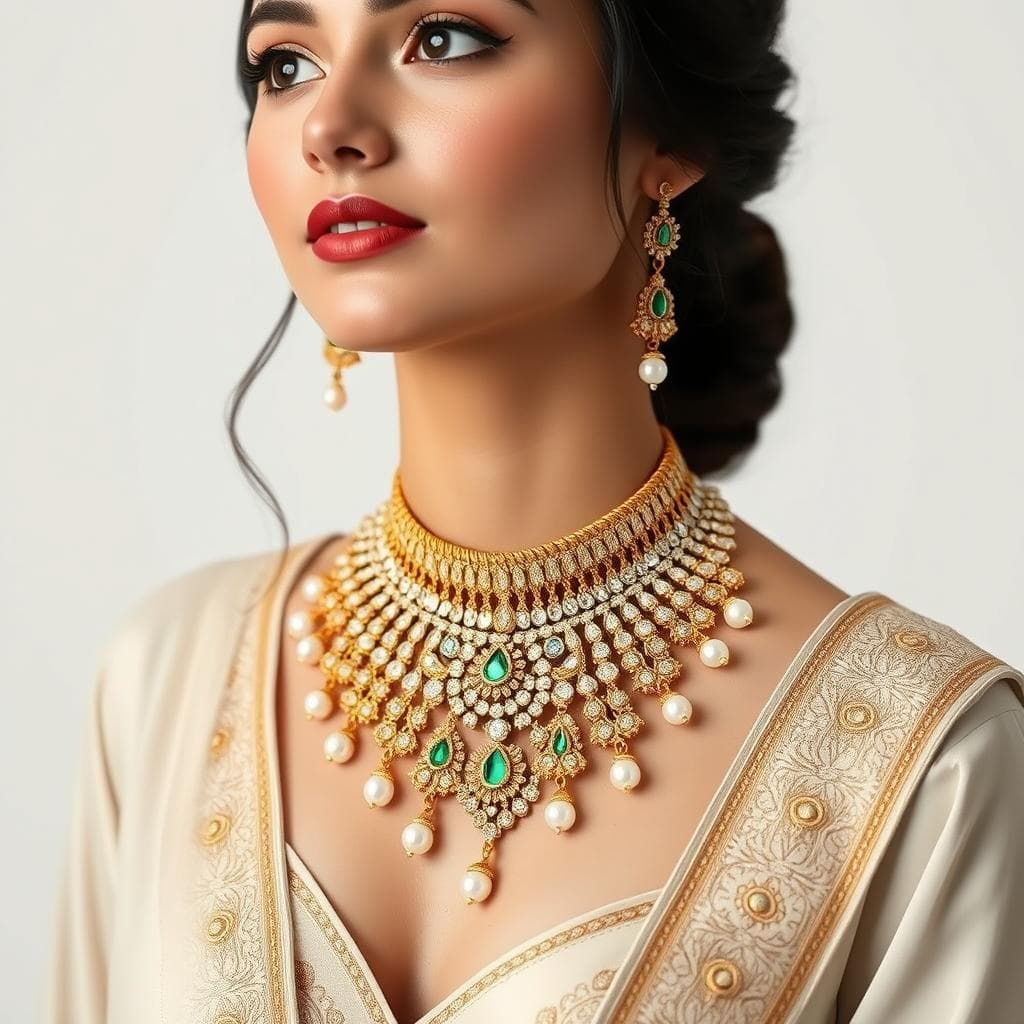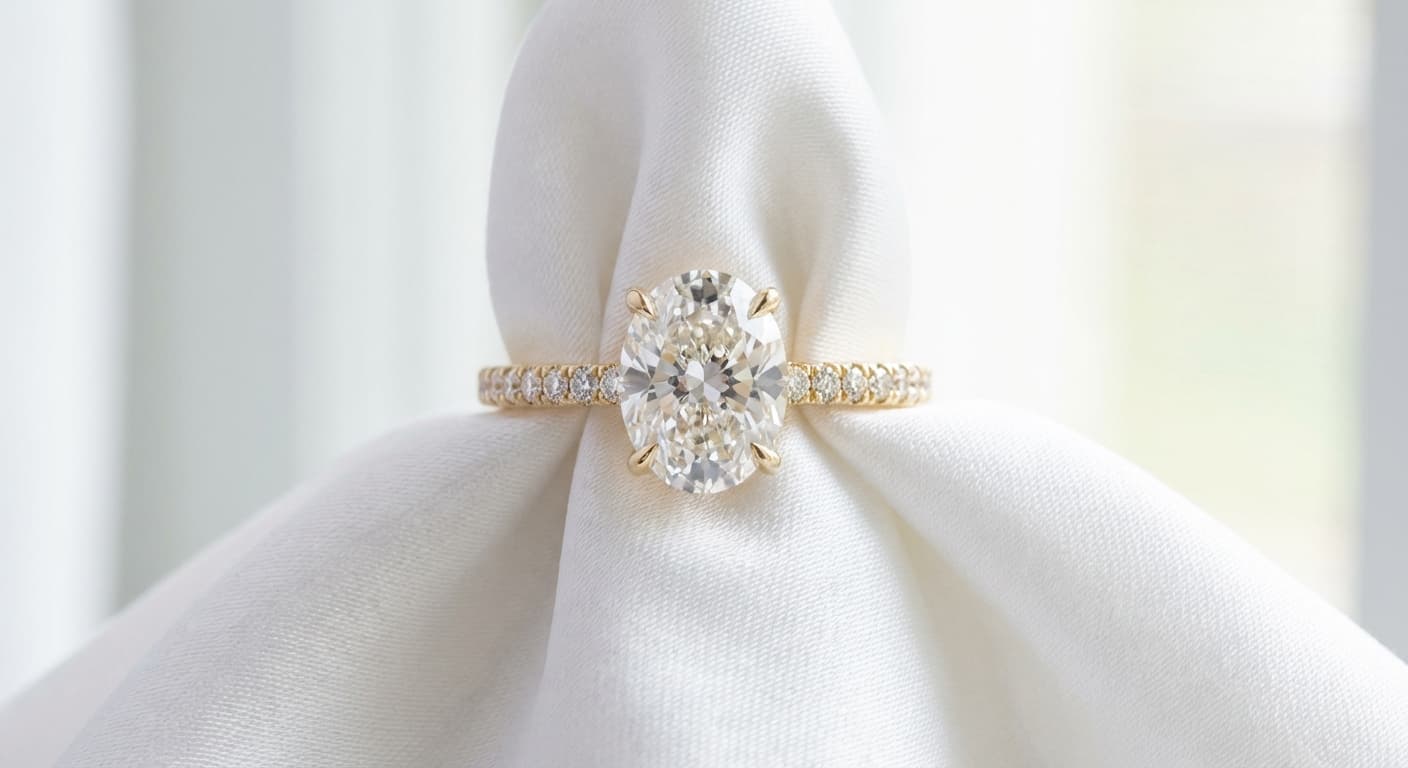
How to Create a Mood Board for Your Jewelry Collection
Build effective jewelry mood boards that capture your collection vision using color palettes, material samples, reference images, and AI design tools.
A jewelry mood board is a curated visual layout that defines the aesthetic direction, materials, colors, and emotional tone for an entire collection before any sketching or prototyping begins. Building one well saves weeks of indecision and keeps every piece in your lineup visually coherent. Professional jewelry houses typically spend one to two weeks on mood board development alone, and that investment pays for itself many times over during the four to six week production phase that follows.
Whether you are a solo designer launching your first capsule collection or a brand creative director planning a seasonal release, the mood board is your most important pre-production tool. Most seasonal jewelry collections feature 10 to 25 pieces, and the mood board is what ensures visual consistency across every single item. It translates abstract ideas into concrete visual references that guide every downstream decision, from metal alloy selection and gemstone sourcing to packaging design and marketing photography. A strong mood board does not just inspire. It communicates your vision to manufacturers, investors, retail buyers, and marketing teams in a language that transcends verbal descriptions.
This tutorial walks you through the complete mood board creation process in seven actionable steps. You will learn what to include, how to organize your visual references, which tools to use, and how to refine your board until it becomes a reliable compass for your entire collection development workflow. Plan to begin this process three to six months before your intended launch date so you have ample time for sampling, production, and marketing after the mood board is finalized.
Step 1 Define Your Collection Concept and Target Audience
Every effective mood board begins with a clear concept statement. Before collecting a single image, write down the answers to five foundational questions about your collection.
First, identify the emotional response you want your jewelry to evoke. Words like "bold confidence," "quiet elegance," or "playful nostalgia" help anchor your visual search. Second, define your target customer in specific terms. A mood board for minimalist stackable rings aimed at women aged 25 to 35 looks fundamentally different from one targeting luxury collectors in their 50s. Third, determine your price point range, because material choices and design complexity directly influence mood board content. Fourth, decide on a seasonal or thematic anchor. Is this a spring bridal collection, a holiday gift line, or a year-round signature series? Finally, list three to five adjectives that capture the essence of the collection.
Write your concept statement in two to three sentences. For example, "A spring 2026 collection of lightweight gold vermeil pieces inspired by Mediterranean coastal architecture. The collection targets millennial women seeking everyday luxury with organic, sun-warmed textures and soft pastel gemstone accents." This statement becomes the filter through which you evaluate every image and material sample that enters your mood board.
Consider building a brief customer persona alongside your concept statement. Include an image on your board that represents your ideal buyer, whether that is a lifestyle photograph, a fashion editorial clipping, or a portrait of someone who embodies the demographic you are targeting. Jewelry is deeply emotional, and visualizing the person who will wear your pieces helps you design with empathy and intention rather than in a vacuum.
Understanding your audience also means researching current trends that resonate with them. The spring 2026 jewelry trend forecast reveals growing consumer interest in soft pastels and organic shapes, which could validate or challenge your initial concept direction.
Competitor and Market Positioning
Before diving into visual research, spend 30 minutes reviewing five to eight competitor brands that target a similar customer segment. Note what visual themes they are using, which materials appear repeatedly, and where you see gaps in the market. Your mood board should reflect not just what inspires you but also where your collection will stand in relation to existing offerings. Mark the visual territory you want to occupy and the aesthetic boundaries you want to avoid.
Step 2 Gather Your Visual Inspiration Sources
With your concept statement written, begin collecting images from a wide variety of sources. The best jewelry mood boards pull inspiration far beyond existing jewelry designs. Limiting yourself to jewelry references alone leads to derivative work, while cross-disciplinary inspiration produces original, compelling collections.
Start with five categories of visual material. The first category is direct jewelry references, including three to five existing pieces from other designers that capture elements of your intended aesthetic. These might share a similar metalwork technique, stone setting style, or overall silhouette. The second category is architectural and interior design imagery, because building facades, tile patterns, furniture details, and spatial compositions often translate beautifully into jewelry proportions and surface textures. The third category is natural forms, ranging from botanical close-ups and mineral formations to ocean textures and animal patterns. The fourth category is fashion and textile references, including garments, fabric drapes, and runway looks that align with your collection's intended styling context. The fifth category is fine art and cultural references, such as paintings, sculptures, ceramics, and traditional craft motifs that inform the emotional register of your designs.
Aim to collect 40 to 60 images during this initial gathering phase. Do not over-curate at this stage. Cast a wide net and allow unexpected connections to emerge between disparate sources. A weathered wooden door in Portugal might share the exact same tonal warmth as a particular rose gold alloy finish, and discovering that connection is the magic of the mood board process.
Where to Find Quality References
Pinterest remains one of the most accessible platforms for jewelry mood board research, offering organized boards and visual search functionality that surfaces related images automatically. Use Pinterest's "Sections" feature to divide a single board into categories like metals, gemstones, silhouettes, lifestyle context, and packaging references. Create your board as a secret board during the development phase so your concepts stay private until launch, and add collaborators from your team who can pin directly to it. Write keyword-rich board titles and descriptions because Pinterest functions as a search engine, and the algorithm cannot determine what your board is about from images alone.
Instagram is valuable for discovering emerging designers and seeing jewelry styled on real people. Museum digital archives, particularly those of the Victoria and Albert Museum and the Metropolitan Museum of Art, provide high-resolution images of historical jewelry that can inform contemporary design. The Smithsonian's National Gem Collection and the British Museum's jewelry archive are also excellent resources for period-specific references. Design-specific platforms including Behance and Dribbble showcase jewelry rendering and packaging concepts. Finally, your own photography library often contains overlooked inspiration from travel, daily life, and nature walks.
Step 3 Build Your Color Palette with Precision
Color is the single most unifying element in any jewelry collection, and your mood board must define it with specificity rather than vague references to "warm tones" or "cool neutrals." A precise color palette ensures consistency across metals, gemstones, enamel finishes, packaging, and marketing materials.
Begin by extracting dominant colors from your gathered inspiration images. Most design tools, including Canva, Adobe Color, and Coolors, offer automatic palette extraction from uploaded photos. Identify a primary palette of three to five colors and a secondary palette of two to three accent colors. For each color, record the hex code, the closest Pantone reference, and a descriptive name that connects it to your collection concept.
Stay aware of industry-wide color movements that influence buyer expectations. Pantone named Cloud Dancer, a soft luminous white (Pantone 11-0501), as the 2026 Color of the Year. In jewelry, that translates to platinum, white gold, pearls, moonstones, opals, white sapphires, and mother-of-pearl. Even if your collection palette leans warm, knowing the dominant color narrative helps you position your pieces in the broader market conversation. The Pantone Fashion Color Trend Report, published each season, lists 10 standout colors that frequently appear in runway jewelry and accessories.
Your palette should account for all material categories in your collection. Metal tones form the foundation, whether you are working with yellow gold, rose gold, white gold, platinum, or silver. Gemstone colors provide focal contrast or subtle harmony depending on your concept. Surface finish variations, from high polish to brushed matte to hammered texture, create visual differences even within the same metal, so include finish references in your palette section.
According to the Gemological Institute of America (GIA, color consistency across a jewelry collection is one of the primary factors that distinguishes professional collections from disjointed product lines. Their research on color grading systems demonstrates how subtle color variations affect perceived value and collection coherence.
For a deeper exploration of how color relationships influence jewelry design decisions, the guide on color theory in jewelry design covers complementary, analogous, and triadic color schemes specifically applied to metals and gemstones.
Metal and Gemstone Color Mapping
Create a simple reference chart within your mood board that maps your palette colors to specific materials.
| Palette Position | Color Reference | Material Translation | Finish Notes |
|---|---|---|---|
| Primary 1 | Warm gold, hex #D4A84B | 18k yellow gold | High polish for statement pieces, brushed for everyday |
| Primary 2 | Blush pink, hex #E8C4B8 | Rose gold vermeil | Satin finish throughout |
| Primary 3 | Soft ivory, hex #F5F0E8 | Freshwater pearl | Natural luster, baroque shapes preferred |
| Accent 1 | Sage green, hex #A8B5A0 | Prehnite cabochons | Smooth dome cut, translucent quality |
| Accent 2 | Warm terra cotta, hex #C17F59 | Carnelian or sunstone | Faceted for rings, cabochon for pendants |
This mapping transforms abstract color choices into actionable material specifications that your manufacturing partners can reference directly.
Step 4 Organize Your Mood Board Layout
The arrangement of elements on your mood board matters as much as the content itself. A well-organized layout communicates hierarchy, relationships, and narrative flow. A cluttered, randomly arranged board obscures these connections and undermines the board's usefulness as a communication tool.
Choose one of three proven layout structures based on your collection type and communication needs.
The first layout structure is the central hero arrangement. Place your single strongest inspiration image at the center of the board, slightly larger than surrounding images. Arrange supporting images, material swatches, and color references radiating outward from this anchor. This layout works best for collections built around one dominant design element or signature piece.
The second layout structure is the grid narrative. Divide your board into a structured grid with clear rows or columns representing different aspects of the collection. One row might contain color and material references, another might hold silhouette and form inspiration, and a third might feature lifestyle and styling context. This layout suits collections with multiple distinct design pillars that need equal visual weight.
The third layout structure is the flow story. Arrange images in a loose, editorial flow that tells the story of your collection from concept through execution. Start with broad atmospheric images on one side and progressively move toward more specific design references. This layout is most effective for presenting to clients, buyers, or investors because it mirrors a narrative presentation structure.
Regardless of which layout you choose, leave intentional white space between image groupings. Crowded mood boards feel chaotic and make it difficult for viewers to identify the relationships between elements. White space creates visual breathing room and suggests confidence in your curation choices.
Digital vs. Physical Mood Boards
| Factor | Digital Mood Board | Physical Mood Board |
|---|---|---|
| Best for | Remote teams, quick iteration, sharing | Tactile evaluation, client presentations |
| Tools | Canva, Milanote, Adobe InDesign, Pinterest | Foam core, cork board, printed images |
| Material samples | Limited to photographs | Actual metal swatches, fabric, stones |
| Editing speed | Instant rearrangement and resizing | Time-consuming to reposition |
| Cost | Free to low monthly subscription | Printing and material costs |
| Collaboration | Real-time multi-user editing | Requires in-person review sessions |
| Archiving | Cloud storage, easy duplication | Physical storage, potential degradation |
Many professional jewelry designers maintain both formats. They start with a digital board for speed and collaboration, then build a physical companion board with actual material samples for tactile evaluation. The combination gives you the efficiency of digital tools alongside the irreplaceable experience of seeing how metals and gemstones interact under real lighting conditions.
For physical boards, the most popular size among professional designers is 20 by 30 inches (approximately 50 by 70 centimeters, also known as B2 format). Use 3mm thick foam core, which is the standard weight for presentation-quality mood boards and sturdy enough to hold metal sample cards and gemstone chips without warping. White foam core works best for delicate, light-toned collections while black or dark gray backgrounds make metallic samples and gemstone references pop with greater contrast. Use repositionable adhesive dots or small pins rather than permanent glue so you can rearrange elements during the refinement phase without damaging your prints.
Step 5 Add Material and Texture References
A mood board without material specificity remains aspirational rather than actionable. This step transforms your visual inspiration into a tangible production reference by adding detailed material and texture annotations.
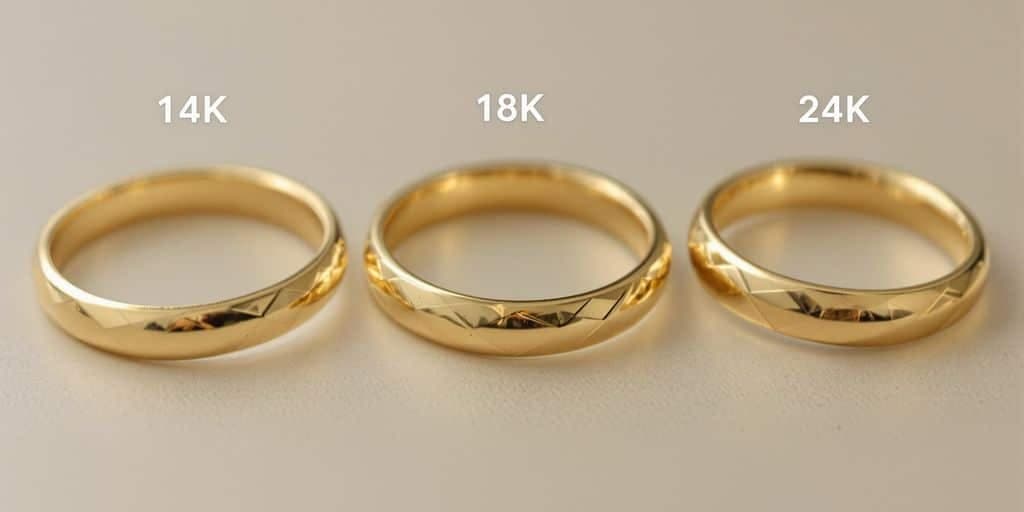
For each metal in your collection, include a reference image showing the specific alloy color and finish you intend to use. A "gold ring" can mean dozens of different things depending on karat, alloy composition, and surface treatment. Your mood board should distinguish between a warm, buttery 22k gold and a cooler, more structured 14k gold with palladium content. Include close-up texture references showing your intended surface treatments, whether hammered, granulated, engraved, woven, or high-polished.
Gemstone references should go beyond identifying the stone type. Include images that show the specific cut, clarity range, color saturation, and setting style you envision. A mood board that simply says "blue sapphire" leaves enormous room for misinterpretation. One that shows a particular shade of cornflower blue in a bezel setting with a matte gold surround communicates precisely what you want.
For collections incorporating non-traditional materials such as enamel, ceramic, wood, leather, or textile elements, include both visual references and written notes about the material's properties, sourcing, and handling requirements. These annotations help manufacturers understand not just what you want something to look like but how it should feel and perform.
Understanding how to communicate these material specifications through jewelry technical drawings ensures that your mood board translates accurately into production-ready documentation.
Texture Vocabulary for Your Mood Board
Develop a shared texture vocabulary that your team and manufacturing partners can reference consistently. Terms like "organic," "raw," or "modern" mean different things to different people. Instead, use specific descriptive phrases paired with reference images. "Hammered surface with irregular shallow impressions, similar to hand-forged artisan metalwork" is far more useful than "rustic texture." Similarly, "mirror-polished with crisp geometric edges" communicates more precisely than "clean and modern."
Here are industry-standard finish terms to use on your mood board instead of vague descriptors.
| Vague Term | Precise Industry Term | Visual Description |
|---|---|---|
| Shiny | Mirror polish or high polish | Reflective surface with no visible texture, achieved through progressive buffing with compounds down to 0.5 micron |
| Matte | Satin finish or brushed finish | Soft directional lines created by abrasive pads, typically 320 to 600 grit |
| Rustic | Hand-hammered or planished | Irregular shallow impressions from repeated hammer blows, each mark unique |
| Sparkly | Diamond-cut or florentine | Precision-cut facets on flat metal surfaces that catch light from multiple angles |
| Rough | Sandblasted or bead-blasted | Uniform matte surface created by projecting fine glass or aluminum oxide beads at high pressure |
| Antique | Oxidized or patinated | Chemically darkened recesses with polished highlights, using liver of sulfur for silver or selenium dioxide for copper alloys |
Group your texture references into families that correspond to different product categories within your collection. Everyday pieces might share a common satin-brushed finish, while statement pieces feature more dramatic textures. This texture hierarchy reinforces the visual relationships between items and helps customers perceive the collection as an intentional, curated offering rather than a random assortment.
Step 6 Use AI Tools to Fill Visual Gaps
Even the most thorough research process leaves gaps in your mood board. You might have a clear mental image of a ring design that blends Art Nouveau curves with contemporary minimalism, but no existing reference photo captures that exact hybrid. This is where AI design tools become invaluable.
AI image generation tools like Tashvi AI allow you to describe a specific jewelry concept and receive visual representations that match your intent. Rather than settling for a reference image that is "close enough," you can generate concept visuals that precisely capture the intersection of influences your collection explores. This capability is particularly powerful for innovative designs that have no direct precedent in existing jewelry photography.
The process works best when you approach AI generation with the same specificity you applied to your color palette and material references. Vague prompts produce generic results. Instead, describe the metal type, finish, stone placement, proportions, and stylistic influences you want to see. A prompt like "18k yellow gold signet ring with an oval cabochon moonstone, tapered band with subtle Art Deco geometric engraving on the shoulders, photographed on a marble surface" gives the AI enough direction to produce a useful mood board reference.
For a deeper exploration of how AI accelerates the mood board process, the guide on AI design mood boards for jewelry collections covers advanced techniques for integrating AI-generated concepts into your creative workflow.
Integrating AI-Generated Concepts Effectively
When adding AI-generated images to your mood board, label them clearly as concept visuals rather than production references. Their purpose is to bridge the gap between imagination and visualization, not to serve as exact manufacturing specifications. Use them alongside your material swatches and technical notes so that viewers understand the relationship between the aspirational concept and the physical reality.
Generate multiple variations of each concept and curate them with the same critical eye you apply to found imagery. Not every AI output will align with your collection vision, and that selectivity is what keeps your mood board focused and intentional. Aim for three to five AI-generated concept images per mood board, positioned near the reference images and material swatches they relate to.
AI tools also help when you need to visualize how a particular gemstone would look in a setting style you have not seen before. If your collection concept calls for pear-shaped morganite stones in tension settings with rose gold, and you cannot find that specific combination in any existing jewelry photography, an AI-generated reference image fills that gap and makes your mood board more complete and communicative.
You can also explore broader mood board creation strategies that combine traditional curation techniques with AI-generated content for maximum creative impact.
Step 7 Refine, Edit, and Finalize Your Board
The initial assembly of a mood board is only the beginning. Refinement is where good mood boards become great ones. Plan to spend at least as much time editing your board as you spent building it. This editing phase separates professional mood boards from casual Pinterest collections.
Start by stepping away from your board for 24 to 48 hours after initial assembly. Returning with fresh eyes reveals clutter, inconsistencies, and weak elements that were invisible during the creative flow of building. Remove any image that does not directly support your concept statement. If you cannot articulate why a specific image belongs on the board, it probably does not belong.
Apply the "squint test" to evaluate overall cohesion. When you squint at your mood board and blur the individual images, does the overall color impression feel unified? Do the shapes and compositions create a consistent visual rhythm? If certain areas feel jarring or disconnected, either remove the offending elements or add transitional references that bridge the gap between contrasting sections.
Seek feedback from at least two people outside your immediate design process. A manufacturer or production partner can flag impractical material combinations early. A marketing team member can assess whether the mood board's aesthetic will resonate with your target audience. A fellow designer can identify blind spots in your visual references. Incorporate their feedback selectively, staying true to your original concept while addressing legitimate concerns about feasibility, market fit, and coherence.
Finalizing for Different Audiences
Your mood board may need to exist in multiple versions tailored for different audiences. The internal design team version should include detailed material annotations, texture specifications, and technical notes. The client or buyer presentation version should emphasize lifestyle context, emotional narrative, and finished piece visualizations while minimizing technical jargon. The manufacturer version should pair mood board imagery with specific material callouts, Pantone references, and links to technical drawings.
Save your finalized mood board in high resolution. A minimum of 300 DPI ensures that printed versions maintain image clarity and color accuracy. Export digital versions in both PDF format for formal presentations and JPEG format for quick sharing via email or messaging platforms. Archive all source files and unused images in a separate folder, because design directions sometimes shift mid-production and having access to your full research library proves invaluable.
Common Mood Board Mistakes to Avoid
Even experienced designers make predictable errors when building collection mood boards. Recognizing these patterns helps you sidestep them before they undermine your creative process.
The most frequent mistake is including too many images without a clear editorial hierarchy. A board with 100 equally sized images communicates nothing, because the viewer has no entry point and no sense of priority. Select 15 to 25 images maximum for your primary mood board and assign clear size differences that signal importance. Your three to five hero images should occupy significantly more visual real estate than supporting references.
Another common error is relying exclusively on jewelry images for a jewelry mood board. Collections inspired only by other jewelry inevitably feel derivative. The most original collections draw from architecture, nature, fashion, art, and cultural artifacts. Cross-disciplinary inspiration is what produces designs that feel fresh and distinctive in a crowded market.
Neglecting negative space is another pitfall. Many designers fill every available inch of their board with images, swatches, and text. This density makes the board feel overwhelming and obscures the visual relationships between elements. Deliberate spacing between image groups creates clarity and communicates confidence in your selections.
Ignoring the emotional narrative is another common oversight. Jewelry is one of the most emotionally charged product categories, yet many mood boards focus exclusively on materials and aesthetics without addressing how the collection should make someone feel. Include at least two or three images on your board that represent the emotional experience you want your customer to have when wearing your pieces. These might be lifestyle photographs, portraits, or scenes that evoke confidence, romance, strength, or serenity. This emotional layer helps every team member, from designer to copywriter, align around the same feeling.
Finally, failing to update the mood board as the collection evolves leads to disconnection between your reference material and your actual designs. A mood board should be a living document during the development process. As you sketch, prototype, and refine pieces, add photos of works-in-progress to your board alongside the original inspiration. This evolving record helps you track how far your designs have traveled from the initial concept and whether that distance is intentional.
Incorporating 2026 Trend References
A mood board that exists in a trend vacuum risks producing a collection that feels out of step with what buyers and consumers expect. Dedicate a small section of your board, roughly 10 to 15 percent of the visual area, to current industry trend references that validate or intentionally contrast with your collection direction.
For 2026, several dominant jewelry trends are shaping buyer expectations. Mixed metals are now a deliberate styling choice rather than a fashion risk, with yellow gold and silver worn together in ways that feel confident and modern. Vintage-inspired details like milgrain edging, heirloom silhouettes, and Art Deco geometric patterns continue to gain traction, especially when balanced with clean contemporary proportions. Baroque and keshi pearls are replacing uniform round pearls as designers embrace organic, irregular forms. And minimalist layering remains strong, with consumers stacking delicate chains and thin bands to create personalized combinations.
Pin two or three editorial images or runway shots that represent these trends alongside your own inspiration. Add a brief annotation noting whether your collection aligns with, updates, or deliberately pushes against each trend. This positioning clarity helps retail buyers understand where your collection fits in the market and gives your marketing team language for press releases and product descriptions.
Tools and Resources for Jewelry Mood Boards
Selecting the right tools streamlines your mood board workflow and influences the quality of your final output. The ideal toolkit combines digital design platforms, AI generation tools, and physical material sources.
| Tool Category | Recommended Options | Best Use Case | Pricing |
|---|---|---|---|
| Digital layout | Canva, Milanote, Adobe InDesign | Arranging images, color palettes, text overlays | Canva Pro from $13/month, Milanote free up to 100 items then $9.99/month |
| Color extraction | Adobe Color, Coolors, Colormind | Building precise palettes from inspiration images | Free for core features |
| AI concept generation | Tashvi AI | Creating specific jewelry concept visuals | Free to start |
| Image sourcing | Pinterest, Behance, museum archives | Gathering cross-disciplinary visual inspiration | Free |
| Physical materials | Metal sample cards, Pantone books | Tactile evaluation alongside digital references | Pantone Formula Guide from $100, metal sample kits $25 to $80 |
| Collaboration | Miro, Figma, Google Slides | Real-time team editing and feedback | Free tiers available for small teams |
Milanote deserves special attention for jewelry mood boards. Its infinite canvas allows freeform arrangement of images, videos, color swatches, PDFs, and design files without the rigid template constraints of other tools. The built-in web clipper (rated 4.8 out of 5 on the Chrome Web Store) lets you save images directly from any website to your board while browsing. Nested boards allow you to organize sub-collections and material research into layered structures without cluttering your primary board. Milanote also integrates with Pexels for instant access to thousands of free professional stock photos you can drag and drop.
Canva is the better choice when you need polished, presentation-ready boards quickly. Its drag-and-drop templates include several mood board layouts that work well for jewelry, and the brand kit feature in Canva Pro lets you save your collection's exact hex codes, fonts, and logos for consistent application across boards. For teams, Canva for Teams starts at $14.99 per month for up to five users.
Keep a dedicated mood board notebook or digital folder where you collect inspiration year-round, not just when you are actively planning a collection. The best mood boards draw from months or years of accumulated visual observations. Train yourself to photograph textures, color combinations, and forms whenever you encounter them, building a personal reference library that makes future mood boards richer and more distinctive.
Putting Your Mood Board to Work
A completed mood board is only valuable if it actively guides your design decisions throughout collection development. Pin or display your board where you can see it during every sketching session. Reference it when selecting gemstones from a supplier. Share it with your photographer when planning product shoots. Send it to your packaging designer to ensure the unboxing experience aligns with the collection aesthetic.
Collection Development Timeline
Understanding how your mood board fits into the broader production schedule helps you plan realistically. For a seasonal jewelry collection of 10 to 25 pieces, the typical timeline from mood board to finished product spans three to six months.
| Phase | Typical Duration | Mood Board Role |
|---|---|---|
| Mood board and concept development | 1 to 2 weeks | Primary output of this phase |
| Sketching and technical drawings | 1 to 2 weeks | Reference for silhouettes, proportions, and material callouts |
| Sample creation and prototyping | 2 to 3 weeks | Comparison point for evaluating physical samples against original vision |
| Revisions and final approvals | 1 to 2 weeks | Decision filter for accepting or rejecting changes |
| Production run | 4 to 6 weeks | Quality control reference for consistency across the full batch |
| Photography and marketing assets | 1 to 2 weeks | Styling guide for product shoots and campaign imagery |
Build a two to three week buffer into your schedule because material sourcing delays and sample revisions are common in jewelry manufacturing. Use any buffer time to grow your waitlist, create behind-the-scenes content for social media, or test marketing ideas before the official launch.
Schedule a formal mood board review with your team at three key milestones during collection development. The first review happens before any sketching begins, to ensure everyone interprets the visual direction consistently. The second review occurs after initial sketches or AI-generated concepts are complete, to evaluate whether the designs honor the mood board's intent. The third review takes place before final production sign-off, to confirm that finished prototypes maintain the collection's visual coherence.
The discipline of returning to your mood board throughout the design process prevents scope creep and design drift. When a new gemstone supplier offers an unexpected material or a client requests a modification, your mood board provides an objective reference point for evaluating whether the change aligns with or undermines the collection's established direction.
Your mood board also becomes a valuable brand asset after the collection launches. It provides content for behind-the-scenes social media posts, press kit materials, and wholesale buyer presentations. Customers increasingly value transparency in the creative process, and sharing your mood board tells the story of how a collection came to life, building emotional connection with the work behind the finished pieces.
Building mood boards is a skill that improves with practice. Each collection you plan sharpens your curatorial instincts, expands your visual vocabulary, and deepens your understanding of how abstract inspiration translates into wearable jewelry. Start with the framework outlined in this tutorial, adapt it to your personal workflow, and let each successive mood board teach you something new about your own creative process.
Frequently Asked Questions
Quick answers to the questions readers ask most about this guide.
What is a jewelry mood board
A jewelry mood board is a visual collage that captures the aesthetic direction, color palette, material choices, and emotional tone for a jewelry collection. It combines reference images, material swatches, typography, textures, and design sketches into a single cohesive presentation.
Why do jewelry designers need mood boards
Mood boards align creative vision before production begins. They help designers communicate concepts to manufacturers, present ideas to clients, maintain collection coherence across multiple pieces, and make faster design decisions by establishing visual boundaries and direction early in the process.
What should a jewelry mood board include
Effective jewelry mood boards include color swatches with specific Pantone or metal tone references, gemstone inspiration images, texture and finish samples, target audience imagery, competitor positioning references, and 3 to 5 reference jewelry pieces that capture the intended aesthetic direction.
Should I make a digital or physical mood board
Digital mood boards work best for sharing with remote teams and manufacturers. Physical mood boards are better for tactile elements like metal samples and fabric swatches. Many professional designers create both, starting digital for speed and adding physical material samples later.
How can AI help with jewelry mood board creation
AI tools like Tashvi AI generate concept images that fill gaps in your mood board when reference photos do not exist for your specific vision. You can describe a design concept and receive visual representations that capture your intent, making mood boards more complete and specific.