Spring 2026 Jewelry Trend Forecast Pastels and Pearls
Discover the top spring 2026 jewelry trends including pastel gemstones, modern pearl designs, soft gold finishes, and nature-inspired organic forms.
Spring 2026 brings a refreshing shift in jewelry design, moving toward soft pastel gemstones, reimagined pearl silhouettes, and luminous gold finishes that capture the lightness of the season. With the global jewelry market valued at approximately $377 billion to $390 billion in 2026 and growing at a CAGR of 5.5 percent through 2033 according to Fortune Business Insights, the appetite for seasonal collections has never been stronger. This forecast covers every major trend shaping spring collections this year and how designers can bring each one to life.
The energy this season is unmistakably softer than what dominated late 2025 and early 2026. Where bold maximalist pieces ruled the colder months, spring invites a gentler palette without sacrificing presence. Designers and buyers alike are gravitating toward pieces that feel fresh, airy, and deeply wearable, whether worn alone or stacked in carefully curated layers. A YouGov consumer behavior study released in February 2026 found that buyers aged 34 and under now represent 54.3 percent of all online jewelry purchasers in the United States, with Gen Z alone accounting for 21.8 percent of that group. This younger demographic is driving demand for fresh, seasonally relevant designs over traditional year-round staples.
According to a recent report from JCK (Jewelers' Circular Keystone), pastel gemstones saw a 38 percent increase in wholesale orders for spring 2026 compared to the same period last year. The spring 2026 runways reinforced this direction. At Givenchy, Sarah Burton turned the runway into a geometry lesson with puffy square-shaped studs, drop earrings, and multi-strand designs. Louis Vuitton featured center-cube bracelets and brutalist-style collar necklaces under Nicolas Ghesquiere. Meanwhile, heritage houses like Chanel and Saint Laurent showed brightly colored bead and stone necklaces alongside chandelier earrings, signaling that color is fully back in fine jewelry. Soft color is the new statement.
The Rise of Pastel Gemstones
Pastel gemstones are having their most significant moment in over a decade. Morganite, aquamarine, rose quartz, kunzite, and light amethyst have moved from niche favorites to mainstream must-haves. Their soft tones evoke feelings of calm, romance, and springtime renewal.
Morganite leads the charge with its warm blush pink tone that flatters nearly every skin tone. Prices currently range from $70 to $600 per carat depending on clarity and size, making it far more accessible than pink sapphire. Designers are setting it in rose gold to amplify its rosy warmth, or in yellow gold for a striking contrast that gives the stone a slightly more sophisticated edge. The gem's popularity has soared steadily over the past three years, with searches for morganite engagement rings growing over 40 percent year-over-year according to data tracked by Brilliant Earth.
Aquamarine offers the cool side of the pastel spectrum. The aquamarine necklace market alone stood at $0.9 billion in 2026 and is projected to grow to $1.5 billion by 2035, at a CAGR of 6.5 percent according to Business Research Insights. Its pale blue shimmer echoes clear skies and gentle ocean waves, making it an ideal spring stone. Oval and emerald cuts are particularly popular this season, as they maximize the stone's translucent beauty. Designers are pairing aquamarine with white gold and platinum for an icy, ethereal look or with warm yellow gold for a more unexpected combination.
Rose quartz continues to hold its place as the entry point into pastel jewelry. While it lacks the hardness and brilliance of morganite or aquamarine, its cultural association with love and emotional healing keeps it relevant. Cabochon cuts and bezel settings showcase rose quartz at its best, giving pieces an organic, almost sculptural quality.
Kunzite and Light Amethyst
Two pastel stones are gaining traction rapidly this spring. Kunzite, with its delicate lilac-to-pink gradient, is being embraced by designers seeking something unusual yet undeniably beautiful. Its pleochroism means it can flash between pink and violet depending on the angle, creating a dynamic visual effect that photographs exceptionally well for social media content.
Light amethyst, sometimes called "Rose de France," brings soft purple into the spring palette. Unlike its deep purple cousin, this lighter variant feels fresh and youthful. Designers are using it in cocktail rings and drop earrings where its gentle color can catch and play with natural light.
Two additional stones deserve attention this spring. Tanzanite, with its violet-blue depth, has emerged as a top gemstone pick for 2026 according to Angara's gemstone industry trends report. While deeper in saturation than a traditional pastel, lighter tanzanite specimens bridge the gap between bold color and soft spring tones. Peach sapphires are also gaining ground, offering a dreamy, ethereal quality that sits between morganite's pink and a champagne diamond's warmth. Their 9-on-the-Mohs-scale hardness makes them a practical everyday choice that pastel lovers increasingly prefer over softer alternatives.
Pastel Gemstone Comparison
| Gemstone | Color Range | Mohs Hardness | Best Metal Pairing | Price Range per Carat |
|---|---|---|---|---|
| Morganite | Blush pink to peach | 7.5-8 | Rose gold, yellow gold | $70-$600 |
| Aquamarine | Pale blue to sea green | 7.5-8 | White gold, platinum | $100-$500 |
| Rose Quartz | Soft pink | 7 | Rose gold, sterling silver | $5-$30 |
| Kunzite | Lilac to pink | 6.5-7 | White gold, rose gold | $30-$200 |
| Light Amethyst | Pale purple to lavender | 7 | Yellow gold, white gold | $10-$50 |
| Tanzanite | Violet-blue to periwinkle | 6-7 | White gold, platinum | $200-$600 |
| Peach Sapphire | Soft peach to salmon | 9 | Rose gold, yellow gold | $300-$1,500 |
Modern Pearl Reinventions
Pearls are not just surviving in 2026; they are thriving in entirely new forms. The global pearl jewelry market is expected to reach $13.48 billion in 2026 according to 360iResearch, growing at a CAGR of 6.06 percent. Freshwater pearls represent nearly 74 percent of total pearl unit output, followed by Akoya pearls at 13 percent, South Sea pearls at 8 percent, and Tahitian pearls at 5 percent. Necklace formats account for approximately 41 percent of end-use demand, making them the dominant pearl jewelry category. The traditional matched strand has given way to asymmetric arrangements, mixed-size compositions, and bold pearl-and-metal hybrids. For a deeper exploration of this evolution, see our full guide on pearl jewelry design in 2026.
Baroque pearls remain the star of this movement. Their irregular, organic shapes feel modern and artistic, standing in deliberate contrast to the perfectly round pearls of previous generations. Designers are celebrating these imperfections, setting single large baroque pearls as pendants on minimalist gold chains or clustering them in asymmetric earring designs.
The single pearl pendant on a fine chain has become one of the defining pieces of spring 2026. Its simplicity makes it endlessly versatile, working equally well with a crisp white blouse or a flowing summer dress. The key is the quality of the pearl itself and the refinement of the chain. Designers are opting for slightly thicker cable chains rather than the whisper-thin options of previous seasons, giving the piece more presence without heaviness.
Pearl and Chain Combinations
One of the freshest expressions in spring pearl jewelry is the deliberate mixing of pearls with chain elements. Think of a necklace that alternates between segments of delicate gold chain and clusters of small freshwater pearls. Or a bracelet where a single oversized pearl interrupts a chunky chain, creating a visual pause that draws the eye.
These combinations bridge the gap between the chunky gold chain trend that dominated recent seasons and the softer spring aesthetic. They allow wearers to nod toward both maximalism and delicacy in a single piece, making them incredibly commercial.
Keshi and Seed Pearl Revival
Smaller pearl varieties are experiencing a quiet revival. Keshi pearls, those luminous irregular nuggets formed as a byproduct of the culturing process, are being threaded into clusters for earrings and woven into wire-wrapped rings. Seed pearls, once a staple of Victorian jewelry, are returning in contemporary contexts. Designers are scattering them across ear cuffs and incorporating them into hair accessories that double as jewelry.
Pearl and Gemstone Color Pop
One of the freshest expressions in pearl design this spring is pairing pearls with colored gemstones for a "color pop" effect. Tanzanite, aquamarine, morganite, and peridot accents set alongside or between pearls create contrast and personality without losing the elegance pearls are known for. A single baroque pearl pendant flanked by tiny aquamarine baguettes, or a pearl strand punctuated with morganite rondelles, gives designers a way to connect the pastel gemstone trend directly to the pearl trend in a single piece. This crossover approach also appeals to the personalization wave sweeping the industry, as the customized jewelry market grew from $36.98 billion in 2025 to $42.25 billion in 2026 according to Research and Markets, and is expected to reach $104.89 billion by 2032.
Soft Gold Finishes
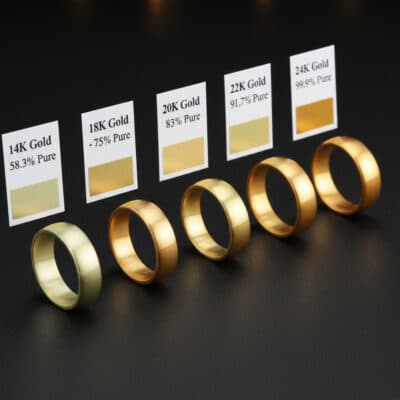
The polished, mirror-bright gold that defined the maximalist wave is softening this spring. Brushed, satin, and matte gold finishes are rising, bringing warmth without the flash. These finishes absorb light rather than reflecting it sharply, creating a glow that feels intimate and luxurious in a quieter way.
Brushed gold pairs exceptionally well with pastel gemstones. A morganite ring in a brushed rose gold setting feels cohesive and understated, while the same stone in a high-polish setting might feel too bright for the spring mood. Satin finishes on wide band rings and cuff bracelets give these bold shapes a softer personality, making them approachable for everyday wear.
Rose Gold's Continued Reign
Rose gold continues its dominance into spring 2026, though the shade itself is shifting slightly. The deepest, coppery rose golds are giving way to softer, pinker tones that feel more aligned with the pastel palette. This lighter rose gold works beautifully as a unifying element across a collection, tying together different pastel gemstones into a cohesive family.
Yellow gold is not absent from the spring story, but its role has changed. Rather than standing alone as a bold statement, yellow gold is appearing in delicate, fine forms. Thin yellow gold chains, small stud earrings, and slim stacking rings let the metal serve as a warm accent rather than the main event.
Finish Comparison for Spring Designs
| Finish Type | Light Behavior | Best For | Spring Pairing |
|---|---|---|---|
| High polish | Sharp reflections, bright | Statement pieces, evening wear | Aquamarine, pearl |
| Brushed/satin | Soft glow, diffused light | Everyday pieces, stacking | Morganite, rose quartz |
| Matte | Absorbs light, muted | Modern minimalist designs | Kunzite, light amethyst |
| Hammered | Textured light play | Artisan and organic pieces | Baroque pearls, raw stones |
Mixed Metals and Two-Tone Compositions
Spring 2026 celebrates the freedom to mix metals without hesitation. Silver, yellow gold, rose gold, and even blackened finishes are coming together in pieces that highlight contrast rather than conformity. A two-tone ring with a rose gold inner band and white gold outer edge, or a bracelet alternating yellow and silver links, creates depth and movement that single-metal pieces cannot match.
This trend reflects a broader cultural shift toward individuality and self-expression in accessorizing. Runway collections from Balenciaga and Tory Burch both featured mixed-metal layering this season, with Balenciaga's Pierpaolo Piccioli sending models in thick gold links paired alongside silver sculptural cuffs. For designers, two-tone construction opens new creative territory while also broadening the customer base, since a mixed-metal piece complements whatever jewelry a customer already owns regardless of their preferred metal color.
Nature-Inspired Organic Forms
Spring 2026 sees a deepening of the nature-inspired trend, but with a distinctly softer interpretation. Where previous seasons favored dramatic thorns, gnarled branches, and raw mineral textures, this spring leans into the gentler side of nature. Think unfurling fern fronds, cherry blossom petals, dewy leaves, and the delicate geometry of honeycombs.
Floral motifs are everywhere, but they are rendered with restraint. Rather than covering an entire piece in intricate botanical detail, designers are isolating single elements. A lone petal becomes the face of a ring. A stem curves into an ear climber. A bud sits at the terminus of a bangle. This selective approach keeps the designs feeling modern rather than vintage.
Vine and tendril shapes are particularly strong in spring bracelets and rings. Designers are wrapping thin gold tendrils around fingers and wrists, sometimes punctuated with tiny pastel gemstones that evoke flower buds about to bloom. The effect is romantic without being saccharine, striking the balance that makes spring jewelry commercially successful.
Butterfly and Insect Motifs
Butterfly jewelry is experiencing a resurgence that feels more sophisticated than previous iterations. Instead of literal, symmetrical butterfly shapes encrusted in rhinestones, spring 2026 butterflies are abstracted. A single wing becomes an earring. The veining of a wing is translated into a pendant's metalwork. Wings fold slightly, giving the impression of movement caught mid-flight.
Bee motifs continue from previous seasons but have evolved beyond their usual forms. Designers are focusing on the geometric perfection of honeycomb patterns, using them as textural elements in wider rings and cuff bracelets. The hexagonal shapes pair well with the season's softer finishes, creating pieces that feel architectural yet organic.
Ocean and Sea-Inspired Motifs
Marine-inspired jewelry is making waves for spring 2026, with coral beads, seashell pendants, and fish motifs appearing across multiple designer collections. Who What Wear and JCK both highlighted ocean-themed baubles as a standout trend from the spring runways. Coral-toned beads strung with freshwater pearls create a seaside aesthetic that pairs naturally with the season's pastel palette. Shell-shaped earring studs in brushed gold or sterling silver offer a subtle nod to the ocean trend without veering into novelty territory. For coastal and resort markets, this category represents a particularly strong commercial opportunity.
Layered and Delicate Chain Styling
Layering remains one of the strongest jewelry styling trends heading into spring, but the execution is more refined this season. The approach favors carefully curated sets of two to four necklaces in complementary lengths, rather than the maximalist ten-chain cascade. Each piece in the layer should be intentional, with varied textures and subtle differences in chain style creating visual interest.
The statement pendant has emerged as one of the lead accessories of spring 2026, specifically designed to be worn as a protective or sentimental totem. Long-line pendants were a staple on the runways of Michael Kors, Tory Burch, and Hermes, styled over everything from crisp white tops to sporty tees. In a layered context, a bold pendant becomes the anchor piece that gives the rest of the chain stack its purpose.
Satellite chains, featuring tiny beads or gemstone stations at regular intervals, are particularly popular for layering. A satellite chain with pale aquamarine beads layered over a simple cable chain with a single pearl pendant creates a spring-perfect combination. These pre-designed layering sets are becoming a strong commercial category, as they remove the guesswork for customers who want the layered look without the effort of curating individual pieces.
For more on how layering and stacking work across different jewelry categories, explore our guide on jewelry stacking and layering.
Spring Layering Formulas
The most effective spring layering follows a simple formula. Start with a choker-length piece (14 to 16 inches) in a simple style. Add a princess-length chain (17 to 19 inches) with a small pendant or charm. Finish with an optional matinee-length piece (20 to 24 inches) that adds a delicate textural element. This three-tier approach creates depth without clutter.
Ring stacking follows a similar philosophy of intentional restraint. Two to three slim bands in mixed metals or alternating plain and stone-set styles create a polished spring hand. Designers are creating "stacking sets" that include complementary rings meant to be worn together, simplifying the purchasing decision and increasing average order value.
Pastel Engagement Ring Trends
The engagement ring category is feeling the influence of spring's pastel wave, with colored center stones gaining acceptance among younger buyers. Morganite engagement rings have grown steadily for several years, but spring 2026 is seeing aquamarine and light pink sapphire enter the conversation more seriously.
These pastel engagement rings appeal to buyers who want something distinctive without straying too far from tradition. A pale aquamarine in a classic solitaire setting, for example, offers color and personality while retaining the refined simplicity that engagement rings demand. Light pink sapphires provide the pastel aesthetic with superior hardness (9 on the Mohs scale, addressing durability concerns that sometimes arise with softer stones.
For designers, the opportunity lies in creating engagement settings that work with multiple pastel center stone options. A single halo setting designed for an 8mm round stone can be offered with morganite, aquamarine, or light sapphire options, tripling the collection's appeal without tripling the design work. For more on engagement ring design approaches, visit our broader 2026 jewelry trends overview.
Pastel Bridal Sets
Complete bridal sets featuring pastel stones are gaining momentum. A morganite engagement ring paired with a rose gold wedding band set with tiny light amethysts creates a cohesive bridal look that feels personal and spring-appropriate. Some designers are offering "seasonal bridal" collections with spring pastels, summer brights, autumn warmth, and winter ices.
The wedding band itself is becoming a design statement in spring 2026. Rather than a plain matching band, brides are choosing contoured bands that nest against their engagement ring, set with alternating pastel stones. Milgrain detailing and delicate beading on the band add texture that complements the season's preference for soft surfaces.
Asymmetric and Mismatched Earring Designs
The mismatched earring trend continues to evolve for spring 2026, taking on a softer character. Rather than dramatically different earrings in contrasting styles, spring's version of asymmetry is more subtle. Think of a matched pair where one earring features a pearl drop and the other features a pastel gemstone drop of similar size and shape. The difference is in material rather than form.
Asymmetric lengths are another popular approach. One ear wears a small stud while the other wears a longer drop earring in the same design family. This kind of measured asymmetry feels deliberate and sophisticated rather than random, making it accessible to customers who might find extreme mismatch too daring.
Geometric Earrings and the Square Silhouette
Marie Claire declared the square "the hero shape of the season" after Givenchy's spring 2026 show featured oversized square studs, square drop earrings, and multi-strand square-link designs. This geometric confidence extends to hexagons, trapezoids, and angular frames that give pastel gemstones a contemporary architectural setting. A square-cut aquamarine stud in a matching square bezel, for example, feels sharper and more directional than a traditional round or oval setting while still fitting the spring color story.
Ear Cuffs and Climbers
Ear cuffs continue their strong run, but spring versions favor flowing, organic lines over the angular geometric shapes of recent seasons. A vine-inspired ear cuff that wraps the upper ear, dotted with tiny pearls or pastel stones, captures the season perfectly. These pieces require no additional piercings, broadening their customer base.
Ear climbers shaped like flower stems, with gemstone "buds" graduating in size as they ascend the lobe, are among the season's most distinctive offerings. They transform a single piercing into an artistic statement, combining the appeal of multiple earrings with the simplicity of wearing just one piece per ear.
How AI Design Tools Shape Spring Collections
Designing a spring collection around these trends becomes significantly faster with AI design tools. Tashvi AI allows designers to generate concept renders of pastel gemstone pieces, experiment with different pearl shapes and settings, and visualize finish options before committing to production samples.
The speed of AI-assisted design is particularly valuable for seasonal trends. Spring's window is relatively short, and designers who can move from concept to prototype quickly have a significant advantage. Generating twenty variations of a morganite pendant design in an afternoon, selecting the three strongest options, and moving them into CAD within the same week transforms the timeline from months to days.
AI tools also excel at color exploration, which is central to the pastel trend. A designer can specify "soft lavender kunzite in brushed rose gold" and instantly see how that combination reads visually. Adjusting the stone's hue, the metal's warmth, or the setting style takes seconds rather than hours. This rapid iteration helps designers find the perfect balance between trending and timeless.
Building a Cohesive Spring Collection with AI
The most successful spring collections tell a story through connected pieces. AI tools help designers maintain visual consistency across a range of items. Starting with a single hero piece, a morganite cocktail ring, for example, a designer can generate matching earrings, a pendant, and a bracelet that share design DNA without being identical.
The key is establishing a design language early in the process. Choose one or two metals, two or three stones, and a consistent approach to form (organic curves or clean geometry, but not both). Feed these parameters into Tashvi AI, and the tool maintains coherence across every generated concept. This systematic approach produces collections that photograph well together and display beautifully in retail settings.
Styling Spring 2026 Jewelry for Maximum Impact
Understanding how these spring trends work in practice helps designers create pieces that customers will reach for repeatedly. Pastel jewelry looks best against neutral and white wardrobes, where the soft colors can register fully. Against darker clothing, pastels risk looking washed out, so spring marketing imagery should favor light backgrounds and natural lighting.
Layered pearl and chain necklaces pair beautifully with open necklines and V-necks, where the multiple lengths can cascade freely. Pastel gemstone studs work as everyday essentials that add a touch of spring color without competing with bolder outfit choices. Drop earrings in aquamarine or morganite become evening pieces that catch candlelight and movement.
For retail and e-commerce presentation, spring jewelry benefits from styling with fresh flowers, natural linen textures, and soft directional light. The visual story should reinforce the seasonal connection, helping customers imagine wearing these pieces during garden parties, outdoor weddings, and sunlit brunches.
Day-to-Night Transition Pieces
The most commercially successful spring pieces work across multiple occasions. A pearl and gold chain bracelet that suits a weekday office look transitions effortlessly to a weekend dinner. Pastel gemstone huggie hoops read casual during the day but gain elegance under evening lighting. Designers who build this versatility into their spring pieces see stronger sell-through rates.
Convertible jewelry gains special relevance in spring. A pendant that detaches from its chain to become a brooch, or earrings with removable drops that convert from chandeliers to studs, offers the variety that spring dressing demands. These multi-use designs also justify higher price points by delivering multiple looks from a single purchase.
Sustainability and Ethical Sourcing in Spring Collections
No spring 2026 trend discussion is complete without addressing the sustainability expectations now embedded in consumer purchasing decisions. Approximately 62 percent of global consumers prefer ethically sourced and certified gold, and demand for ethically sourced gold and diamonds has risen by 54 percent according to data compiled by Amra and Elma. Roughly seven in ten global consumers say they are willing to pay more for products from companies with a positive environmental impact.
Lab-grown diamonds now hold 56.8 percent of the US diamond market share, and the combination of lab-grown stones with recycled 18k gold or platinum has become a hallmark of what industry observers call the "Eco-Luxe" movement. For designers working with spring's pastel palette, lab-grown sapphires in pale pink and light blue offer an ethical alternative with consistent color quality at a fraction of the cost of mined equivalents. Recycled gold in brushed or matte finishes aligns perfectly with the season's preference for softer surfaces, and it gives brands a compelling sustainability story to tell alongside the aesthetic one. E-commerce channels, where jewelry sales are growing at a CAGR of 7.9 percent (outpacing the 5 percent growth of physical stores), make it especially easy to communicate sourcing transparency through product detail pages and brand storytelling.
Forecasting Beyond Spring
While this guide focuses on spring 2026, understanding where these trends are heading helps designers plan ahead. The pastel wave is likely to intensify through summer before shifting toward warmer, deeper tones in autumn. Pearls show no signs of slowing and will likely remain a dominant material through the entire year. For the full yearly perspective, explore our comprehensive jewelry design trends for 2026.
Brushed and matte finishes are part of a longer-term shift away from the hyper-polished aesthetic that dominated the late 2010s and early 2020s. Expect these softer finishes to remain relevant well beyond spring, evolving into textured and hand-finished surfaces as the year progresses.
The nature-inspired trend has deep roots in the broader cultural movement toward sustainability and environmental awareness. As consumers increasingly value brands with ecological consciousness, designs that reference the natural world carry meaning beyond aesthetics. This trend has staying power that extends well into 2027 and beyond.
Spring 2026 offers jewelry designers a rich palette of trends to explore. From the soft shimmer of pastel gemstones to the organic beauty of reimagined pearls, from the warmth of brushed gold to the romance of nature-inspired forms, this season rewards designers who balance beauty with wearability. The pieces that will define spring are those that feel effortless on the body, catch the light with gentle grace, and invite layering and personal expression. With the right tools and a clear understanding of these trends, any designer can create a spring collection that resonates with the season's spirit of renewal and quiet elegance.
Frequently Asked Questions
Quick answers to the questions readers ask most about this guide.
What are the biggest jewelry trends for spring 2026
Spring 2026 jewelry trends center on pastel gemstones like morganite and aquamarine, modern pearl reinterpretations, soft brushed gold finishes, nature-inspired organic forms, and layered delicate chains. The overall aesthetic is soft, luminous, and feminine with a focus on wearable elegance.
Are pearls still trending in 2026
Pearls are stronger than ever in 2026, but in modern contexts. Baroque and irregular pearls set in minimalist gold frames, pearl and chain combinations, and single pearl pendants on fine chains dominate. The traditional matched pearl strand has evolved into more contemporary and asymmetric arrangements.
What pastel gemstones are popular for spring jewelry
Morganite leads the pastel trend with its soft pink blush tone. Aquamarine offers cool pale blue. Rose quartz provides affordable soft pink. Kunzite brings delicate lilac, and light amethyst adds gentle purple. These stones all pair beautifully with both yellow and rose gold settings.
How can jewelry designers prepare for spring 2026 trends
Start designing spring collections in late winter using AI design tools to generate concept variations quickly. Focus on pieces that layer well together, incorporate at least one pearl design, and experiment with soft pastel color combinations. Test designs on social media before committing to production.
Will maximalist jewelry continue into spring 2026
Spring 2026 balances the maximalist trend with softer execution. Bold shapes remain popular but in lighter materials and pastel colors rather than heavy gold. Think oversized pearl earrings rather than chunky chains, and wide cuffs in brushed rose gold rather than polished yellow gold.