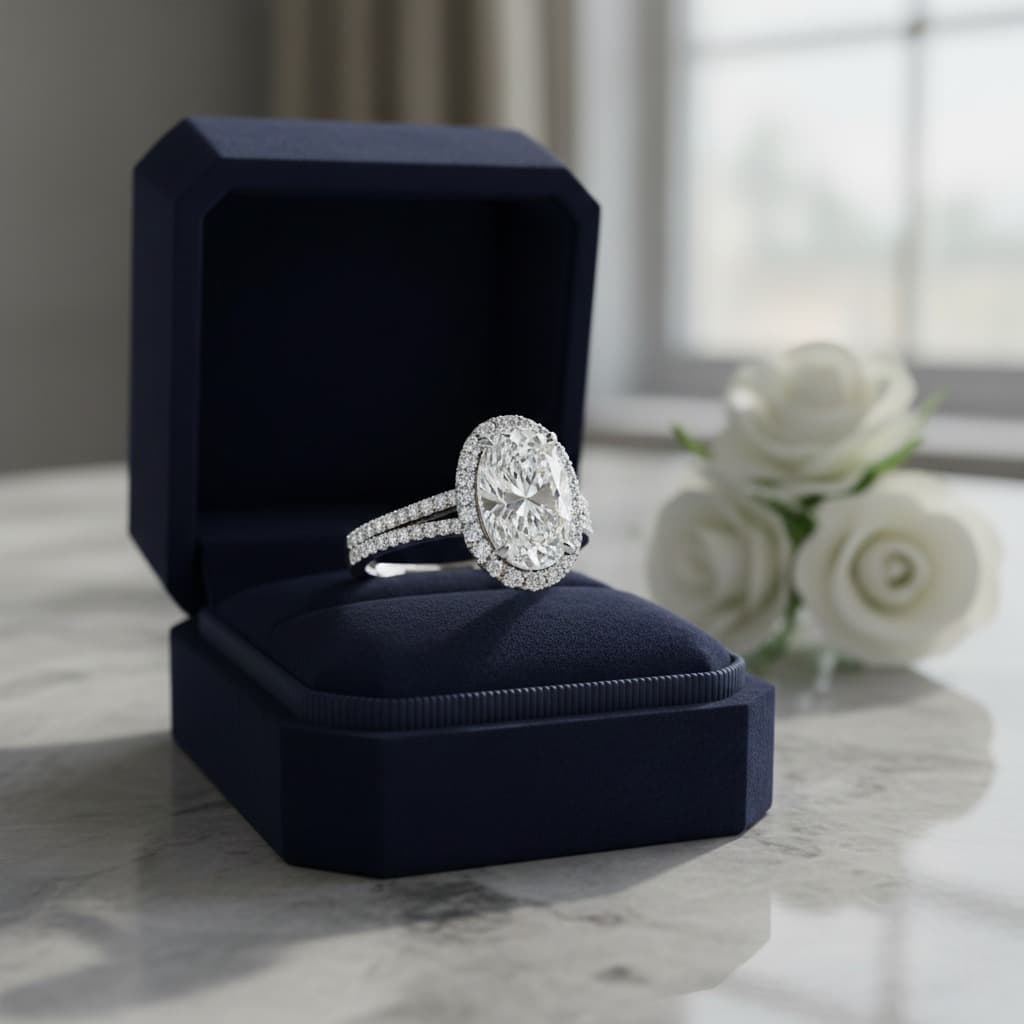
Geometric Jewelry: Playing With Shape, Line, and Angle
Explore the world of geometric jewelry design where shapes, lines, and angles create striking modern pieces. Learn how triangles, hexagons, and abstract forms translate into wearable art.
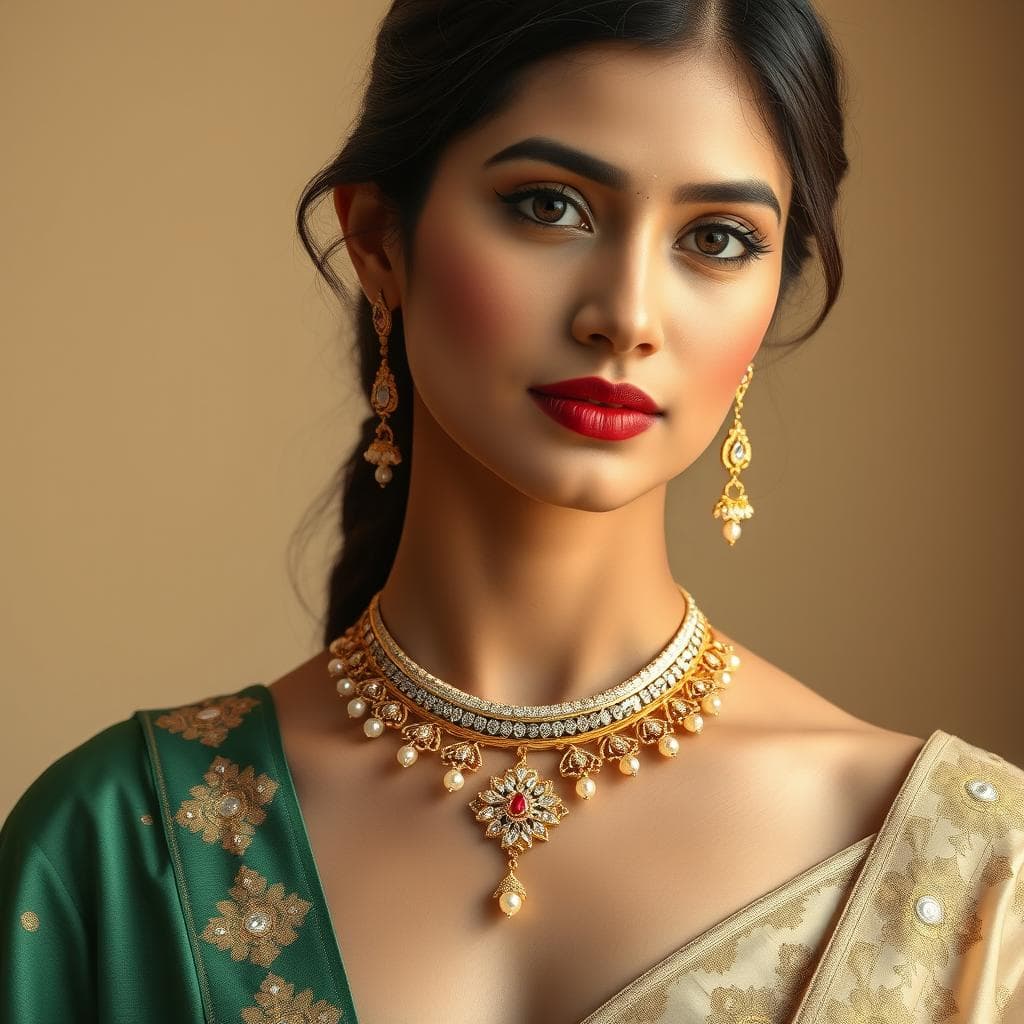
Geometric jewelry uses mathematical shapes, precise lines, and deliberate angles as its primary design vocabulary, creating pieces that range from minimalist single-shape earrings to complex architectural compositions. This design approach speaks to the human attraction to order, pattern, and visual clarity, making geometric jewelry one of the most enduringly popular styles across cultures and eras.
The Language of Geometric Design
Every geometric shape communicates something different. Understanding the visual and emotional qualities of basic shapes is the first step in creating effective geometric jewelry.
Circles and Curves
The circle is jewelry's most natural shape. Rings are circles. Hoops are circles. Bangle bracelets are circles. This is not coincidental. The circle's continuous, unbroken line symbolizes eternity, unity, and wholeness across virtually every culture.
In geometric jewelry design, the circle serves as both a foundation and a counterpoint. A perfectly round pendant on a chain is complete and serene. A circle interrupted by a gap or overlapped by another circle introduces tension and interest. Concentric circles create depth and movement.
Triangles and Angular Energy
Triangles introduce dynamic energy that circles cannot. The pointed vertices create direction, drawing the eye along the shape's edges. A triangle pointing upward suggests strength and aspiration. Inverted, it evokes femininity or a sense of gravity.
In practical jewelry terms, triangles work exceptionally well as earrings because their pointed silhouette creates visual length. Triangle pendants offer a contemporary alternative to round or oval forms. Stacked triangles, overlapping triangles, and nested triangles build complexity while maintaining geometric clarity.
Hexagons and Natural Geometry
The hexagon occupies a unique position between mathematical precision and natural occurrence. Honeycomb, basalt columns, and snowflake structures all feature hexagonal geometry. This natural association gives hexagonal jewelry a warmth that purely mathematical shapes sometimes lack.
Hexagonal bezels have become especially popular for gemstone settings, offering a distinctive alternative to round, square, or rectangular frames. A hexagonal pendant in hammered gold feels both precise and organic.
Squares and Rectangles
Squares and rectangles bring architectural stability to jewelry design. These shapes suggest structure, reliability, and modernity. Rectangular bar pendants, square stud earrings, and band rings with square-profile cross-sections all leverage this architectural quality.
The challenge with squares and rectangles is comfort. Sharp 90-degree corners can catch on clothing or feel uncomfortable against skin. Successful designers solve this by softening corners slightly, chamfering edges, or rounding inner surfaces while maintaining the square aesthetic from the front.
Working With Line
Straight Lines
Straight lines in jewelry create clarity, direction, and a sense of modern sophistication. A linear bar earring, a straight-line bracelet, or a pendant with parallel lines all communicate precision and intentionality.
Multiple parallel lines create rhythm and visual texture. Varying the spacing between lines introduces dynamics. Converging lines create perspective and depth. The designer's control over line relationships is what transforms simple lines into compelling compositions.
Intersecting Lines
Where lines cross, visual interest intensifies. An X-form pendant, a woven geometric pattern, or crossed bar earrings all leverage the visual energy of intersections. These crossing points become natural focal points for gemstone placement or textural emphasis.
Line as Contour
In more subtle applications, line serves as the contour that defines a shape without filling it. Open geometric forms, where only the edges are rendered in metal and the interior remains empty, create negative space that makes the design feel light and contemporary. A triangle pendant rendered as three connected bars rather than a solid plate weighs less, uses less material, and looks more modern.
Working With Angle
Acute Angles (Less Than 90 Degrees)
Sharp angles create dynamic, almost aggressive visual energy. Chevron patterns, pointed earring drops, and V-shaped necklaces use acute angles to direct the eye and create movement. These angles work well for statement pieces that need visual impact.
Right Angles (90 Degrees)
Right angles bring a sense of order and structure. Stepped designs, grid patterns, and architectural silhouettes use 90-degree angles to create compositions that feel organized and deliberate. Art Deco jewelry's enduring appeal relies heavily on right-angle geometry, as explored in our Art Deco jewelry guide.
Obtuse Angles (Greater Than 90 Degrees)
Obtuse angles create softer, more open geometric forms. A gently angled pendant, a wide chevron ring, or an open triangular earring uses obtuse angles to maintain geometric identity while feeling more relaxed and wearable than acute alternatives.
Geometric Design Techniques
Repetition and Pattern
Repeating a single geometric element creates pattern and rhythm. A necklace of linked hexagons, a bracelet of connected triangles, or a pair of earrings featuring stacked circles each uses repetition to build visual coherence. The repetition can be exact, creating mathematical precision, or progressive, with shapes gradually changing size or proportion along the piece.
Tessellation
Tessellation arranges shapes so they fit together without gaps, like tiles on a floor. Triangles, squares, hexagons, and certain irregular shapes can tessellate. In jewelry, tessellated patterns work beautifully on flat surfaces like cuff bracelets, statement rings with wide face plates, and brooch designs.
Negative Space
Negative space, the deliberate use of empty areas within or around a design, is one of geometric jewelry's most powerful tools. A geometric pendant with strategic cutouts feels lighter and more contemporary than a solid equivalent. The empty space becomes part of the design, creating secondary shapes and allowing light to pass through.
Understanding how to use negative space effectively requires attention to balance and visual weight. Empty areas need to feel intentional, not accidental.
Dimensionality
Flat geometric jewelry works, but three-dimensional geometric forms create extraordinary visual impact. A cubic pendant, an octahedral earring drop, or a ring featuring a small icosahedron transforms simple geometry into miniature architectural sculpture.
The challenge of 3D geometric jewelry is manufacturing complexity and wearability. Sharp points need softening. Weight must be managed for earrings and pendants. And the piece must remain recognizable as its intended geometric form from multiple viewing angles.
Geometric Jewelry Across Categories
| Category | Popular Geometric Forms | Design Considerations |
|---|---|---|
| Rings | Hexagonal bezels, geometric bands, angular signet faces | Comfort of inner profile, sizing across geometric variations |
| Earrings | Triangle drops, geometric studs, angular hoops | Balance for proper hang, weight for comfort |
| Necklaces | Bar pendants, geometric frames, tessellated chains | Scale appropriate to chain weight, clasp integration |
| Bracelets | Linked geometric forms, angular cuffs, bar bracelets | Flexibility at joints, comfort against wrist curve |
| Brooches | Grid compositions, tessellated surfaces, 3D polyhedra | Pin placement for proper orientation, visual weight |
Materials for Geometric Design
Geometric jewelry benefits from metals and finishes that emphasize precision. Polished surfaces highlight clean edges. Matte finishes give geometric forms a sculptural, contemporary quality. Brushed finishes add subtle texture while maintaining the precision of geometric lines.
Yellow gold and rose gold warm up potentially cold geometric forms. Sterling silver and white gold enhance the mathematical, modern quality. Mixed metals can differentiate geometric elements within a single piece, using color to clarify the relationship between overlapping shapes. For detailed metal comparisons, see our metal selection guide.
Gemstones in geometric jewelry should complement rather than compete with the geometric language. Step-cut stones like emerald cuts and baguettes echo the angular precision of geometric settings. Round brilliant stones provide contrast within angular frames.
How Tashvi AI Generates Geometric Perfection
Geometric jewelry demands mathematical precision that can be tedious to achieve through hand sketching. Tashvi AI excels here, generating perfectly proportioned geometric compositions from text descriptions. Describe "hexagonal pendant with nested triangle cutout in rose gold" or "stackable geometric band rings with alternating square and circular profiles" and receive precisely rendered concepts.
The AI is especially useful for exploring geometric variations. Generate a triangle earring in ten different proportions, comparing acute, right, and obtuse angles. See how the same hexagonal motif translates from ring to pendant to bracelet. This rapid iteration helps you find the exact geometric relationship that creates visual harmony.
Try designing on Tashvi AI free
The Geometry of Beauty
Geometric jewelry endures because mathematical relationships are inherently satisfying to the human eye. Whether you are drawn to the simplicity of a circle, the dynamism of a triangle, or the complexity of tessellated patterns, geometric design offers a rich vocabulary for creating jewelry that feels precise, intentional, and timelessly modern.
Frequently Asked Questions
Quick answers to the questions readers ask most about this guide.
What is geometric jewelry?
Geometric jewelry uses mathematical shapes, clean lines, and precise angles as its primary design language. It includes pieces based on circles, triangles, hexagons, squares, and more complex polyhedra. The style ranges from minimalist single-shape designs to elaborate multi-geometric compositions.
What shapes work best in jewelry design?
Circles and ovals are the most versatile because they are comfortable against the body. Triangles create dynamic visual energy. Hexagons offer a natural, honeycomb-inspired quality. Rectangles and squares feel architectural. Each shape communicates a different visual mood.
How do you make geometric jewelry comfortable to wear?
Round or chamfer sharp edges and points so they do not poke or scratch. Ensure flat geometric surfaces follow the body's curves through slight bending. Test angular earrings for balance so they hang properly. Use smooth, finished inner surfaces on rings and bracelets.
Is geometric jewelry considered modern or classic?
Geometric jewelry spans both categories. Art Deco's geometric language dates to the 1920s and is considered classic. Contemporary geometric design using negative space and asymmetry feels distinctly modern. The underlying principles are timeless, while specific expressions reflect their era.
Can geometric and organic design be combined?
Yes, and the combination is often very effective. A ring with geometric facets on an organically curved band, or a pendant combining a precise circle with an irregular natural surface, creates visual tension that makes both elements more interesting.