Vintage and Art Deco Jewelry Design with AI: Recreating Timeless Elegance
Explore how AI tools recreate Art Deco, Victorian, and Edwardian jewelry styles with modern precision. Learn the defining characteristics of each era and how to design vintage-inspired pieces using technology.
Vintage and Art Deco jewelry designs continue to captivate modern buyers with their timeless geometric beauty, intricate metalwork, and rich historical character. From the organic curves of Art Nouveau to the bold symmetry of the 1920s Jazz Age, these historical styles offer a depth of craftsmanship that resonates strongly with today's jewelry enthusiasts seeking pieces with soul and story.
The intersection of vintage design and AI technology creates exciting possibilities for both professional jewelers and individual buyers. Rather than spending weeks hand-sketching period-accurate concepts, designers can now generate dozens of historically inspired variations in minutes, combining the romance of vintage aesthetics with the precision of modern tools.
A Brief History of Vintage Jewelry Eras
Understanding the defining characteristics of each era helps you design pieces that feel authentically inspired rather than generically "old fashioned." Each period developed its signature style in response to the cultural, technological, and artistic movements of its time.
Georgian Era (1714 to 1837)
Georgian jewelry represents some of the oldest styles still influencing modern design. Pieces from this period were handcrafted entirely, with closed-back settings that used foil behind gemstones to enhance their brilliance in candlelight. Rose-cut and old mine-cut diamonds dominated, set in silver-topped gold. Nature motifs, bows, ribbons, and crescents appeared frequently across brooches, rings, and necklaces.
Victorian Era (1837 to 1901)
The Victorian period spans three distinct phases, each with recognizable design language. The Romantic Period (1837 to 1860) favored sentimental jewelry including lockets, heart motifs, and snake designs symbolizing eternity. The Grand Period (1860 to 1885) shifted toward darker, heavier pieces using jet, onyx, and garnets following Prince Albert's death. The Aesthetic Period (1885 to 1901) brought lighter, more playful designs with stars, crescent moons, and insect motifs.
Victorian rings often feature elaborate scrollwork, seed pearl clusters, and colored gemstone accents. These elements translate beautifully into modern designs, particularly for engagement rings that want romantic character without period-costume aesthetics.
Edwardian Era (1901 to 1915)
The Edwardian period introduced platinum to jewelry making, enabling impossibly delicate designs that looked like frozen lace. Filigree work reached its peak during this era, with platinum wire twisted and shaped into intricate patterns that could support diamonds while maintaining an airy, lightweight feel. Garland motifs, bows, laurel wreaths, and flowing ribbons characterize Edwardian pieces.
The white-on-white palette of platinum and diamonds defined Edwardian elegance. These designs pair beautifully with modern diamond shapes, particularly old European cuts and rose cuts that maintain period authenticity.
Art Nouveau (1890 to 1910)
Art Nouveau rejected industrial aesthetics in favor of organic, nature-inspired forms. Jewelry from this movement features flowing lines, asymmetrical compositions, and natural motifs including dragonflies, orchids, peacock feathers, and female figures with flowing hair. Materials expanded beyond precious metals and stones to include enamel, horn, glass, and semi-precious gems valued for their color rather than monetary worth.
Rene Lalique remains the most celebrated Art Nouveau jeweler, creating pieces that blurred the line between jewelry and wearable sculpture. His influence persists in contemporary nature-inspired designs that prioritize artistic expression over material value.
Art Deco (1920 to 1940)
Art Deco stands as perhaps the most recognizable and requested vintage jewelry style. Born from the optimism of the Roaring Twenties and influenced by Egyptian archaeology, Cubism, and the machine age, Art Deco jewelry celebrates bold geometry, perfect symmetry, and dramatic contrast.
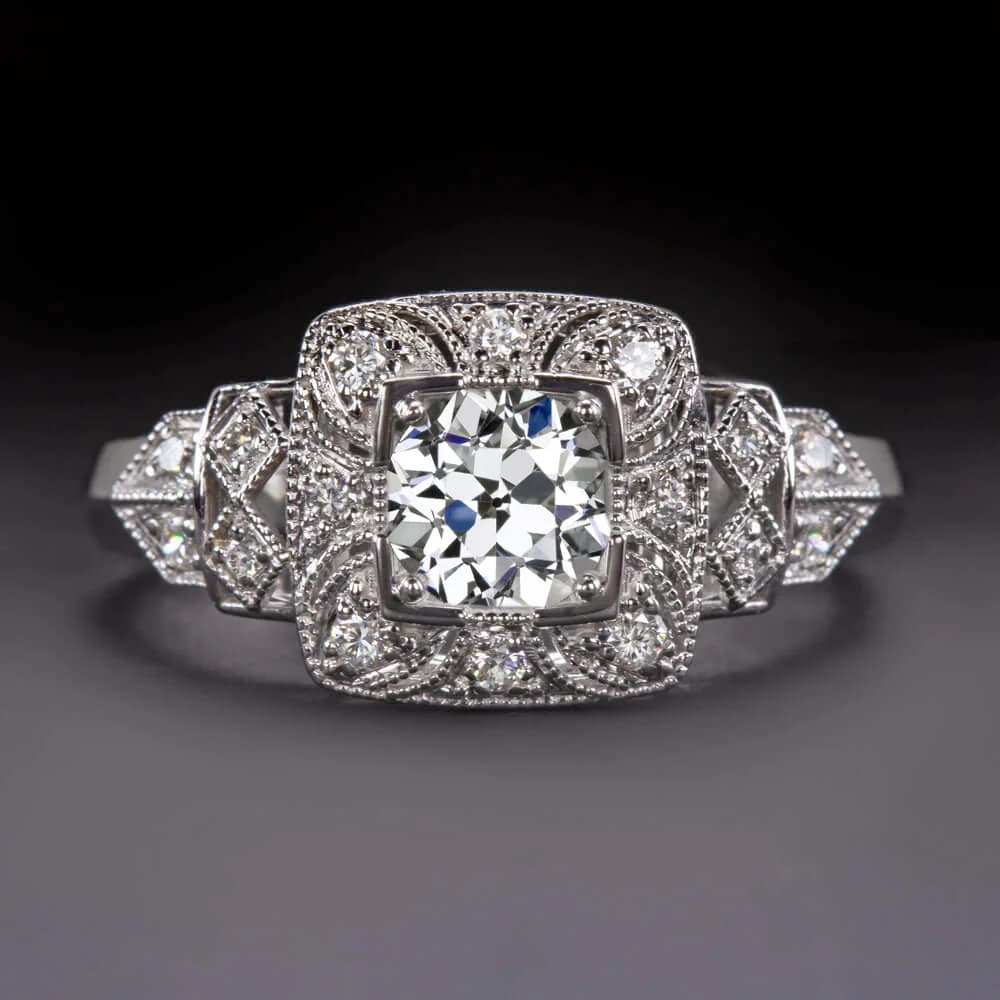
Defining characteristics include step-cut and baguette diamonds, calibrated colored gemstones set in geometric patterns, milgrain edging along metal borders, and strong contrasts between white diamonds and deeply saturated sapphires, emeralds, rubies, and onyx. The era popularized the emerald cut diamond specifically because its clean lines complemented angular Art Deco metalwork.
Retro Period (1940 to 1960)
The Retro period brought bold, oversized designs in rose gold and yellow gold, driven partly by platinum rationing during World War II. Chunky cocktail rings, wide bangle bracelets, and bow-shaped brooches with large, colorful synthetic stones define this exuberant style. Hollywood glamour heavily influenced Retro jewelry, with pieces designed to catch light and command attention.
Key Design Elements Across Vintage Eras
| Element | Victorian | Edwardian | Art Deco | Retro |
|---|---|---|---|---|
| Primary metal | Gold, silver | Platinum | Platinum, white gold | Rose gold, yellow gold |
| Dominant shapes | Organic, flowing | Delicate, lacey | Geometric, angular | Bold, oversized |
| Popular stones | Garnets, pearls, opals | Diamonds, pearls | Diamonds, sapphires, emeralds | Aquamarine, citrine, ruby |
| Signature technique | Scrollwork, engraving | Filigree, milgrain | Calibrated settings, channel set | Large pronged settings |
| Motifs | Hearts, snakes, flowers | Bows, garlands, laurel | Fans, zigzags, sunbursts | Bows, scrolls, ribbons |
How AI Transforms Vintage Jewelry Design
From Reference to Render
Traditional vintage-inspired design requires extensive knowledge of historical techniques, proportions, and decorative vocabulary. A designer creating an Art Deco engagement ring needed to study period examples, sketch multiple iterations, and carefully balance authentic elements with modern wearability. This process could take days or weeks.
AI design tools compress this timeline dramatically. By feeding a reference image of a period piece or describing specific era characteristics in a text prompt, designers can generate dozens of historically informed variations within minutes. The AI recognizes stylistic patterns, including filigree density, milgrain placement, geometric proportions, and era-appropriate stone arrangements, and applies them to new compositions.
Blending Eras with Precision
Some of the most compelling modern jewelry combines elements from multiple vintage periods. An engagement ring might pair an Edwardian-style filigree band with an Art Deco geometric halo, creating something that feels both classic and fresh. Achieving this blend requires deep familiarity with what makes each era distinctive.
AI tools excel at this fusion work because they can hold multiple stylistic references simultaneously. You can specify "Edwardian filigree band with Art Deco step-cut center stone and Victorian scrollwork gallery" and receive coherent designs that balance all three influences. This kind of cross-era blending would challenge even experienced designers working from memory alone.
Modernizing Vintage for Today's Wearer
Authentic vintage jewelry, while beautiful, sometimes presents practical challenges for daily wear. Victorian rings may sit too high for active lifestyles. Edwardian filigree can be delicate beyond what modern wearers expect. Art Deco proportions were designed for different hand sizes and style preferences.
AI-assisted design allows you to maintain the visual essence of a vintage style while adjusting practical elements for contemporary life. Lower the profile of a Victorian-inspired ring while keeping its characteristic scrollwork. Strengthen the structure of an Edwardian-style setting while preserving its lacework appearance. Scale Art Deco proportions to suit modern preferences while retaining the geometric precision that defines the era.
Designing Vintage-Inspired Pieces by Category
Engagement Rings
Art Deco and Edwardian styles dominate the vintage engagement ring market, and for good reason. Art Deco rings offer dramatic visual impact through geometric halos, step-cut side stones, and bold symmetry. Edwardian rings provide delicate, romantic appeal through intricate metalwork and subtle diamond accents. Both styles work beautifully with various ring settings, from simple solitaires elevated with vintage details to elaborate multi-stone compositions.
Popular vintage engagement ring elements include milgrain borders along band edges, hand-engraved scrollwork on shanks, cathedral settings with period-appropriate gallery work, and bypass settings inspired by Retro-era designs.
Wedding Bands
Vintage-inspired wedding bands range from simple engraved gold bands with period scrollwork to elaborate diamond-set pieces featuring milgrain and filigree. Art Deco wedding bands often feature alternating baguette and round diamonds in geometric patterns. Victorian-inspired bands use delicate hand engraving to create floral or vine motifs around the entire circumference.
Statement Necklaces and Pendants
Art Deco pendants featuring geometric forms, bold color contrasts, and symmetrical compositions make stunning statement pieces. Victorian-era locket designs translate well to modern pendants, combining sentimental function with beautiful craftsmanship. Edwardian-style bow and garland necklaces offer feminine elegance for bridal and formal occasions.
Cocktail Rings and Bold Pieces
The Retro period provides the richest inspiration for bold, contemporary cocktail rings. Oversized center stones in dramatic prong settings, chunky gold bands with sculptural forms, and theatrical proportions characterize this era. These designs align perfectly with the current maximalist jewelry trend while offering historical depth.
Working with Vintage Gemstone Cuts
Authentic vintage jewelry features diamond cuts that differ significantly from modern brilliant cuts. Understanding these cuts helps create period-accurate designs.
Old Mine Cut diamonds (pre-1900) feature a cushion shape with a high crown, small table, large culet, and 58 facets. They display a warm, candlelit sparkle different from modern brilliance. Old European Cut diamonds (1890 to 1930) refined this shape into rounder proportions while maintaining the distinctive sparkle pattern.
Rose Cut diamonds (1500s onward) feature a flat bottom and domed top with triangular facets, creating a subtle glow rather than bright fire. These cuts are experiencing a major revival in modern vintage-inspired designs.
Step cuts including emerald and Asscher shapes became the signature diamonds of Art Deco, with their clean lines and hall-of-mirrors internal reflections complementing geometric metalwork perfectly.
Designing Vintage Jewelry with Tashvi AI
Tashvi AI's design platform understands the visual vocabulary of every major vintage jewelry era, making it possible to generate period-accurate concepts from simple text descriptions. Describe an "Edwardian-style platinum engagement ring with filigree detail and old European cut diamond" and receive designs that capture the delicate lacework and proportions authentic to that period.
For professional jewelers, this means faster client consultations. Rather than explaining Art Deco versus Edwardian aesthetics verbally, generate visual examples of each era applied to the client's preferred ring shape and stone. For individual buyers, it means exploring vintage styles visually before committing to a specific direction. Try designing on Tashvi AI free
Bringing Vintage Design into the Modern World
The enduring appeal of vintage jewelry lies in its human artistry and emotional resonance. Each era's design language emerged from real cultural moments, artistic movements, and technological breakthroughs. When you design vintage-inspired jewelry today, you connect with that rich creative lineage while creating something entirely new.
AI tools do not replace the artistry behind vintage design. Instead, they make the vast vocabulary of historical jewelry more accessible to designers and buyers who want pieces with depth, character, and timeless beauty. Whether you are drawn to the geometric boldness of Art Deco, the romantic delicacy of the Edwardian era, or the organic flow of Art Nouveau, the combination of historical knowledge and modern AI design tools gives you the power to create jewelry that honors the past while fitting seamlessly into the present.
Frequently Asked Questions
Quick answers to the questions readers ask most about this guide.
What defines Art Deco jewelry design?
Art Deco jewelry (1920s-1930s) is defined by bold geometric patterns, symmetrical designs, contrasting colors, and streamlined forms. Common elements include step-cut gemstones like emerald cuts, filigree metalwork, milgrain edging, and dramatic color contrasts using onyx, sapphires, and diamonds.
Can AI accurately recreate vintage jewelry styles?
Yes, modern AI design tools can generate highly accurate vintage-style jewelry by recognizing era-specific patterns, motifs, and proportions. AI excels at reproducing geometric Art Deco symmetry, Victorian scrollwork, and Edwardian lacework details from text descriptions or reference images.
What is the difference between Art Deco and Art Nouveau jewelry?
Art Nouveau (1890-1910) features flowing, organic forms inspired by nature, including curves, flowers, and insects. Art Deco (1920-1940) rejected these soft lines in favor of sharp geometric patterns, bold symmetry, and machine-age aesthetics. They represent opposite design philosophies.
Are vintage-style engagement rings more expensive than modern designs?
Vintage-style rings vary widely in price. AI-designed vintage-inspired rings can be cost-effective since they use modern manufacturing. Authentic antique rings may cost more or less depending on the piece, era, condition, and provenance. The intricate metalwork in vintage styles sometimes adds labor costs.
Which gemstones work best in Art Deco jewelry?
Art Deco designs traditionally feature emerald-cut and step-cut diamonds, sapphires (especially deep blue), emeralds, rubies, and onyx. The era favored geometric stone shapes that complemented angular metalwork. Modern Art Deco pieces also incorporate lab-grown versions of these classic stones.