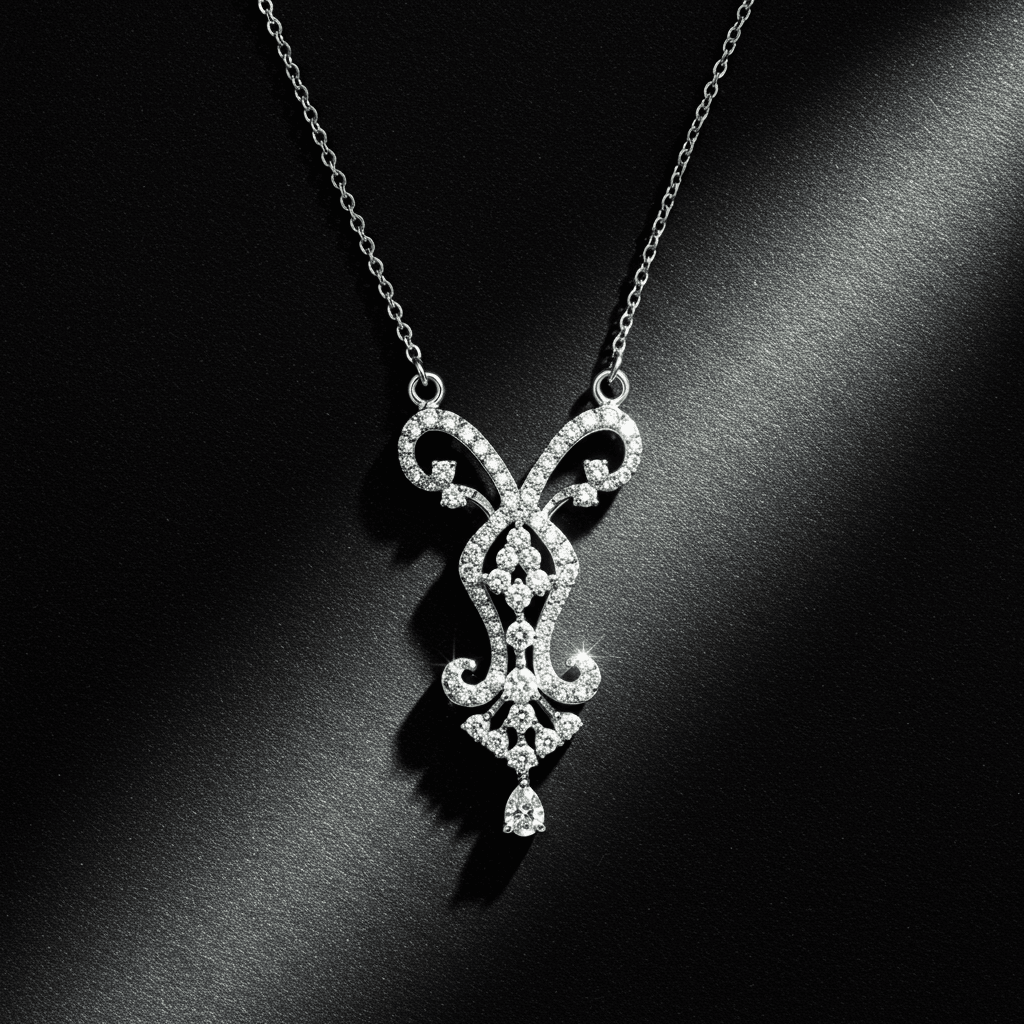
The Impact of GPU Computing on Real-Time Jewelry Rendering
Understand how GPU computing power enables real-time photorealistic jewelry rendering, transforming design workflows with instant visualization of metals, gemstones, and settings that once required hours of processing.
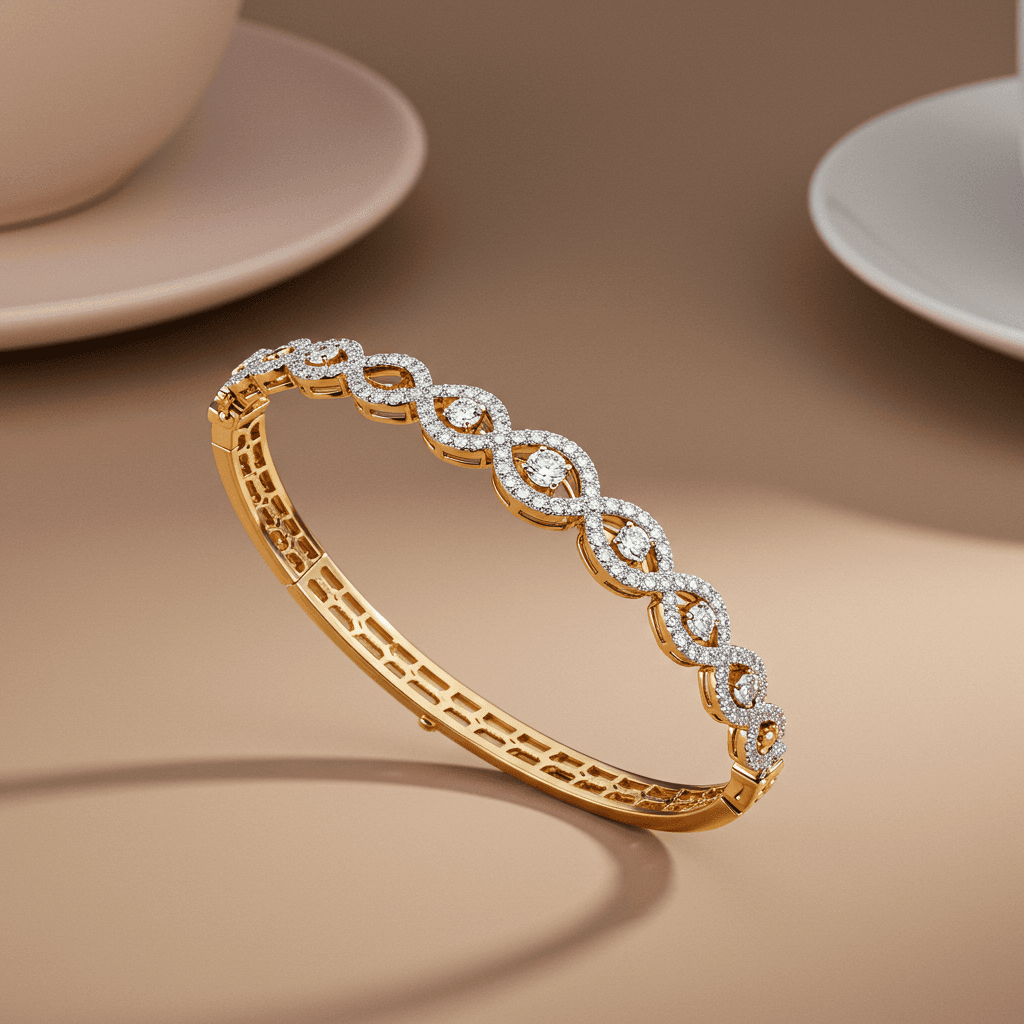
GPU computing has transformed jewelry rendering from a multi-hour batch process into a real-time interactive experience, enabling designers to see photorealistic metal reflections, gemstone brilliance, and shadow behavior instantly as they modify designs, fundamentally changing how jewelry is conceptualized and presented to clients.
From Hours to Seconds
Traditional jewelry rendering uses ray tracing algorithms that follow individual light paths through a virtual scene. A single ray might bounce off a polished gold surface, enter a diamond, refract through multiple facets, and exit as a spectrum of color. Calculating this behavior for millions of rays produces photorealistic images but requires enormous computational effort.
On a standard CPU, rendering a single high-quality jewelry image could take 30 minutes to several hours depending on scene complexity. A diamond ring with realistic caustics, environmental reflections, and proper depth of field might require 2 to 4 hours per rendered view.
GPUs changed this equation by performing thousands of these light calculations simultaneously. What a CPU processes sequentially, a GPU handles in parallel across thousands of cores. The result is rendering speeds that move from hours to seconds, enabling truly interactive design visualization.
How GPUs Handle Jewelry Materials
Metal Rendering
Precious metals are among the most computationally demanding materials to render. Their highly reflective surfaces require accurate environment mapping, physically correct fresnel reflections, and proper energy conservation. GPUs handle these calculations at interactive speeds, showing how 18K yellow gold, white gold, platinum, and rose gold respond differently to identical lighting conditions.
The difference between various gold karats becomes visible in real time as designers switch between options, each metal displaying its characteristic color temperature and reflective behavior.
Gemstone Physics
Gemstones present unique GPU challenges. Light enters a transparent stone, refracts at the surface, bounces between internal facets, separates into spectral components, and exits at various angles. Simulating this behavior requires tracing thousands of light paths through each stone.
Modern GPUs with hardware-accelerated ray tracing handle this complexity in real time. Designers see accurate fire, brilliance, and scintillation patterns that update instantly as they change stone cuts, sizes, and positions. Understanding how different diamond shapes affect light behavior becomes intuitive when the visualization responds immediately to design changes.
Surface Detail
Micro-surface details like hammered textures, brushed finishes, and engraving depth add another layer of computational complexity. GPUs process these surface properties alongside macro-geometry, producing realistic texture rendering at interactive speeds.
Impact on Design Workflows
Interactive Design Sessions
Real-time rendering transforms design from a "design-render-wait-evaluate" cycle into an immediate feedback loop. Designers make a change and instantly see the visual result. This immediacy enables more experimental design approaches because trying a new idea costs seconds rather than hours.
Client Presentations
Presenting designs to clients with real-time rendering is dramatically more engaging than showing pre-rendered static images. Rotate the piece to any angle on demand. Change the metal color mid-conversation. Swap between stone options in real time. This interactive experience builds client confidence and accelerates approval.
Design Exploration
When each visualization takes hours, designers limit their explorations to the most promising directions. When visualization is instant, designers explore freely, trying combinations they might never have considered. This expanded exploration leads to more creative and unexpected design outcomes.
| Workflow | CPU Rendering | GPU Real-Time |
|---|---|---|
| Views per design session | 3 to 5 | Unlimited |
| Client presentation style | Slideshow of stills | Interactive 3D |
| Design variations explored | 5 to 10 | 50+ |
| Material swap comparison | Hours | Seconds |
| Time to final concept | Days | Hours |
Cloud GPUs and Democratization
The most significant GPU impact for jewelry designers may be the rise of cloud GPU rendering. Rather than purchasing expensive local hardware, designers access powerful GPU clusters through platforms that handle all rendering server-side and deliver results to any device.
This democratization means that a designer working on a basic laptop accesses the same rendering quality as one with a $5,000 workstation. Cloud-based AI design platforms leverage massive GPU infrastructure to deliver photorealistic results to millions of users without requiring any specific hardware.
Current GPU Technologies
Hardware Ray Tracing
NVIDIA RTX and AMD RDNA architectures include dedicated hardware for ray tracing calculations. These specialized cores accelerate the light simulation that makes jewelry rendering photorealistic, achieving real-time performance for scenes that would otherwise require offline processing.
AI Denoising
GPU-accelerated AI denoising cleans up the visual noise that appears when rendering with fewer light samples. This technology produces clean images from partially converged renders, effectively multiplying rendering speed by 4x to 10x for equivalent visual quality.
Tensor Cores
AI-specific processing units on modern GPUs accelerate the neural network calculations used in AI-powered rendering and design generation. These cores enable the real-time AI rendering that platforms like Tashvi AI depend on.
How Tashvi AI Leverages GPU Power
Tashvi AI runs on cloud GPU infrastructure specifically optimized for jewelry visualization. Users experience real-time concept generation and rendering without purchasing or maintaining local GPU hardware. The platform's rendering pipeline produces photorealistic results in seconds, making it possible to explore dozens of design variations in a single session.
By abstracting away hardware requirements, Tashvi AI ensures that GPU-powered rendering benefits every jewelry professional regardless of their technology budget. The focus stays on creative design exploration rather than hardware specifications.
Try designing on Tashvi AI free
Looking Forward
GPU computing power continues increasing exponentially while costs decrease. Each generation of graphics hardware enables more complex real-time rendering with greater photorealism. For jewelry designers, this trajectory means that the gap between real-time preview and final production render will continue narrowing until they become indistinguishable, making every design moment a photorealistic one.
Frequently Asked Questions
Quick answers to the questions readers ask most about this guide.
Why are GPUs important for jewelry rendering?
GPUs process thousands of calculations simultaneously, enabling real-time rendering of complex light interactions with metals and gemstones. What takes a CPU hours to calculate, a GPU handles in seconds, making interactive jewelry visualization possible during design sessions.
Do I need an expensive GPU for jewelry design?
For cloud-based platforms like Tashvi AI, your local hardware does not matter because rendering happens on remote servers. For local rendering with traditional CAD software, a mid-range GPU ($300 to $600) handles most jewelry rendering tasks adequately.
What is real-time rendering for jewelry?
Real-time rendering produces photorealistic jewelry images at interactive frame rates (30+ frames per second), allowing designers to rotate, modify, and examine designs with instant visual feedback rather than waiting minutes or hours for each rendered view.
How does GPU ray tracing improve jewelry visualization?
Ray tracing simulates how light rays interact with surfaces, producing physically accurate reflections, refractions, and shadows. For jewelry, this means realistic metal mirror reflections, accurate gemstone fire and brilliance, and natural shadow behavior.
Will cloud rendering make local GPUs unnecessary for jewelers?
Cloud rendering is making powerful local GPUs less necessary for jewelry professionals. Platforms that process rendering on remote GPU clusters deliver professional results to any device, democratizing access to high-quality visualization regardless of local hardware.