Layerable Necklace Design: Creating Pieces That Work Together
Master the art of designing layerable necklaces that customers can mix, match, and stack, from optimal length spacing and chain weight coordination to pendant sizing that creates cohesive layered looks.
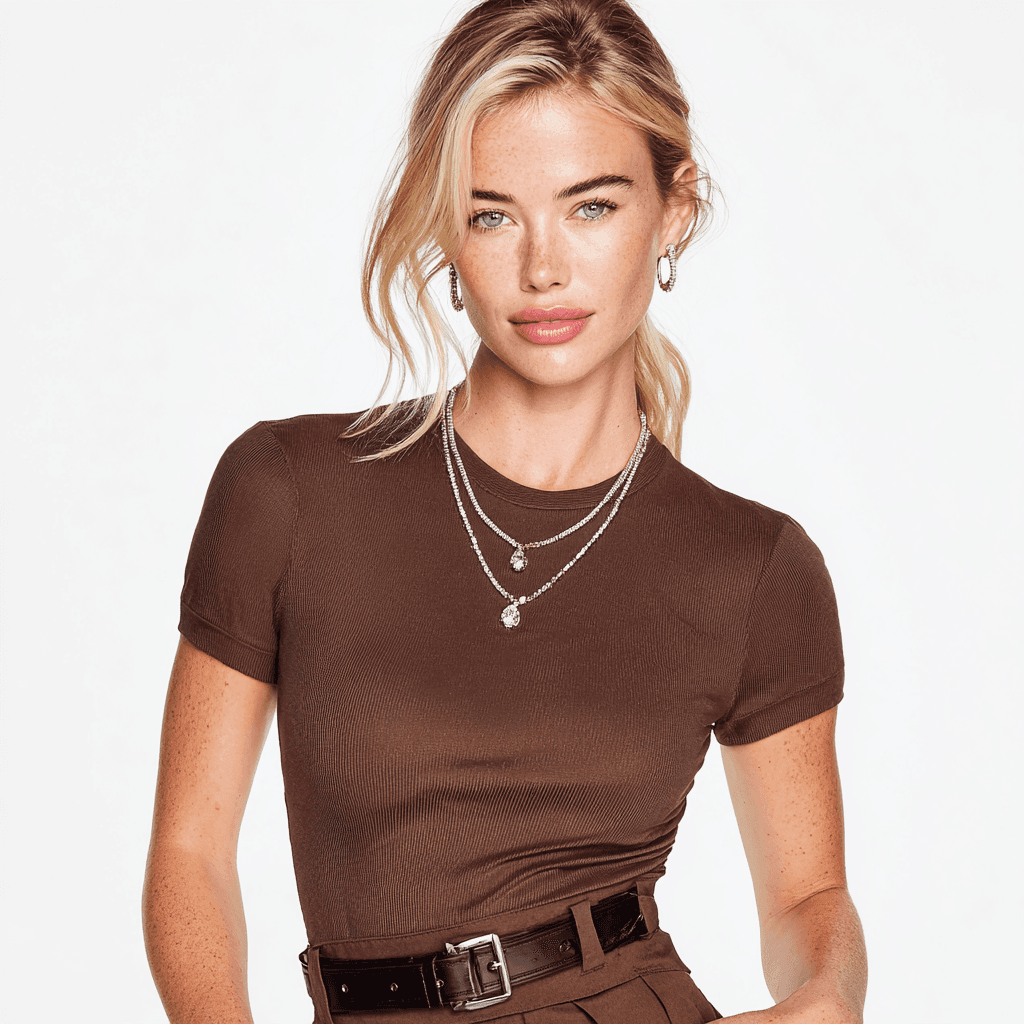
Designing layerable necklaces requires intentional coordination of chain lengths, weights, pendant scales, and visual themes so that individual pieces look beautiful alone and create cohesive, tangle-free compositions when worn together, driving the repeat purchases that make layered jewelry one of the most commercially successful categories.
The Commercial Power of Layering
Layerable necklace design is one of the smartest commercial strategies in jewelry. Each piece works independently, making it an easy individual purchase. Together, pieces create an effect greater than the sum of their parts, motivating customers to collect the full set. This "collect and combine" dynamic drives repeat business as customers return to add layers to their growing collection.
Fundamental Design Principles
Length Spacing
The most critical technical decision in layerable design is the length progression between pieces.
| Layer | Standard Length | Sit Point |
|---|---|---|
| Layer 1 (shortest) | 14 to 16 inches | At or above collarbone |
| Layer 2 (middle) | 18 to 20 inches | Below collarbone |
| Layer 3 (longest) | 22 to 24 inches | Chest level |
| Layer 4 (optional) | 26 to 30 inches | Mid-chest to navel |
A minimum 2-inch gap between layers prevents tangling and creates visible separation. Three-inch spacing provides the cleanest look with minimal maintenance during wear.
Chain Weight Coordination
Chains in a layered set should share a visual weight family without being identical. Vary the chain style between layers while maintaining similar delicacy or substance. A fine cable chain, a slightly heavier box chain, and a medium rope chain create variety within a coordinated weight range.
Avoid mixing very fine chains with very heavy chains. The visual disconnect between a thread-thin chain and a chunky link in the same layered set looks unplanned rather than designed.
Pendant Scaling
When layers include pendants, scale them proportionally to their position. The shortest layer might feature a small charm or single stone. The middle layer carries a medium pendant. The longest layer supports the largest pendant or most complex focal piece.
This scaling creates natural visual hierarchy, with the eye traveling from delicate to substantial as it moves down the layers. Charm necklace design principles apply particularly well to layered pendant coordination.
Anti-Tangle Design Solutions
Tangling is the primary complaint about layered necklaces. Smart design minimizes this frustration.
Multi-Chain Clasp Systems
Design a single clasp mechanism that manages two or three chains simultaneously. This keeps chains aligned at the back of the neck, preventing the rotation that causes front-of-neck tangling.
Weighted Pendants
Pendants add front-weight that keeps chains oriented correctly. A chain without a pendant is more likely to rotate and tangle with adjacent chains than one anchored by a pendant at the front.
Chain Texture Variety
Smooth chains slide against each other and tangle easily. Textured chains create friction that reduces movement between layers. Mixing a smooth chain with a twisted or textured chain reduces tangling compared to two smooth chains at adjacent lengths.
Connector Options
Small jump rings or spacer elements that connect multiple chains at the back create a unified layered necklace from individual pieces. These connectors maintain spacing and prevent independent chain movement.
Collection Design Strategy
The Three-Piece Foundation
Design a core layering set of three coordinating necklaces. This set should be available as individual pieces and as a bundled set at a slight discount. The three-piece set provides visual completeness while allowing customers to start with one piece and build over time.
Expansion Pieces
Beyond the core set, design additional pieces at compatible lengths that offer alternative styling. A birthstone pendant at the middle length. An initial charm at the shortest length. A longer lariat option for dramatic effect.
Seasonal Refreshes
Add seasonal variations to the layering system using the same length and weight standards. Holiday-themed charms, seasonal stone colors, and limited-edition pendants keep the collection fresh while remaining compatible with existing core pieces.
Marketing Layered Collections
Show pieces both individually and layered in all marketing materials. Demonstrate the versatility by photographing different combinations. Create content showing how pieces from different collections layer together, encouraging cross-collection purchasing.
Photography and social media content showing layered necklaces consistently outperforms single-piece imagery in engagement metrics, as the styling inspiration drives aspirational purchasing.
Designing Layered Sets With Tashvi AI
Tashvi AI helps designers visualize complete layered sets by generating necklace concepts at different lengths and proportions. See how a three-piece set works together before producing any physical samples. Experiment with pendant sizes, chain styles, and metal combinations to find the perfect layering composition.
The platform's proportional understanding ensures that generated concepts maintain appropriate spacing and scale relationships between layers.
Try designing on Tashvi AI free
The Layering Advantage
Layerable necklace design serves both customer and business. Customers get versatile pieces that multiply styling options. Businesses get a product strategy that naturally drives repeat purchases and higher average order values. The stacking and layering trend across all jewelry categories shows no signs of slowing, making layered design a reliable foundation for collection development.
Frequently Asked Questions
Quick answers to the questions readers ask most about this guide.
What lengths work best for layered necklaces?
The standard layering progression uses 2 to 3 inch intervals. A popular combination is 16 inches (choker), 18 inches (princess), and 20 to 22 inches (matinee). This spacing prevents tangling while creating visible separation between each layer.
How do you prevent layered necklaces from tangling?
Design with tangling prevention in mind. Use different chain weights for each length, slightly heavier for shorter pieces. Consider clasp design that allows multi-chain wearing. Some designers create unified layering systems with a single clasp managing multiple chains.
How many layers look good together?
Two to four layers create the best visual impact without appearing cluttered. Three layers is the most popular combination, providing visual interest and depth while maintaining a clean overall impression.
Should all layers be from the same collection?
Layering works best when pieces share a common design language but are not identical. Same metal family, similar chain weight range, and coordinating pendant styles create cohesion while individual variety adds interest.
How do you price layerable necklace sets?
Price individual pieces to work as standalone purchases, then offer set pricing at 10 to 15 percent discount. This strategy encourages collecting over time while rewarding customers who purchase complete sets.