How Blockchain Authentication Is Fighting Jewelry Counterfeiting
Learn how blockchain technology creates immutable records of jewelry provenance, authentication, and ownership that combat counterfeiting while building consumer trust in precious metal and gemstone purchases.
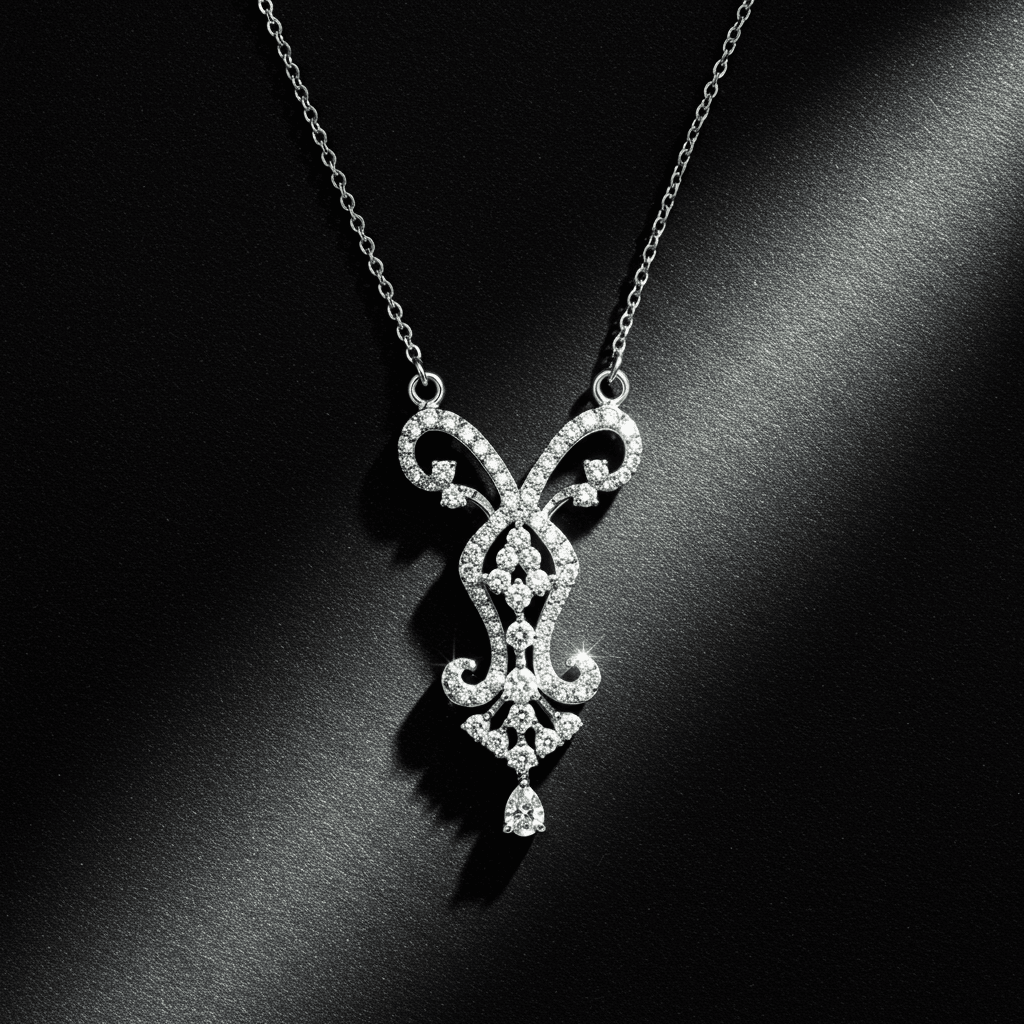
Blockchain technology creates tamper-proof digital records that track jewelry from raw material sourcing through manufacturing, certification, and retail sale, making counterfeiting virtually impossible while giving consumers verifiable proof of authenticity, ethical sourcing, and ownership history for their purchases.
The Counterfeiting Problem in Jewelry
Jewelry counterfeiting costs the global industry billions annually. From fake branded pieces to misrepresented gemstones and inflated gold purity claims, fraud takes many forms. Traditional authentication methods, paper certificates, hallmarks, and brand packaging, can all be forged. Even experienced jewelers sometimes struggle to distinguish sophisticated fakes from genuine pieces without laboratory analysis.
The problem extends beyond consumer deception. Counterfeit jewelry undermines brand value, erodes consumer trust, and can introduce unethically sourced materials into legitimate supply chains without detection.
How Blockchain Authentication Works
Creating the Record
At each stage of a jewelry piece's lifecycle, relevant parties add verified information to the blockchain. A diamond's journey might include mine extraction data, rough stone certification, cutting and polishing records, laboratory grading results, manufacturer information, and retail sale details.
Each entry is cryptographically secured and linked to previous entries, creating an unbreakable chain of custody. Once recorded, information cannot be altered or deleted. Anyone with the proper access can verify the complete history.
Physical-Digital Link
The digital blockchain record connects to the physical piece through various linking technologies.
| Linking Method | How It Works | Security Level |
|---|---|---|
| Laser inscription | Microscopic serial number on gemstone | High |
| RFID tag | Embedded chip in setting or clasp | Medium to High |
| QR code | Printed on certificate or packaging | Medium |
| NFC tag | Embedded near-field chip | Medium to High |
| Nanoparticle marking | Invisible chemical signature | Very High |
Verification Process
When a consumer wants to verify authenticity, they scan the physical identifier (QR code, NFC tag, or inscription number) using a smartphone app. The app queries the blockchain and displays the complete provenance record, confirming the piece's authenticity and history in seconds.
Applications in the Jewelry Industry
Diamond Provenance
The diamond industry was an early blockchain adopter due to ethical sourcing concerns. Platforms like De Beers' Tracr track diamonds from mine to retail, providing consumers with verified proof that their purchase is conflict-free. This transparency addresses the ethical considerations that increasingly influence diamond purchasing decisions.
Brand Protection
Luxury jewelry houses use blockchain to protect their brand integrity. Each authenticated piece receives a digital certificate that retailers and consumers can verify. Counterfeit pieces attempting to enter the market lack this verified record, making them identifiable regardless of how convincing their physical appearance.
Resale Market Trust
The secondary jewelry market suffers from authentication uncertainty that depresses prices and deters buyers. Blockchain-certified pieces command higher resale values because buyers can verify authenticity, condition history, and ownership chain before purchasing. This creates a more liquid and trustworthy resale market.
Insurance Documentation
Insurance claims require proof of ownership, authenticity, and value. Blockchain provides immutable records that simplify claims processing and reduce fraud. Some insurers offer premium discounts for blockchain-certified jewelry due to the reduced claim risk.
Ethical Sourcing Verification
Beyond counterfeiting, blockchain enables verification of ethical sourcing claims. Consumers concerned about mining practices, labor conditions, and environmental impact can verify these attributes through the blockchain record rather than relying on brand promises alone.
Industry Adoption
Major players across the jewelry ecosystem are implementing blockchain solutions.
Mining companies record extraction data, including location, date, and environmental compliance status. Cutting and polishing facilities add processing records and quality assessments. Gemological laboratories publish certification data directly to the blockchain. Manufacturers record production details and quality inspection results. Retailers add sale information and warranty details.
This multi-party participation creates comprehensive records that no single entity controls, ensuring trustworthiness through distributed verification.
Challenges and Limitations
The Physical-Digital Gap
Blockchain secures digital records perfectly, but the link between digital records and physical objects remains a potential vulnerability. Sophisticated counterfeiters could theoretically create fake pieces that mimic the physical identifiers linking to legitimate blockchain records. Multi-layered authentication combining several physical-digital linking methods reduces this risk.
Industry Standardization
Different blockchain platforms and data standards create interoperability challenges. A diamond certified on one blockchain may not be easily verified through another system. Industry-wide standards are developing but not yet universal.
Cost for Small Businesses
While per-piece costs are modest, implementing blockchain authentication requires technology investment, process changes, and training. Small jewelers may find the initial setup overhead challenging, though simplified platforms are making adoption increasingly accessible.
How Tashvi AI Supports Authenticated Design
Tashvi AI contributes to the authentication ecosystem by generating detailed design records from the concept stage. When a piece begins as an AI-generated concept on Tashvi AI, the platform can provide design provenance data showing the original concept, design parameters, and creation timestamp. This information enriches the blockchain record by documenting the piece's history from its very first moment of conception.
For jewelers building brands around transparency and ethical practices, combining AI design tools with blockchain authentication creates a complete, verifiable story from concept through customer delivery.
Try designing on Tashvi AI free
The Path Forward
Blockchain authentication will become standard practice in the jewelry industry, driven by consumer demand for transparency and brand need for protection. Early adopters gain competitive advantage through enhanced consumer trust and premium positioning. As technology transforms the jewelry industry, blockchain authentication stands alongside AI design and digital manufacturing as a defining innovation of this era.
Frequently Asked Questions
Quick answers to the questions readers ask most about this guide.
How does blockchain prevent jewelry counterfeiting?
Blockchain creates an immutable record of a piece's journey from raw material sourcing through manufacturing, certification, and retail sale. Each transaction is permanently recorded and cannot be altered, making it virtually impossible to insert counterfeit pieces into the authenticated supply chain.
What information does a blockchain jewelry certificate contain?
A blockchain certificate typically includes material origin and sourcing details, gemstone certification data, manufacturing process records, quality inspection results, ownership history, and any modifications or repairs. All entries are timestamped and permanently recorded.
Is blockchain authentication expensive for jewelry businesses?
Costs vary from $1 to $10 per piece for basic certification to $50 to $200 for comprehensive provenance tracking of high-value items. For luxury jewelry where authenticity directly impacts value, the cost is minimal relative to the trust and value it creates.
Can consumers verify blockchain jewelry certificates themselves?
Yes. Most blockchain jewelry platforms provide consumer-facing apps or websites where buyers can scan a QR code or enter a certificate number to view the complete provenance record. Verification is instant and requires no technical knowledge.
Which major jewelry companies use blockchain authentication?
De Beers' Tracr platform, the Gemological Institute of America's reporting systems, and numerous luxury houses have adopted blockchain authentication. The technology is spreading rapidly across the industry, from major brands to independent designers.