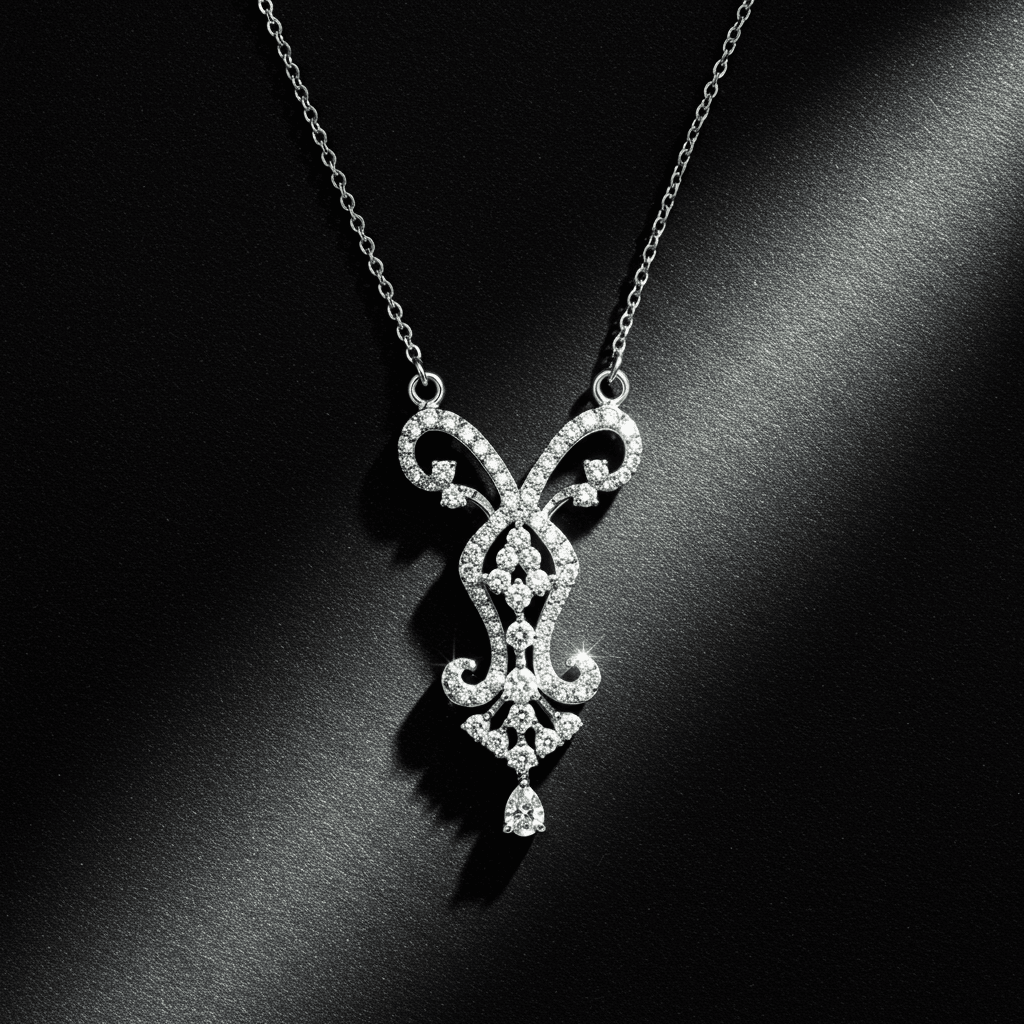
How Digital Twins Are Transforming Jewelry Inventory Management
Explore how digital twin technology creates virtual replicas of physical jewelry inventory, enabling real-time tracking, predictive restocking, virtual showroom experiences, and data-driven merchandising decisions.
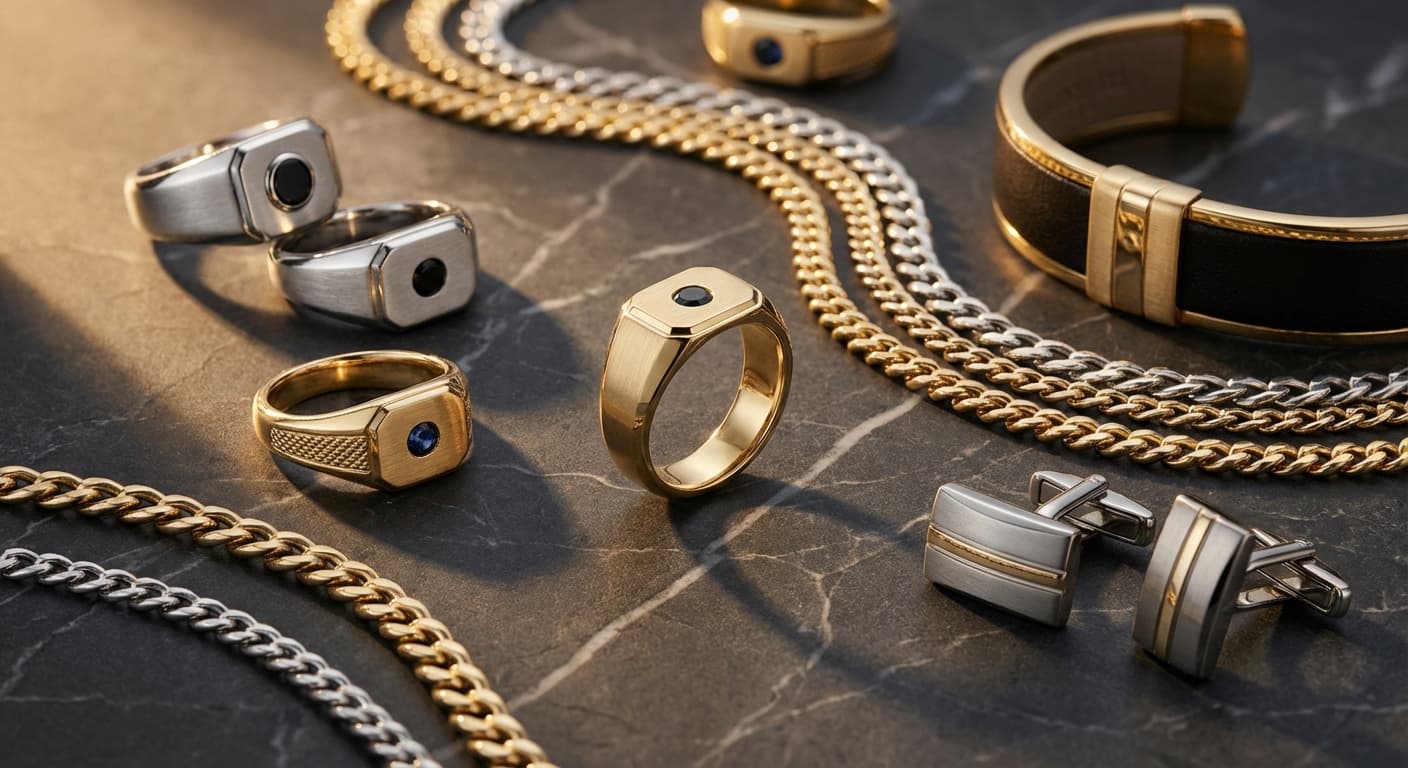
Digital twin technology creates precise virtual replicas of physical jewelry inventory that enable real-time tracking, virtual customer experiences, and data-driven merchandising, helping retailers reduce carrying costs by 15 to 30 percent while expanding their sales reach beyond the physical showroom.
Understanding Digital Twins for Jewelry
A digital twin goes beyond a simple product photo or database entry. It is a comprehensive virtual representation that mirrors every attribute of a physical piece. The digital twin of a diamond engagement ring includes not just its image but its exact dimensions, gemstone certification data, provenance history, current condition, location within the store, and sales performance metrics.
This rich digital representation enables capabilities that flat product listings cannot provide. Customers view pieces in 3D from any angle. Inventory systems track pieces with precision previously impossible. Merchandising teams analyze data patterns that reveal which displays, positions, and pairings drive sales.
Real-Time Inventory Tracking
Traditional jewelry inventory management relies on periodic physical counts, a process that is time-consuming, error-prone, and provides only snapshots rather than continuous visibility. Digital twins transform inventory tracking into a continuous, automated process.
RFID and Smart Tags
Each physical piece links to its digital twin through RFID tags, QR codes, or smart labels. These tags are small enough to attach to price tags or packaging without affecting the piece's presentation. Readers positioned throughout the store automatically detect when pieces move between locations.
| Tracking Method | Cost per Tag | Read Range | Best For |
|---|---|---|---|
| RFID passive | $0.10 to $0.50 | 1 to 10 meters | High-volume tracking |
| RFID active | $5 to $25 | 30+ meters | High-value individual pieces |
| QR code | $0.01 to $0.05 | Camera required | Budget implementations |
| NFC | $0.20 to $1.00 | 10 centimeters | Customer interaction points |
Automated Alerts
The system generates automatic alerts for inventory events. When a piece leaves its assigned display case, when stock of a particular style drops below reorder threshold, when a piece has sat in inventory beyond its target selling period, the digital twin system communicates these events in real time.
Virtual Showroom Capabilities
Digital twins enable jewelry retailers to present their entire physical inventory to customers who cannot visit the store. This dramatically expands the potential customer base without the logistics of shipping physical pieces for approval.
360-Degree Viewing
Each digital twin includes a photorealistic 3D model that customers can rotate, zoom, and examine from any angle. This virtual examination replicates much of the in-store experience, letting customers assess proportions, sparkle, and overall appearance before visiting the store or making a purchase decision.
Virtual Try-On
Augmented reality integrations allow customers to virtually wear pieces from inventory using their smartphone cameras. The digital twin provides the accurate dimensions and appearance data needed for realistic virtual try-on experiences.
Remote Sales
Sales associates can share digital twins with remote customers during video consultations, walking them through available inventory without physical presence. This capability proved transformative for retailers who embraced it, extending their reach to customers across time zones and geographies.
Data-Driven Merchandising
Digital twins generate rich data that transforms merchandising from intuition-based to data-driven.
Performance Analytics
Track which pieces attract the most attention in display cases, which generate the most online views, and which convert browsers to buyers at the highest rates. This data informs purchasing decisions, display strategies, and pricing optimization.
Demand Prediction
AI analysis of digital twin data predicts demand patterns for different jewelry categories, styles, and price points. This predictive capability helps retailers stock the right pieces at the right time, reducing both stockouts and excess inventory.
Optimal Assortment
By analyzing sales patterns across their digital twin inventory, retailers identify gaps in their assortment and redundancies that tie up capital. This intelligence drives smarter buying decisions that improve overall inventory performance.
Implementation Considerations
Starting Small
Begin with your highest-value pieces. Create digital twins for engagement rings and fine jewelry first, where the investment in detailed digital representation delivers the greatest return through enhanced customer experience and loss prevention.
Photography and 3D Scanning
Creating digital twins requires capturing detailed visual data. Options range from smartphone photography with AI enhancement to professional jewelry photography setups to dedicated 3D scanning systems. The right approach depends on your inventory size and budget.
System Integration
Digital twin systems deliver maximum value when integrated with your point-of-sale system, e-commerce platform, and customer relationship management software. This integration ensures that inventory changes reflect instantly across all sales channels.
How Tashvi AI Enhances Digital Twin Creation
Tashvi AI accelerates the creation of digital twin visual assets by generating photorealistic images from multiple angles based on physical piece photographs or design files. Rather than investing in expensive 3D scanning equipment for every piece, jewelers use Tashvi AI to create the visual component of digital twins from simple reference photos.
This approach makes digital twin technology accessible to small and mid-size jewelry businesses that might otherwise find the visual asset creation process cost-prohibitive.
Try designing on Tashvi AI free
The Future of Jewelry Inventory
Digital twin technology will increasingly merge physical and digital retail experiences. As AR and VR technologies mature, customers will browse virtual stores stocked with digital twins of real inventory, examining and trying on pieces as naturally as they would in a physical showroom.
For jewelry retailers, embracing digital twins now builds the foundation for this evolving retail landscape while delivering immediate benefits in inventory accuracy, customer experience, and merchandising intelligence. The transformation of jewelry retail through technology is accelerating, and digital twins are central to that evolution.
Frequently Asked Questions
Quick answers to the questions readers ask most about this guide.
What is a digital twin in jewelry retail?
A digital twin is a virtual replica of a physical jewelry piece that includes its visual appearance, specifications, provenance, condition, and sales history. It mirrors the real item in digital space, enabling remote viewing, virtual try-on, and intelligent inventory management.
How do digital twins improve jewelry inventory accuracy?
Digital twins link physical pieces to digital records in real time. Every movement, from receiving to display case to customer purchase, is tracked automatically. This eliminates manual counting errors and provides instant visibility into stock levels across all locations.
Can small jewelry stores benefit from digital twin technology?
Yes. Entry-level digital twin systems using smartphone photography and inventory apps are affordable for small retailers. Even basic implementation improves stock accuracy, enables online selling of in-store inventory, and provides data for better purchasing decisions.
How do digital twins enable virtual jewelry showrooms?
Digital twins provide photorealistic 3D models of every piece in inventory that customers can view, rotate, and virtually try on from anywhere. This extends your showroom reach globally without shipping physical inventory or maintaining multiple retail locations.
What is the ROI of digital twin technology for jewelers?
Jewelers implementing digital twins report 15 to 30 percent reduction in inventory carrying costs, 20 to 40 percent increase in online conversion rates for in-store inventory, and significant reduction in stock discrepancies and shrinkage through better tracking.