Emerald Jewelry Design: From Colombian Mines to AI-Generated Masterpieces
Deep-dive into emerald quality, origins, and design considerations for this treasured green gemstone. Learn about Colombian vs Zambian emeralds, treatment types, setting choices, and how AI transforms emerald jewelry creation.
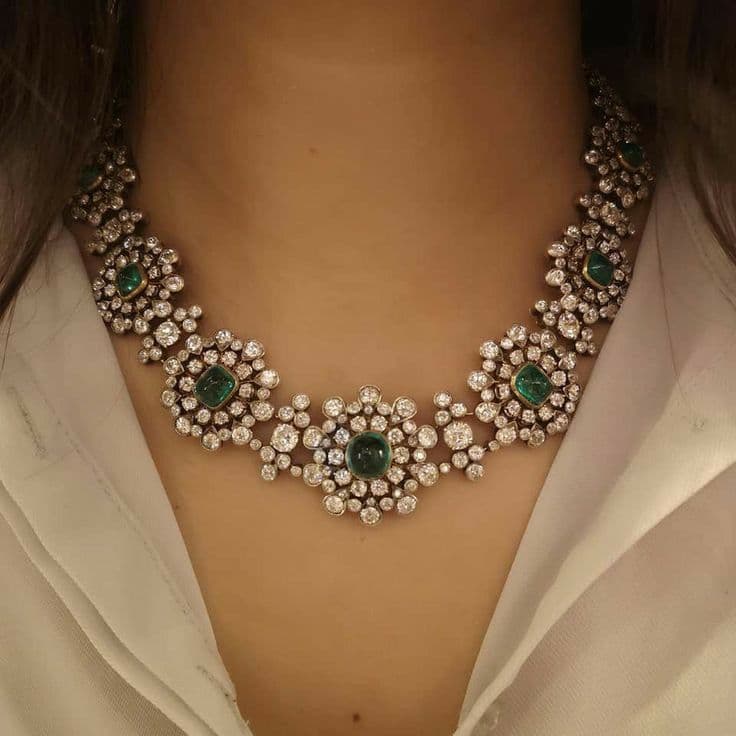
Emeralds have captivated humanity for over 4,000 years with their rich green beauty, ranking alongside diamonds, rubies, and sapphires as one of the four precious gemstones. From Cleopatra's legendary emerald mines to modern Colombian treasures, this extraordinary gem offers a depth of color and character that no other stone can replicate.
Designing jewelry with emeralds requires understanding their unique properties, quality factors, and care requirements. Unlike diamonds that prioritize clarity above all else, emeralds embrace their natural inclusions as part of their identity. This distinctive characteristic, combined with their softer nature compared to other precious stones, demands thoughtful design decisions that balance beauty with practical protection.
Understanding Emerald Origins
Colombian Emeralds
Colombia produces approximately 50 to 95 percent of the world's gem-quality emeralds, depending on the year. The three most famous mining regions, Muzo, Chivor, and Coscuez, each produce stones with subtly different color characteristics. Muzo emeralds tend toward a deep, slightly warm green. Chivor stones often display a cooler, bluish-green tone. Coscuez produces gems ranging between these two profiles.
What makes Colombian emeralds geologically unique is their formation in sedimentary rock, unlike most other emerald deposits worldwide. This distinct geological environment produces crystals with exceptional color saturation and often superior transparency. The most prized Colombian emeralds display a vivid medium to medium-dark green with minimal blue or yellow secondary hues.
Zambian Emeralds
Zambia has emerged as the second most significant emerald source globally, with the Kagem mine (partially owned by Gemfields) producing consistent, high-quality stones. Zambian emeralds typically display a cooler, more bluish-green color compared to Colombian stones. They often have better clarity but slightly different color saturation.
The iron content in Zambian emeralds gives them their characteristic blue-green undertone, while Colombian emeralds get their warmer green from chromium and vanadium without significant iron content. Neither origin is inherently better. Preference between Colombian warmth and Zambian coolness comes down to personal taste.
Other Notable Sources
Brazil produces emeralds ranging from light to dark green, sometimes with yellowish undertones. The Nova Era and Itabira regions yield significant commercial quantities. Afghanistan produces some remarkably fine emeralds from the Panjshir Valley, though political instability limits consistent supply. Ethiopia has emerged as a newer source, producing lighter-toned but sometimes impressively clean emeralds that offer value at lower price points.
Evaluating Emerald Quality
The Four Cs for Emeralds
While emeralds use the same grading framework as diamonds, the priorities differ dramatically.
Color stands as the single most important quality factor, accounting for roughly 50 to 70 percent of an emerald's value. The ideal emerald displays a vivid, medium to medium-dark green with strong saturation. Slight blue secondary hue is acceptable and often desirable. Yellowish green or overly dark stones command lower prices.
Clarity follows different rules than diamond grading. The trade expects and accepts inclusions in emeralds, referred to by the French term Jardin (garden). These internal characteristics are considered part of the stone's identity rather than flaws. An emerald with good color and moderate inclusions will always outvalue a perfectly clean stone with weak color.
Cut significantly affects how an emerald displays its color. The emerald cut (rectangular step cut) was literally developed for this stone, with its broad flat facets maximizing color display while its cropped corners protect vulnerable edges. Round, oval, pear, and cushion cuts also work well, though they typically command higher per-carat prices due to greater rough waste.
Carat weight affects price exponentially with emeralds. Fine emeralds above two carats command significant premiums, and exceptional stones above five carats are genuinely rare. Unlike diamonds where large sizes are relatively available at a price, truly fine large emeralds are scarce at any price point.
Understanding Emerald Treatments
Treatment transparency is essential when purchasing emeralds. The most common treatments include the following.
| Treatment | Description | Industry Acceptance | Effect on Value |
|---|---|---|---|
| Minor oil | Light cedar oil fills surface-reaching fractures | Widely accepted | Minimal impact |
| Moderate oil | Heavier oiling for more included stones | Accepted at lower price | Moderate reduction |
| Resin (Opticon) | Polymer resin fills fractures permanently | Accepted with disclosure | Significant reduction |
| Colored filler | Green-tinted oil or resin | Not accepted by most dealers | Major reduction |
| None | No treatment at all | Premium value | Significant premium |
Reputable dealers disclose treatment levels. GIA, SSEF, and Gubelin laboratories provide detailed treatment reports for significant stones. For jewelry design purposes, understanding your stone's treatment level helps you advise proper care to the eventual wearer.
Designing with Emeralds
Setting Considerations
Emeralds rate 7.5 to 8 on the Mohs hardness scale, making them significantly softer than sapphires (9) and diamonds (10). More importantly, their natural inclusions can create internal stress points vulnerable to impact. Thoughtful setting design protects emeralds while showcasing their beauty.
Bezel settings wrap protective metal around the entire perimeter of the stone, offering the best protection for daily-wear emerald rings. The continuous metal border shields edges from impact while creating a sleek, modern frame for the green center.
Halo settings surround the emerald with smaller stones (usually diamonds) that add protection to the center stone's edges while amplifying visual impact. The contrast between white diamonds and green emerald creates the kind of dramatic color play that has defined fine emerald jewelry for centuries.
Prong settings work for emeralds but require careful execution. V-shaped prongs protect the vulnerable corners of emerald-cut stones, while basket settings provide additional structural support beneath the stone. Thin, minimal prong designs leave emeralds more exposed to accidental knocks.
Metal Pairing Guide
Yellow gold and emeralds represent perhaps the most classic combination in fine jewelry, with the warm gold enhancing the green's natural richness. This pairing echoes centuries of royal and aristocratic emerald jewelry. Different gold karats affect the warmth of this pairing, with 18K and 22K gold providing the richest complement.
White gold and platinum create dramatic contrast with emerald green, producing a more contemporary look. The neutral white metal allows the emerald's color to take center stage without competition from warm metallic tones.
Rose gold and emeralds offer a modern, unexpected pairing that has gained significant popularity. The pink warmth of rose gold creates a sophisticated complementary color relationship with green, producing jewelry with distinctive visual appeal.
Emerald Jewelry by Category
Engagement rings featuring emeralds make bold statements about individuality and connection to nature. The growing trend toward colored gemstone engagement rings has brought emeralds into the spotlight as alternatives to traditional diamonds. Design for daily wear by choosing protective settings and considering the wearer's activity level.
Necklaces and pendants showcase emeralds beautifully, and the lower impact risk of neckwear makes this category more forgiving of delicate settings. Emerald drops, solitaire pendants, and emerald-accent charm necklaces all present the stone's color at its most flattering position near the face and neckline.
Earrings allow emeralds to catch light and display their depth of color in movement. Stud earrings, drop earrings, and hoops with emerald accents work across casual and formal settings. The distance from everyday impact makes earrings an excellent category for more delicate emerald settings.
Bracelets require the most robust setting design for emeralds, as wrists experience frequent contact with surfaces. Channel settings and bezel settings protect emeralds in bracelet applications. Tennis bracelets alternating emeralds with diamonds create stunning color rhythms while using the harder diamonds as structural elements between the softer green stones.
Lab-Grown Emeralds
Lab-grown emeralds offer identical chemical composition and crystal structure to natural stones at significantly lower prices. Hydrothermal growth methods produce emeralds with excellent color and fewer inclusions than most natural counterparts. For design purposes, lab-grown emeralds behave identically to natural stones and require the same setting considerations and care practices.
The choice between natural and lab-grown comes down to personal values, budget, and the importance of geological origin. Some clients specifically want the story of a stone formed over millions of years in Colombian earth. Others prioritize the environmental and ethical advantages of laboratory creation. Both produce genuinely beautiful emerald jewelry.
Designing Emerald Jewelry with Tashvi AI
Tashvi AI helps you explore emerald jewelry designs across every setting style, metal combination, and piece category before committing to production. Describe your vision, from a Colombian-inspired classic emerald and diamond ring to a modern minimalist emerald pendant, and generate photorealistic concepts that show exactly how different design choices affect the final piece.
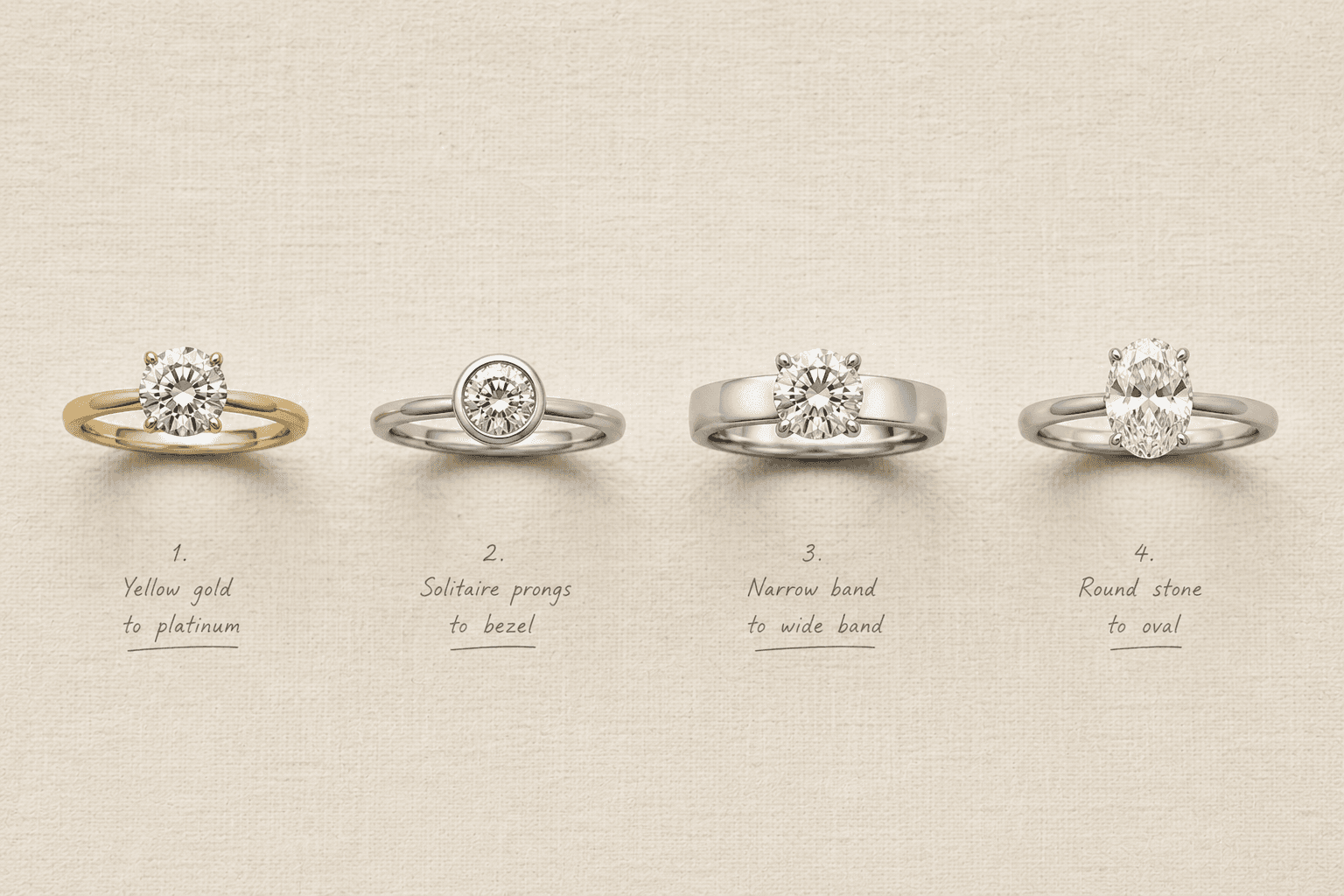
For jewelers working with clients who want emerald pieces, AI-generated designs facilitate faster decision-making by showing multiple options side by side. Compare how the same emerald looks in a bezel versus prong setting, or in yellow gold versus platinum, without creating physical samples for each variation. Try designing on Tashvi AI free
Caring for Your Emerald Jewelry
Emerald care demands gentleness and awareness. Clean emerald pieces only with a soft damp cloth or lukewarm water with mild soap. Never expose emeralds to ultrasonic cleaners, steam, extreme heat, or harsh chemicals, as these can strip oil treatments and damage the stone. Store emerald jewelry separately from harder stones that could scratch its surface, and remove emerald rings before activities involving hand impact.
With proper care and thoughtful design, emerald jewelry provides a lifetime of enjoyment. The stone's unique combination of rich color, historical mystique, and natural character creates pieces with personality and depth that few other gemstones can match.
Frequently Asked Questions
Quick answers to the questions readers ask most about this guide.
What makes Colombian emeralds special?
Colombian emeralds are prized for their pure, warm green color with slight bluish undertones, often considered the ideal emerald color. They form in sedimentary rock rather than metamorphic, producing crystals with exceptional color saturation. The Muzo, Chivor, and Coscuez mines produce the world's most sought-after specimens.
Are all emeralds treated?
An estimated 95-99% of emeralds on the market receive some form of treatment, most commonly oil or resin filling to improve clarity. Minor oil treatment is widely accepted in the industry and does not significantly affect value. Heavy treatment or the use of colored fillers does reduce value substantially.
Can emeralds be used in engagement rings?
Yes, but with careful design consideration. Emeralds rate 7.5-8 on the Mohs scale and contain natural inclusions (called Jardin) that can make them more vulnerable to impact than diamonds or sapphires. Protective settings like bezels or halos are recommended for daily-wear emerald engagement rings.
What is Jardin in emeralds?
Jardin (French for garden) refers to the characteristic internal inclusions found in natural emeralds. These tiny fractures, crystals, and growth patterns resemble a miniature garden and are considered part of the emerald's character. Unlike in diamonds, some Jardin is expected and accepted in fine emeralds.
How should I clean emerald jewelry?
Clean emeralds only with a soft, damp cloth or lukewarm water with mild soap. Never use ultrasonic cleaners, steam cleaners, or chemical solutions on emeralds. These can strip oil treatments and worsen the appearance of natural inclusions. Pat dry gently and avoid sudden temperature changes.