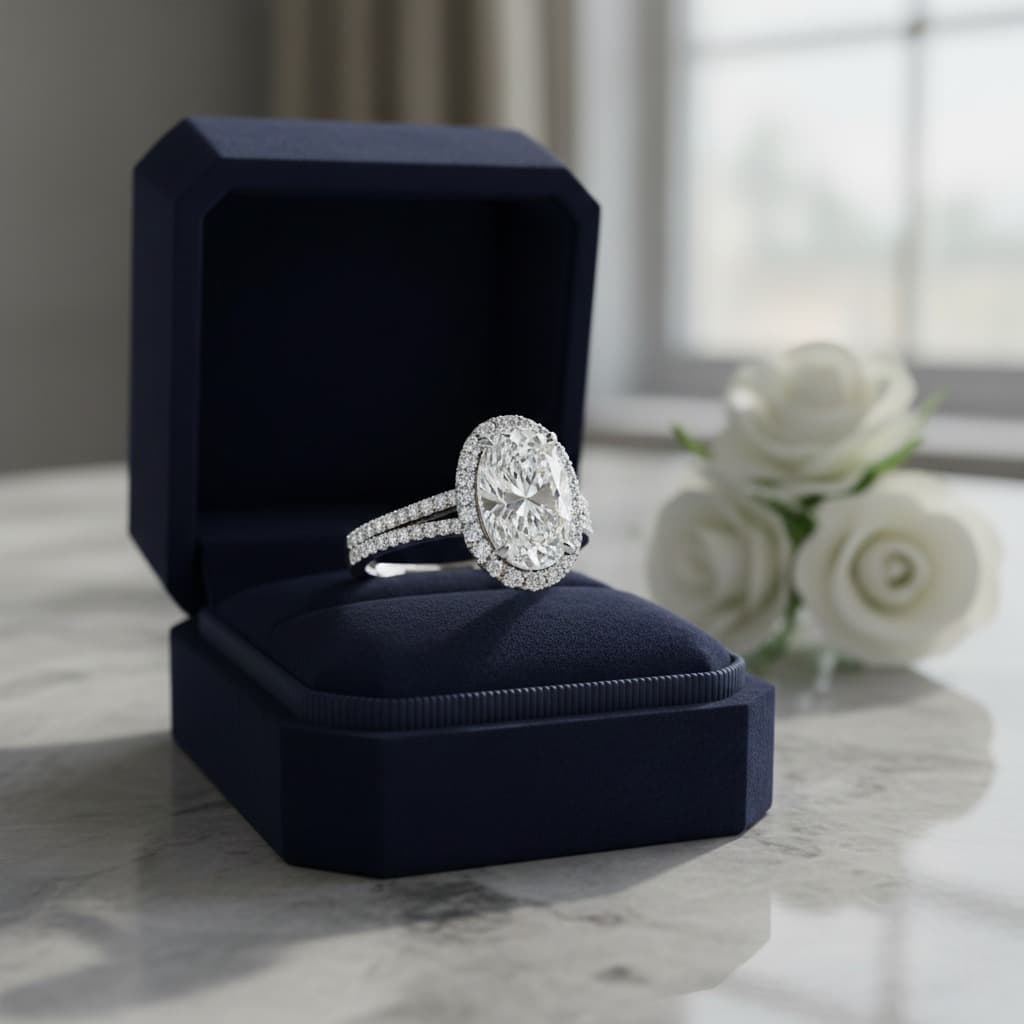
The Art of Designing Heirloom-Quality Jewelry
Learn the design principles, material choices, and construction techniques that transform jewelry from fashionable accessories into heirloom pieces meant to be treasured across generations and passed down with meaning.
Designing heirloom-quality jewelry requires combining timeless aesthetics that resist trend dating, premium materials that maintain beauty across decades, robust construction that withstands generational wear, and emotional design elements that give future owners reasons to treasure and preserve each piece.
What Separates Heirloom From Fashionable
Fashion jewelry serves the moment. Heirloom jewelry serves the lifetime and beyond. The distinction begins at the design stage with decisions that prioritize permanence over novelty.
An heirloom piece looks as relevant twenty years from now as it does today. It is built to withstand daily wear for decades. It carries meaning beyond its material value. And it possesses enough quality and beauty to motivate future generations to preserve rather than melt or sell it.
Timeless Design Principles
Avoiding Trend Dependency
The most critical design decision for heirloom jewelry is avoiding elements that will date the piece to a specific era. While some historical specificity becomes charming over time (Art Deco, Victorian, pieces that reference short-lived fashion trends lose their appeal quickly.
Design for the permanent end of the style spectrum. Classic ring settings like solitaires and three-stone designs have remained appealing for over a century. Simple diamond studs, pearl strands, and gold bangle bracelets transcend fashion cycles entirely.
| Design Element | Trend-Dependent (Avoid) | Timeless (Prefer) |
|---|---|---|
| Silhouette | Ultra-trendy shapes | Classic proportions |
| Metal finish | Extreme novelty finishes | Polish, subtle satin |
| Stone setting | Trend-specific arrangements | Proven classic settings |
| Proportions | Exaggerated sizes | Balanced, wearable |
| Decorative elements | Pop culture references | Geometric, organic, symbolic |
Proportional Excellence
Without trend-driven novelty to create interest, heirloom pieces must rely on proportional perfection. The relationship between stone and setting, band width and finger, pendant and chain, all must be precisely calibrated. Understanding jewelry proportions becomes essential when the design must stand on fundamental beauty rather than novelty.
Emotional Design Elements
Incorporate elements that create personal connection. Engravings, birthstones, symbolic motifs, and custom details transform a beautiful object into a meaningful one. The piece that a grandmother engraved with her wedding date carries different significance than an identical unmarked piece.
Material Choices for Longevity
Metals
Platinum is the ultimate heirloom metal. It wears slowly, developing a patina rather than losing material. Platinum prongs maintain their holding strength for decades. The metal does not tarnish and requires minimal maintenance.
18K gold provides rich color and excellent durability. It is harder than 24K gold while maintaining the warmth that distinguishes higher karat gold.
14K gold offers the best balance of durability and beauty for daily-wear heirlooms. Its higher alloy content makes it more resistant to scratching and denting than 18K.
Gemstones
Select gemstones with hardness and stability appropriate for generational wear.
Diamonds (Mohs 10) are virtually indestructible through normal wear. Their brilliance does not diminish over time, making them the ideal heirloom stone.
Sapphires and rubies (Mohs 9) provide excellent durability with the added appeal of color. Sapphire engagement rings have centuries of history as heirloom pieces.
Emeralds (Mohs 7.5 to 8) require more careful handling but work well in protective settings like bezels for pieces that will be worn regularly.
Construction for Durability
Adequate Metal Thickness
Heirloom pieces must contain enough metal to withstand decades of wear without structural failure. Prongs that are adequate for five years of wear may be too thin for fifty. Bands that feel light and delicate may lose structural integrity over decades of daily compression and flexion.
Design with generous material in all structural areas. Prong bases should be wider and taller than minimum requirements. Band cross-sections should exceed fashion-piece standards. Gallery construction should provide redundant support for stone retention.
Quality Stone Setting
Stones must be set to remain secure for decades. This means proper seat preparation, correct prong placement, adequate prong height, and finish work that leaves no metal fatigue points where prongs meet the band.
Seamless Construction
Solder joints, assembly points, and finish transitions should be invisible and structurally sound. Any joint represents a potential failure point over decades, so minimizing joints and maximizing their quality extends the piece's functional lifetime.
How Tashvi AI Supports Heirloom Design
Tashvi AI helps designers explore timeless aesthetics by generating concepts that prioritize classic proportions and proven design elements. The platform's understanding of jewelry design fundamentals ensures that generated concepts maintain the proportional excellence that heirloom pieces demand.
Visualize how a design will look not just today but conceptually across decades. Test different settings, proportions, and material combinations to find the version with the most enduring appeal.
Try designing on Tashvi AI free
The Heirloom Promise
Every piece of jewelry has the potential to become an heirloom. The designer's role is to make that potential likely through intentional choices in design, materials, and construction. Pieces designed with generational thinking serve their first owner beautifully while carrying enough quality and meaning to serve the next owner, and the next, with equal grace.
Frequently Asked Questions
Quick answers to the questions readers ask most about this guide.
What makes jewelry heirloom quality?
Heirloom quality combines timeless design that transcends trends, premium materials that maintain beauty for decades, construction techniques that ensure structural durability, and emotional significance that motivates passing the piece to future generations.
Which metals last longest for heirloom jewelry?
Platinum is the most durable precious metal, losing virtually no material over decades of wear. 18K and 14K gold provide excellent longevity with rich color. Sterling silver lasts well with proper care but requires more maintenance than gold or platinum.
What gemstones are best for heirloom pieces?
Diamonds (Mohs 10), sapphires, and rubies (Mohs 9) are ideal for daily-wear heirlooms. Emeralds (Mohs 7.5 to 8) work with protective settings. Softer stones can be used in pieces worn occasionally rather than daily.
How does construction quality affect longevity?
Thicker prongs, heavier shanks, proper gallery construction, and quality stone setting all contribute to longevity. Pieces built with adequate metal in stress areas resist the wear and structural fatigue that cause thin pieces to fail over decades.
Do heirloom pieces need to be expensive?
Not necessarily. A well-made sterling silver piece with a durable gemstone and timeless design can become a meaningful heirloom. The key factors are design timelessness, construction quality, and emotional significance rather than material cost alone.