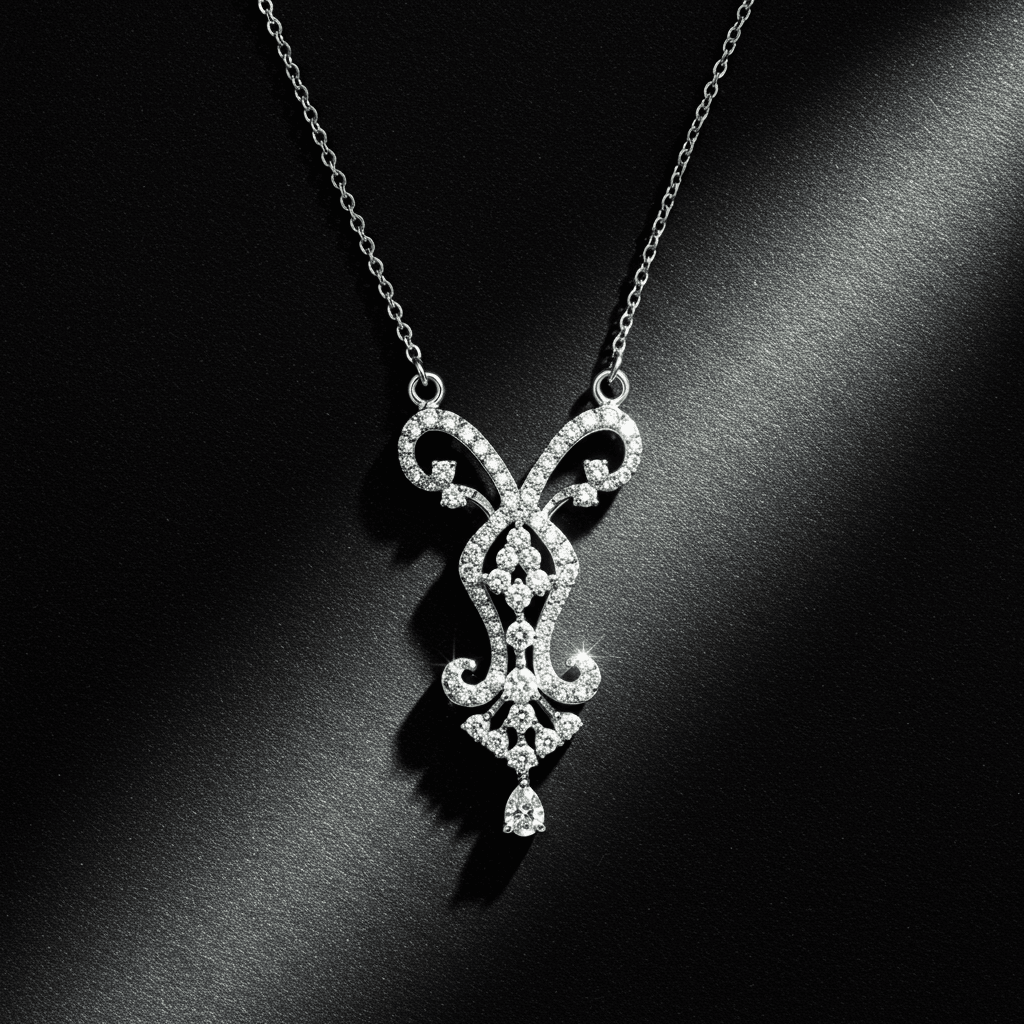
How AI Is Revolutionizing Jewelry Design in 2026
AI is transforming every stage of jewelry design, from concept sketches to photorealistic renders. Discover how artificial intelligence tools are reshaping creative workflows, reducing costs, and empowering designers in 2026.
AI is revolutionizing jewelry design in 2026 by automating concept generation, enabling real-time design iteration, estimating material costs from 2D images, and producing photorealistic renders. From independent artisans to global brands, artificial intelligence tools are cutting design timelines by up to 80% while expanding creative possibilities.
The Jewelry Industry Before AI
For centuries, jewelry design followed a predictable path. A designer would sketch by hand, refine the concept over days or weeks, create a wax model, and then move into production. The introduction of CAD software in the 1990s sped things up, but it also created new barriers. Learning professional CAD tools like Rhino with Matrix or JewelCAD required months of training and expensive licenses.
The result was an industry where creative ideas often died before reaching production. Small jewelers lacked the resources to experiment freely, and clients had to trust static sketches before committing thousands of dollars to custom pieces. The gap between imagination and execution was simply too wide for many.
How AI Is Changing the Game
Artificial intelligence has compressed the jewelry design workflow in ways that seemed impossible just a few years ago. The shift is not about replacing traditional craftsmanship. It is about removing the bottlenecks that slow down every stage of the creative process.
Instant Concept Generation
The most visible change is speed. What used to take a skilled designer hours of sketching now happens in seconds. AI models trained on thousands of real jewelry designs understand proportions, settings, metal types, and gemstone placements. Describe a "vintage Art Deco engagement ring with emerald-cut center stone and pavé side stones," and a well-trained AI generates multiple interpretations instantly.
This speed transforms client consultations. Instead of showing a handful of pre-made samples, jewelers can generate dozens of concepts during a single meeting, tailoring each one to the client's evolving preferences. The conversation shifts from "pick from these options" to "let's explore together."
Design Variation at Scale
Traditional design iteration was expensive. Each variation required manual effort, whether drawn by hand or modeled in CAD. AI eliminates this constraint entirely. A designer can take a base concept and generate 50 to 100 variations exploring different stone shapes, metal colors, setting styles, and decorative elements in under an hour.
This capability is especially powerful for creating jewelry collections. Instead of designing each piece individually, a designer can establish a visual language and let AI explore permutations that maintain the collection's coherence while introducing fresh ideas.
Material Intelligence
One of the most underappreciated advances is AI's ability to estimate materials from a 2D design image. Advanced models can analyze a jewelry render and approximate gold weight, stone carat sizes, and even manufacturing complexity. This gives jewelers and clients a rough cost estimate before any CAD work begins, saving significant time in the quoting process.
For businesses that handle dozens of custom orders weekly, this capability alone can save thousands of dollars in pre-production costs.
Key Technologies Driving the Revolution
Several AI technologies are converging to reshape the industry.
Generative Adversarial Networks (GANs)
GANs excel at producing photorealistic imagery. In jewelry design, they generate renders that are nearly indistinguishable from professional photography. This is transforming jewelry marketing and e-commerce, allowing brands to showcase designs without expensive photo shoots.
Large Language Models
Natural language processing allows designers to describe their vision in plain English rather than wrestling with technical parameters. This makes AI design tools accessible to anyone, not just trained professionals. The ability to iterate through conversation rather than through complex software interfaces is a fundamental shift in who can participate in jewelry design.
Computer Vision
Computer vision models analyze existing jewelry pieces, identifying patterns, styles, and structural elements. This enables trend prediction, quality control, and even the ability to reverse-engineer a design from a customer's reference photo.
| Technology | Application in Jewelry | Impact Level |
|---|---|---|
| Generative AI | Concept creation and variation | Transformative |
| Computer Vision | Quality control and trend analysis | High |
| NLP / LLMs | Conversational design interfaces | High |
| Material Estimation AI | Cost and weight prediction | Growing |
| 3D Reconstruction | 2D to 3D model conversion | Emerging |
Who Benefits Most From AI in Jewelry Design
Independent Designers and Small Studios
Small operations gain the most proportional advantage. Previously competing against brands with full design teams, independent jewelers can now produce professional-quality concepts at a fraction of the cost. A solo designer using AI can present clients with the same breadth of options that once required a team of five.
Custom Jewelry Businesses
Businesses that specialize in bespoke pieces see dramatic improvements in consultation efficiency. The ability to show clients real-time design variations during a meeting transforms the buying experience and increases conversion rates. Clients who can see their vision come to life on screen are far more likely to commit to a purchase.
Jewelry Educators and Students
AI tools are reshaping how newcomers learn jewelry design. Students can experiment freely without the cost barrier of CAD licenses or the intimidation of a steep learning curve. This is producing a new generation of designers who think in terms of creative direction rather than software proficiency.
Real Numbers Behind the Revolution
The impact is measurable. Industry surveys from early 2026 show significant shifts in design productivity and cost structure.
| Metric | Before AI | With AI | Improvement |
|---|---|---|---|
| Concept to first render | 3 to 5 days | 15 to 30 minutes | 95% faster |
| Design variations per project | 3 to 5 | 50 to 100+ | 20x more |
| Client approval rate (first round) | 35% | 68% | Nearly doubled |
| Pre-production quoting time | 2 to 4 hours | 10 to 15 minutes | 90% faster |
| Monthly design software cost | $200 to $500 | $0 to $50 | 75 to 100% savings |
These numbers explain why adoption is accelerating across every segment of the industry, from luxury houses to Etsy sellers.
What AI Cannot Do (Yet)
Honesty about limitations is important. AI in 2026 does not replace the final stages of jewelry creation. Detailed CAD engineering for manufacturing, hands-on metalwork, stone setting, and quality inspection still require human expertise. AI also struggles with deeply personal or culturally specific symbolism unless explicitly guided.
The creative judgment of a skilled designer remains irreplaceable. AI generates options. Humans make the decisions that transform options into meaningful jewelry.
How Tashvi AI Leads This Revolution
Tashvi AI was built specifically for the jewelry industry, unlike general-purpose image generators that require extensive prompt engineering to produce realistic jewelry. The platform understands jewelry-specific terminology, settings, and manufacturing constraints out of the box.
With both guided design mode and open prompt creation, Tashvi AI serves beginners and professionals equally well. The material estimation feature provides instant cost approximations, and the platform generates photorealistic renders that are ready for client presentations or e-commerce listings. Whether you are designing a single custom engagement ring or developing an entire collection, Tashvi AI compresses weeks of work into minutes.
Try designing on Tashvi AI free
Looking Ahead
The revolution is still in its early stages. By the end of 2026, we expect to see AI tools that seamlessly convert 2D concepts into production-ready 3D CAD files, further closing the gap between imagination and manufacturing. Augmented reality try-on experiences powered by AI-generated designs will become standard in retail settings.
The jewelers who thrive in this new landscape will be those who embrace AI as a creative amplifier rather than viewing it as a threat. The technology handles the tedious work. The designer brings the vision, the taste, and the human connection that transforms metal and stone into something worth wearing for a lifetime.
Frequently Asked Questions
Quick answers to the questions readers ask most about this guide.
How is AI changing jewelry design in 2026?
AI is transforming jewelry design by automating concept generation, enabling instant design variations, predicting trends, estimating material costs from 2D images, and producing photorealistic renders. Designers can now move from idea to production-ready concept in minutes rather than weeks.
Can AI create production-ready jewelry designs?
AI tools in 2026 generate jewelry concepts that understand real-world manufacturing constraints such as metal thickness, prong placement, and structural integrity. While final CAD refinement is still needed, AI designs are far closer to production-ready than general image generators.
Will AI replace human jewelry designers?
No. AI serves as a powerful creative partner, handling repetitive tasks and generating variations quickly. Human designers still provide artistic vision, emotional storytelling, cultural understanding, and client relationships that AI cannot replicate.
What are the biggest benefits of AI in jewelry design?
The top benefits include 80% faster concept development, dramatically lower prototyping costs, the ability to generate hundreds of design variations instantly, accurate material estimation, and democratized access for aspiring designers without CAD training.
Is AI jewelry design software expensive?
Many AI jewelry design tools offer free tiers. Tashvi AI, for example, lets users create custom designs at no cost. Paid plans with advanced features typically range from twenty to two hundred dollars per month, far less than traditional CAD software licenses.