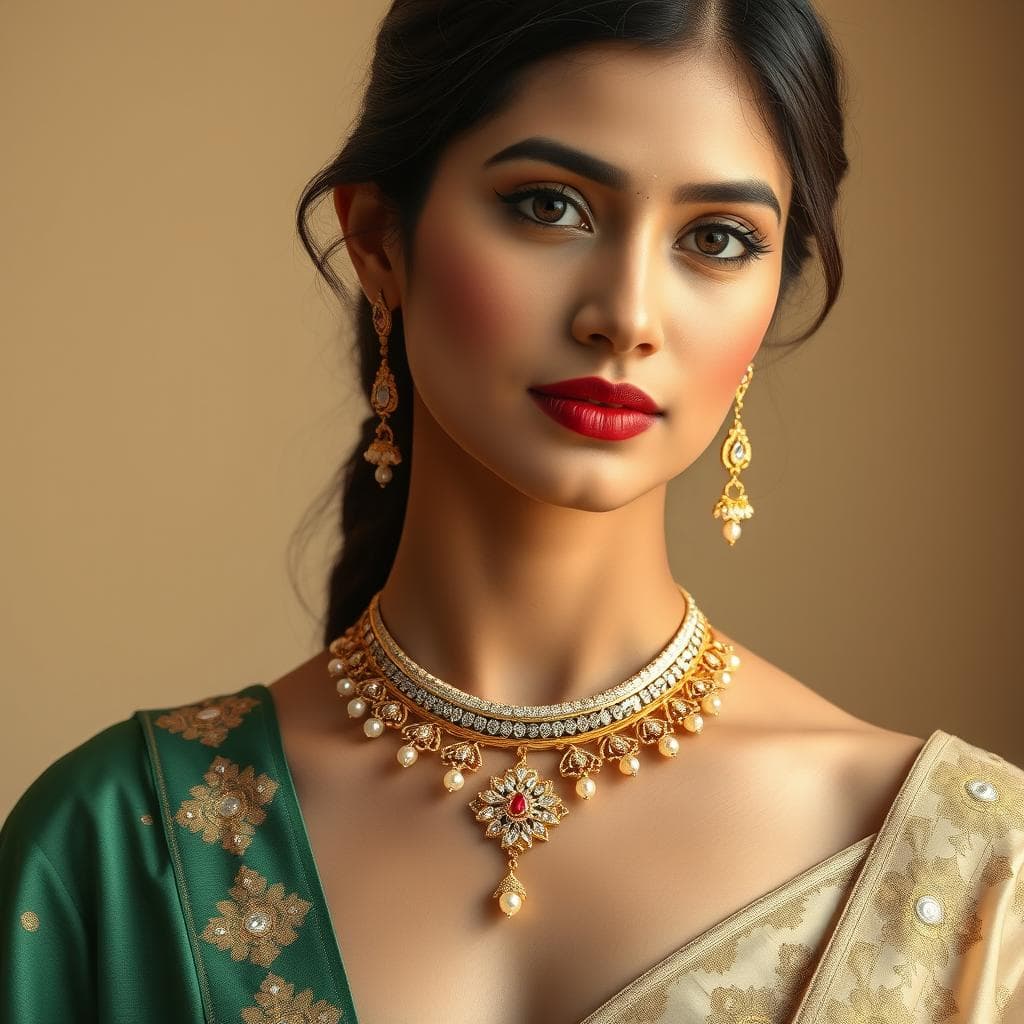
How to Write a Compelling Jewelry Brand Story
A compelling jewelry brand story transforms your business from a commodity into a connection. Learn the storytelling frameworks, emotional triggers, and narrative structures that make customers choose your brand over competitors and stay loyal for life.
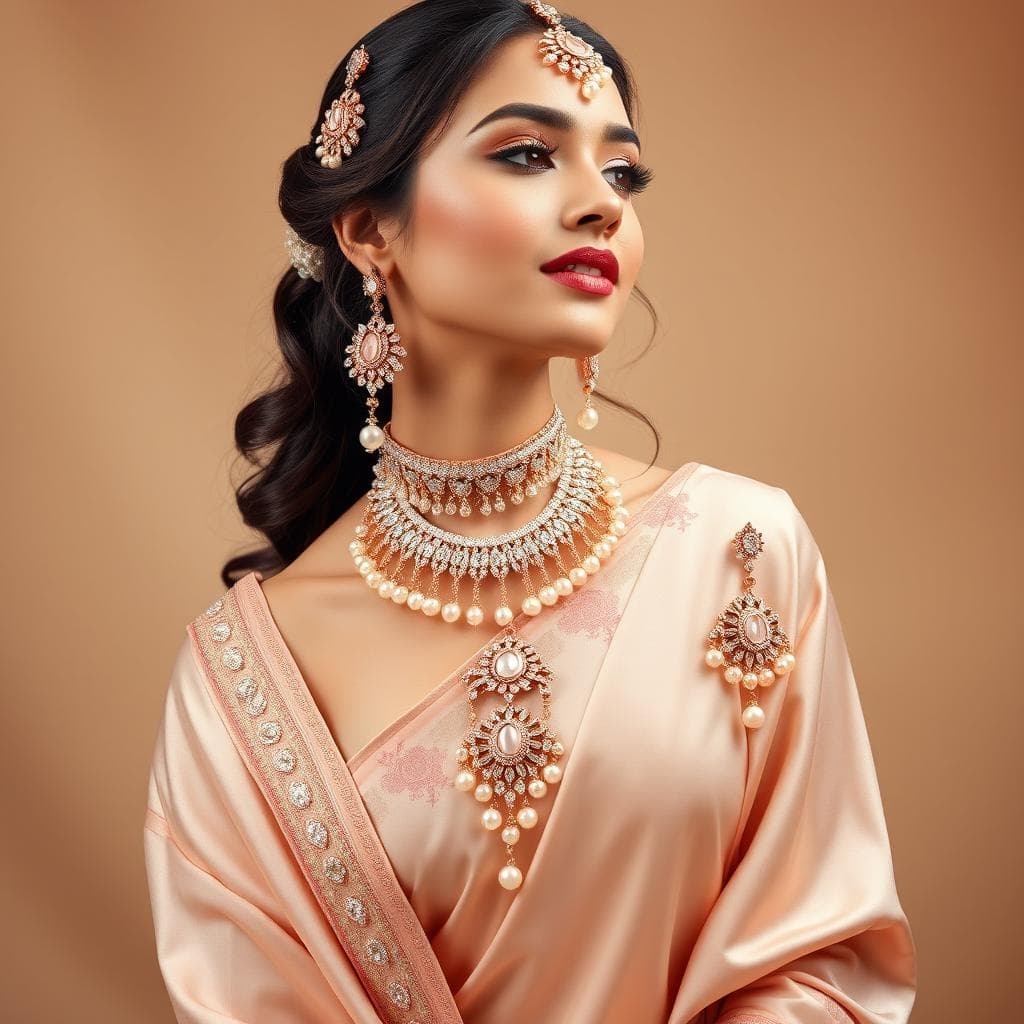
A compelling jewelry brand story combines your personal origin, design philosophy, and brand values into an authentic narrative that emotionally connects with customers. The best jewelry brand stories follow a clear structure of challenge, transformation, and purpose, making buyers feel they are purchasing meaning and identity rather than just metal and stone.
People do not buy jewelry. They buy stories, emotions, and identities. A diamond ring is not valuable because of its carbon structure. It is valuable because of the story of commitment it represents. This same principle applies to your brand itself. Customers who connect with your brand story will pay more, stay loyal longer, and recommend you to others. If you are building a jewelry brand, your story is not a nice addition to your About page. It is the strategic foundation of everything you do.
Why Brand Stories Drive Jewelry Sales
Jewelry is the most emotionally driven consumer category. Unlike functional purchases where specifications and features dominate, jewelry buying decisions are rooted in feeling, aspiration, and personal identity. Understanding the psychology of jewelry buying reveals that customers seek brands whose stories align with their own values and self-image.
The Science Behind Storytelling
Neuroscience research shows that stories activate multiple regions of the brain simultaneously. When we hear facts, only our language processing centers light up. When we hear stories, our sensory cortex, motor cortex, and emotional centers all engage. This means customers who connect with your brand story literally experience your brand more deeply than those who simply read your product specifications.
The Five Elements of a Powerful Jewelry Brand Story
1. The Origin Moment
Every great brand story begins with a specific, vivid moment that sparked everything. This is not "I always loved jewelry." That is too generic. The origin moment should be concrete enough to visualize.
Consider these examples. "I found my grandmother's art deco brooch in a velvet pouch at the bottom of a moving box, and the craftsmanship took my breath away." That is a story. Compare it to "I have always been passionate about jewelry design." That is a statement, not a story.
2. The Challenge or Tension
What problem did you see in the jewelry world that you felt compelled to solve? The challenge creates narrative tension that keeps people reading. Maybe you could not find modern jewelry that honored traditional craftsmanship. Maybe you saw an industry that excluded independent designers. Maybe you wanted to create ethical luxury that did not compromise on beauty.
3. The Transformation
How did you go from recognizing the problem to taking action? This is the hero's journey of your brand. What did you learn, sacrifice, or overcome to bring your vision to life? The transformation phase makes your story human and relatable.
4. The Mission and Values
What drives you forward today? Your mission should be bigger than selling jewelry. It should connect to a larger purpose that customers can rally behind. Whether it is preserving artisan techniques, making custom design accessible, or championing sustainable sourcing, your mission gives customers a reason to choose you that transcends product features.
5. The Invitation
The best brand stories end by inviting the customer into the narrative. They are not just buying a product. They are joining a movement, continuing a tradition, or becoming part of a community. This invitation transforms passive consumers into active brand participants.
Writing Your Brand Story Step by Step
Step One. Gather Your Raw Material
Before writing a single word, spend time reflecting on and documenting these elements. Write down the specific moment you decided to create jewelry. List the frustrations you had with existing jewelry brands. Describe the values you refuse to compromise on. Identify the customers whose lives you want to impact. Note any mentors, traditions, or experiences that shaped your aesthetic.
Step Two. Find Your Narrative Thread
Look for the connecting thread that ties your raw material together. The strongest brand stories have a clear thematic throughline. It might be the tension between tradition and innovation, the desire to democratize luxury, or the pursuit of meaning in a mass-produced world.
Step Three. Write the First Draft
Use this framework to structure your initial draft.
Opening Hook. Start with your origin moment. Make it vivid and specific. Use sensory details.
The World Before. Describe what the jewelry landscape looked like and what was missing.
The Turning Point. Share the moment you decided to create something different.
The Journey. Briefly describe the path from idea to reality, including one or two specific challenges.
The Vision. Articulate what your brand stands for today and where it is headed.
The Invitation. Welcome the reader into your story and make them feel like they belong.
Step Four. Edit for Authenticity and Emotion
Read your draft aloud. Does it sound like you, or does it sound like a corporate brochure? Remove any industry jargon that creates distance. Replace abstract claims with concrete details. Ensure every paragraph earns its place by either advancing the narrative or deepening the emotional connection.
Brand Story Examples That Work
The Heritage Story
"Four generations of women in my family have worn jewelry as armor and celebration. My great-grandmother's gold bangles survived a war. My grandmother's pearl strand marked her independence. My mother's diamond studs were her reward for building a business. I create jewelry that carries this weight of meaning into a new generation."
This works because it is specific, emotional, and connects personal history to a universal theme.
The Discovery Story
"On a backpacking trip through Rajasthan, I watched a master goldsmith create intricate traditional Indian jewelry using techniques unchanged for centuries. I realized that this artistry was being lost to mass production. I founded this brand to connect these master artisans with a global audience that values their craft."
This works because it has a clear turning point and a mission that extends beyond the founder.
The Problem-Solver Story
"I spent two years searching for an engagement ring that felt like us. Everything was either mass-produced and generic or custom and impossibly expensive. I learned CAD design, found an ethical stone dealer, and created the ring myself. Then friends started asking me to design theirs. That is how this brand was born."
This works because the founder's frustration mirrors what customers experience, creating instant empathy.
Where to Tell Your Brand Story
Your brand story should not live only on your About page. Weave it throughout every touchpoint.
| Touchpoint | Story Element | Format |
|---|---|---|
| About Page | Full narrative | 300-400 words |
| Instagram Bio | Mission statement | 1-2 sentences |
| Product Pages | Design philosophy | 1-2 sentences per piece |
| Email Welcome Series | Origin story | 3-part email sequence |
| Packaging Insert | Brand values | Short card |
| Press Kit | Complete narrative | Full story plus milestones |
| Pitch Deck | Visual story | Images plus key moments |
Bringing Your Story to Life Visually
A brand story told only in words misses half its potential. Visual storytelling amplifies your narrative exponentially. This is where AI-powered imagery becomes invaluable.
Using Tashvi AI for Visual Storytelling
With Tashvi AI, you can generate visuals that bring your brand story to life without expensive photoshoots. Create images that reflect your origin, like traditional workshop settings or the landscapes that inspire your designs. Generate lifestyle photography that embodies your brand values and aesthetic. Build a visual vocabulary that consistently communicates your narrative across every marketing channel.
Try designing on Tashvi AI free
Common Brand Story Mistakes to Avoid
Do not make your story about yourself alone. Center the customer as the hero of the ongoing narrative. Avoid vague, cliche language like "passion for excellence." These phrases are so overused they have lost all meaning. Do not fabricate or exaggerate. Modern consumers have finely tuned authenticity detectors. Do not forget to update your story as your brand evolves and achieves new milestones.
Final Thoughts
Your jewelry brand story is the invisible thread that connects every piece you create, every customer you serve, and every marketing message you send. Take the time to craft it thoughtfully, tell it consistently, and let it evolve naturally as your brand grows. In a market crowded with beautiful jewelry, your story is the one thing no competitor can copy.
Ready to bring your brand story to life with stunning visuals. Start creating with Tashvi AI today.
Frequently Asked Questions
Quick answers to the questions readers ask most about this guide.
How long should a jewelry brand story be?
Your core brand story should be approximately 200 to 400 words for your About page. However, you should also create a one-sentence elevator pitch, a two to three sentence social media bio version, and a longer narrative for press kits and lookbooks. Having multiple lengths ensures your story works across every context.
What if my jewelry brand does not have a dramatic origin story?
Not every brand story needs a dramatic turning point. Many successful jewelry brands build their narrative around a deep appreciation for craftsmanship, a desire to make beautiful jewelry more accessible, or a commitment to ethical sourcing. Focus on what genuinely motivates you and why you care about creating jewelry. Authenticity resonates more than drama.
Should I include personal details in my brand story?
Yes, selectively. Personal details make your story relatable and memorable. Share the moments that directly connect to why you create jewelry, like a grandmother who taught you to appreciate craftsmanship or a trip that inspired your design aesthetic. Avoid oversharing details that do not serve the narrative or connect to your brand identity.
How do I make my brand story different from competitors?
Your brand story is inherently unique because your experiences and perspective are unique. Focus on the specific intersection of your personal journey, design philosophy, and values that no competitor can replicate. Avoid generic statements like we believe in quality. Instead share the specific moment or conviction that drives your approach to quality.
Can I update my brand story over time?
Absolutely. Your brand story should evolve as your business grows. Add new chapters about milestones, expanded collections, sustainability initiatives, or community impact. The origin story remains constant, but the narrative continues. Think of it as a living story rather than a fixed statement.