How Music and Art Movements Influence Jewelry Trends
Explore the powerful connection between music, art movements, and jewelry design trends. From punk safety pins to hip-hop chains, discover how cultural movements shape the jewelry we wear today.
How Music and Art Movements Influence Jewelry Trends
Music and art movements have shaped jewelry design for over a century, with each cultural shift introducing new materials, forms, and attitudes that redefine what adornment means. From the organic rebellion of Art Nouveau to the bold excess of hip-hop chains, understanding these influences helps designers create jewelry that resonates with cultural moment and personal identity.
Jewelry does not exist in a creative vacuum. It reflects the broader cultural forces that shape how people express themselves. When punk exploded in 1970s London, safety pins migrated from functional objects to deliberate fashion statements. When hip-hop emerged from New York in the 1980s, gold chains became symbols of achievement and identity. These are not random aesthetic choices. They are cultural statements encoded in metal and stone.
Art Movements That Redefined Jewelry
Art Nouveau and the Birth of Artistic Jewelry
Before Art Nouveau, jewelry was primarily about displaying wealth through precious materials. Rene Lalique and his contemporaries shattered this convention by using glass, enamel, horn, and semi-precious stones in designs that prioritized artistic expression over material value. Dragonflies, orchids, and flowing feminine forms replaced rigid diamond settings.
This movement established a principle that still drives contemporary jewelry design. The idea matters as much as the material. Vintage Art Deco designs that followed built on this foundation, proving that jewelry could be both artistically ambitious and commercially successful.
Art Deco and Geometric Precision
The 1920s brought a dramatic aesthetic reversal. Where Art Nouveau was organic and flowing, Art Deco was angular, geometric, and machine-inspired. Platinum replaced gold as the metal of choice. Diamonds were cut in new ways to emphasize geometric forms. The movement reflected a society intoxicated by industrialization, jazz, and a sense of limitless modernity.
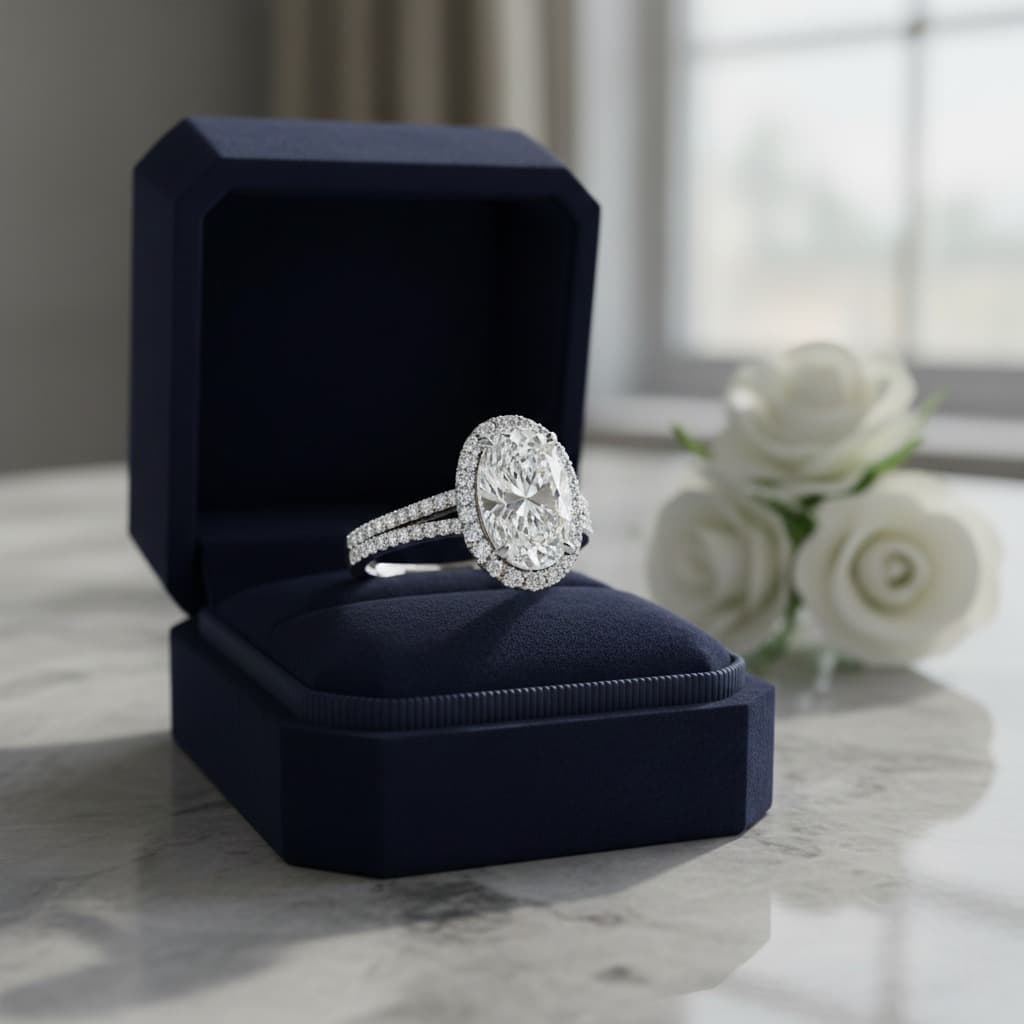
Art Deco's influence on modern jewelry is enormous. Halo engagement rings, geometric pendant designs, and the use of contrasting materials all trace their lineage to this movement.
Pop Art and Playful Provocation
In the 1960s, Pop Art brought color, irony, and everyday objects into the fine art world. Jewelry followed suit. Designers created oversized pieces in plastic, resin, and brightly colored enamel. The message was clear. Jewelry could be fun, irreverent, and accessible without sacrificing creative ambition.
Minimalism and Conceptual Art
The minimalist movement stripped art to its essential forms, and jewelry designers responded with pieces that celebrated simplicity, proportion, and material honesty. Clean lines, geometric shapes, and unadorned metal surfaces became the hallmark of minimalist jewelry that remains one of the dominant design approaches today.
Music Genres and Their Jewelry Signatures
| Genre | Era of Peak Influence | Signature Jewelry Elements | Legacy in Modern Jewelry |
|---|---|---|---|
| Jazz and Blues | 1920s to 1950s | Art Deco pieces, pearls, elegant brooches | Vintage-inspired sophistication |
| Rock and Roll | 1960s to 1970s | Silver rings, leather cuffs, crosses | Edgy silver jewelry, skull motifs |
| Punk | 1976 to 1985 | Safety pins, studs, chains, spikes | Industrial aesthetics, DIY ethos |
| Hip-Hop | 1980s to present | Oversized gold chains, nameplate necklaces | Bold gold jewelry, personalized pieces |
| Grunge | 1990s to 1995 | Tarnished silver, raw stones, chokers | Layered chokers, oxidized finishes |
| Electronic and Rave | 1990s to 2000s | Fluorescent beads, futuristic metals | LED jewelry, unconventional materials |
| K-Pop | 2010s to present | Layered chains, ear cuffs, mixed metals | Stacking and layering trends |
Rock and Roll Rebellion
Rock music brought a deliberate roughness to jewelry. Silver replaced gold as the metal of rebellion. Skull rings, crosses, leather wristbands, and chunky chain necklaces became the visual vocabulary of rock culture. Keith Richards' skull ring and Jimi Hendrix's turquoise and silver became as iconic as their music.
The influence persists. Every silver skull ring, every studded leather bracelet, and every cross pendant sold today carries DNA from rock and roll's visual revolution.
Punk's Anti-Aesthetic
Punk took rock's rebellion further by deliberately subverting the concept of jewelry itself. Safety pins through ears, padlocks as pendants, razor blades on chains. These were not beautiful objects. They were provocations designed to shock. Vivienne Westwood formalized punk aesthetics into a fashion language that eventually reached high jewelry.
The punk ethos of DIY creation and anti-establishment attitude continues to influence designers who work with raw, industrial materials and deliberately imperfect finishes. The movement proved that jewelry does not need to be pretty to be powerful.
Hip-Hop's Gold Standard
Hip-hop transformed gold jewelry from a symbol of old-money elegance into a statement of self-made success. Rope chains, nameplate necklaces, and oversized pendants became the genre's visual signature. Artists like Run-DMC, Slick Rick, and later Jay-Z and Pharrell made jewelry central to their artistic identity.
The influence is massive and ongoing. Nameplate necklaces, chunky gold chains, and personalized jewelry all trace their mainstream popularity to hip-hop culture. The movement also normalized men wearing bold jewelry, contributing to the expanding men's jewelry market.
Grunge's Raw Romanticism
Grunge stripped away hip-hop's polish and punk's aggression in favor of a melancholy, lived-in aesthetic. Tarnished silver, raw uncut stones, layered chokers, and leather cord necklaces defined the look. The movement popularized oxidized finishes and imperfect, handmade-looking pieces that remain commercially strong today.
K-Pop and the Layering Revolution
Contemporary K-Pop has brought a new jewelry vocabulary to global youth culture. Male and female artists alike wear elaborate combinations of ear cuffs, layered chains, mixed-metal rings, and asymmetric earring pairings. This genre has significantly accelerated the trend toward jewelry layering and the acceptance of expressive jewelry across gender lines.
How Cultural Movements Reach Mainstream Jewelry
The path from subcultural expression to mainstream trend follows a consistent pattern. A music or art movement creates a visual identity. Early adopters and fashion-forward consumers embrace elements of that identity. High-fashion designers interpret the aesthetic for luxury markets. Eventually, mass-market jewelry brands produce accessible versions.
This cycle used to take a decade or more. Social media has compressed it to months. When a K-Pop star wears a particular style of ear cuff in a music video, that exact item sells out globally within days, and similar designs flood online marketplaces within weeks.
Understanding this cycle helps designers position their work. You can anticipate which emerging cultural movements will influence mainstream jewelry and create designs that arrive at the right moment.
Designing From Cultural Inspiration Without Imitation
The difference between inspiration and imitation is transformation. If your punk-inspired ring simply adds studs to a traditional band, you have imitated. If you take punk's philosophy of challenging conventions and apply it to unexpected materials or forms, you have been inspired.
Study the underlying attitude of a movement, not just its surface aesthetics. Punk was about challenging power structures. Minimalism was about finding essence. Hip-hop was about self-celebration and identity. When you design from the attitude, your pieces carry authentic cultural energy rather than borrowed decoration.
Tashvi AI and Culturally Inspired Design
Exploring the intersection of music, art, and jewelry design becomes remarkably efficient with Tashvi AI. Describe the cultural reference point you want to explore, such as "Art Deco jazz era pendant with geometric diamond patterns" or "minimalist brutalist ring inspired by concrete architecture," and see your concept rendered as a jewelry design instantly.
This capability lets you experiment with cultural mashups that would take hours to sketch manually. What happens when you combine grunge's raw aesthetic with Art Deco geometry? How would a hip-hop chain look reimagined through a Japanese minimalist lens? Tashvi AI answers these questions visually, helping you find unexpected intersections that produce truly original designs. Try designing on Tashvi AI free and explore how cultural movements transform into wearable art.
The Ongoing Conversation Between Culture and Jewelry
Music and art will continue to shape jewelry for as long as humans use adornment to express identity. The designers who create the most compelling work are those who engage deeply with cultural movements, understanding not just what they look like but why they exist. Every jewelry trend has cultural roots, and tracing those roots back to their source gives your designs a depth and authenticity that surface-level trend following cannot match.
Frequently Asked Questions
Quick answers to the questions readers ask most about this guide.
How does music influence jewelry design?
Music genres create visual cultures that extend beyond sound into fashion and accessories. Punk introduced safety pins and studs, hip-hop popularized oversized gold chains, and grunge made raw silver and leather combinations fashionable. These subcultural aesthetics eventually influence mainstream jewelry trends.
Which art movement had the biggest impact on jewelry?
Art Nouveau arguably had the greatest single impact on jewelry, introducing organic forms, enamelwork, and a philosophy that elevated jewelry to fine art. Art Deco follows closely, establishing geometric precision and platinum as luxury material preferences that persist over a century later.
Can music-inspired jewelry work for everyday wear?
Absolutely. The key is adapting subcultural elements to a wearable scale. A tiny safety pin earring nods to punk without making a loud statement. A sleek chain bracelet references hip-hop's chain culture in a refined way. Subtlety allows music-inspired design to work in any context.
How do I design jewelry inspired by a specific music genre?
Study the visual culture of the genre, including album art, stage costumes, music videos, and fan fashion. Identify recurring motifs, materials, and proportions. Then translate those elements into jewelry forms that capture the genre's attitude while remaining original and wearable.
Are art-inspired jewelry designs trendy or timeless?
Designs rooted in major art movements tend to be timeless because they draw from deep aesthetic principles rather than fleeting trends. Art Deco jewelry from the 1920s remains highly sought after today. Music-inspired designs vary, but those based on enduring genres like jazz or classic rock also have lasting appeal.