
Unique Engagement Rings: 30 Non-Traditional Designs for 2026
Unique engagement rings break from convention with colored gemstones, mixed metals, asymmetric settings, and nature-inspired designs. Explore 30+ non-traditional styles trending in 2026, from toi et moi to raw uncut diamonds, and find the ring that truly reflects your love story.
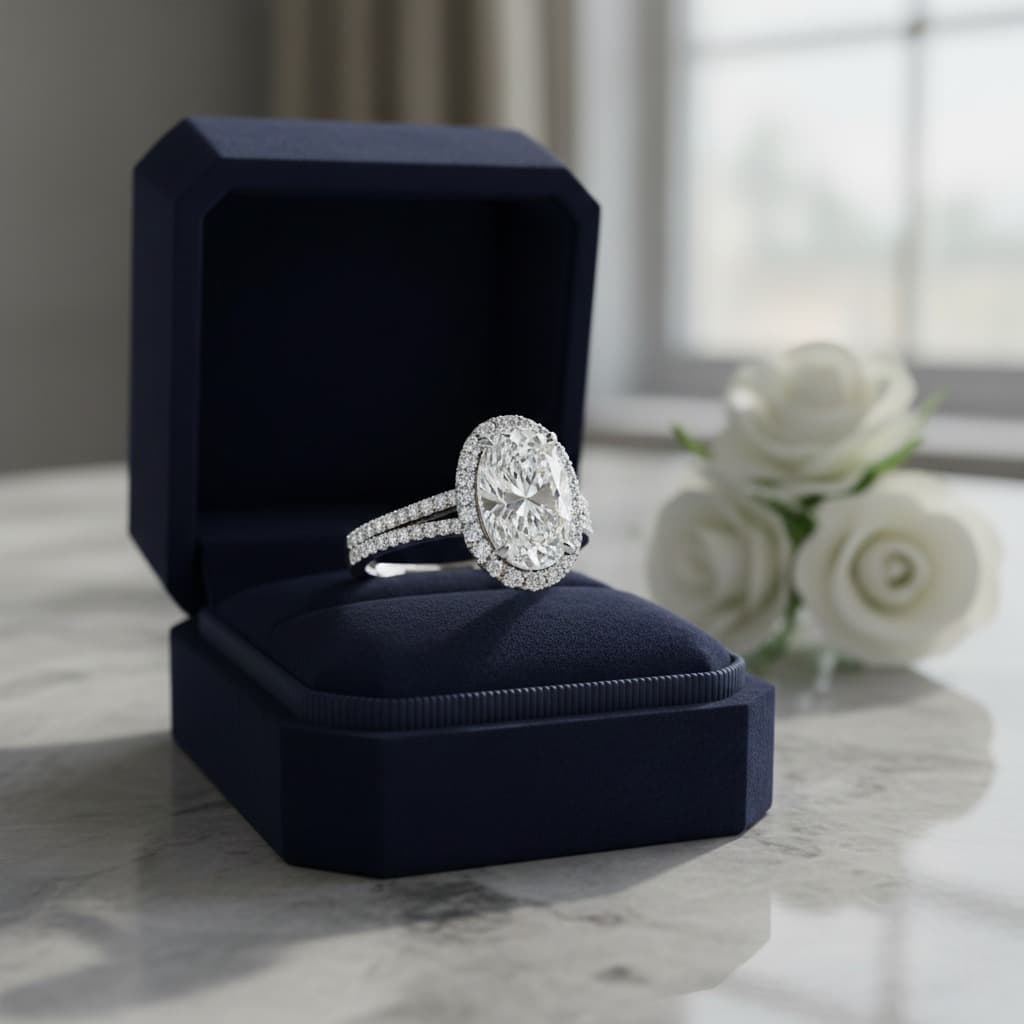
Unique engagement rings are non-traditional designs that depart from the classic diamond solitaire in favor of distinctive elements such as colored gemstones, unconventional settings, mixed metals, nature-inspired motifs, or asymmetric compositions. In 2026, demand for one-of-a-kind engagement rings has reached an all-time high as couples seek pieces that reflect their individual love stories rather than following a universal template.
The shift toward unique engagement rings reflects a broader cultural movement valuing personal expression over conformity. Today's couples want rings that spark conversation, carry personal symbolism, and stand apart from the millions of round-brilliant solitaires already in existence. Whether that means a sapphire center stone, a hand-carved vine band, or a raw diamond set in recycled gold, the definition of "the perfect engagement ring" has never been more personal.
Why Unique Rings Are Trending in 2026
Several converging factors have accelerated the demand for non-traditional engagement rings. Social media platforms, particularly Instagram and TikTok, have exposed millions of people to ring designs they never knew existed, expanding the visual vocabulary beyond what chain jewelry stores display. When you can scroll through thousands of distinctive designs from independent jewelers worldwide, the standard mall display case starts to feel limiting.
The rise of lab-grown diamonds and alternative gemstones has also democratized unique design. When a lab-grown diamond costs 60 to 80 percent less than its natural equivalent, couples can allocate more budget toward distinctive settings, custom metalwork, and creative design elements. Similarly, choosing a vivid sapphire or ruby as the center stone opens design possibilities that a traditional white diamond simply cannot achieve.
Generational values play a role as well. Millennial and Gen Z couples increasingly prioritize individuality, sustainability, and meaningful storytelling in their purchases. A ring with a personal narrative, whether it features a stone from a specific origin, a setting inspired by a shared memory, or a metal reclaimed from family heirloom jewelry, resonates more deeply than a standardized design chosen primarily for carat weight.
Toi et Moi Rings
The toi et moi ring features two stones set side by side, representing two individuals coming together. This French-origin design gained renewed fame through celebrity engagements and offers exceptional creative freedom through stone shape and color combinations.
Why they stand out. The dual-stone format creates natural asymmetry and visual interest that single-stone designs cannot replicate. Pairing a pear-cut diamond with an oval sapphire, or combining two contrasting shapes in the same stone type, produces a ring that tells a story of partnership through its very structure.
Design variations. Toi et moi rings appear in bypass settings (where the band curves around both stones), split-shank designs (where the band divides to hold each stone separately), and tension settings (where stones appear to float between the two band ends). Each variation creates a distinctly different silhouette from the same core concept.
Bypass and Crossover Rings
Bypass rings split the band so it wraps around the finger rather than forming a continuous circle. The two ends of the band cross over each other, creating a dynamic, swirling effect that evokes movement and energy.
Why they stand out. The open, flowing structure of a bypass ring looks fundamentally different from any traditional closed-band design. The asymmetry is inherent to the construction, meaning even a simple bypass ring with a single diamond reads as distinctive and modern.
Design variations. Minimal bypass designs with a single crossover point suit those who want subtle uniqueness. More dramatic versions feature multiple crossovers, graduating stone sizes along the twisting bands, or contrasting metals on each arm of the bypass. Some designs place the center stone at the crossover point, held naturally by the converging bands without traditional prongs.
Colored Gemstone Center Stones
Replacing the traditional white diamond with a colored gemstone is perhaps the most impactful single change you can make to create a unique engagement ring. Color immediately differentiates the ring and allows the wearer to express personality through their chosen hue.
Sapphires lead the colored gemstone engagement ring category, available in every color from deep royal blue to pink, yellow, green, and the coveted padparadscha (pinkish-orange). With a hardness of 9 on the Mohs scale, sapphires are eminently suitable for daily wear. Kate Middleton's famous sapphire ring, originally Princess Diana's, remains a touchstone of colored gemstone elegance.
Emeralds bring vivid green and a sense of regal drama. While slightly softer than sapphires at 7.5 to 8 on the Mohs scale, emeralds in protective bezel or halo settings perform well as engagement ring center stones. Their characteristic inclusions, known as "jardin" (garden), are considered part of the stone's identity rather than flaws.
Rubies deliver passionate red and exceptional durability (9 Mohs). A ruby engagement ring makes an unmistakable statement and carries centuries of symbolism around love, courage, and devotion.
Morganite, aquamarine, and tourmaline offer softer pastel tones in pink, blue, and green respectively. These gems provide large-looking stones at accessible prices, though they require slightly more care due to lower hardness ratings.
| Gemstone | Mohs Hardness | Price per Carat (Quality) | Best Setting for Protection |
|---|---|---|---|
| Sapphire | 9 | $500-$5,000+ | Any setting works |
| Ruby | 9 | $1,000-$10,000+ | Any setting works |
| Emerald | 7.5-8 | $500-$8,000+ | Bezel, halo, protective prong |
| Morganite | 7.5-8 | $100-$300 | Bezel, halo |
| Aquamarine | 7.5-8 | $100-$500 | Bezel, halo |
| Tourmaline | 7-7.5 | $200-$1,000+ | Bezel, flush mount |
| Opal | 5.5-6.5 | $50-$500+ | Bezel only (daily wear not recommended) |
Nature-Inspired and Organic Designs
Rings that draw from natural forms, including vines, leaves, branches, flowers, and flowing water, create an organic aesthetic that feels alive and artful. These designs reject geometric precision in favor of flowing lines and textural detail that evoke the beauty of the natural world.
Vine and branch bands wrap around the finger like living plants, with small diamonds or gemstones nestled among the metalwork like dewdrops on leaves. The center stone appears to grow naturally from the band rather than being mechanically mounted.
Floral settings position petals around the center stone, creating a bloom effect that frames the gem in organic beauty. Rose-inspired, lotus-inspired, and wildflower settings each produce distinctly different silhouettes.
Wood and nature textures applied to metal through specialized finishing techniques give bands a bark-like, stone-like, or water-rippled surface. These textures pair beautifully with rustic and outdoor-loving couples.
East-West Settings
An east-west setting rotates an elongated stone 90 degrees so it sits horizontally across the finger rather than vertically. This simple reorientation dramatically changes the ring's visual presence, creating a modern, unexpected silhouette from familiar stone shapes.
Marquise, oval, pear, and emerald cut stones all transform when set east-west. The horizontal orientation makes the stone appear larger, sits lower on the finger, and creates a distinctive profile that draws compliments. East-west settings also tend to be more practical for daily wear, as the stone doesn't protrude as far above the finger.
Mixed Metal Designs
Combining two or more metal colors in a single ring creates striking visual contrast and opens up design possibilities that monochromatic rings cannot achieve. Mixed metal engagement rings pair yellow gold with white gold, rose gold with platinum, or all three gold tones together.
Two-tone bands might feature a white gold band that transitions to yellow gold at the setting, drawing the eye to the center stone through color contrast. Tri-color designs weave three gold tones into braided or layered patterns. Contrasting details such as a rose gold vine pattern on a white gold band add dimension through color difference.
Mixed metal rings offer a practical advantage as well. Wearers who own both silver-tone and gold-tone jewelry can match their engagement ring to either, rather than committing to one metal color for all accessories.
Hidden Details and Surprise Elements
Some of the most memorable unique engagement rings save their best features for moments of intimacy. Hidden details, visible only when the ring is removed or examined closely, add a layer of private meaning that public-facing elements cannot replicate.
Hidden diamonds or gemstones set into the interior of the band, on the underside of the setting, or along the gallery (the space between the center stone and the band) sparkle as a secret known only to the wearer. A partner's birthstone set inside the band, visible only against the skin, is an especially romantic touch.
Engraved messages on the ring's interior carry personal inscriptions that remain hidden during wear. Coordinates, dates, initials, or short phrases transform the ring into a love letter worn on the finger.
Peek-a-boo settings feature a design element, perhaps a small heart, a family crest, or an initial, visible only through the gallery when the ring is viewed from the side. This "surprise inside" approach has become one of the most requested custom features in 2026.
Asymmetric Designs
Asymmetric engagement rings intentionally break the rules of bilateral symmetry. Rather than mirror-image sides, these designs place elements off-center, vary stone sizes from one side to the other, or let the band follow an irregular path around the finger.
The beauty of asymmetry lies in its dynamic energy. Where symmetric rings feel balanced and composed, asymmetric designs feel spontaneous and alive. A cluster of small diamonds cascading down one side of the band, a center stone positioned off-center, or a band that narrows dramatically on one side and widens on the other all create visual tension that captivates the eye.
Asymmetric designs pair beautifully with organic and nature-inspired elements, as natural forms rarely exhibit perfect symmetry. A branch-textured band with an off-center stone placement feels more authentically natural than a rigidly centered alternative.
Vintage Revival Styles
Vintage-inspired engagement rings borrow design elements from specific historical periods, bringing the craftsmanship and aesthetic sensibilities of earlier eras to modern jewelry.
Art Deco (1920s-1930s) designs feature bold geometric shapes, step-cut stones, milgrain borders, and strong linear patterns. The combination of architectural precision and decorative extravagance creates rings with immediate visual impact.
Victorian (1837-1901) influences bring romantic details including intricate filigree work, floral motifs, colored gemstone accents, and ornate metalwork that seems to dissolve into lace-like patterns. Victorian-inspired rings suit those who love detail, texture, and romantic excess.
Edwardian (1901-1915) designs favor delicate platinum metalwork, garland patterns, and diamond-studded openwork that creates an airy, lace-like quality. These rings appear fragile but are surprisingly durable due to platinum's strength.
Mid-Century Modern (1950s-1960s) revival brings clean lines, bold stone shapes, and minimalist metalwork that lets the center stone dominate. Sleek bezels, low profiles, and minimal decorative elements define this approach.
Stackable Engagement Ring Sets
Rather than a single ring, stackable engagement sets combine two, three, or more thin bands that wear together as a unified design. Each band contributes a different element, perhaps one with the center stone, one with a curved contour, and one with an eternity line of small diamonds.
The stacking concept offers remarkable versatility. Wear all bands together for full impact, or separate them for different occasions. The stacking approach also invites growth, allowing you to add new bands for anniversaries, birthdays, or other milestones, building a ring set that evolves with your relationship.
Stackable sets work especially well with mixed metals, alternating yellow gold, rose gold, and white gold bands for a multi-toned effect. The narrow profile of individual stacking bands also suits smaller hands and those who prefer a low, comfortable ring height.
Bezel-Set Modern Rings
Bezel settings wrap a thin rim of metal completely around the stone's perimeter, holding it securely while creating a sleek, modern silhouette. The clean lines of a bezel setting give engagement rings a contemporary, architectural quality that appeals to minimalist aesthetics.
Practical benefits make bezel settings popular beyond their visual appeal. The metal rim protects the stone's edges from impact, reduces snagging on clothing and hair, and sits lower on the finger than prong settings. For active wearers who worry about catching a raised stone on gym equipment, garden tools, or daily objects, bezel settings offer peace of mind.
Design variations include full bezel (metal surrounds the entire stone), partial bezel (metal wraps only partway, leaving portions of the stone exposed), and floating bezel (where a gap between the bezel rim and the band creates an airy, suspended effect).
Raw and Uncut Stone Rings
At the furthest edge of the unique engagement ring spectrum sit raw diamond and uncut gemstone designs. These rings feature stones in their natural crystal form rather than cut and polished, celebrating the gem's geological origins and organic beauty.
Raw diamonds come in various natural shapes, including octahedra (eight-sided crystals), cubes, and irregular forms. Their surfaces may show natural etchings, frosted textures, or surprising color. Each raw diamond is genuinely one of a kind, formed by billions of years of geological pressure into an unrepeatable form.
The appeal of raw stone rings lies in their authenticity and philosophical statement. Choosing an uncut stone rejects the idea that beauty requires human intervention, embracing instead the diamond's natural state as sufficiently beautiful. These rings also tend to be significantly more affordable than cut diamonds of similar carat weight, as no cutting labor or material loss is involved.
Considerations include the fact that raw stones lack the sparkle and fire of faceted gems. They reflect light differently, offering a subtle glow rather than dramatic brilliance. Some wearers adore this restrained beauty, while others miss the sparkle. Seeing a raw diamond in person before purchasing is strongly recommended.
How to Find Your Unique Style
With so many non-traditional options available, narrowing down your ideal style can feel overwhelming. A structured approach helps you move from "I want something different" to a clear design direction.
Start with what you don't want. Eliminating styles you dislike is often easier than identifying what you love. If you know you don't want a solitaire, a round diamond, or a yellow gold band, you have already narrowed the field significantly.
Identify your visual preferences. Do you gravitate toward geometric precision or organic flow? Bold, statement-making pieces or subtle, understated elegance? Colorful vibrancy or monochromatic sophistication? These broad preferences point you toward specific style families.
Consider your daily life. A ring worn every day needs to accommodate your activities, profession, and comfort preferences. Active lifestyles favor protective settings like bezel and flush mount. Hands-on professions benefit from low-profile designs. Understanding your practical requirements helps filter options without sacrificing style.
Look beyond jewelry for inspiration. Architecture, nature, art, fashion, and design all contain visual elements that translate into ring design. A partner who loves Art Deco buildings might adore a geometric step-cut ring. Someone drawn to ocean landscapes might connect with a wave-inspired band. Drawing from outside the jewelry world often produces the most personally meaningful designs.
Budget Considerations for Alternative Designs
One of the most practical advantages of non-traditional engagement rings is the potential for significant cost savings. When you step away from the traditional large-white-diamond paradigm, your budget can stretch further or redirect toward higher quality craftsmanship.
| Approach | Estimated Savings vs Traditional | Trade-offs |
|---|---|---|
| Lab-grown diamond | 60-80% less | Identical appearance, no resale premium |
| Moissanite center | 80-90% less | More fire/rainbow sparkle than diamond |
| Colored gemstone center | 30-70% less (varies by gem) | Different look, some need more care |
| Raw/uncut diamond | 50-70% less | No traditional sparkle, organic look |
| Smaller stone, elaborate setting | Varies | Stone is less prominent |
| Vintage/antique ring | 20-50% less | Pre-owned, may need restoration |
The savings from alternative center stones can be reinvested into custom metalwork, intricate setting details, higher-quality metal, or additional design elements that make the ring truly unique. A $3,000 budget that might buy a modest traditional solitaire could fund an extraordinary custom design with a colored gemstone center and hand-carved band.
Design Your Unique Ring with Tashvi AI
The most challenging aspect of choosing a unique engagement ring is visualizing the final result before it exists. Unlike traditional solitaires where thousands of examples are available to view, a truly unique design may not have a direct reference image. Tashvi AI bridges this gap by letting you generate and explore non-traditional ring concepts, experiment with different stone shapes, settings, metals, and design elements, and visualize your vision in photorealistic detail.
Whether you're drawn to a colored gemstone center, a nature-inspired setting, or a combination of elements you've never seen together, designing digitally first ensures you can communicate your vision clearly to any jeweler. Try designing on Tashvi AI free and discover the unique engagement ring that tells your story.
Frequently Asked Questions
Are unique engagement rings more expensive than traditional ones?
Not necessarily. Many non-traditional choices like colored gemstones, moissanite, or raw diamonds cost significantly less than comparable traditional diamond solitaires. Sapphires, morganite, and lab-grown stones offer striking beauty at lower price points. However, one-of-a-kind custom designs may carry higher labor costs. The total depends on materials, complexity, and whether you choose natural or lab-created stones.
Will a non-traditional engagement ring hold up to daily wear?
Durability depends on the stone and setting, not on whether the design is traditional. Sapphires at 9 Mohs hardness, rubies at 9 Mohs, and moissanite at 9.25 Mohs are all excellent for daily wear. Softer stones like opal at 5.5 to 6.5 Mohs, pearl at 2.5 to 4.5 Mohs, and emerald at 7.5 to 8 Mohs require more careful handling. Protective settings like bezel and flush mount help safeguard softer stones.
How do I find a jeweler who makes unique engagement rings?
Look for independent jewelers and custom designers rather than chain retailers, which tend to stock conventional styles. Browse portfolios on Instagram, Etsy, and jeweler websites for designers whose aesthetic matches your vision. Many custom jewelers offer consultation calls to discuss unique concepts. AI design tools like Tashvi AI can help you visualize your idea before approaching a jeweler.
What if my partner expects a traditional diamond ring?
Communication is key. Many couples now shop for rings together or share general preferences through Pinterest boards, casual conversations, or ring preference quizzes. If your partner has expressed a desire for tradition, consider unique elements within a familiar framework, like a traditional solitaire with a hidden surprise diamond, an unusual band texture, or a non-standard diamond shape.
Can you resize unique engagement rings?
Most unique engagement rings can be resized, but certain designs have limitations. Eternity bands with stones all the way around are difficult to resize. Tension-set rings require careful adjustment. Rings with intricate patterns or engravings around the entire band may lose design continuity when resized. Discuss resizing options with your jeweler before purchasing, especially for complex custom designs.
Frequently Asked Questions
Quick answers to the questions readers ask most about this guide.
Are unique engagement rings more expensive than traditional ones?
Not necessarily. Many non-traditional choices like colored gemstones, moissanite, or raw diamonds cost significantly less than comparable traditional diamond solitaires. Sapphires, morganite, and lab-grown stones offer striking beauty at lower price points. However, one-of-a-kind custom designs may carry higher labor costs. The total depends on materials, complexity, and whether you choose natural or lab-created stones.
Will a non-traditional engagement ring hold up to daily wear?
Durability depends on the stone and setting, not on whether the design is traditional. Sapphires (9 Mohs), rubies (9 Mohs), and moissanite (9.25 Mohs) are all excellent for daily wear. Softer stones like opal (5.5-6.5 Mohs), pearl (2.5-4.5 Mohs), and emerald (7.5-8 Mohs) require more careful handling. Protective settings like bezel and flush mount help safeguard softer stones.
How do I find a jeweler who makes unique engagement rings?
Look for independent jewelers and custom designers rather than chain retailers, which tend to stock conventional styles. Browse portfolios on Instagram, Etsy, and jeweler websites for designers whose aesthetic matches your vision. Many custom jewelers offer consultation calls to discuss unique concepts. AI design tools like Tashvi AI can help you visualize your idea before approaching a jeweler.
What if my partner expects a traditional diamond ring?
Communication is key. Many couples now shop for rings together or share general preferences through Pinterest boards, casual conversations, or ring preference quizzes. If your partner has expressed a desire for tradition, consider unique elements within a familiar framework, like a traditional solitaire with a hidden surprise diamond, an unusual band texture, or a non-standard diamond shape.
Can you resize unique engagement rings?
Most unique engagement rings can be resized, but certain designs have limitations. Eternity bands with stones all the way around are difficult to resize. Tension-set rings require careful adjustment. Rings with intricate patterns or engravings around the entire band may lose design continuity when resized. Discuss resizing options with your jeweler before purchasing, especially for complex custom designs.