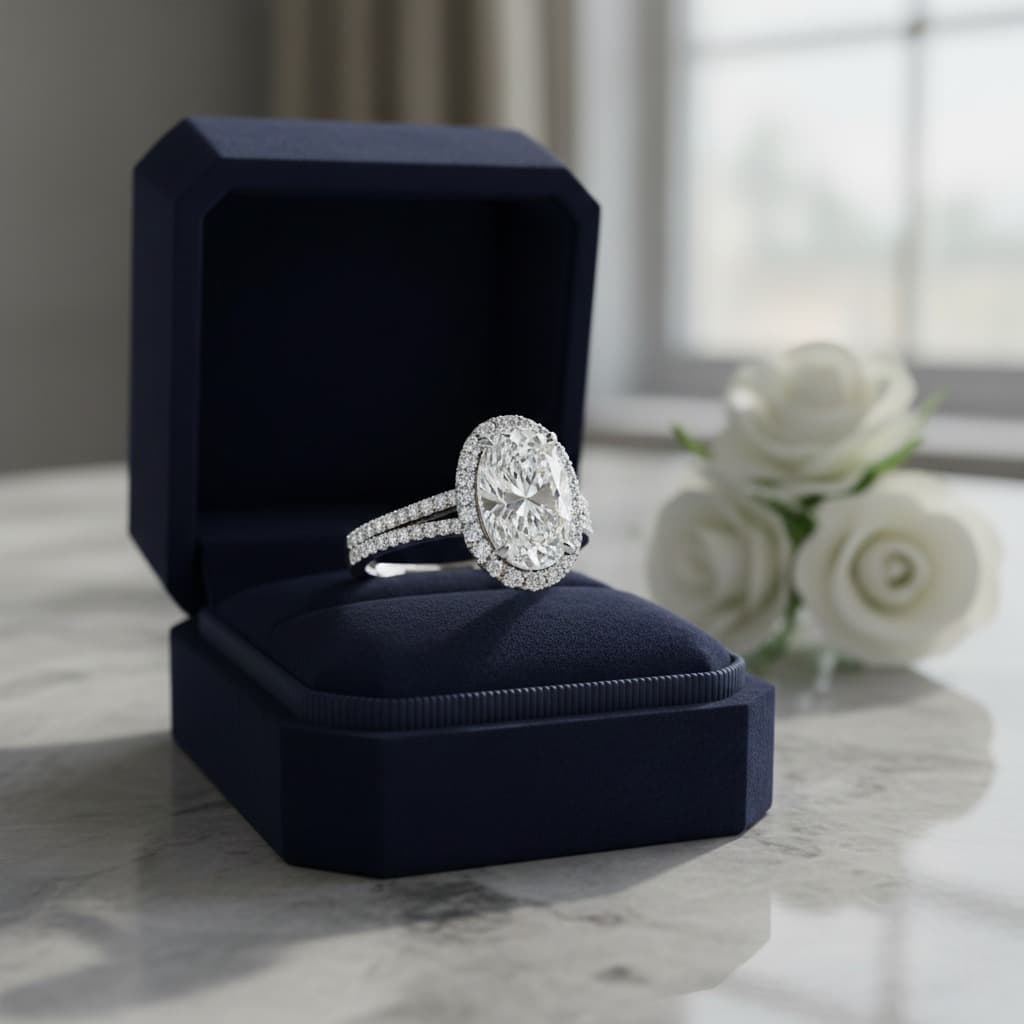
Stackable Ring Trends: Designing Sets That Sell
Discover the design principles behind commercially successful stackable ring collections, from band width coordination and metal mixing strategies to themed sets and customizable configurations that drive repeat purchases.
Stackable ring design has become one of the most commercially powerful categories in jewelry retail because it creates a natural collect-and-combine dynamic where customers purchase individual rings over time, building personalized stacks that drive repeat visits and higher lifetime customer value.
Why Stacking Drives Sales
The stacking model transforms jewelry from a single transaction into an ongoing relationship. A customer buys one ring. It looks good alone. They imagine how it would look with two more. They return. They add another for a birthday, an anniversary, a personal milestone. Each ring is an affordable individual purchase that contributes to an increasingly valuable collection.
This psychology mirrors successful loyalty mechanics in other retail categories but works particularly well for jewelry because each addition creates a visible, wearable result that the customer enjoys daily.
Design Fundamentals for Stacking
Width Coordination
Rings in a stackable family should share compatible proportions even when widths vary. The relationship between the thinnest and widest ring in a set determines how cohesive the stack appears.
| Stack Style | Band Widths | Ring Count | Overall Look |
|---|---|---|---|
| Ultra-delicate | 0.8 to 1.2mm | 5 to 7 | Ethereal, feminine |
| Classic | 1.5 to 2mm | 3 to 5 | Balanced, versatile |
| Statement | 2 to 3mm | 2 to 3 | Bold, substantial |
| Mixed | 1 to 3mm varied | 3 to 5 | Dynamic, textured |
Profile Compatibility
For rings to sit comfortably together, their cross-section profiles must be compatible. Flat-topped rings stack neatly against each other. Rounded (comfort fit) profiles create small gaps between rings. Mixing a flat ring between two rounded rings creates an intentional contrast effect.
Design all rings in a stackable family with profiles that sit flush together. Even small gaps between rings feel uncomfortable and look unintentional.
The Mix-and-Match Matrix
The most successful stackable collections offer variety across several dimensions that customers combine freely.
Plain bands in different widths and finishes provide the foundation.
Textured bands in hammered, brushed, or twisted styles add visual interest. Textured metal finishes provide distinctive character without adding cost.
Stone-set bands with single stones, pave rows, or scattered stone placement add sparkle and color.
Shaped bands with contours, chevrons, or curves add architectural interest and work as companions to engagement rings.
Themed Stackable Collections
Milestone Stacks
Design rings that represent life milestones. A "self-love" ring for personal achievement. A "journey" ring marking career progress. A "connection" ring celebrating relationships. Customers build their stack as they accumulate life experiences, creating deeply personal collections.
Birthstone Stacks
Individual rings featuring birthstones for family members or meaningful months. A mother adds a ring for each child. A person collects stones representing important months in their life. The emotional significance drives collection beyond aesthetic desire.
Metal Journey Stacks
Stacking rings in progressively different metals creates a gradient effect. Start with white gold, transition through yellow gold, and end with rose gold. The visual gradient becomes more dramatic with each addition.
Commercial Strategy
Entry Point Pricing
Keep individual ring prices accessible to encourage trial purchases. A customer who might hesitate at a $500 piece will readily purchase a $150 ring, then return three more times. The total spend exceeds the single-piece purchase while feeling easier at each transaction.
Curated Set Offerings
Create pre-designed sets of 3 and 5 rings for customers who want instant gratification. Photograph and market these sets as complete looks. Bundle pricing at 10 to 15 percent below individual pricing rewards committed buyers.
Customization Within Parameters
Let customers choose their own combination from your stackable collection. Provide a visual builder tool that shows how different rings look together. This guided customization drives engagement and confidence in the purchase decision.
Production Efficiency
Stackable rings are among the most production-efficient jewelry items. Simple band designs cast efficiently with minimal waste. Stone setting on narrow bands uses small, affordable melee diamonds that deliver sparkle at low material cost. The same basic designs in multiple metals triple your SKU count without tripling your tooling investment.
Designing Stacking Collections With Tashvi AI
Tashvi AI lets designers visualize complete ring stacks before producing any samples. Generate individual ring concepts and see how they combine in various configurations. Test how different metals, widths, and textures look stacked together. Create marketing imagery showing the most appealing combinations.
The platform's understanding of ring proportions ensures that generated designs maintain comfortable wearing dimensions even in multi-ring stacks.
Try designing on Tashvi AI free
The Stacking Opportunity
Stackable rings combine strong design appeal with excellent business economics. Low production costs, accessible pricing, high repeat purchase rates, and emotional collection dynamics create a category that drives both customer satisfaction and brand growth. For designers building or expanding collections, stackable rings deserve priority attention.
Frequently Asked Questions
Quick answers to the questions readers ask most about this guide.
What makes stackable rings commercially successful?
The best stackable designs work individually and in combination, encouraging customers to purchase one ring and return for more. Coordinated width, compatible profiles, and a mix of plain, textured, and stone-set bands create sets that customers build over time.
What band width is ideal for stackable rings?
Stackable rings typically range from 1mm to 2.5mm in width. Thinner bands (1 to 1.5mm) allow more rings in a stack, while slightly wider bands (2 to 2.5mm) provide better visibility for textures and stones. Mixing widths within a set adds visual interest.
How many rings should a stackable set include?
Design core sets of 3 to 5 rings that create a complete look. Offer 8 to 12 individual options that allow customers to build their own combinations. The ideal stack height is 3 to 7 rings depending on band width and personal preference.
Should stackable rings all be the same metal?
Mixed metals within a stack is a strong trend. Design rings that look great in the same metal for traditional customers and equally good mixed for contemporary styling. Include options in yellow gold, rose gold, and white gold within each design family.
How do you price stackable ring sets?
Price individual rings at accessible entry points ($75 to $300) to lower the purchase barrier. Offer curated sets of 3 or 5 at a 10 to 15 percent bundle discount. The repeat purchase model generates higher lifetime customer value than single high-ticket items.