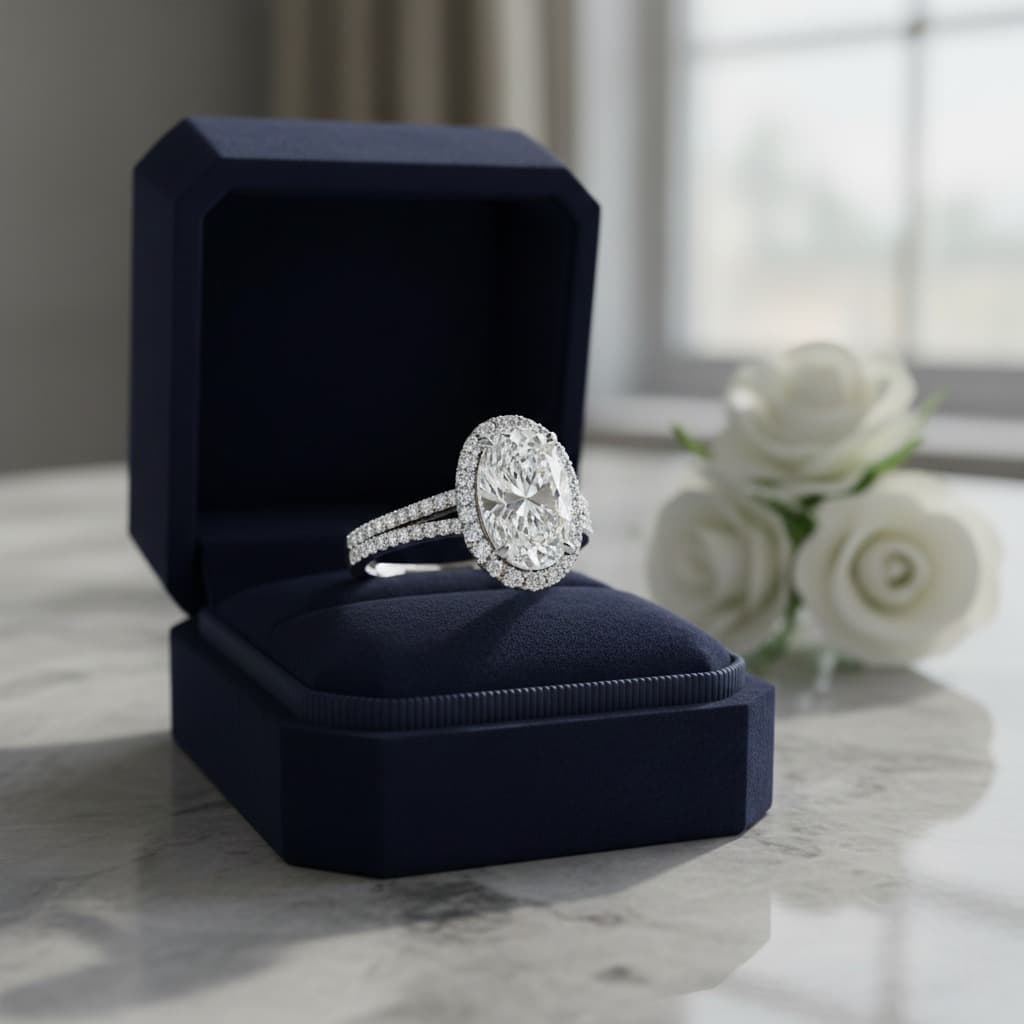
Understanding Jewelry Design Briefs: What Clients Really Want
Master the art of jewelry design briefs by learning what clients truly need. Discover how to extract clear requirements, manage expectations, and translate vague ideas into stunning custom pieces.
Understanding Jewelry Design Briefs and What Clients Really Want
A jewelry design brief is the foundation of every successful custom project, translating a client's emotional vision into actionable design parameters that guide material selection, form, and craftsmanship. Mastering the brief process reduces revisions, builds client trust, and leads to pieces that exceed expectations every time.
The gap between what a client says and what they actually envision is where most custom jewelry projects run into trouble. A client might say "something elegant" while picturing anything from a minimalist gold band to an ornate diamond cluster. Your job as a designer is to bridge that gap systematically through a well-structured brief.
Why Design Briefs Are Non-Negotiable
Skipping the brief phase is the fastest way to create expensive problems. Without a documented understanding of what the client wants, you are designing based on assumptions. Those assumptions might be correct, but more often they lead to surprise, disappointment, and costly remakes.
A thorough brief also protects you professionally. When a client approves a brief that specifies 18k yellow gold with a bezel-set oval sapphire, and you deliver exactly that, there is no room for dispute. The brief becomes a contract of creative intent.
Beyond protection, briefs make you a better designer. They force you to ask the right questions early, understand the emotional context behind the piece, and plan your approach before picking up tools or opening CAD software.
The Anatomy of a Complete Design Brief
Client Information and Context
Start with who the client is and why they are commissioning this piece. Is it a man designing an engagement ring for his partner? A woman treating herself to a milestone birthday piece? A parent creating a family heirloom? The emotional context shapes every design decision.
Occasion and Purpose
The occasion determines formality, scale, and sometimes even the materials involved. An anniversary piece carries different design weight than festival jewelry. A piece intended for daily wear has different durability requirements than something reserved for special events.
| Occasion | Typical Style Direction | Durability Priority |
|---|---|---|
| Engagement | Classic, timeless, sentimental | Very high, daily wear |
| Wedding | Coordinated with engagement piece | Very high, daily wear |
| Anniversary | Meaningful, possibly matching existing pieces | High |
| Birthday or self-purchase | Personal taste driven, expressive | Medium to high |
| Graduation or milestone | Celebratory, age-appropriate | Medium |
| Gift for someone else | Reflects recipient's style | Varies |
Style Preferences
This is where visual references become essential. Ask clients to share 5 to 10 images of jewelry they love. Equally valuable are images of jewelry they dislike. The "anti-references" reveal boundaries just as clearly as the positive examples.
Look for patterns across their selections. If every image features minimalist designs, you know ornate detailing is not the direction. If warm metals appear consistently, you can confidently rule out white gold and platinum from the primary design.
Metal and Material Preferences
Some clients arrive with strong metal preferences. Others need education about the differences between gold karats or the comparison between platinum, gold, and silver. Present material options with physical samples when possible, as screen colors rarely capture the true warmth of rose gold or the cool weight of platinum.
Gemstone Requirements
If the piece includes gemstones, document everything about the client's preferences and expectations. Do they want a specific stone, or are they open to suggestions? What matters more to them, size or quality? Are they interested in lab-grown alternatives for ethical or budget reasons?
Budget Parameters
Budget conversations feel awkward but are absolutely critical. A client envisioning a 2-carat diamond ring needs to know whether their budget supports that vision. Frame the conversation around value rather than limitation. Explain what their budget achieves and present options that maximize impact within their range.
Timeline and Deadlines
Custom jewelry takes time. Document any hard deadlines, such as a proposal date or anniversary, and work backward to establish milestones for design approval, stone sourcing, production, and finishing. Build in buffer time for unexpected delays.
What Clients Say vs. What They Mean
Experienced jewelers learn to decode client language over time. Here are common phrases and what they typically indicate.
When a client says "I want something unique," they usually mean they want something that feels personal, not that they want an avant-garde design nobody has ever seen. Uniqueness to most clients means personalized details within a recognizable jewelry form.
"Simple but special" is another common request that trips up new designers. The client wants clean lines and understated elegance, but with a detail that makes the piece feel intentional and considered. A hidden engraving, an unexpected stone, or a distinctive setting style satisfies this brief.
"Not too flashy" signals that the client values subtlety and may feel uncomfortable with large stones or bold designs. Show them options that emphasize quality of materials and craftsmanship over visual drama.
"Something like this but different" means the client has found a reference they love but wants to avoid wearing an exact copy. Identify the specific elements they are drawn to, whether the shape, the setting style, or the metal color, and evolve those elements into something original.
The Visual Consultation Process
Words alone cannot capture a design vision. The most effective brief process includes a visual consultation where you and the client review images together and discuss what resonates.
Prepare a curated selection of 20 to 30 images spanning different styles, metals, and stone options. Watch the client's reactions. Their immediate, instinctive responses to visuals reveal more than 20 minutes of verbal description.
Take notes during this process. Write down not just what they like, but the specific words they use to describe why. "I love how delicate this looks" tells you about proportion. "This feels too cold" tells you about metal tone. These qualitative observations become design guidelines.
Turning a Brief Into a Design Direction
Once your brief is complete, synthesize the information into a clear design direction statement. This single paragraph should capture the essence of what you will create. Share it with the client for confirmation before investing time in sketches or renderings.
A strong direction statement might read something like this. "A solitaire engagement ring in 18k yellow gold featuring an oval-cut natural diamond between 0.8 and 1.0 carats, with a low-profile cathedral setting for everyday wearability. The design should feel timeless and warm, with subtle vintage inspiration in the band detailing. Budget range allows for G to H color and VS clarity."
This statement becomes the lens through which every subsequent decision is filtered. Does a particular setting style serve this direction? Does the proposed stone align with the stated priorities? The brief keeps you anchored.
Managing Expectations Throughout the Process
The design brief is a living document during the early phases of a project. As you present initial concepts, the client's feedback will refine the brief further. Some elements will be confirmed, others will shift.
Document every change. If a client moves from wanting yellow gold to rose gold during the revision process, note it in the brief with the date and reason. This paper trail protects both parties and ensures nothing falls through the cracks.
Set clear expectations about what each phase of the process looks like. Clients who have never commissioned custom jewelry do not know what to expect. Explain that the first concept presentation is a starting point, not a final product. Let them know how feedback should be given and how many revisions are included in your process.
Common Brief Mistakes and How to Avoid Them
The most frequent mistake is not going deep enough. A brief that says "gold ring with diamond" leaves too much open to interpretation. Push for specifics on every parameter, even if the client initially resists the detail. Frame your questions as "helping me give you exactly what you want."
Another mistake is taking the brief too literally without applying professional judgment. If a client requests a combination of elements that will not work aesthetically or structurally, it is your responsibility to guide them toward a better solution while honoring their intent.
Finally, avoid assuming the client's budget matches their taste. Someone showing you images of 5-carat diamond rings might have a budget that supports a 0.5-carat stone. Address this early with transparency and creative alternatives that deliver the same emotional impact.
How Tashvi AI Transforms the Brief Process
The traditional brief process can take multiple meetings to reach clarity. Tashvi AI compresses this timeline dramatically. During your initial consultation, describe the client's emerging vision in a text prompt and generate visual concepts in real time. Instead of asking "What do you think of this general direction?" you can ask "Is this closer to what you had in mind?"
This visual iteration replaces abstract conversation with concrete imagery. Clients can point to specific elements they love, request adjustments, and see new versions within the same meeting. The brief becomes sharper, faster, and more accurate. Try designing on Tashvi AI free to experience how AI-generated concepts streamline your client consultations.
Building Long-Term Client Relationships Through Better Briefs
A thorough brief process does more than produce a great piece of jewelry. It demonstrates professionalism, builds trust, and positions you as someone who genuinely cares about getting it right. Clients who feel heard during the brief phase become repeat customers and enthusiastic referral sources.
Keep completed briefs on file. When a past client returns for a new piece, you already understand their preferences, their style evolution, and their budget comfort zone. This institutional knowledge transforms one-time commissions into lasting relationships that sustain your business for years to come.
Frequently Asked Questions
Quick answers to the questions readers ask most about this guide.
What is a jewelry design brief?
A jewelry design brief is a structured document that captures a client's vision, preferences, budget, and timeline for a custom jewelry piece. It serves as the blueprint for the entire design process, ensuring the designer and client share the same expectations before work begins.
How do I get a client to articulate what they want?
Use visual references rather than verbal descriptions. Show clients images of different styles, metals, and stone options to help them identify preferences. Many clients cannot describe what they want in words but can easily point to what they like and dislike in photographs.
What should I include in a jewelry design brief?
Include the jewelry type, metal preference, gemstone details, size requirements, budget range, occasion or purpose, style references, timeline, and any personal significance or symbolism the client wants incorporated. The more specific the brief, the fewer revision cycles you will need.
How many revisions should a custom jewelry project include?
Most professional jewelers include 2 to 3 design revisions in their standard pricing. Setting this expectation upfront in the design brief prevents scope creep and ensures the client understands the process. Additional revisions can be offered at a supplementary fee.
Can AI help with the design brief process?
Yes. Tools like Tashvi AI allow designers to quickly generate visual concepts from brief descriptions. Showing clients AI-generated options during the consultation phase helps them refine their preferences faster than traditional sketching, reducing misunderstandings and speeding up approvals.