AI Color Matching: Getting Perfect Metal and Gemstone Combinations
AI color matching technology helps jewelers and designers find perfect metal and gemstone combinations every time. Learn how AI analyzes color harmony, contrast, and visual balance to create stunning jewelry pairings.
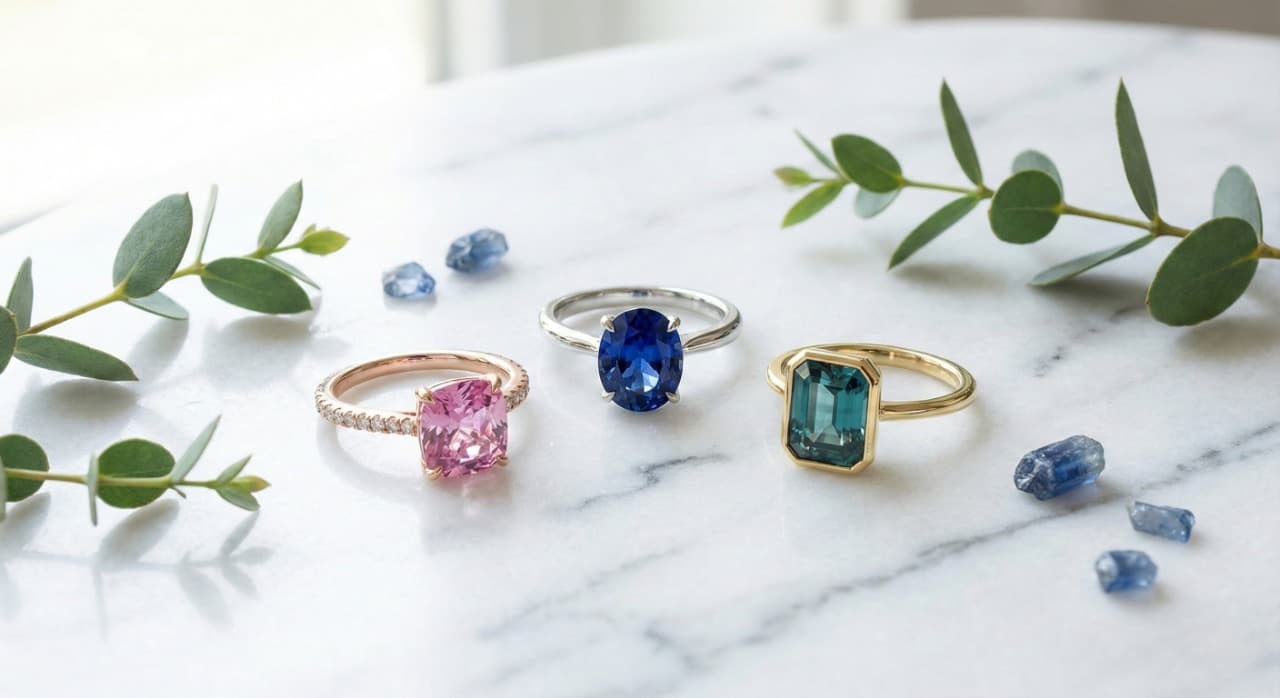
AI color matching analyzes the hue, saturation, warmth, and brightness of metals and gemstones to recommend combinations that maximize visual harmony, contrast, and wearability. By applying color theory principles learned from thousands of professional jewelry designs, AI tools eliminate guesswork from one of the most subjective and important decisions in jewelry creation.
Why Color Matching Matters in Jewelry
The interaction between metal and gemstone color is one of the most important factors in how a finished piece looks and feels. A gorgeous gemstone can look dull in the wrong metal. A beautiful metal can overpower or undermine a stone's natural beauty. The right combination creates synergy where both elements enhance each other.
Traditional color matching relies on the designer's eye and experience. This works well for experienced jewelers who have seen thousands of combinations, but it creates a knowledge barrier for newer designers and makes it difficult to explore unconventional pairings with confidence.
AI brings systematic analysis to this subjective decision. Instead of relying on intuition alone, designers can see data-driven recommendations that account for color theory, visual contrast, historical preferences, and manufacturing realities.
How AI Analyzes Color in Jewelry
Metal Color Properties
AI models characterize metals along several color dimensions.
| Metal | Hue | Warmth | Brightness | Reflectivity |
|---|---|---|---|---|
| Yellow Gold (18K) | Yellow-orange | Warm | High | High |
| Yellow Gold (14K) | Yellow (lighter) | Warm | High | High |
| Rose Gold | Pink-copper | Warm | Moderate to High | Moderate |
| White Gold | Silver-gray | Cool | High | High |
| Platinum | Silver-gray (deeper) | Cool | Moderate | Moderate |
| Sterling Silver | Bright silver | Cool | Very High | Very High |
| Palladium | Gray | Neutral | Moderate | Moderate |
These properties determine how each metal interacts visually with gemstones. Warm metals enhance warm-colored stones. Cool metals provide neutral or enhancing backdrops for cool-colored stones. The brightness and reflectivity of the metal affect how much light bounces into and around the stone.
Gemstone Color Analysis
AI evaluates gemstones across similar dimensions, plus additional optical properties.
Hue is the primary color (blue, red, green, etc.). Saturation is the intensity or vividness of the color. Tone is the lightness or darkness. Transparency affects how light passes through. Brilliance is how much light the stone returns to the viewer.
A deep, highly saturated blue sapphire requires different metal treatment than a pale, pastel aquamarine, even though both are "blue" stones. AI models understand these nuances and adjust recommendations accordingly.
The Color Theory Behind Great Combinations
Complementary Enhancement
Complementary colors sit opposite each other on the color wheel. When paired, they make each other appear more vivid. In jewelry, this principle explains why certain combinations feel especially vibrant.
Rose gold (pink-copper) pairs beautifully with green emeralds and tsavorites because pink and green are near-complementary colors. The warm rose tones make the green appear richer, while the green makes the rose gold glow.
Yellow gold enhances purple and violet stones (amethyst, tanzanite) through the same complementary principle. Blue sapphires pop against the warmth of yellow gold due to the blue-yellow complementary relationship.
Harmonious Pairing
Analogous colors sit near each other on the color wheel and create subtle, harmonious combinations. Yellow gold with citrine, golden beryl, or warm-toned yellow diamonds creates a monochromatic harmony that feels cohesive and luxurious.
White metals with white diamonds create the ultimate harmonious pairing, where the cool metal maximizes the stone's perceived whiteness and brilliance.
Contrast-Based Pairing
High contrast between metal and stone creates visual drama and draws the eye to the gemstone. Dark stones in bright metals (deep garnet in polished white gold) or bright stones in darker metals (canary yellow diamond in oxidized silver) create striking visual tension.
AI models identify the optimal contrast level based on the design's intended aesthetic. A subtle, elegant piece might benefit from low contrast. A bold, fashion-forward design might use maximum contrast.
Common Combinations and Why They Work
Blue Sapphire Combinations
Blue sapphires are among the most popular colored gemstones, and their pairing with metals demonstrates clear color principles.
| Metal | Effect | Best For |
|---|---|---|
| White gold/Platinum | Enhances blue purity, cool harmony | Classic, timeless look |
| Yellow gold | Warm-cool contrast, traditional feel | Vintage, royal aesthetic |
| Rose gold | Unexpected contrast, modern feel | Fashion-forward, unique |
AI consistently rates white gold and platinum as the top choices for blue sapphires when the goal is maximum stone color fidelity. The cool metal does not introduce competing warmth, allowing the full depth of the blue to show.
Emerald Combinations

Emeralds present unique challenges because their color can shift appearance significantly based on surrounding metal.
Yellow gold is the classic pairing, creating a rich, traditional look where the warm gold enhances the green's depth. Rose gold creates a sophisticated contrast that has become increasingly popular. White metals can make emeralds appear slightly cooler and more vivid, which works well for lighter-colored stones.
Diamond Combinations
For colorless diamonds, the metal choice affects perceived whiteness. White gold and platinum maintain the diamond's colorless appearance. Yellow gold can make a near-colorless diamond appear slightly warmer, which may be desirable for some aesthetics but undesirable for others.
For fancy colored diamonds, AI color matching becomes especially valuable. A fancy yellow diamond looks stunning in yellow gold (harmonious) or in white gold (high contrast). The choice depends entirely on the intended visual effect.
Skin Tone Considerations
AI color matching extends beyond the jewelry piece itself to consider how combinations look against different skin tones. This is an increasingly important capability for e-commerce and personalized recommendations.
Warm skin tones (yellow and golden undertones) generally complement warm metals and warm-toned gemstones. Cool skin tones (pink and blue undertones) tend to complement cool metals and cool-toned gemstones. Neutral skin tones work well with both.
AI models that incorporate skin tone analysis can recommend not just the best metal-gemstone pairing but the best overall combination for a specific individual.
Advanced AI Color Matching Applications
Collection Color Cohesion
When designing a jewelry collection, maintaining color consistency across multiple pieces is challenging. AI color matching ensures that the same metal alloy, gemstone quality, and color treatment are specified consistently across rings, necklaces, earrings, and bracelets.
Repair and Matching
When a client needs a new piece to match an existing one, AI color analysis can identify the exact metal tone and gemstone color characteristics needed. Upload a photo of the existing piece, and the AI specifies the closest matching materials for the new design.
Custom Wedding Sets
For wedding and engagement jewelry, ensuring that multiple rings look cohesive when stacked requires precise color coordination. AI helps match wedding band metals to engagement ring metals, even across different jewelry types.
How Tashvi AI Handles Color Matching
Tashvi AI integrates color intelligence into every design it generates. When you specify a gemstone type, the platform automatically renders it in metals that create the strongest visual impact. When using guided design mode, the platform suggests metal options ranked by color compatibility with your chosen stone.
This embedded color intelligence means that every design generated on Tashvi AI reflects proven color theory principles. Designers do not need to be color experts to produce harmonious combinations, and experienced designers can use the AI's recommendations as a starting point for more adventurous explorations. The platform understands the subtle differences between gold karats, metal finishes, and gemstone varieties that affect color interaction.
Try designing on Tashvi AI free
The Expanding Role of Color AI
As AI color matching technology improves, we expect it to incorporate real-time lighting simulation (showing how combinations look under daylight, tungsten, and LED), seasonal color trend data, and even emotional color psychology. The goal is not to replace the designer's color instinct but to provide a richer palette of information for every color decision in the jewelry design process.
Frequently Asked Questions
Quick answers to the questions readers ask most about this guide.
How does AI match metals and gemstones?
AI analyzes color properties including hue, saturation, warmth, and brightness of both metals and gemstones. It applies color theory principles learned from thousands of professional jewelry designs to recommend combinations that maximize visual impact, harmony, and wearability.
What is the best metal for a blue sapphire?
AI color analysis consistently identifies white gold and platinum as the top metal choices for blue sapphires. The cool-toned metals enhance the blue hue without introducing competing warmth. Rose gold creates an interesting complementary contrast that works well for fashion-forward designs.
Can AI suggest unexpected color combinations?
Yes. AI models sometimes identify non-obvious pairings that human designers might overlook. For example, AI may suggest matte yellow gold with lavender amethyst or brushed rose gold with tsavorite green garnet, combinations that score high on visual contrast and harmony metrics.
Does metal color affect how a gemstone looks?
Significantly. Metal color influences the perceived hue of a gemstone through reflection. Yellow gold casts warm tones into nearby stones, which enhances yellow and warm-colored gems but can add unwanted warmth to cool-colored stones. White metals provide a neutral backdrop that preserves the stone's natural color.
How accurate is AI color matching compared to seeing stones in person?
AI color matching is highly accurate for predicting visual harmony between metal and gemstone combinations. However, individual stones vary in exact color, and lighting conditions affect perception. AI provides an excellent starting point, but final color matching should be confirmed with physical stones when possible.