How Automation Is Reducing Lead Times in Custom Jewelry
Discover how automation technologies including AI design, CNC machining, automated casting, and workflow software are cutting custom jewelry lead times from weeks to days while maintaining artisan-level quality.
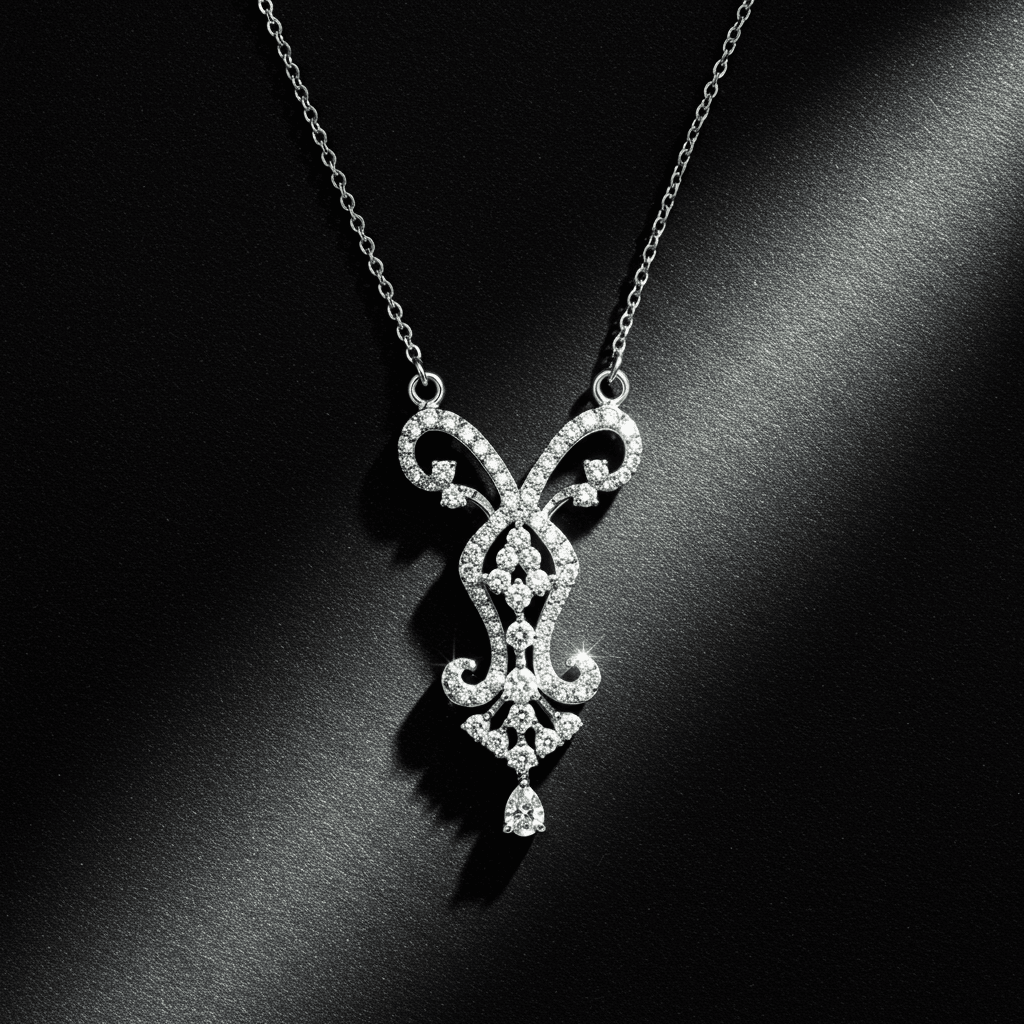
Automation technologies across the custom jewelry workflow, from AI-assisted design through CNC machining and automated casting, are reducing lead times by 40 to 70 percent, compressing what traditionally took 4 to 6 weeks into 1 to 2 weeks while maintaining the artisan quality that custom clients expect.
Where Time Gets Lost in Custom Jewelry
Understanding where delays occur reveals the automation opportunities with the highest impact.
Design and Approval Phase
Traditional custom design begins with a consultation, followed by hand sketches or basic CAD renderings, client review, revisions, more review, and eventual approval. Each revision cycle adds days to the timeline. Most custom projects go through 3 to 5 revision rounds, with 2 to 3 day gaps between each round for client response.
Production Preparation
Converting an approved design into production-ready specifications involves CAD finalization, material calculation, and manufacturing planning. Manual processes at this stage add 3 to 5 days.
Manufacturing
Casting, stone setting, and finishing follow their own timelines. While the actual hands-on work may take 2 to 3 days, scheduling, setup, and sequential processing can stretch this to 1 to 2 weeks.
Quality Control and Delivery
Final inspection, packaging, and shipping add 2 to 4 more days to the overall timeline.
Automation Across Each Stage
AI-Accelerated Design
AI design tools compress the concept phase from days to minutes. Instead of sketching concepts over several days, designers generate photorealistic visualizations during the initial client consultation. Clients see realistic representations of their custom piece immediately, enabling faster decisions and fewer revision cycles.
The impact is dramatic. Traditional design phase of 2 to 3 weeks compresses to 2 to 3 days when AI handles initial concept generation and real-time variation exploration.
| Phase | Traditional Timeline | Automated Timeline | Time Saved |
|---|---|---|---|
| Concept design | 3 to 5 days | 1 to 2 hours | 90%+ |
| Client revisions | 5 to 10 days | 1 to 2 days | 75% |
| CAD preparation | 3 to 5 days | 1 to 2 days | 50% |
| Manufacturing | 5 to 10 days | 3 to 5 days | 40% |
| QC and delivery | 2 to 4 days | 1 to 2 days | 50% |
| Total | 18 to 34 days | 6 to 12 days | 60% |
Automated Workflow Management
Software automation handles the administrative tasks between production stages. When a design receives client approval, automated systems immediately generate production orders, allocate materials from inventory, schedule the piece into the manufacturing queue, and notify relevant team members. These handoffs, which traditionally required manual communication and could add days of delay, happen in seconds.
CNC and 3D Printing
3D printing and CNC machining produce wax models, prototypes, and even finished metal components with precision that matches or exceeds hand fabrication. These automated manufacturing steps run overnight or during off-hours, effectively adding production capacity without extending working hours.
Automated Material Estimation
AI-powered tools calculate precise material requirements from design files, eliminating the manual measurement and calculation that traditionally added hours to production planning. Accurate estimation means materials are pre-allocated correctly, avoiding delays from insufficient stock or reorder requirements.
Implementation Strategy
Start With the Biggest Bottleneck
Identify which phase causes the most delays in your current workflow. For most custom jewelers, this is the design-revision cycle. Implementing AI design tools at this stage delivers the fastest return on investment.
Progressive Automation
Add automation incrementally rather than overhauling your entire operation at once. Each addition builds on the previous one, creating compounding efficiency gains without overwhelming your team with simultaneous changes.
Preserve Artisan Quality
Automation should handle repetitive, time-consuming, and precision-dependent tasks while preserving the handcraft elements that define custom jewelry quality. Stone setting by skilled artisans, hand-finished surfaces, and personal quality inspection remain human activities that automation supports rather than replaces.
Client Experience Benefits
Faster lead times are not just an operational improvement. They directly enhance the client experience. Customers choosing custom jewelry often work within timelines for engagements, anniversaries, or other events. Reducing lead time from 6 weeks to 2 weeks means more clients can order custom pieces within their event windows, expanding your addressable market.
The design phase improvements are particularly impactful for client experience. Seeing photorealistic concepts during the first consultation creates excitement and confidence that sketches cannot match. Real-time variation exploration makes clients feel involved in the creative process rather than waiting passively for designer output.
How Tashvi AI Accelerates the Custom Pipeline
Tashvi AI's impact on custom jewelry lead times begins at the very first client interaction. Generate photorealistic design concepts during consultations, explore variations in real time, and reach design approval in a single session rather than multiple meetings spread across weeks.
The platform's material estimation capabilities further accelerate the workflow by providing instant cost projections alongside design concepts. Clients approve both the design and the budget in one conversation rather than waiting for separate quoting processes.
Try designing on Tashvi AI free
The Competitive Advantage
In a market where customers increasingly expect fast delivery, the ability to deliver custom jewelry in 1 to 2 weeks rather than 4 to 6 creates a significant competitive advantage. Automation makes this speed achievable without sacrificing quality, enabling small jewelry businesses to compete on both craftsmanship and delivery time.
Frequently Asked Questions
Quick answers to the questions readers ask most about this guide.
How much can automation reduce custom jewelry lead times?
Automation typically reduces custom jewelry lead times by 40 to 70 percent. A project that traditionally takes 4 to 6 weeks can be completed in 1 to 2 weeks when AI design, automated manufacturing, and workflow management tools are implemented together.
Which stage of custom jewelry production benefits most from automation?
The design and approval stage typically sees the largest time savings. AI design tools reduce concept development from days to minutes, and digital approval workflows eliminate the back-and-forth delays of email-based communication.
Does automation reduce the quality of custom jewelry?
No. Automation enhances consistency and precision while reducing human error. CNC machines cut more accurately than hand tools for repetitive operations, while AI design ensures proportions and specifications are correct from the start. Artisan finishing work remains hand-done.
Can small custom jewelry businesses afford automation?
Yes. Cloud-based AI design tools, affordable 3D printers, and software automation platforms are available at price points suitable for solo designers and small workshops. The investment typically pays for itself within months through increased throughput.
Will automation replace skilled jewelers?
Automation handles repetitive and time-consuming tasks, freeing skilled jewelers to focus on the high-value creative and finishing work that requires human expertise. The result is more fulfilling work for artisans and faster delivery for customers.