How to Choose an Engagement Ring Setting for an Active Lifestyle
Active lifestyles demand engagement ring settings that are durable, low-profile, and snag-free. Discover which settings protect your diamond during workouts, outdoor adventures, and hands-on work.
If you lead an active lifestyle, whether you spend your days at the gym, on hiking trails, in a hospital, or working with your hands, your engagement ring needs to keep up with you. The right setting protects your diamond from impact, eliminates snagging on clothing and equipment, and sits comfortably on your finger during every activity. Choosing the wrong setting, on the other hand, can lead to bent prongs, lost stones, scratched surfaces, and constant worry about damage.
Why Setting Choice Matters for Active Wearers
The setting is the structural framework that holds your diamond in place. Some settings use thin metal prongs that extend above the diamond, creating a higher profile and more exposed stone. Others wrap metal around the diamond or embed it within the band, creating a lower, more protected profile.
For active people, the three critical factors are height (how far the stone rises above the finger), exposure (how much of the stone is accessible to impact), and snag potential (whether the setting catches on fabrics, gloves, or equipment). The best active-lifestyle settings score well on all three.
The Best Settings for Active Lifestyles
Bezel Setting
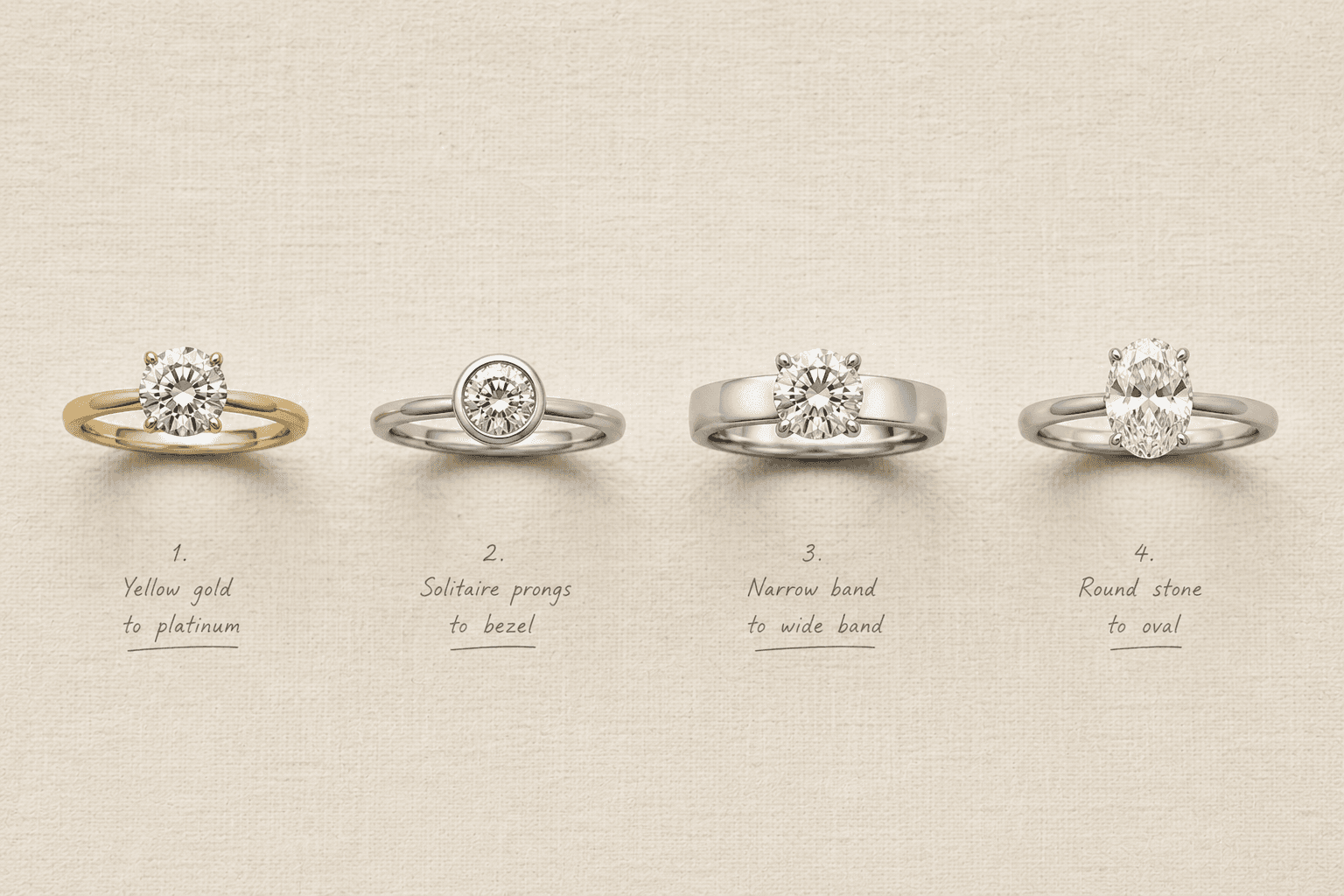
The bezel setting is the gold standard for active lifestyles. A continuous metal rim wraps around the diamond's entire perimeter, protecting it from impact on all sides. The smooth profile eliminates snag points completely. Bezel-set rings sit low on the finger, reducing the chance of bumping the stone against hard surfaces.
Healthcare workers, rock climbers, weightlifters, and anyone wearing gloves regularly will find the bezel setting ideal. The only minor tradeoff is that the metal rim slightly reduces light entry from the sides, but modern bezel designs still deliver impressive sparkle.
Flush Setting (Gypsy Setting)
In a flush setting, the diamond is embedded directly into the band so its surface sits level with the surrounding metal. This creates the lowest possible profile and the most protected position for the stone. Flush-set rings feel like wearing a plain band with the bonus of a diamond.
This setting works best with round diamonds and is particularly popular for people who cannot wear any protruding ring elements due to their profession. Surgeons, chefs, mechanics, and military personnel often prefer flush settings.
Channel Setting
Channel settings position diamonds between two parallel walls of metal along the band. No prongs are used, and the stones sit protected within the channel. This style works beautifully as a wedding band or as a unique engagement ring design using larger channel-set stones.
The smooth top surface and protected stone positions make channel settings excellent for active wear. They pair well with princess-cut and baguette diamonds that fit snugly within the straight channel walls.
Low-Profile Prong Settings
If you prefer the traditional prong look, choose a low-profile version with a basket or cathedral setting that keeps the diamond closer to the finger. Four-prong settings with a low basket provide reasonable protection while still allowing excellent light entry. Rounded prong tips reduce snag potential compared to pointed prongs.
Settings to Think Twice About
High-Profile Solitaires
Traditional solitaires with tall prongs that elevate the diamond high above the band are beautiful but impractical for active lifestyles. The exposed stone is vulnerable to impact, and the height increases snagging. The tall prongs themselves can bend when subjected to force.
Pavé Bands
Pavé settings cover the band with tiny diamonds held by miniature prongs. These delicate prongs can catch on fabrics and loosen during physical activity. Losing a small pavé diamond is common and frustrating, though the stone's low value makes replacement affordable.
Halo Settings
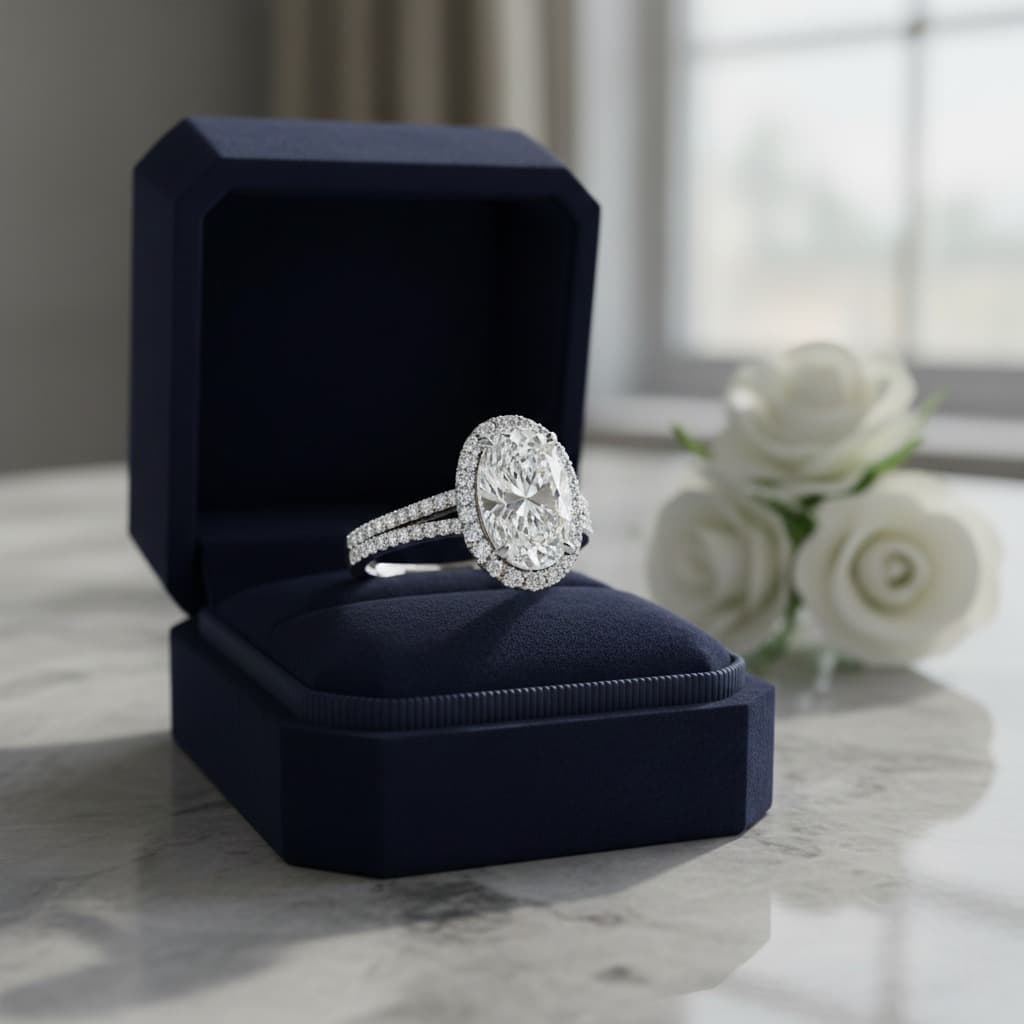
Halos surround the center stone with a ring of small diamonds, each held by its own tiny prong. This creates multiple snag points and many small stones that can loosen over time with active wear. If you love the halo aesthetic, consider wearing a simpler band for daily activities and the halo ring for evenings and special occasions.
Tension Settings
Tension settings hold the diamond in place using the pressure of the band itself. While visually striking, they leave the diamond extremely exposed. Any impact to the stone or warping of the band can compromise the diamond's security.
Matching Settings to Specific Activities
| Activity | Best Settings | Avoid |
|---|---|---|
| Gym and weightlifting | Bezel, flush, channel | High prong, tension |
| Running and cardio | All low-profile settings | None specific |
| Rock climbing | Remove ring or wear silicone | All precious metal |
| Swimming | Remove ring entirely | All settings (slip risk) |
| Yoga and pilates | Bezel, flush | High profile solitaire |
| Healthcare work | Bezel, flush, low prong | Halo, pavé, cathedral |
| Teaching | Bezel, low prong, channel | Tension, high profile |
| Gardening and outdoors | Bezel, flush | Pavé, halo, thin prongs |
| Contact sports | Remove ring | All settings |
Choosing the Right Metal for Durability
Your metal choice affects how well the ring withstands physical activity.
Platinum
Platinum is the most durable precious metal for engagement rings. It does not wear away over time but instead develops a natural patina. While it scratches just like any metal, the material simply displaces rather than being lost. Platinum prongs hold diamonds more securely over time than gold prongs. For the most thorough comparison, visit our metal selection guide.
14K Gold
Fourteen-karat gold contains a higher proportion of alloy metals, making it harder and more scratch-resistant than 18K gold. For active wearers, 14K is the smarter choice within the gold family. It is available in yellow, white, and rose options.
18K Gold
Eighteen-karat gold is softer due to its higher gold content. It scratches more easily and prongs wear down faster. While it offers a richer color, 18K is less ideal for active lifestyles unless paired with a protective setting like a bezel.
Practical Tips for Active Ring Wearers
Even with the most durable setting, some situations call for removing your ring. Always take it off before rock climbing, contact sports, and swimming in cold water. Consider a ring dish by your front door or a small travel case in your gym bag to keep your ring safe during these activities.
Have your setting inspected by a jeweler every six to twelve months. Even bezel settings benefit from periodic checks to ensure the metal has not loosened. This preventive maintenance costs little and protects your investment.
If you want a ring you never have to remove, consider owning two rings. Wear a durable bezel or flush-set ring for daily activities and switch to a more elaborate design for date nights and special occasions. Many couples find this approach gives them the best of both worlds.
For complete care guidance, read our jewelry care and maintenance guide.
Design Your Active-Lifestyle Ring With Tashvi AI
Finding a ring that is both beautiful and practical requires seeing your options before committing. Tashvi AI lets you generate realistic images of bezel, flush, and low-profile settings in your preferred diamond shape and metal. Compare how a round bezel looks in platinum versus a cushion bezel in yellow gold. See the difference between a full bezel and a partial bezel on an oval diamond.
This visual exploration helps you discover that durability and beauty are not competing priorities. The right combination will look stunning and keep up with everything you do.
Try designing on Tashvi AI free
Your Ring Should Keep Up With Your Life
An engagement ring is meant to be worn every day, through workouts and workdays, adventures and ordinary moments. Choosing a setting designed for an active lifestyle means you never have to choose between wearing your ring and living your life. The bezel, flush, and channel settings available today prove that the most practical choice can also be the most beautiful one. Explore more options in our complete ring settings guide.
Frequently Asked Questions
Quick answers to the questions readers ask most about this guide.
What is the best engagement ring setting for someone who works with their hands?
Bezel settings are the top choice for hands-on lifestyles. The metal rim protects the diamond, sits low on the finger, and never catches on gloves or equipment. Channel settings and flush-set bands are excellent alternatives.
Should I take off my engagement ring for workouts?
It depends on your setting. Bezel and flush-set rings can generally handle gym workouts. Prong settings should be removed for weightlifting because gripping barbells can bend prongs. Always remove rings for rock climbing and contact sports.
Can I wear my engagement ring while swimming?
Avoid wearing any engagement ring in chlorinated pools or saltwater. Chlorine can damage certain metals and loosen settings over time. Cold water also shrinks your fingers, increasing the risk of the ring slipping off.
What engagement ring metals are most durable?
Platinum is the most durable precious metal, followed by 14K gold. Platinum does not wear away but develops a patina. 14K gold's higher alloy content makes it harder and more scratch-resistant than 18K gold.
Are halo settings bad for active lifestyles?
Halo settings feature many small prongs holding tiny diamonds, all of which can catch on things and loosen over time with physical activity. If you love the halo look, consider wearing a plain band for active days and saving the halo for occasions.