The Complete Jewelry Care and Maintenance Guide: Protect Your Investment
Learn how to clean, store, and maintain every type of jewelry from gold and platinum to silver and gemstones. This comprehensive care guide covers daily habits, DIY cleaning, and professional servicing schedules.
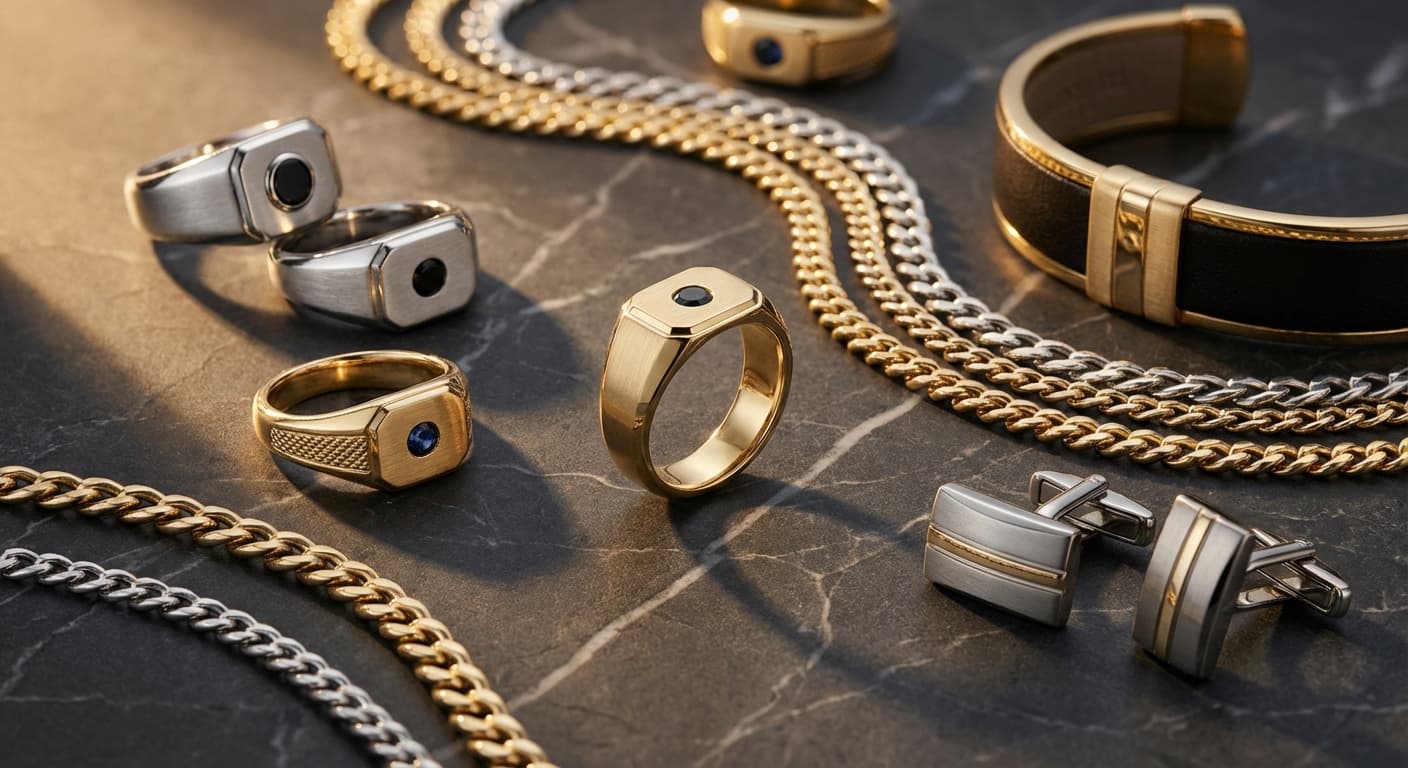
Proper jewelry care preserves both the beauty and the value of your pieces for decades, protecting your investment through simple daily habits, regular cleaning routines, and timely professional maintenance. Whether you own a single engagement ring or a full collection spanning gold, silver, platinum, and gemstones, understanding how to care for each material keeps every piece looking its best.
Most jewelry damage happens gradually through neglect rather than sudden incidents. Accumulated lotions, oils, and environmental residue slowly dull gemstone brilliance and metal luster. Chemical exposure from cleaning products, swimming pools, and personal care items accelerates wear. The good news is that a few mindful habits prevent the vast majority of common jewelry problems.
Daily Habits That Protect Your Jewelry
The "Last On, First Off" Rule
Make jewelry the last thing you put on when getting dressed and the first thing you remove when you get home. This simple habit protects your pieces from contact with perfume, hairspray, lotions, and makeup that can coat surfaces and dull finishes. Applying these products before putting on jewelry gives them time to dry and absorb into skin, reducing transfer to metal and stones.
Activities That Require Removal
Remove jewelry before swimming (chlorine damages both metals and stones), exercising (sweat and impact can loosen settings), cleaning with chemicals (bleach and ammonia are particularly destructive), gardening (soil and debris can scratch surfaces and lodge in settings), and sleeping (chains can break and prongs can catch on bedding). While it may feel inconvenient, removing jewelry during these activities dramatically extends its lifespan.
Quick Daily Check
Get in the habit of briefly inspecting your most-worn pieces when you put them on. Check that prong tips are still smooth and pointed (not flat or catching on fabric), clasps close securely, and stones show no visible looseness when gently pressed with a fingertip. Catching a loose prong early prevents the heartbreak of losing a stone.
Cleaning by Metal Type
Gold Jewelry Care
Gold is one of the most forgiving precious metals when it comes to care, but it still benefits from regular cleaning. For all types of gold jewelry, the safest cleaning method uses warm water with a few drops of mild dish soap.
At-home cleaning steps for gold
- Mix warm (not hot) water with a small amount of mild dish soap in a bowl
- Soak gold jewelry for 15 to 20 minutes to loosen oils and debris
- Gently scrub with a very soft toothbrush, paying attention to crevices and behind settings
- Rinse under warm running water (close the drain first!)
- Pat dry with a soft, lint-free cloth
- Allow to air dry completely before storing
For stubborn buildup on gold, a brief soak in equal parts warm water and plain white ammonia can dissolve accumulated residue. Limit ammonia soaking to no more than one minute, and rinse thoroughly afterward. This method works well for gold set with diamonds, rubies, and sapphires, but avoid using it on pieces containing pearls, opals, or other delicate stones.
White gold requires periodic rhodium replating as the coating wears. Most jewelers recommend replating every 12 to 18 months for daily-wear pieces like engagement rings. You will notice the slight yellow tinge of underlying gold appearing through the plating when it is time for refreshment.
Platinum Jewelry Care
Platinum develops a natural patina over time that actually looks beautiful to many wearers, creating a satiny finish distinct from the mirror polish of new platinum. If you prefer the polished look, a professional buff and polish restores the original shine.
For regular cleaning, warm soapy water works perfectly for platinum, just as it does for gold. Platinum is dense enough to handle gentle scrubbing without concern about scratching. The metal can be cleaned in an ultrasonic cleaner when set with durable stones like diamonds.
Sterling Silver Jewelry Care
Silver tarnishes naturally when exposed to air and sulfur compounds, making regular care more important than with gold or platinum. The best approach combines preventive storage with periodic cleaning.
Tarnish prevention tips
- Store silver in anti-tarnish bags, cloth pouches, or sealed plastic bags with anti-tarnish strips
- Wear silver pieces regularly (natural oils from skin help prevent tarnish)
- Keep silver away from rubber, latex, and wool, which accelerate tarnishing
- Remove silver before swimming, bathing, or applying cosmetics
Cleaning tarnished silver
For light tarnish, a silver polishing cloth removes discoloration quickly and safely. For heavier tarnish, use a paste-type silver polish or the baking soda method. Mix three parts baking soda with one part water to form a paste, apply gently with a soft cloth in circular motions, rinse thoroughly, and dry completely. Avoid dipping solutions for pieces with gemstones, as the chemicals can damage certain stones.
Cleaning by Gemstone Type
Different gemstones have vastly different tolerances for cleaning methods. Using the wrong approach on a delicate stone can cause irreversible damage.
Durable Stones (Safe for Most Cleaning Methods)
Diamonds, rubies, and sapphires rank among the hardest gemstones and tolerate warm soapy water, ultrasonic cleaners, and gentle scrubbing. These stones can also handle brief steam cleaning. Regular cleaning keeps diamonds brilliant and maintains the deep color saturation of rubies and sapphires.
Moderate Care Stones

Emeralds frequently receive oil or resin treatments to minimize the appearance of natural inclusions. Never use ultrasonic cleaners, steam, or hot water on emeralds, as these can strip the treatment and make inclusions more visible. Clean emeralds only with a damp soft cloth.

Tanzanite, tourmaline, and aquamarine tolerate gentle warm soapy water but should not be exposed to ultrasonic cleaners or sudden temperature changes that can cause fracturing.
Delicate Stones (Gentle Cleaning Only)
Pearls are organic gems that require the most careful handling. Clean pearls by wiping with a damp, soft cloth after each wearing to remove body oils and perspiration. Never submerge pearls in water, use soap on them, or store them in airtight containers (they need some moisture to prevent cracking). Restring pearl necklaces annually if worn frequently.
Opals contain water and can crack if dried out or exposed to extreme temperatures. Clean with a barely damp cloth only. Never use chemicals, ultrasonic cleaners, or steamers.
Turquoise, amber, and coral are porous stones that absorb chemicals and oils easily. A dry or barely damp soft cloth is the safest cleaning method.
| Stone Category | Warm Soapy Water | Ultrasonic | Steam | Chemicals |
|---|---|---|---|---|
| Diamond, Ruby, Sapphire | Safe | Safe | Safe | Avoid |
| Emerald | Damp cloth only | Never | Never | Never |
| Pearl | Damp cloth only | Never | Never | Never |
| Opal | Barely damp cloth | Never | Never | Never |
| Moissanite | Safe | Safe | Safe | Avoid |
| Lab-grown diamonds | Safe | Safe | Safe | Avoid |
Jewelry Storage Best Practices
Preventing Scratches
Store each piece separately to prevent harder materials from scratching softer ones. A diamond ring stored loose with gold chains will scratch the gold over time. Individual pouches, compartments, or the original jewelry boxes provide the best protection. For rings, vertical ring holders prevent stones from rubbing against surfaces.
Preventing Tarnish
Keep silver and copper-containing metals (including rose gold) in low-humidity environments away from bathroom steam. Anti-tarnish strips placed inside jewelry boxes absorb sulfur compounds from the air, significantly slowing the tarnishing process. Silica gel packets help control moisture in jewelry storage areas.
Travel Storage
Use a dedicated travel jewelry case with individual padded compartments for trips. Wrap chains loosely in tissue paper or thread them through straws to prevent tangling. Never pack jewelry in checked luggage where temperature extremes and rough handling can cause damage.
Organizing Your Collection
A well-organized jewelry storage system makes daily selection easier while protecting every piece. Consider separating by wear frequency, placing everyday pieces in accessible locations and special occasion pieces in protective storage. Hanging organizers work well for necklaces and bracelets, while drawer inserts with divided compartments protect rings and earrings.
Professional Maintenance Schedule
Every 6 Months
Have a jeweler inspect prong settings on diamond and gemstone rings. Prongs wear thin over time and can break without warning, potentially losing stones. A professional check catches weak prongs before they fail. This inspection is especially important for engagement rings and wedding bands worn daily.
Annually
Schedule professional cleaning and polishing for fine jewelry. Professional ultrasonic and steam cleaning reaches areas that home methods cannot, removing accumulated buildup from behind settings and inside links. Jewelers can also check clasp mechanisms, hinge points, and other structural elements.
As Needed
Seek professional servicing when you notice loose stones, bent prongs, worn clasps, chain kinks, or visible scratches. Prompt repair prevents small problems from becoming expensive damage. Most jewelers offer quick turnaround for common repairs like prong retipping and clasp replacement.
How Design Choices Affect Long-Term Durability
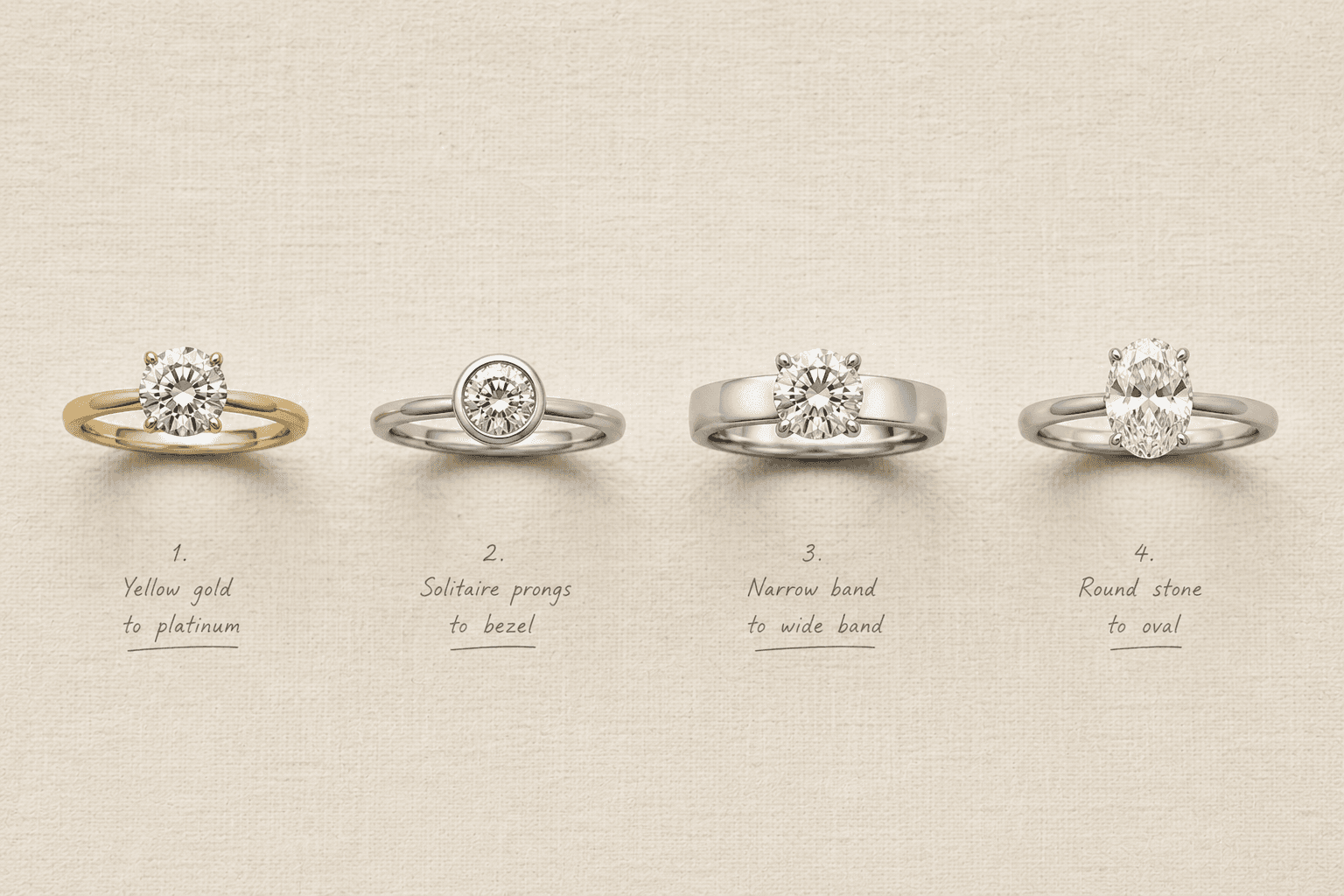
The way a piece is designed impacts how much maintenance it will need throughout its life. Bezel settings protect stone edges better than prong settings but can be harder to clean around. Higher profile settings catch on clothing and surfaces more than low-profile designs. Channel-set stones resist individual stone loss better than shared-prong designs.
Understanding these tradeoffs at the design stage helps create pieces that balance beauty with practical longevity. This is where AI design tools become particularly valuable, allowing you to visualize how different setting styles, metal weights, and structural choices affect a piece before committing to production.
Visualize Durability with Tashvi AI
Tashvi AI helps you make informed design decisions before investing in physical materials. When designing a new piece, you can compare how different settings, metal thicknesses, and stone arrangements affect the overall durability and maintenance requirements of your jewelry. See how a bezel setting versus a prong setting changes the look and protective qualities of a ring design, or how band width affects long-term wearability.
For jewelers advising clients, Tashvi AI-generated renders help communicate why certain design choices improve longevity, turning abstract maintenance advice into visual demonstrations. Try designing on Tashvi AI free
Building Good Habits for Lifetime Enjoyment
Jewelry care does not need to be complicated or time-consuming. The most important steps are removing pieces during risky activities, cleaning regularly with appropriate methods for each material, storing pieces properly, and scheduling periodic professional inspections. These simple habits protect your investment and ensure that every piece in your collection maintains its beauty for years and even generations to come.
Think of jewelry care as similar to dental hygiene. Small, consistent daily actions prevent problems far more effectively than occasional intensive interventions. The few minutes you spend each week caring for your jewelry pay dividends in lasting beauty, retained value, and the simple pleasure of wearing pieces that always look their best.
Frequently Asked Questions
Quick answers to the questions readers ask most about this guide.
How often should I clean my jewelry?
Clean everyday jewelry like engagement rings and wedding bands every one to two weeks with warm soapy water. Fashion jewelry and pieces worn occasionally can be cleaned monthly. Professional deep cleaning is recommended every six to twelve months for fine jewelry.
Can I use toothpaste to clean jewelry?
No. Toothpaste is mildly abrasive and can scratch softer metals like gold and silver, as well as delicate gemstones. It may also leave a residue in intricate settings. Use mild dish soap with warm water for safe at-home cleaning.
What is the best way to store jewelry to prevent tangling and tarnish?
Store each piece separately in soft pouches, individual compartments, or a lined jewelry box. Keep silver in anti-tarnish bags. Avoid storing jewelry in bathrooms where humidity accelerates tarnish. Hang necklaces and bracelets to prevent tangling.
Should I remove my engagement ring when washing hands?
You do not need to remove your ring for regular hand washing with soap and water, which is actually beneficial for keeping it clean. However, remove rings before using harsh chemicals, lotions, and hand sanitizers that can dull stones and damage metal over time.
Is it safe to use an ultrasonic cleaner on all jewelry?
No. Ultrasonic cleaners work well for diamonds, rubies, and sapphires in sturdy settings. They can damage pearls, opals, emeralds, turquoise, and other porous or fragile stones. Always check if your specific gemstone is ultrasonic-safe before cleaning.