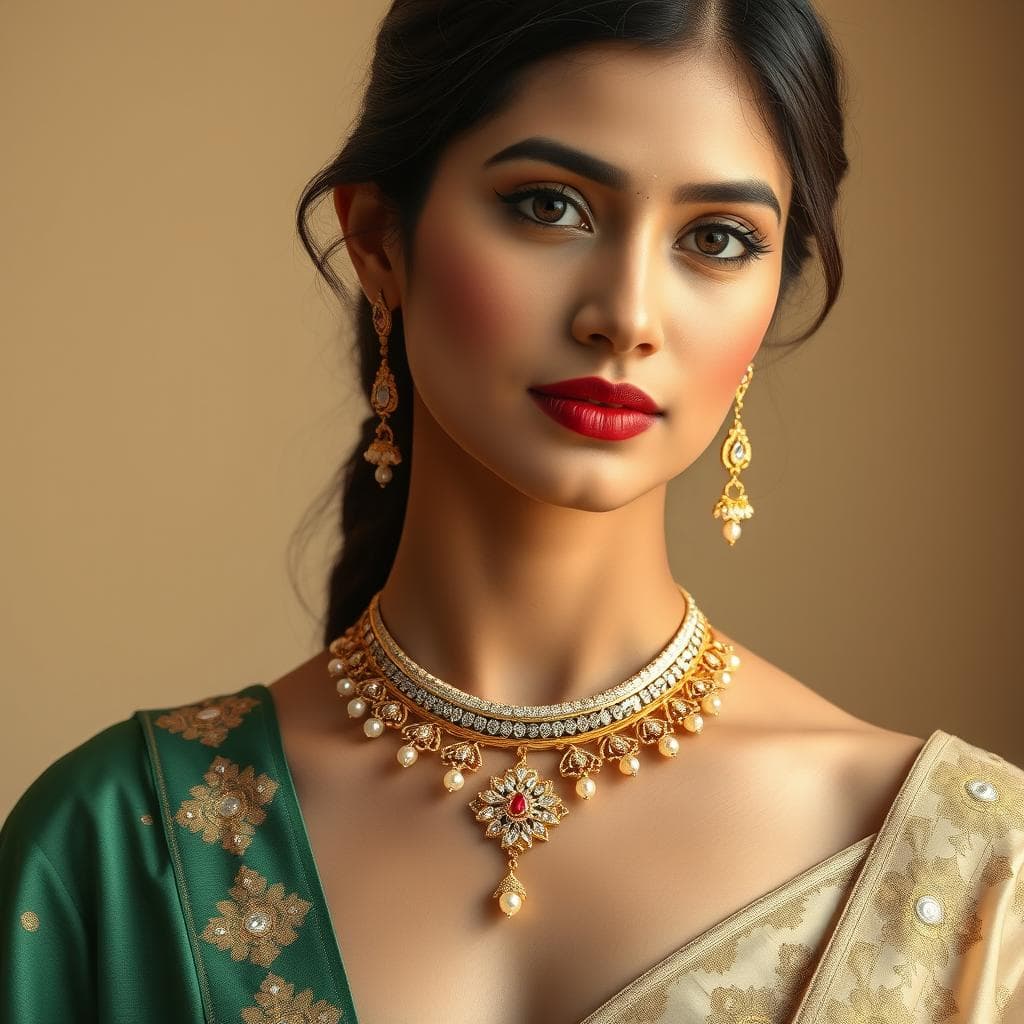
The Art of Luxury Positioning for Mid-Range Jewelry Brands
Mid-range jewelry brands can achieve luxury positioning without luxury price tags. Learn the branding, photography, storytelling, and customer experience strategies that elevate perceived value and justify premium pricing in the accessible luxury space.
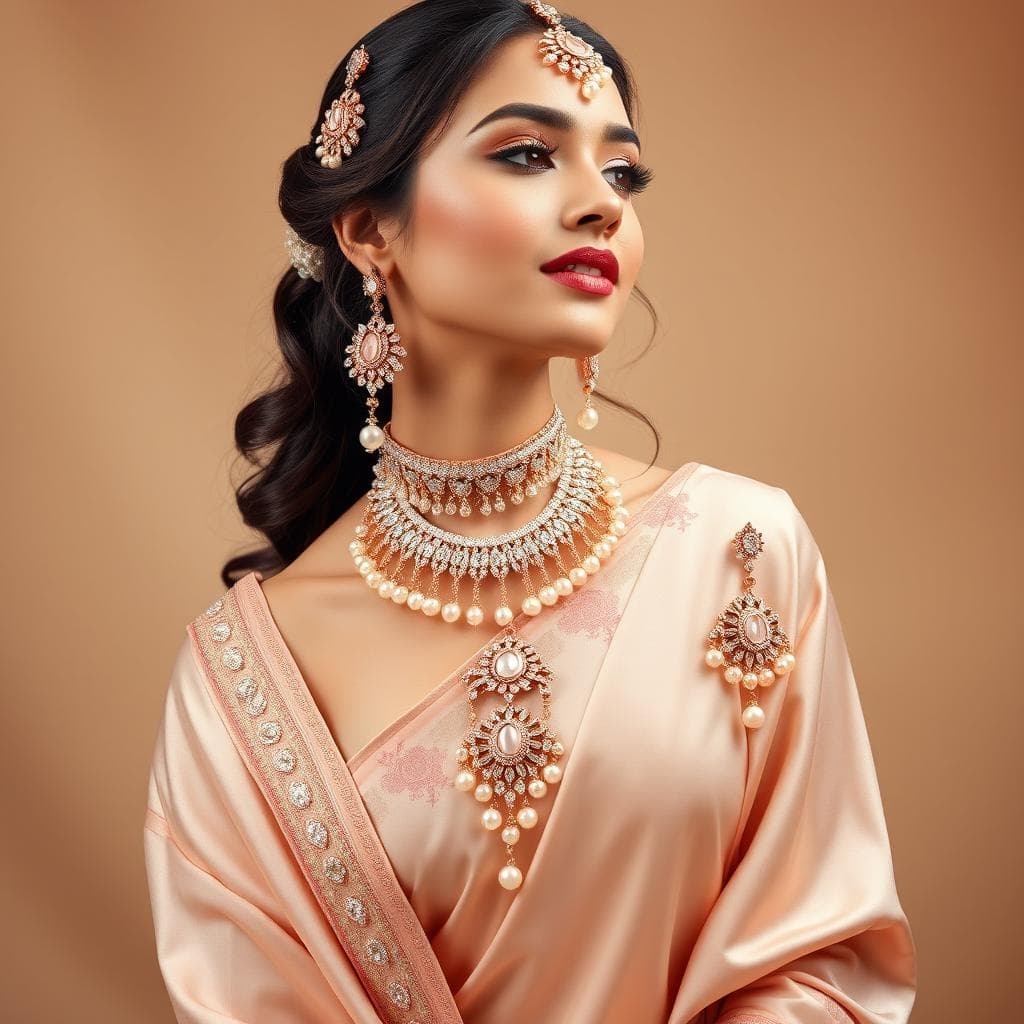
Luxury positioning for mid-range jewelry brands means strategically elevating every brand touchpoint, from photography and packaging to storytelling and customer experience, so that your perceived value far exceeds your price point. The goal is to create an aspirational brand experience that makes customers feel they are accessing luxury at an intelligent price rather than settling for less.
The jewelry market has a fascinating paradox. Some brands selling pieces at 200 dollars feel more luxurious than competitors charging 2,000 dollars. The difference is not in the metal or stones. It is in the positioning. How a brand presents itself, communicates its value, and makes customers feel determines its perceived market tier far more than the actual price tag. For mid-range jewelers looking to build a premium brand, mastering this art is the difference between competing on price and commanding it.
Understanding the Accessible Luxury Opportunity
The accessible luxury segment is the fastest-growing tier in the global jewelry market. Consumers increasingly want beautiful, well-crafted pieces without the extreme markups of traditional luxury houses. However, they do not want to feel like they are buying "cheap" jewelry. They want the feeling of luxury at a price that respects their intelligence.
This creates an enormous opportunity for mid-range brands that can deliver a luxury experience without luxury pricing. The brands winning in this space are not the ones with the best materials or the lowest prices. They are the ones with the best positioning.
The Four Pillars of Luxury Positioning
Pillar One. Visual Excellence
Nothing communicates luxury faster than visuals. A customer scrolling through Instagram makes quality judgments in milliseconds, and those judgments are based almost entirely on imagery.
Photography Standards. Your product photography should be indistinguishable from that of brands charging five times your prices. This means professional lighting with intentional shadows and highlights, clean or contextually rich backgrounds that elevate the piece, macro details that showcase craftsmanship, and consistent color grading across all images.
Using AI jewelry photography tools makes this achievable without the massive budgets traditional luxury brands spend on photoshoots. You can generate editorial-quality imagery that positions your brand alongside the most prestigious names in the industry.
Website Design. Your website should feature generous white space, elegant typography, and an unhurried browsing experience. Luxury websites never feel cluttered or desperate to sell. They invite exploration and discovery.
Social Media Aesthetic. Maintain a cohesive grid on Instagram that looks curated and intentional. Every post should feel like it belongs in the same visual family. Avoid promotional graphics with bold sale text and flashing colors. Instead, let beautiful imagery speak for itself.
Pillar Two. Brand Storytelling
Luxury brands sell narratives, not products. Your brand story should communicate heritage or intentionality, craftsmanship and expertise, a design philosophy that goes beyond trends, and values that resonate with your ideal customer.
The Language of Luxury. The words you use shape perception as powerfully as your visuals. Replace "buy" with "invest." Replace "cheap" with "accessible." Replace "deal" with "exceptional value." Replace "product" with "piece" or "creation." Replace "new arrival" with "just unveiled."
This is not about being pretentious. It is about choosing language that matches the experience you want to create.
Pillar Three. Customer Experience
Luxury is ultimately about how you make people feel. Every interaction with your brand should feel personal, thoughtful, and elevated.
| Touchpoint | Standard Approach | Luxury Approach |
|---|---|---|
| Order Confirmation | Generic email | Personalized message with care preview |
| Shipping | Standard mailer | Branded packaging with tracking updates |
| Delivery | Product in bag | Layered unboxing experience |
| Follow-Up | Review request | Personal thank you plus styling tips |
| Customer Service | Ticket system | Personal concierge-style response |
Packaging. Your packaging is one of the most powerful luxury signals you control. A beautifully designed box with a magnetic closure, velvet insert, and branded ribbon transforms a 300-dollar purchase into what feels like a 3,000-dollar experience. Many successful mid-range brands invest disproportionately in packaging because the ROI on perceived value is extraordinary.
Post-Purchase Care. Luxury does not end at the sale. Follow up with personalized care instructions. Offer complimentary cleaning and inspection. Remember purchase anniversaries and send thoughtful messages. These touches cost almost nothing but create the kind of loyalty that luxury houses have built over centuries.
Pillar Four. Scarcity and Exclusivity
Luxury is inherently connected to exclusivity. You do not need to limit production artificially, but you can create natural scarcity through limited editions, seasonal collections with defined end dates, early access for loyal customers, and made-to-order options that add wait time and anticipation.
Pricing Strategy for Premium Positioning
Price communicates value. If you price your pieces too low, no amount of luxury branding will overcome the signal that low price sends. Finding the right price point is a balance between accessibility and perceived value.
The Price-Quality Perception Curve
Research shows that consumers use price as a quality indicator, especially in categories like jewelry where quality is difficult to assess independently. Pricing slightly above the market average for comparable pieces positions you as premium without being exclusionary.
Framing and Context
How you present prices matters as much as the prices themselves. Show price per wear for everyday pieces. Compare your materials and craftsmanship to brands charging significantly more. Use payment plans to make the total feel more accessible while maintaining full price integrity. Never discount aggressively. Instead, offer gifts with purchase or exclusive access.
Content Strategy for Luxury Positioning
Editorial Content
Create content that educates and inspires rather than sells. Write about jewelry design trends, craftsmanship techniques, and styling guidance. This positions you as an authority and creates the kind of aspirational content that luxury consumers seek.
Behind the Scenes
Share glimpses of your creative process, workshops, and design decisions. Transparency about craftsmanship reinforces the perception of quality. Show the hand-finishing details, the stone selection process, and the design sketches that precede each collection.
Collaborations
Partner with complementary luxury-adjacent brands in fashion, fragrance, or lifestyle. These collaborations transfer prestige between brands and introduce you to audiences that already appreciate premium products.
How Tashvi AI Elevates Mid-Range Brand Imagery
The single biggest barrier to luxury positioning for mid-range brands has historically been the cost of professional photography. High-end editorial shoots, lifestyle imagery, and campaign visuals required budgets that only established luxury houses could afford.
Tashvi AI eliminates this barrier entirely. Generate photorealistic product shots with luxury lighting and styling. Create lifestyle imagery featuring your pieces in aspirational settings. Build complete campaign visuals for seasonal marketing initiatives without booking a studio, hiring models, or paying a post-production team.
This means your visual brand can compete with any price tier, regardless of your actual budget. When your imagery looks like it belongs in a luxury magazine, customers perceive your brand accordingly.
Try designing on Tashvi AI free
Common Luxury Positioning Mistakes
Inconsistency. The most common mistake is elevating some touchpoints while neglecting others. A beautiful website paired with generic brown shipping boxes destroys the illusion instantly.
Imitation. Directly copying established luxury brands makes you look derivative rather than premium. Draw inspiration but develop your own distinct aesthetic language.
Over-Explaining Value. Constantly telling customers what a great deal they are getting undermines luxury positioning. Let the experience speak for itself and trust customers to recognize value.
Neglecting Details. Luxury lives in details. Typos on your website, inconsistent fonts, or slightly off-brand social media posts all chip away at premium perception.
Final Thoughts
Luxury positioning is not about pretending to be something you are not. It is about presenting the true value of your jewelry in the most compelling way possible. Every mid-range brand that invests in exceptional visuals, thoughtful storytelling, elevated customer experiences, and strategic scarcity can occupy a premium position in customers' minds. The brands that master this art do not just sell more jewelry. They build legacies.
Ready to create luxury-level jewelry imagery for your brand. Start designing with Tashvi AI today.
Frequently Asked Questions
Quick answers to the questions readers ask most about this guide.
What price range qualifies as mid-range jewelry?
Mid-range jewelry typically falls between 100 and 1500 dollars per piece. This segment sits between mass-market fashion jewelry under 100 dollars and fine jewelry starting at 2000 dollars and above. The mid-range is the fastest-growing segment because it offers quality materials and craftsmanship at prices accessible to a broader audience.
Can a mid-range brand truly compete with luxury brands?
Yes, but not on the same terms. Mid-range brands compete by offering comparable visual aesthetics, brand experience, and emotional resonance while being transparent about their price advantage. The goal is not to pretend to be [Cartier](https://www.britannica.com/art/jewelry) but to make customers feel like they are getting a luxury experience at an accessible investment level.
How important is photography for luxury positioning?
Photography is arguably the single most important element. Research shows that consumers form quality judgments within 50 milliseconds of seeing a product image. High-quality, editorially styled photography can increase perceived value by 30 to 50 percent, making it the fastest way to elevate a mid-range brand's positioning.
Should mid-range brands hide their prices?
No. Hiding prices is an outdated luxury tactic that frustrates modern consumers. Instead, be transparent about pricing while framing it as exceptional value. Use language like invest rather than spend, and contextualize the price within the quality of materials, craftsmanship, and design you deliver.
How long does it take to reposition a jewelry brand as more premium?
Repositioning takes six to twelve months of consistent effort. Start with photography and website upgrades for immediate visual impact. Then refine your packaging, customer experience, and brand voice. The key is consistency. Every touchpoint must communicate the elevated positioning simultaneously for the shift to feel authentic.