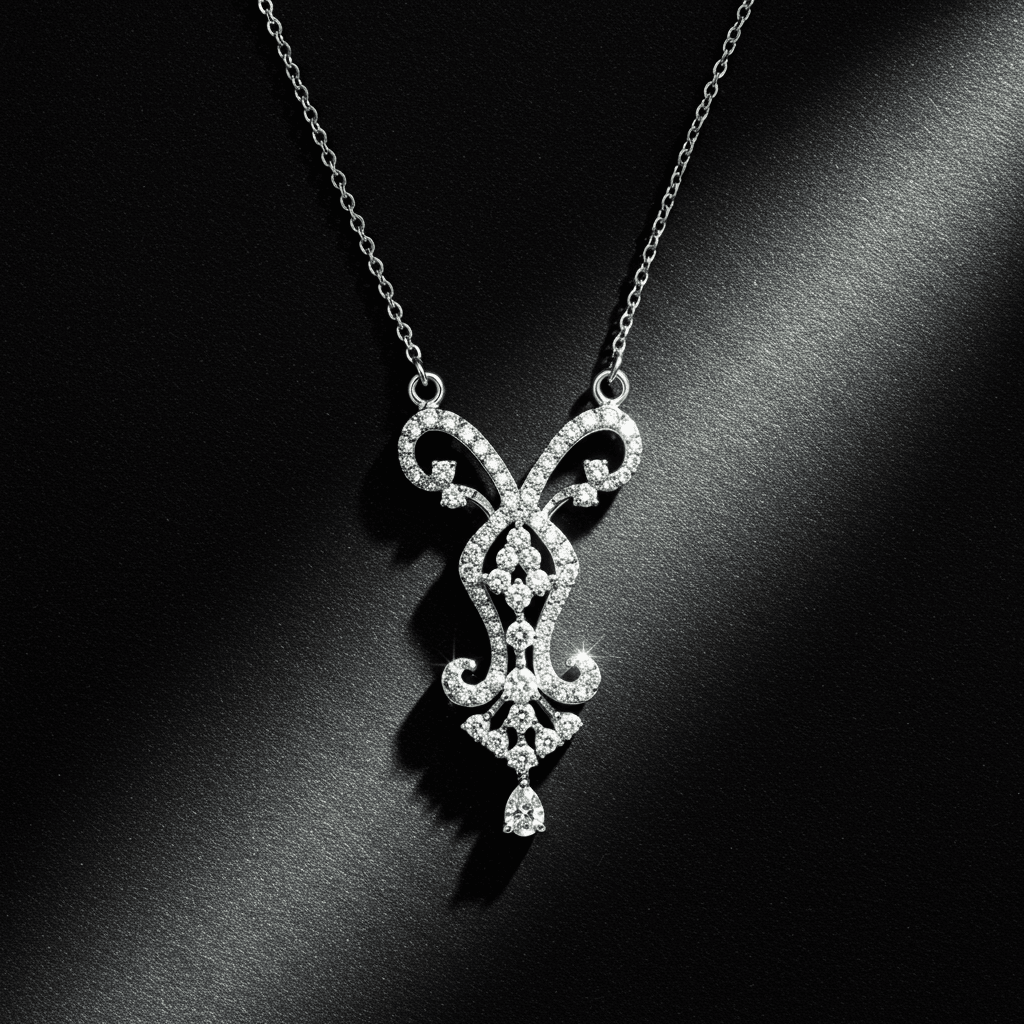
Smart Jewelry at the Intersection of Fashion and Technology
Explore the growing smart jewelry market where health sensors, NFC payments, safety features, and digital connectivity merge with fine jewelry aesthetics to create accessories that are both beautiful and functional.
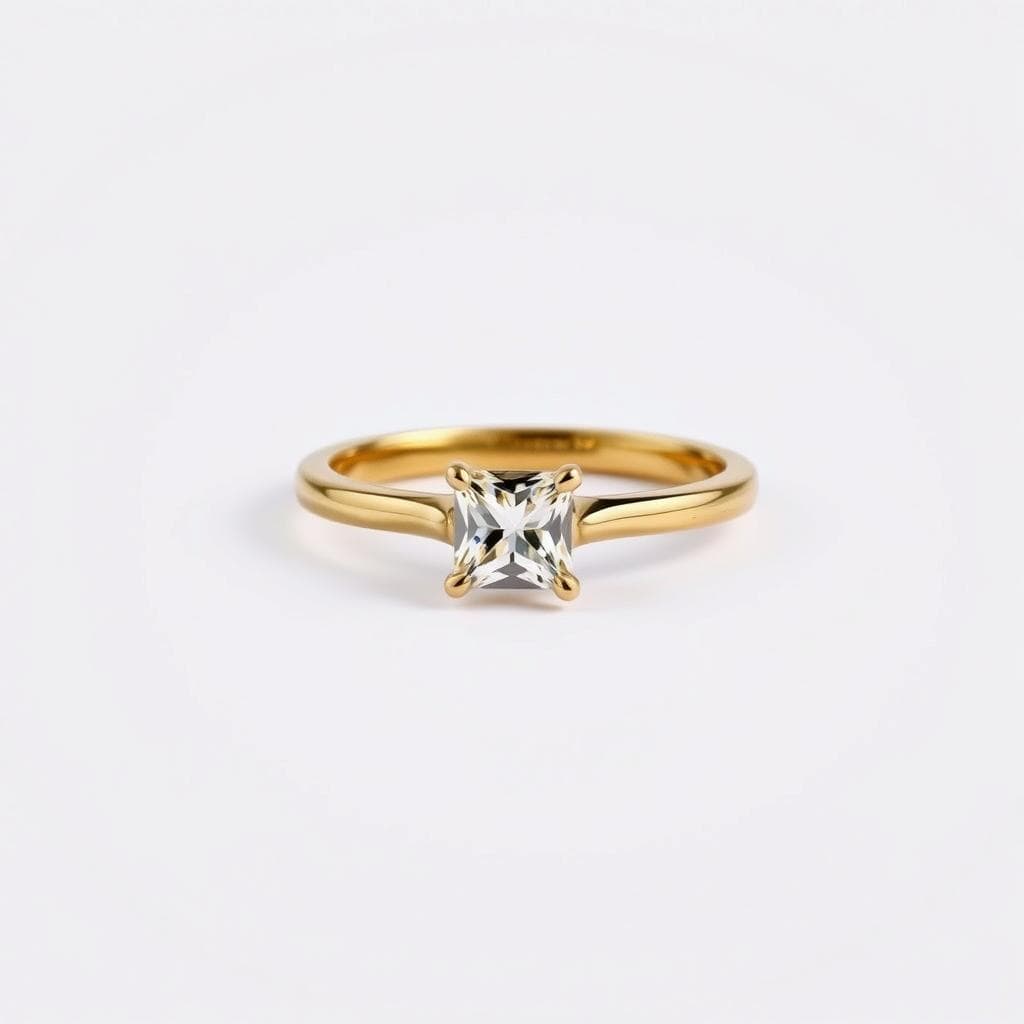
Smart jewelry represents one of the fastest-growing segments in both the jewelry and wearable technology markets, combining health monitoring, contactless payments, safety features, and digital connectivity with designs that prioritize fashion aesthetics, creating accessories that serve functional purposes without sacrificing the beauty that makes jewelry personally meaningful.
The Evolution of Wearable Technology
Early wearable technology prioritized function over form. Fitness bands and smartwatches looked like technology first and accessories second. While effective for health tracking, many consumers found them aesthetically unsuitable for professional settings, formal occasions, or everyday style.
Smart jewelry reverses this priority. Starting with beautiful design and integrating technology invisibly, these pieces satisfy the growing desire for wearable functionality without the "tech gadget" appearance. A smart ring looks like a fashion ring. A connected bracelet looks like fine jewelry. The technology enhances without dominating.
Current Smart Jewelry Categories
Health and Wellness Rings
Smart rings have emerged as the leading smart jewelry category. Worn on the finger where blood vessels are close to the surface, they provide accurate health data including heart rate, blood oxygen, body temperature, and sleep quality. Leading products achieve clinical-grade accuracy in a package weighing less than 10 grams.
Safety Jewelry
Pendants and bracelets with built-in safety features allow wearers to send emergency alerts through specific gestures or button presses. GPS tracking shares location with designated contacts. Some pieces include audio recording capabilities activated during emergencies.
Payment Accessories
NFC-enabled rings and bracelets allow contactless payments at retail terminals. These pieces function as wearable payment cards, requiring no battery for the payment function since they draw power from the payment terminal's electromagnetic field.
Connected Fashion
Pieces that interface with smartphones provide notification alerts through subtle vibrations, haptic patterns, or LED indicators. These accessories keep wearers connected without requiring constant phone checking.
| Category | Key Function | Fashion Integration | Price Range |
|---|---|---|---|
| Health rings | Biometric tracking | Titanium, ceramic bands | $200 to $500 |
| Safety pendants | Emergency alerts | Precious metal housing | $100 to $300 |
| Payment rings | Contactless payments | Metal band designs | $50 to $200 |
| Smart bracelets | Notifications, health | Fashion bracelet aesthetics | $150 to $400 |
Design Challenges
Creating jewelry that is simultaneously beautiful and functional requires solving several design tensions.
Size constraints demand that sensors, processors, batteries, and antennas fit within jewelry-scale dimensions. Ring bands must accommodate technology within 2 to 4mm profiles. Pendant housings must remain light enough for comfortable wear.
Material compatibility requires that technology components work within or alongside precious metals. Metal housings can interfere with wireless signals, requiring careful antenna design. Sensors must maintain skin contact through design elements that serve both aesthetic and functional purposes.
Durability expectations mean that smart jewelry must withstand the same conditions as traditional jewelry, including water exposure, physical impact, and temperature variations, while protecting sensitive electronics.
Aesthetic authenticity demands that technology integration remains invisible to casual observation. The most successful smart jewelry pieces pass the "would you know it is tech" test, looking indistinguishable from traditional pieces to uninformed observers.
Market Opportunity for Jewelry Designers
Smart jewelry creates new opportunities for designers who can bridge the fashion-technology divide. Understanding both jewelry design principles and technology integration requirements positions designers to lead in this growing category.
The market favors designers who think about wearability, proportions, and aesthetics within the constraints that technology components impose. This is a design challenge rather than purely a technology challenge, and jewelry designers bring essential expertise.
How Tashvi AI Supports Smart Jewelry Design
Tashvi AI helps designers visualize smart jewelry concepts by generating photorealistic renders that show how technology-housing designs will look as finished pieces. Before investing in technical prototyping, designers can explore how different form factors, materials, and proportions balance aesthetic appeal with functional requirements.
The platform's understanding of jewelry proportions and design principles helps ensure that smart jewelry concepts maintain the visual appeal that drives consumer adoption.
Try designing on Tashvi AI free
Looking Forward
Smart jewelry will continue evolving as sensors shrink, batteries improve, and wireless technologies advance. The category is moving from novelty to necessity for health-conscious, connected consumers who prefer discreet wearables. Jewelry designers and technology-forward brands that master the balance of beauty and function will lead this growing market segment.
Frequently Asked Questions
Quick answers to the questions readers ask most about this guide.
What makes jewelry 'smart'?
Smart jewelry integrates technology like sensors, wireless connectivity, and processing power into pieces that look like traditional fashion accessories. Functions range from health monitoring and contactless payments to safety alerts and smart home control.
Is smart jewelry fashionable enough to wear daily?
The latest generation of smart jewelry prioritizes aesthetics alongside technology. Leading brands create pieces in precious metals with gemstone accents that are virtually indistinguishable from traditional fine jewelry while hiding sensors and electronics within the design.
What health metrics can smart jewelry track?
Current smart jewelry tracks heart rate, blood oxygen levels, body temperature, sleep quality, stress indicators, and physical activity. Some pieces also monitor menstrual cycles, detect falls, and alert emergency contacts when unusual patterns are detected.
How much does smart jewelry cost?
Smart jewelry ranges from $50 for basic fashion-tech pieces to $500 or more for premium smart rings with comprehensive health tracking. Luxury smart jewelry with precious metals and gemstones can exceed $1,000.
What is the future of smart jewelry?
The future includes smaller, more powerful sensors, longer battery life, additional health metrics, deeper integration with smart ecosystems, and designs that are increasingly indistinguishable from traditional fine jewelry.