How to Tell If Gold Jewelry Is Real at Home
Test gold jewelry authenticity at home using simple methods like the magnet test, acid test, and hallmark inspection without expensive equipment.
You can test gold jewelry at home using a combination of simple methods including the magnet test, hallmark inspection, ceramic scratch test, and vinegar test. No single test is foolproof on its own, but layering several together gives you a reliable preliminary assessment of whether your gold is genuine.
Knowing how to verify gold authenticity matters more than ever. With gold prices continuing to climb and counterfeit jewelry becoming increasingly sophisticated, the ability to screen your own pieces saves time and protects your investment. Whether you inherited a family heirloom, purchased from an unfamiliar seller, or simply want peace of mind, these at-home tests offer a practical starting point before consulting a professional jeweler.
Gold counterfeiting has grown into a global concern, affecting everyone from casual shoppers to experienced collectors. The World Gold Council has reported rising incidents of sophisticated fakes entering secondary markets, pawn shops, and online resale platforms. With gold prices surpassing $5,000 per ounce in early 2026, the profit margin for counterfeiters has never been higher, and the sophistication of fakes has increased accordingly.
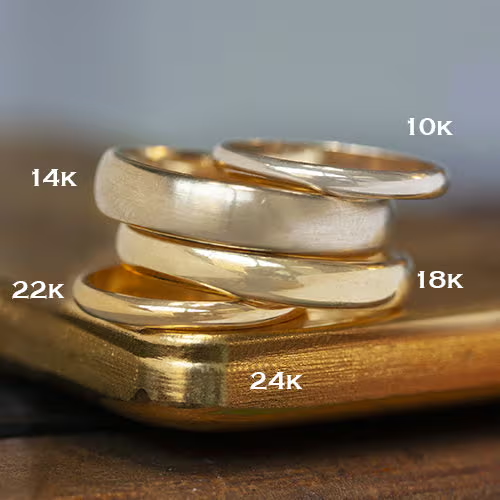
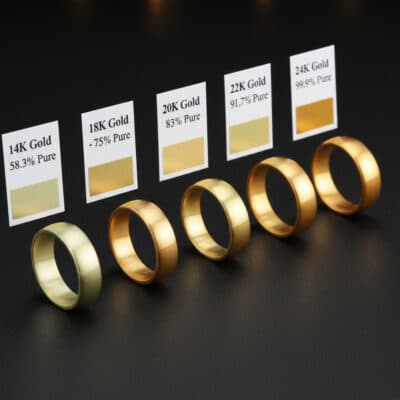
The financial stakes are significant. A genuine 14K gold ring contains 58.3% pure gold by weight, while a convincing fake might use brass or copper alloy with a thin gold electroplating that costs a fraction of the real thing. Understanding the different types of gold purity is the first step in recognizing what authentic gold should look and feel like.
Common Materials Used in Fake Gold
Counterfeiters rely on a handful of base metals and alloys that mimic gold's appearance. Brass, an alloy of copper and zinc, is the most common substitute because its yellow color closely resembles gold and it is cheap to produce. Copper alloys are another popular choice, often electroplated with a thin layer of real gold to pass visual inspection.
Tungsten is the most dangerous counterfeit material because its density of 19.25 g/cm3 is nearly identical to gold's 19.3 g/cm3. Sophisticated counterfeiters have been caught filling hollowed-out gold bars and jewelry with tungsten cores, then sealing them with a thin gold shell. These fakes can pass both weight and density tests, making them extremely difficult to detect without professional XRF equipment. Stainless steel and nickel are also used as base metals, particularly in cheaper costume jewelry marketed as gold.
Beyond money, authenticity affects your health. Some counterfeit gold pieces contain nickel, lead, or cadmium in their base metal alloys. Nickel is especially common in gold-plated fakes and affects roughly 10% to 20% of the population who have nickel sensitivity. These metals can cause skin reactions, allergic dermatitis, and in extreme cases, toxic exposure through prolonged skin contact. Real gold, especially at higher karat levels, is hypoallergenic and safe for everyday wear.
Visual Inspection and Hallmark Check
Before running any physical tests, examine the piece carefully with your eyes. Genuine gold has a consistent warm luster that does not appear overly shiny or mirror-like. Costume jewelry and gold-plated items often have an artificial brightness that real gold lacks.
Look for any areas where the color changes or where a different metal is visible underneath. Pay special attention to edges, clasps, hinge points, and areas that experience friction during regular wear. On gold-plated pieces, these high-wear zones are the first places where the thin gold layer rubs away, exposing the base metal beneath.
Check the overall weight of the piece by holding it in your palm. Gold is a dense metal with a specific gravity of 19.3 grams per cubic centimeter. A solid gold ring feels noticeably heavier than an identical ring made from brass, steel, or aluminum with gold plating. While you cannot measure specific gravity by hand, the difference in heft between real gold and common substitutes is often apparent.
Examine the piece under magnification if possible. A simple jeweler's loupe or even your phone camera on maximum zoom can reveal surface details. Real gold has a smooth, consistent surface texture. Plated items may show tiny bubbles, peeling edges, or inconsistencies in the coating that are invisible to the naked eye.
Reading the Stamps
Hallmark inspection is one of the most reliable preliminary checks you can perform. Legitimate gold jewelry sold through regulated channels carries stamps that indicate the metal's purity and origin. According to the Federal Trade Commission (FTC) guidelines on jewelry markings, gold items sold in the United States must carry accurate quality marks when marked at all.
The most frequent stamps you will encounter on gold jewelry include karat markings and their millesimal fineness equivalents.
| Karat Stamp | Millesimal Fineness | Gold Content |
|---|---|---|
| 10K or 417 | 41.7% pure gold | Entry-level solid gold |
| 14K or 585 | 58.3% pure gold | Most popular in the US |
| 18K or 750 | 75% pure gold | Premium jewelry standard |
| 22K or 916 | 91.6% pure gold | Traditional and cultural pieces |
| 24K or 999 | 99.9% pure gold | Pure gold, rare in jewelry |
Look for these stamps on the inner band of rings, near the clasp on necklaces and bracelets, or on the post of earrings. You can learn more about reading and interpreting these marks in our complete guide to hallmarks and purity stamps.
Stamps That Indicate Plating
If you see any of the following stamps, the piece is not solid gold. GP means gold plated, GF means gold filled, GEP means gold electroplated, HGE means heavy gold electroplate, and RGP means rolled gold plate. These items have real gold on the surface but a different base metal underneath. The gold layer on plated items is typically only 0.5 to 2.5 microns thick, which is why it wears through relatively quickly. Gold-filled items are considerably more durable, with a gold layer that must constitute at least 5% of the item's total weight by FTC standards.
The absence of any stamp does not necessarily mean the piece is fake. Antique jewelry, handmade artisan pieces, and items from certain countries may not carry standard hallmarks. However, legitimate modern jewelry from reputable retailers will almost always have proper markings.
The Magnet Test
The magnet test is the fastest and easiest home test for gold. You will need a strong neodymium magnet, ideally rated N52 grade, which provides the strongest pull force available in consumer magnets. These are sold at hardware stores and online for under $10. Standard refrigerator magnets are far too weak and will not provide reliable results even with ferromagnetic fakes.
Hold the magnet close to your gold jewelry. Real gold is not magnetic, so it should show no attraction to the magnet whatsoever. If the piece jumps toward the magnet or clings to it firmly, the item contains ferromagnetic metals like iron or steel and is almost certainly not genuine gold. A slight, weak attraction may indicate a clasp or finding made from a different metal, which is common even in legitimate gold chains and bracelets that use base-metal spring mechanisms.
Understanding the Limitations
The magnet test is excellent for catching obvious fakes but has a significant blind spot. Many non-magnetic metals can fool this test entirely. Copper, brass, aluminum, and some stainless steel alloys are all non-magnetic, meaning a piece made from these metals would pass the magnet test despite containing zero gold.
Think of the magnet test as a first-round screening tool. If a piece fails the magnet test, you can confidently set it aside. If it passes, you need additional tests to confirm authenticity. Never rely on the magnet test alone to declare a piece genuine.
The Ceramic Scratch Test and Skin Discoloration Test
The ceramic scratch test, also called the streak test, uses an unglazed ceramic surface to reveal the true color of a metal. Purchase an unglazed porcelain tile from a hardware store, or flip over a ceramic plate to use the unglazed bottom ring.
Press the gold item against the ceramic surface and drag it with moderate pressure for about an inch. Real gold leaves a gold-colored streak on the ceramic. Fake gold, pyrite, and most gold-plated items leave a dark gray or black streak instead.
How to Perform the Scratch Test Safely
Apply enough pressure to leave a visible mark without gouging the jewelry. You want a controlled, steady drag rather than a forceful scratch. This test will leave a small mark on the jewelry, so choose an inconspicuous area like the inside of a ring band or the back of a pendant.
Be aware that this test works best with higher karat gold. 18K and 24K gold leave distinctly golden streaks. 10K gold, which contains more alloy metals, may leave a slightly darker streak that can be harder to interpret. The scratch test also cannot distinguish between solid gold and thick gold plating, since both will leave a similar colored mark until the plating is worn through.
Using Skin Reactions as a Clue
Real gold does not react with skin chemistry under normal conditions. If wearing a piece of jewelry causes your skin to turn green, black, or develop an unusual discoloration, the item likely contains copper, nickel, or another reactive base metal.
Wear the piece in question for several hours during normal activity. Choose a warm day or a period when you expect to perspire, since sweat accelerates chemical reactions between skin and metal. After removing the jewelry, check the skin underneath and the surrounding area for any color change.
Green discoloration is the most common sign of fake gold, caused by copper in the base metal reacting with moisture and salt in perspiration. Black marks may indicate silver alloys, while redness or itching suggests nickel content.
Certain legitimate gold alloys can cause minor skin reactions in sensitive individuals. Rose gold contains a higher copper percentage to achieve its pink hue, and some people experience faint green marks from genuine rose gold pieces. Similarly, 10K gold has a relatively high alloy content that may react with acidic skin chemistry in rare cases. Cosmetics, lotions, and perfumes can also cause discoloration that mimics a fake gold reaction, so remove all skincare products from the test area before relying on this method.
The Vinegar Test and Float Test
White vinegar provides a simple chemical test for gold authenticity. Gold is a noble metal, meaning it resists oxidation and does not react with most acids, including acetic acid found in household vinegar.
Place your jewelry in a small glass bowl and pour enough white vinegar to fully submerge the piece. Let it sit for 15 to 20 minutes, then remove and rinse with water. Genuine gold will look exactly the same as before, with no color change, discoloration, or surface damage.
Fake gold and base metals will react visibly. You may see the liquid change color, the piece turn green or dark, or a dull film develop on the surface. Brass items will often fizz slightly in vinegar, while copper-based fakes develop a green patina.
The vinegar test is safe for solid gold pieces but can damage gold-plated jewelry. The acetic acid may seep under the plating through microscopic gaps, causing the base metal to corrode and the plating to lift or discolor. If you suspect a piece might be plated, skip this test or limit the exposure time to under five minutes.
Also note that the vinegar test cannot determine the karat of genuine gold. A 10K piece and a 24K piece will both pass this test without any visible reaction. For karat verification, you need either acid testing with karat-specific solutions or professional electronic testing.
Using Water Density for Verification
Gold's exceptional density makes the float test a useful quick check. Fill a tall glass or measuring cup with water and gently drop the jewelry in. Solid gold is extremely dense and will sink immediately to the bottom without hesitation.
Fake gold made from lighter metals will sink more slowly, float near the surface, or hover somewhere in the middle of the container. Hollow pieces present a complication here, since even genuine gold items that are hollow will behave differently than solid pieces of the same size.
For a more precise version of this test, you can calculate the item's density at home. Weigh the piece on a kitchen scale accurate to at least 0.1 grams. Then measure the water displacement by noting the water level in a graduated cylinder before and after submerging the piece. Divide the weight by the volume displaced to get the density.
| Gold Purity | Expected Density (g/cm3) |
|---|---|
| 24K | 19.3 |
| 22K | 17.7 to 18.5 |
| 18K | 15.2 to 15.9 |
| 14K | 12.9 to 14.6 |
| 10K | 11.3 to 12.0 |
If your calculated density falls within the expected range for the stamped karat, the piece is likely genuine. Significant deviations suggest the item is either mislabeled or counterfeit. One important caveat is that tungsten, with a density of 19.25 g/cm3, falls within the range for 24K gold. If you suspect a high-end counterfeit involving tungsten, density testing alone will not catch it, and you will need professional XRF or ultrasound verification.
The Acid Test
Acid testing is the most accurate home method for verifying gold and determining its karat. Gold testing kits from brands like JSP, PuriTEST, and RS Mizar are widely available online and at jewelry supply stores. A basic kit with acid solutions for 10K, 14K, 18K, and 24K gold plus a touchstone typically costs between $15 and $40. JSP acids, manufactured in the USA since 1983, are considered the professional standard. Each half-ounce bottle provides hundreds of individual tests, making acid kits one of the most cost-effective testing investments available.
How Acid Testing Works
Each acid solution in the kit is formulated to dissolve metals below a specific karat threshold while leaving higher-purity gold intact. The 14K testing acid, for example, will dissolve 10K gold but leave 14K and higher karats unaffected. By testing with progressively stronger acids, you can pinpoint the approximate karat of your piece.
To perform the test, rub the jewelry against the included touchstone to leave a visible streak of metal. Apply a drop of the lowest karat acid to the streak and observe the reaction. If the streak remains visible and unchanged, the gold meets or exceeds that karat level. If the streak dissolves, fades, or changes color, the gold is below that karat level.
Safety and Precautions
The acids in gold testing kits are corrosive, typically containing nitric acid and hydrochloric acid in various concentrations. Always wear protective gloves and safety glasses when handling these solutions. Work in a well-ventilated area and keep the acids away from children, pets, and food preparation surfaces.
Acid testing is a destructive method. The touchstone scratch and acid application will remove a small amount of material from the jewelry. On a large ring or bracelet, this is negligible. On delicate pieces, thin chains, or items with sentimental value, the damage may be unacceptable. Consider whether the test is worth the minor cosmetic impact before proceeding.
Understanding the real cost involved in making gold jewelry helps put the value of proper testing in perspective. When a piece represents a significant investment, the small cost of an acid testing kit is well justified.
Comparing All Home Tests at a Glance
Not every test suits every situation. The following table summarizes each method's strengths and weaknesses to help you choose the right combination for your needs.
| Test Method | Difficulty | Accuracy | Risk to Jewelry | Best For |
|---|---|---|---|---|
| Visual Inspection | Easy | Low to Moderate | None | Initial screening |
| Hallmark Check | Easy | Moderate to High | None | Modern retail jewelry |
| Magnet Test | Easy | Low | None | Catching obvious fakes |
| Ceramic Scratch | Easy | Moderate | Minor scratch mark | Quick secondary check |
| Vinegar Test | Easy | Moderate | Possible plating damage | Solid gold confirmation |
| Skin Test | Easy | Low | None | Long-term wear screening |
| Float and Density | Moderate | Moderate to High | None | Scientific verification |
| Acid Test | Advanced | High | Minor material loss | Karat determination |
For the most reliable results, combine at least three different methods. Start with the non-destructive tests like visual inspection, hallmark check, and the magnet test. If those results are promising, proceed to the ceramic scratch or vinegar test for additional confirmation.
When to Seek Professional Testing
Home tests are valuable screening tools, but certain situations call for professional verification. If you are buying or selling gold worth more than a few hundred dollars, considering a piece for jewelry insurance coverage, or evaluating inherited jewelry of unknown origin, professional testing provides the certainty that home methods cannot.
Professional Methods Worth Knowing About
Jewelers and assay offices use several advanced techniques that far exceed what is possible at home. X-ray fluorescence (XRF) analysis is the current industry standard. The device directs X-rays at the piece and measures the fluorescent response of the metal atoms, providing a precise breakdown of every element present without any damage to the jewelry. Having a jeweler perform an XRF purity test on a single item typically costs between $25 and $100, while a full written appraisal with documentation runs $75 to $350 per piece depending on complexity. Many local jewelers offer basic gold verification for free or at minimal cost if you are a regular customer.
Fire assay, sometimes called cupellation, is the oldest and most definitive test. A small sample is melted with lead and refined until only the precious metal remains. The Gemological Institute of America (GIA recognizes fire assay as the most accurate method of determining gold purity, though it is destructive and typically reserved for bullion and industrial applications.
Electronic gold testers use electrical conductivity or resistivity to estimate purity and are available for consumer purchase. The Sigma Metalytics Precious Metal Verifier, priced around $700 to $1,000 for the basic set, is considered the gold standard among electronic testers and can authenticate a sample in under one second. It penetrates 2 mm or more into the metal, detecting plated fakes that fool surface-only tests. The Kee Gold Tester is a more affordable alternative designed specifically for jewelry rather than bullion. Budget electronic testers start around $100 to $200, though their accuracy is noticeably lower. These devices work best as a complement to other methods rather than a standalone solution, since certain alloys and heavy plating can still produce misleading readings.
Common Myths to Avoid
Several widely shared gold testing tips circulate online that are either unreliable or completely false. Knowing which advice to ignore is just as important as knowing which tests to trust.
The "bite test" is perhaps the most famous myth. The idea that biting gold reveals its softness has roots in historical gold rush lore, but it is impractical and potentially harmful. Biting hard enough to dent gold would damage your teeth, and modern counterfeiters can easily produce soft alloys that mimic gold's malleability.
The "smell test" claims that real gold has no odor while fake gold smells metallic. While it is true that pure gold has no scent, most gold jewelry contains alloy metals that may carry a faint metallic smell regardless of authenticity. This test is far too subjective to provide any useful information.
The "ice test" suggests placing gold on an ice cube to see if it melts faster than normal. Gold does conduct heat well, but so do copper, aluminum, and many other metals used in counterfeit jewelry. This test cannot distinguish between gold and its common substitutes.
Protecting Your Gold Jewelry Investment
Once you have confirmed that your gold is genuine, proper care becomes the next priority. Gold is durable but not indestructible, and even authentic pieces need attention to maintain their beauty and value over time. Our jewelry care and maintenance guide covers everything from daily cleaning routines to long-term storage practices.
Keep detailed records of your gold jewelry, including purchase receipts, appraisal documents, photographs, and the results of any testing you perform. These records prove invaluable if you ever need to file an insurance claim, sell a piece, or pass it down to the next generation.
Store gold pieces separately from other jewelry to prevent scratching. Gold is softer than many metals and gemstones, especially at higher karat levels, and contact with harder materials can leave surface marks over time. Individual soft pouches or lined compartments in a jewelry box work well for this purpose.
Have valuable gold pieces professionally appraised every three to five years. Gold market prices fluctuate, and an outdated appraisal may leave you underinsured or misinformed about your collection's current worth. A certified appraiser will also catch any damage or wear that might affect the piece's value.
Testing gold at home is a practical skill that every jewelry owner should develop. By combining multiple methods and understanding each test's limitations, you can screen your collection with reasonable confidence before seeking professional confirmation for high-value pieces. Start with the non-destructive approaches, specifically the visual inspection, hallmark check, and magnet test, and work your way up to chemical tests only when necessary.
Document your findings and keep them alongside your other jewelry records. For pieces that hold significant financial or sentimental value, invest in professional XRF testing to get a definitive answer. The knowledge you build through home testing also makes you a smarter buyer. When you understand what real gold looks, feels, and behaves like, you are far less likely to fall for counterfeit pieces in the marketplace. That awareness, combined with buying from reputable sources and verifying hallmarks at the point of sale, is the best protection available against gold fraud.
Design Custom Gold Jewelry with Tashvi AI
Now that you know how to verify real gold, why not design your own? Tashvi AI lets you create custom gold ring, necklace, and bracelet designs in seconds using AI. Visualize your piece in 10K, 14K, 18K, or 24K gold before committing to production. No CAD skills needed.
Frequently Asked Questions
Quick answers to the questions readers ask most about this guide.
Can a magnet test tell if gold is real
A magnet test can identify obvious fakes because pure gold is not magnetic. If your jewelry sticks firmly to a strong magnet, it likely contains iron or steel and is not real gold. However, some counterfeit pieces use non-magnetic metals, so passing the magnet test alone does not confirm authenticity.
Does real gold leave a mark on ceramic
Yes. When you rub real gold across an unglazed ceramic plate, it leaves a gold-colored streak. Fake gold or gold-plated items typically leave a dark or black mark instead. Use a piece of unglazed porcelain tile for this test, and apply moderate pressure without scratching the jewelry.
How accurate are home gold testing methods
Home tests provide useful preliminary screening but are not definitive. The magnet test catches obvious fakes. The ceramic scratch test is moderately reliable. Acid testing kits available online offer better accuracy but can damage the piece. For valuable items, professional XRF testing at a jeweler is recommended.
What is the vinegar test for gold
Place the jewelry in white vinegar for 15 minutes. Real gold will not change color or react with the vinegar. Fake gold or base metals will discolor, turn green, or develop a dull surface. This test is safe for solid gold but may damage gold-plated items by stripping the thin gold layer.
How can I tell gold plated from solid gold
Look for stamps like GP, GF, GEP, or HGE which indicate gold plating or filling. Check edges and clasps for wear-through showing a different colored base metal underneath. Solid gold pieces feel heavier than plated equivalents and maintain consistent color across all surfaces including hidden areas.