Virtual Reality Showrooms for High-End Jewelry Brands
Explore how luxury jewelry brands are using virtual reality showrooms to create immersive shopping experiences, showcase collections globally, and provide exclusive access to high-value pieces without physical store limitations.
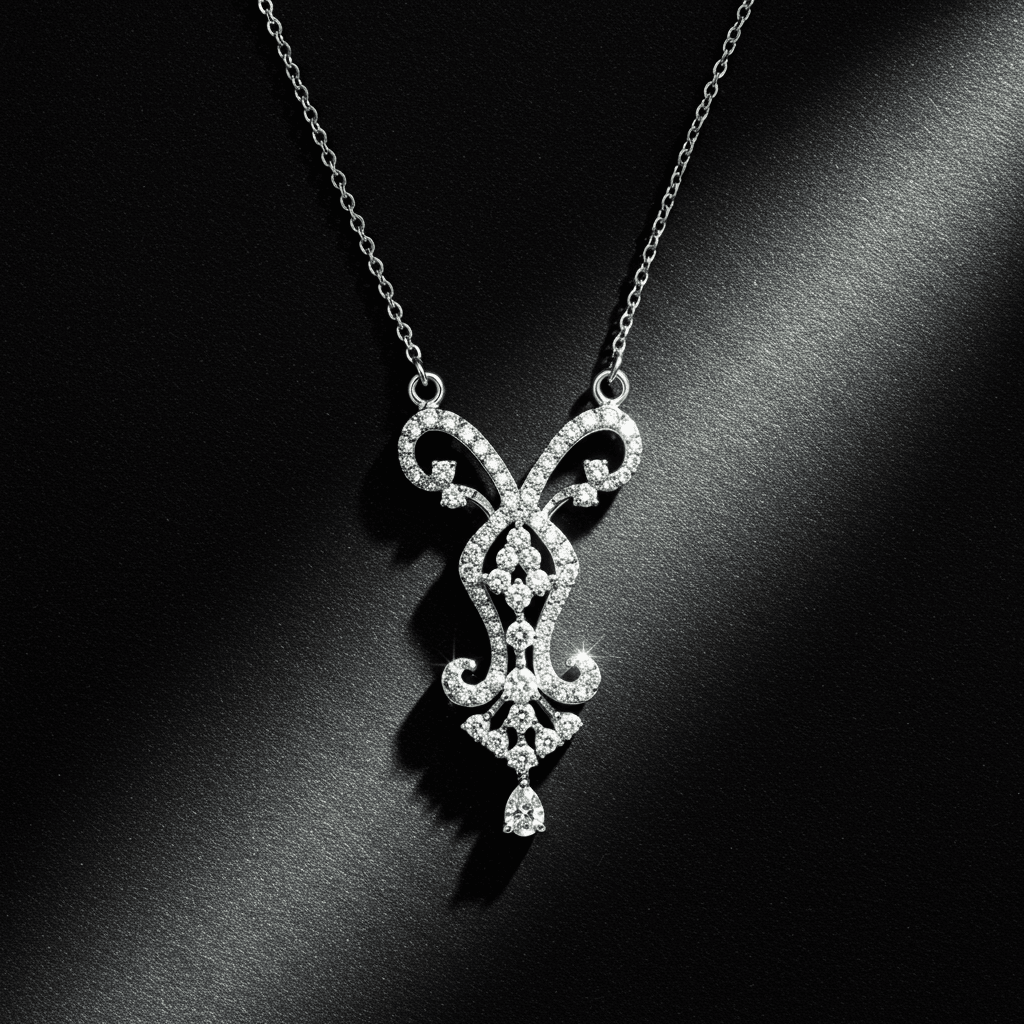
Virtual reality showrooms allow luxury jewelry brands to showcase their complete collections in immersive digital environments that customers can visit from anywhere in the world, extending the exclusive showroom experience beyond physical locations while creating engagement that is 30 to 50 percent longer than traditional website browsing.
Why Luxury Jewelry Needs VR
High-end jewelry purchases are deeply experiential. Customers do not simply buy a product. They invest in an emotional experience that includes examining craftsmanship, appreciating scale and proportion, and feeling the prestige of the brand environment. Traditional e-commerce captures only a fraction of this experience through flat product photography.
VR showrooms recreate the immersive qualities of luxury retail in digital space. Customers walk through elegantly designed environments, approach display cases, examine pieces at any angle and magnification, and experience the brand's aesthetic vision in ways that photographs and videos cannot match.
For brands whose physical showrooms are limited to a few global locations, VR dramatically expands the audience that can experience their full presentation, bringing the showroom to the customer rather than requiring the customer to travel.
The VR Showroom Experience
Environment Design
The virtual environment sets the emotional tone for the shopping experience. Leading jewelry VR showrooms feature architecturally striking spaces with lighting designed to showcase jewelry at its best. Materials, textures, and ambient sound create the atmosphere of an exclusive boutique.
Some brands recreate their flagship stores digitally, allowing virtual visitors to experience the same environment as in-person clients — an early form of the broader metaverse shopping concept. Others create entirely new spaces that would be impractical or impossible in physical retail, such as showrooms suspended above cityscapes or within crystalline caverns.
Piece Interaction
Within the VR environment, customers interact with jewelry naturally. Pieces can be picked up from display cases, rotated in hand, and examined under different lighting conditions. Zoom functionality allows close inspection of setting details, stone quality, and finishing that rivals examining a piece with a jeweler's loupe.
Virtual Try-On
VR try-on extends beyond what AR offers by placing the customer in a complete virtual environment with virtual mirrors, controlled lighting, and the ability to see how pieces look from angles impossible with a smartphone camera.
Guided Experiences
Brand ambassadors or AI-powered guides can accompany customers through virtual showrooms, providing the personalized attention that characterizes luxury retail. These guides share collection stories, explain design philosophies, and help customers navigate options based on their preferences.
Business Impact
Extended Reach
| Physical Showroom | VR Showroom |
|---|---|
| Limited to store hours | Available 24/7 |
| One geographic location | Global access |
| Capacity limited by space | Unlimited concurrent visitors |
| Seasonal collection rotations | Entire catalog available always |
| Staff scheduling constraints | Guided experiences on demand |
Customer Engagement
VR visitors demonstrate significantly higher engagement than traditional website browsers. Average session times of 8 to 15 minutes compare favorably to 2 to 3 minutes on conventional product pages. This extended engagement translates to deeper brand connection and higher purchase intent.
Pre-Visit Preparation
Many luxury jewelers use VR showrooms as a pre-visit tool. Customers explore collections virtually, identify pieces of interest, and arrive at physical appointments already informed and focused. This makes in-person consultations more productive and increases the likelihood of purchase.
Implementation Approaches
Standalone VR Application
A dedicated VR application provides the highest quality experience with full immersion, spatial audio, and optimized performance. This approach suits brands investing in VR as a core channel and targeting customers who own VR headsets.
WebVR and Browser-Based
Browser-based VR reaches the widest audience without requiring app downloads or specialized hardware. Quality is lower than standalone apps but accessibility is maximized. Most brands benefit from offering this option alongside more immersive alternatives.
Hybrid Physical-Digital
Some brands install VR stations within their physical stores, allowing customers to explore collections not physically present in that location. This extends each store's effective inventory while maintaining the in-person shopping experience. Digital and physical retail integration creates the most compelling customer journey.
Creating VR-Ready Jewelry Assets
The foundation of any VR showroom is high-quality 3D models of every piece. These models must include accurate material properties, proper gemstone optics, and sufficient detail to withstand close inspection in VR.
Creating these assets traditionally requires professional 3D scanning or painstaking manual modeling. AI visualization tools are accelerating this process by generating photorealistic representations that serve as references for 3D modelers, reducing asset creation time and cost.
How Tashvi AI Supports VR Content Creation
Tashvi AI generates the high-quality visual references that VR content creators need to model jewelry accurately. Rather than photographing every piece from dozens of angles or investing in 3D scanning equipment, designers use Tashvi AI to create comprehensive visual documentation that captures material properties, proportions, and details from any angle needed.
This accelerates VR showroom development by providing the reference material that 3D artists need to create accurate virtual representations, making VR accessible to brands of all sizes rather than only those with six-figure digitization budgets.
Try designing on Tashvi AI free
Looking Forward
As VR hardware becomes more affordable and widespread, virtual showrooms will transition from innovative differentiators to expected brand touchpoints. The jewelry brands building VR capabilities today are investing in infrastructure that will define the future of jewelry retail for years to come.
The convergence of VR showrooms, AR try-on, and AI-powered personalization points toward a future where the boundary between physical and digital jewelry shopping dissolves entirely, creating seamless experiences that combine the best of both worlds.
Frequently Asked Questions
Quick answers to the questions readers ask most about this guide.
What is a VR jewelry showroom?
A VR jewelry showroom is a fully immersive digital environment where customers explore and examine jewelry collections using VR headsets or high-end displays. Pieces appear life-size with accurate materials, and customers can pick up, rotate, and virtually try on items.
How much does it cost to create a VR jewelry showroom?
Basic VR showroom experiences start around $10,000 to $30,000. Premium experiences with custom environments, full collection digitization, and ongoing content updates range from $50,000 to $200,000. The investment is comparable to a physical showroom buildout but reaches global audiences.
Do customers need expensive VR headsets to visit virtual showrooms?
While dedicated VR headsets provide the most immersive experience, many virtual showrooms also work through web browsers and mobile devices with reduced immersion. Brands typically offer multiple access points to maximize reach across different technology comfort levels.
Are VR jewelry showrooms effective for selling high-value pieces?
Yes. Luxury brands report that VR showroom visitors spend 30 to 50 percent more time examining pieces than website visitors, and conversion rates for high-value items are 15 to 25 percent higher when VR experiences are part of the sales process.
Can VR replace physical jewelry stores?
VR complements rather than replaces physical retail. It extends reach to customers who cannot visit stores, provides 24/7 access to collections, and enables pre-visit browsing that makes in-store appointments more productive. The tactile experience of physical jewelry remains irreplaceable for many buyers.