Why Jewelry Designers Are Switching to AI-First Workflows
Jewelry designers worldwide are embracing AI-first workflows to accelerate concept development, reduce costs, and unlock limitless creative possibilities. Discover why the shift to platforms like Tashvi AI is redefining modern jewelry design.
Jewelry designers are switching to AI-first workflows because platforms like Tashvi AI allow them to generate dozens of polished concepts in minutes, dramatically reducing ideation time while expanding creative possibilities. This shift from pencil-first to prompt-first is transforming how modern jewelry collections are conceived, refined, and brought to market.
The jewelry industry has always been driven by craftsmanship and tradition. For centuries, a new design began with a pencil sketch, moved through wax carving or CAD modeling, and eventually reached the jeweler's bench. While these skills remain essential, the front end of the design process is undergoing a radical transformation. Designers who once spent days sketching initial concepts are now generating hundreds of variations in a single afternoon using AI-powered design tools.
The Traditional Workflow Is Showing Its Limits
Traditional jewelry design follows a linear path. A designer receives a brief, sketches concepts by hand, refines the chosen direction, builds a CAD model, creates a wax prototype, and finally produces the finished piece. Each step is sequential, and moving backward is expensive.
The bottleneck has always been the ideation phase. Hand-sketching is slow, and even skilled illustrators can only produce a handful of polished concepts per day. When a client rejects all initial sketches, the designer goes back to square one, losing valuable time and creative energy.
This linear approach also limits creative exploration. Designers tend to stay within familiar territory because venturing into unknown aesthetic directions feels risky when each concept requires hours of manual work. The result is a natural but unfortunate narrowing of creative possibility.
What an AI-First Workflow Looks Like
An AI-first workflow flips the traditional sequence. Instead of starting with a pencil, designers start with Tashvi AI. The process looks something like this.
The designer receives a brief from a client or develops a collection theme. They translate that brief into descriptive prompts on Tashvi AI, generating 20 to 50 initial concept images in under an hour. They curate the strongest directions, refine them with more specific prompts, and then move their top selections into CAD software or hand-rendering for technical development.
This approach does not eliminate traditional skills. It front-loads exploration so that when a designer sits down at the CAD station or the bench, they already know exactly what they are building. The ambiguity and false starts that plague early-stage design simply disappear.
Five Reasons Designers Are Making the Switch
1. Speed That Changes Everything
The most obvious advantage is speed. What previously required three to five days of sketching now takes 30 minutes to two hours on Tashvi AI. This is not about cutting corners. It is about removing friction from the creative process so designers can spend their time where it matters most.
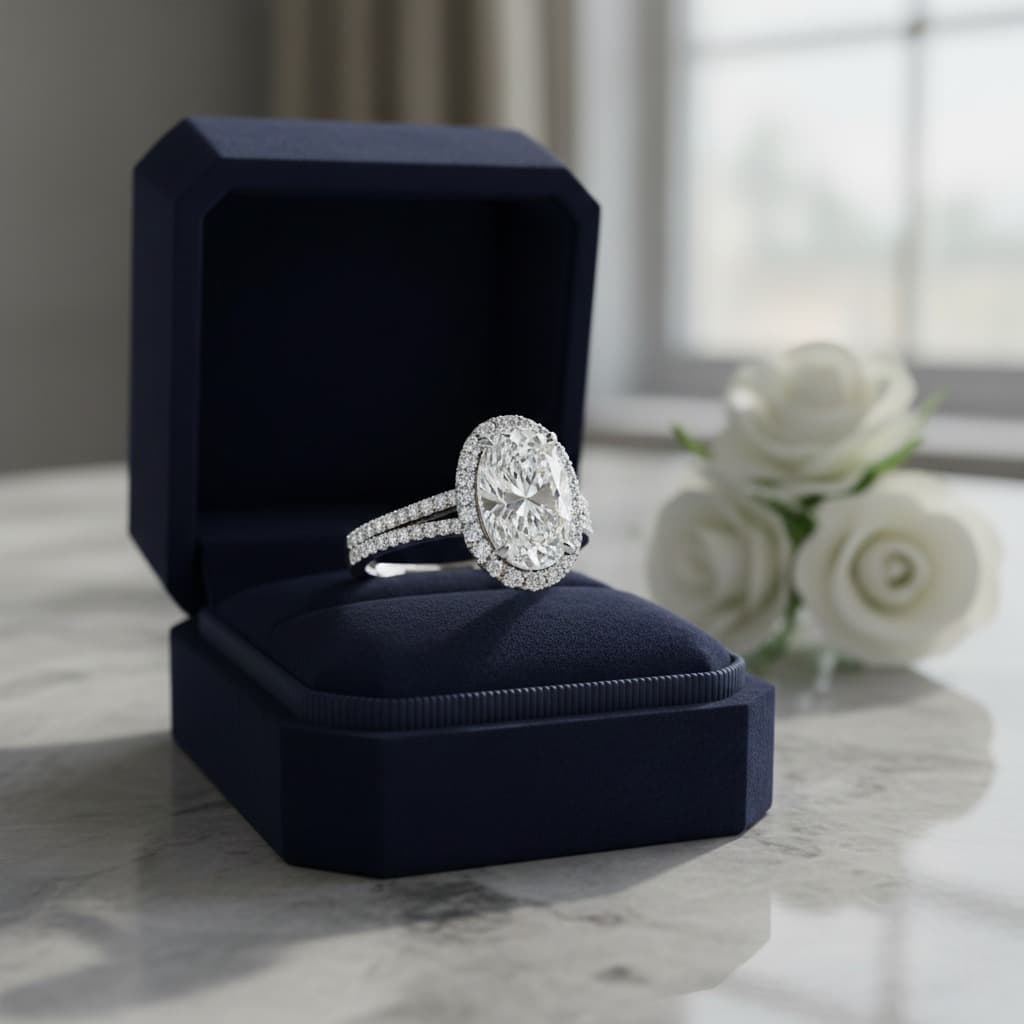
Consider a custom engagement ring request. A client wants a vintage-inspired setting with a modern twist. Traditionally, a designer might sketch four to six options over two days. With Tashvi AI, that same designer can generate 30 variations in an hour, covering art deco, Victorian, Edwardian, and mid-century directions. The client sees more options, makes a faster decision, and the project moves forward with confidence.
2. Creative Exploration Without Risk
When every concept costs hours of labor, designers naturally play it safe. AI-first workflows eliminate this creative tax. Because generating a new direction costs almost nothing in time or effort, designers are free to experiment wildly.
Many Tashvi AI users report that their best designs come from unexpected prompts. A designer exploring art deco styles might stumble into a brutalist-meets-baroque direction they never would have attempted manually. This kind of serendipitous discovery is one of the most powerful benefits of AI-first design.
3. Better Client Communication
Showing a client a rough pencil sketch and asking them to imagine the finished piece has always been challenging. AI-generated concepts from Tashvi AI are visually rich and detailed, making it far easier for clients to understand and respond to design directions.
This visual clarity transforms client consultations. Instead of vague feedback like "make it more elegant," clients can point to specific elements they love or want changed. The result is fewer revision cycles and higher satisfaction on both sides of the relationship.
4. Competitive Advantage for Small Studios
Large jewelry houses have always had an advantage in design capacity. With teams of illustrators and CAD specialists, they can explore more directions and present more polished concepts than a solo designer ever could.
AI-first workflows level this playing field dramatically. A single designer armed with Tashvi AI can match the concept output of a five-person team. Independent jewelers who adopt AI-first workflows report winning clients they previously could not compete for, simply because they can now present more options with faster turnaround.
5. Documentation and Portfolio Building
Every AI-generated concept is automatically saved and organized. This creates a growing library of design exploration that serves multiple purposes. Designers can reference past explorations for new projects, build impressive portfolios of concept work, and demonstrate their creative range to prospective clients.
How Tashvi AI Specifically Enables AI-First Workflows
Not all AI tools are created equal for jewelry design. General-purpose image generators often struggle with the specific requirements of jewelry visualization, from accurate gemstone rendering to proper metal reflections and realistic scale. Tashvi AI was built specifically for jewelry designers, and this specialization makes a meaningful difference.
Jewelry-Specific Understanding
Tashvi AI understands jewelry terminology natively. When you describe a "cathedral setting with milgrain detail and a split shank," the platform knows exactly what you mean. General AI tools often misinterpret these technical terms, producing results that look impressive but are technically inaccurate.
Guided Design Mode
For designers who are new to AI workflows, Tashvi AI offers a guided design experience that walks through key design decisions step by step. This structured approach helps traditional designers transition to AI-first thinking without feeling overwhelmed by open-ended prompting.
Style Consistency Across Collections
When designing a collection, visual consistency matters. Tashvi AI allows designers to establish a style direction and then generate multiple pieces that share a cohesive aesthetic. This is essential for collection planning and ensures that individual pieces feel like they belong together.
Overcoming the Transition
Switching to an AI-first workflow is not without challenges. Many designers initially feel uncomfortable starting with AI rather than their own sketches. Some worry about losing their personal design voice or becoming dependent on technology.
These concerns are valid but largely resolved through practice. Most designers find that after two to three weeks of consistent AI-first work, the platform becomes a natural extension of their creative process rather than a replacement for it. The key is to approach AI as a collaborator, not a crutch.
Practical Steps for Transitioning
Start by using Tashvi AI for one project while maintaining your traditional workflow for others. Compare the results, the time spent, and the client response. Most designers who run this experiment find that the AI-first project delivers better outcomes with less effort.
Next, develop your prompting skills. Like any tool, Tashvi AI rewards expertise. Designers who invest time in learning prompt engineering for jewelry design consistently get better results than those who use generic descriptions.
Finally, integrate AI output into your existing tools. Tashvi AI concepts can be imported into CAD software as visual references, shared with clients through standard presentation formats, and archived alongside hand-drawn sketches in your design library.
The Numbers Behind the Shift
Designers who have adopted AI-first workflows report measurable improvements across their practice.
| Metric | Traditional Workflow | AI-First Workflow |
|---|---|---|
| Concepts per project | 4 to 8 | 30 to 60 |
| Ideation time | 2 to 5 days | 1 to 3 hours |
| Client approval rate (first round) | 40% | 75% |
| Revenue per designer per month | Baseline | 30% to 50% higher |
These numbers reflect the compounding benefits of speed, variety, and visual quality. When designers can show more options faster, clients decide faster, projects close sooner, and designers can take on more work.
What the Future Holds
The shift to AI-first workflows is still in its early stages. As platforms like Tashvi AI continue to evolve, the integration between AI-generated concepts and downstream production tools will become seamless. Imagine generating a concept in Tashvi AI, automatically converting it to a 3D model, and sending it directly to a printer, all within a single workflow.
This future is not distant. It is being built right now, and designers who adopt AI-first workflows today will be best positioned to take advantage of these advances as they arrive.
Making the Switch
The transition to an AI-first workflow does not require abandoning everything you know about jewelry design. It means adding a powerful new tool to the front of your process, one that amplifies your creativity rather than constraining it. Whether you design engagement rings, statement necklaces, or everyday pieces, the principles are the same. Start with AI, explore broadly, refine intentionally, and bring your best ideas to life with the skills you have spent years developing.
Try designing on Tashvi AI free and experience firsthand why thousands of jewelry designers are making the switch to AI-first workflows.
Frequently Asked Questions
Quick answers to the questions readers ask most about this guide.
What does an AI-first workflow mean for jewelry designers?
An AI-first workflow means starting every design project with AI-generated concepts before moving to traditional tools. Instead of hand-sketching initial ideas, designers use Tashvi AI to rapidly explore dozens of directions, then refine their favorites using CAD or manual techniques.
Will AI replace traditional jewelry design skills?
Not at all. AI-first workflows complement traditional skills rather than replacing them. Designers still need their trained eye, craftsmanship knowledge, and understanding of materials. AI simply accelerates the ideation phase and opens up creative directions that might never have been explored manually.
How much faster is an AI-first workflow compared to traditional methods?
Most designers report a 5x to 10x speed improvement in the concept phase. What previously took days of sketching and revision can now happen in minutes on Tashvi AI, freeing designers to spend more time on refinement, client interaction, and production.
Do clients accept designs that started with AI?
Absolutely. Clients care about the final result, not the tools used to get there. In fact, many clients prefer AI-assisted workflows because they get to see more options faster and feel more involved in the creative process through rapid iteration.
Can small independent jewelers benefit from AI-first workflows?
Independent jewelers often benefit the most. Without large design teams, solo designers can use Tashvi AI to compete with bigger studios by generating professional-quality concepts at a fraction of the time and cost.