AI Jewelry Rendering vs Traditional Photography
Compare AI jewelry rendering with traditional photography to understand cost differences, quality outcomes, and workflow efficiency for jewelry brands looking to create stunning product visuals in 2026.
AI jewelry rendering offers brands a faster, more affordable alternative to traditional product photography, producing photorealistic images in minutes rather than days while reducing costs by 60 to 80 percent. This technology is transforming how jewelry businesses create visual content for e-commerce, social media, and marketing campaigns across every price point.
The Traditional Photography Workflow
Professional jewelry photography has long been the gold standard for product imagery. A typical shoot involves hiring a photographer, renting studio space, arranging lighting setups designed specifically for reflective surfaces, and spending hours capturing each piece from multiple angles. The process demands specialized macro lenses, diffused lighting rigs, and careful post-production editing to remove imperfections and enhance sparkle.
For a mid-sized jewelry brand photographing a 30-piece collection, the traditional workflow can stretch across two to three weeks from planning to final delivery. Costs often range from $100 to $500 per image when factoring in photographer fees, studio rental, model booking, props, and retouching. A full seasonal catalog can easily run $5,000 to $15,000 before a single image reaches social media.
The challenges multiply for brands working with custom or made-to-order pieces. You cannot photograph jewelry that does not yet exist, forcing designers to create physical samples before generating marketing imagery.
How AI Rendering Changes the Equation
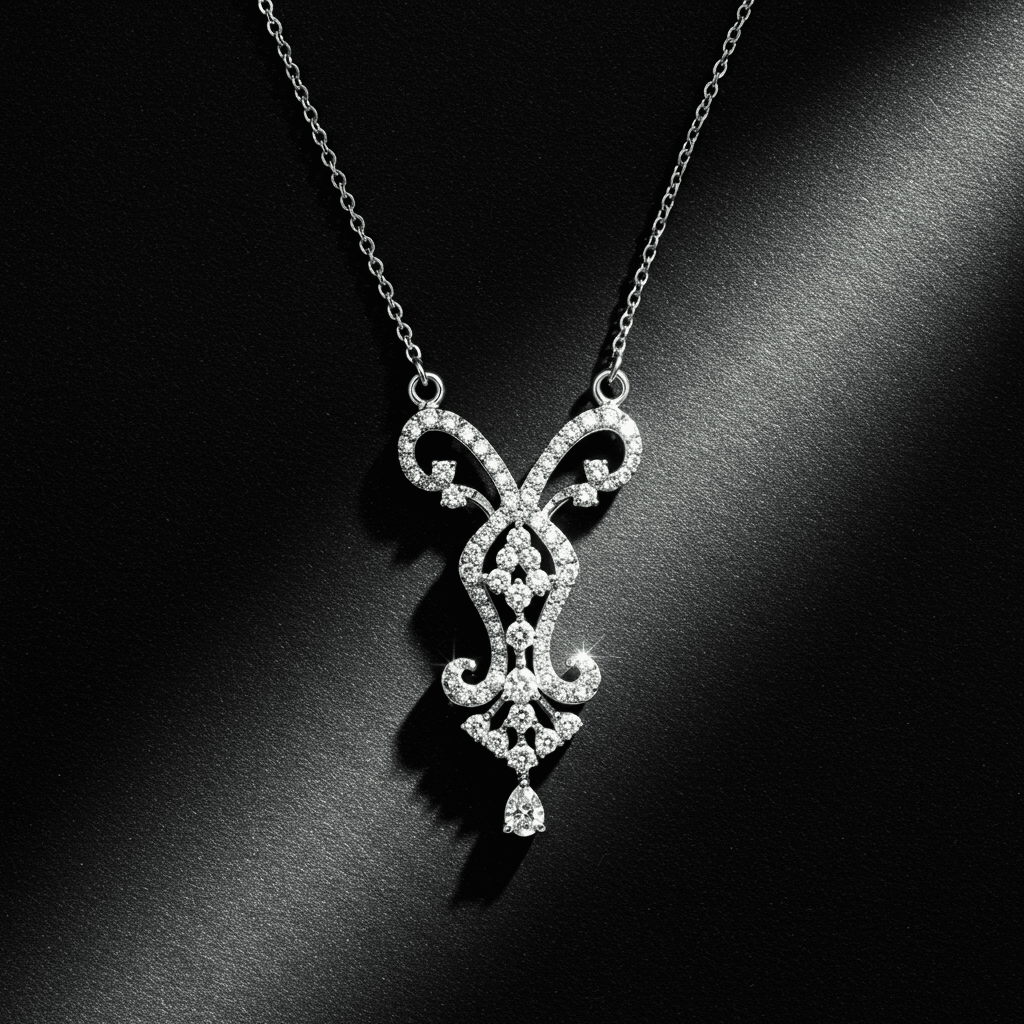
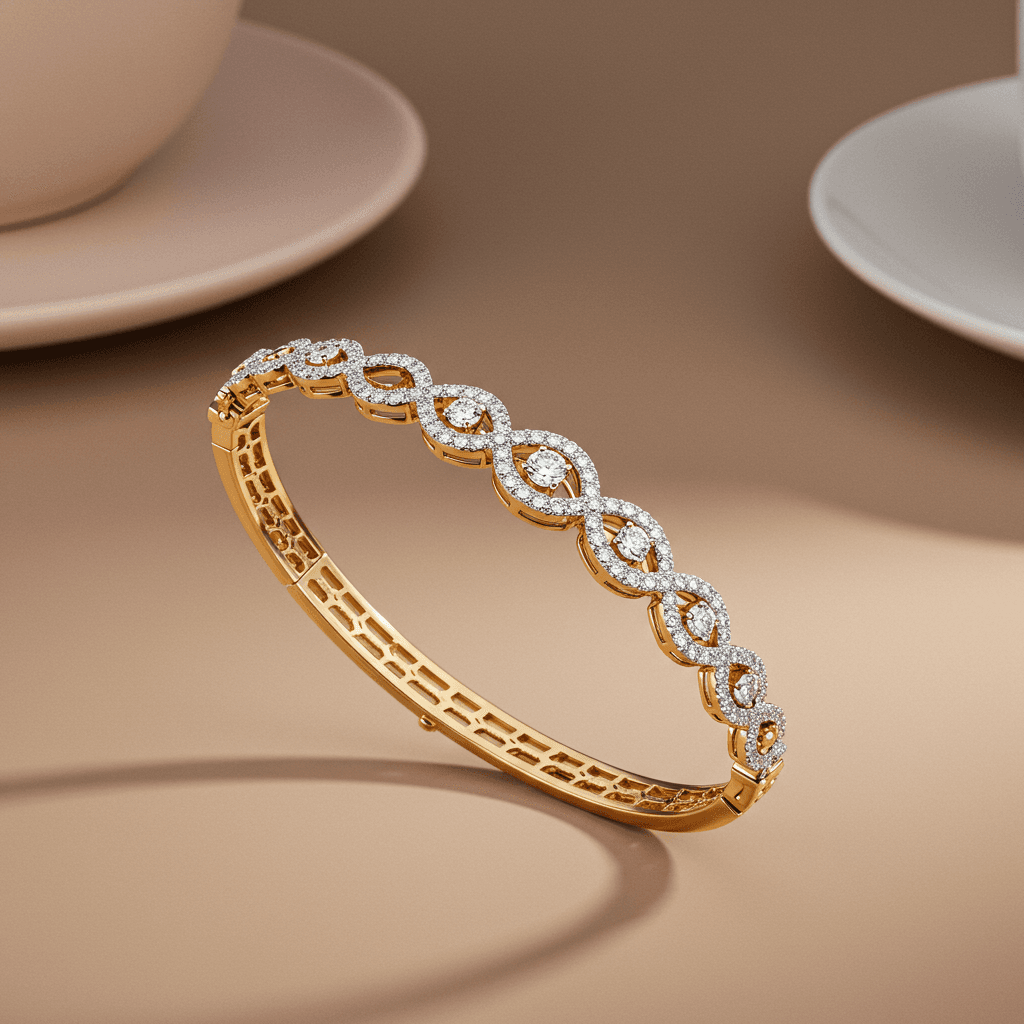
AI rendering platforms generate photorealistic jewelry images from design files, reference photos, or text descriptions. These systems understand how light interacts with precious metals, how gemstones refract and reflect, and how different finishes appear under various lighting conditions. The resulting images rival traditional photography in quality while eliminating nearly every physical constraint.
The workflow is dramatically simplified. Upload a design concept or reference image, specify the desired angle, background, and lighting mood, and receive polished product images within minutes. No studio, no equipment, no physical sample required.
| Factor | Traditional Photography | AI Rendering |
|---|---|---|
| Cost per image | $100 to $500 | $5 to $50 |
| Time to delivery | 1 to 3 weeks | Minutes to hours |
| Physical sample needed | Yes | No |
| Equipment required | Extensive | Computer only |
| Consistency across images | Variable | Highly consistent |
| Scalability | Limited by time | Virtually unlimited |
| Revisions | Requires reshoot | Instant regeneration |
Cost Comparison for Different Business Sizes
The financial impact varies based on your business scale, but AI rendering delivers savings at every level.
Solo Designer or Small Brand
A solo jewelry designer launching on Etsy might budget $1,000 to $3,000 annually for product photography. With AI rendering, that same budget could generate ten times more images, covering product listings, social media content, and marketing materials. The savings free up capital for inventory, advertising, or materials.
Mid-Size Brand
Mid-size brands typically spend $10,000 to $30,000 annually on photography for seasonal collections, website updates, and marketing campaigns. Switching to AI rendering can reduce that spend to $2,000 to $5,000 while actually increasing the volume of visual content produced.
Enterprise Jewelry Company
Large brands managing hundreds of SKUs face photography costs exceeding $50,000 annually. AI rendering at scale brings that figure down to $5,000 to $10,000, with the added benefit of maintaining perfect visual consistency across the entire catalog.
Quality and Realism
Early AI-generated images carried telltale signs of artificiality, from unnatural reflections to incorrect shadow behavior. Modern rendering engines have largely eliminated these issues. The best AI jewelry design tools in 2026 produce images with accurate metal textures, realistic gemstone brilliance, and natural-looking environmental reflections.
The key quality factors where AI rendering now matches or exceeds traditional photography include metal surface accuracy, gemstone fire and scintillation, shadow depth and directionality, background integration, and color accuracy across different metals and stones.
Where traditional photography still holds an edge is in capturing the organic imperfections that make handcrafted jewelry feel authentic. A hammered texture, a slightly asymmetric bezel, or the warmth of a piece photographed on human skin can carry emotional weight that rendered images sometimes struggle to replicate.
When to Choose AI Rendering
AI rendering excels in several scenarios that align with modern jewelry business needs.
Pre-production visualization allows you to generate marketing imagery before physical pieces exist. This is invaluable for pre-orders, crowdfunding campaigns, and client presentations where you need to sell the concept before investing in production.
High-volume e-commerce benefits from the speed and consistency of AI rendering. When you need 50 product listings updated within a week, traditional photography simply cannot keep pace. AI jewelry photography tools have made this workflow accessible to brands of every size.
Social media content creation demands a constant stream of fresh visuals. AI rendering lets you produce daily content without the overhead of repeated photo shoots, keeping your feed active and engaging.
Design exploration and iteration becomes faster when you can visualize variations instantly. Change a metal color, swap a gemstone, adjust proportions, and see the results in seconds rather than waiting for a new sample and reshoot.
When Traditional Photography Still Wins
Despite the advantages of AI rendering, certain situations still call for traditional photography.
Luxury editorial campaigns benefit from the authenticity and prestige associated with professional photography. High-end brands selling pieces above $10,000 may find that the investment in traditional photography reinforces their positioning.
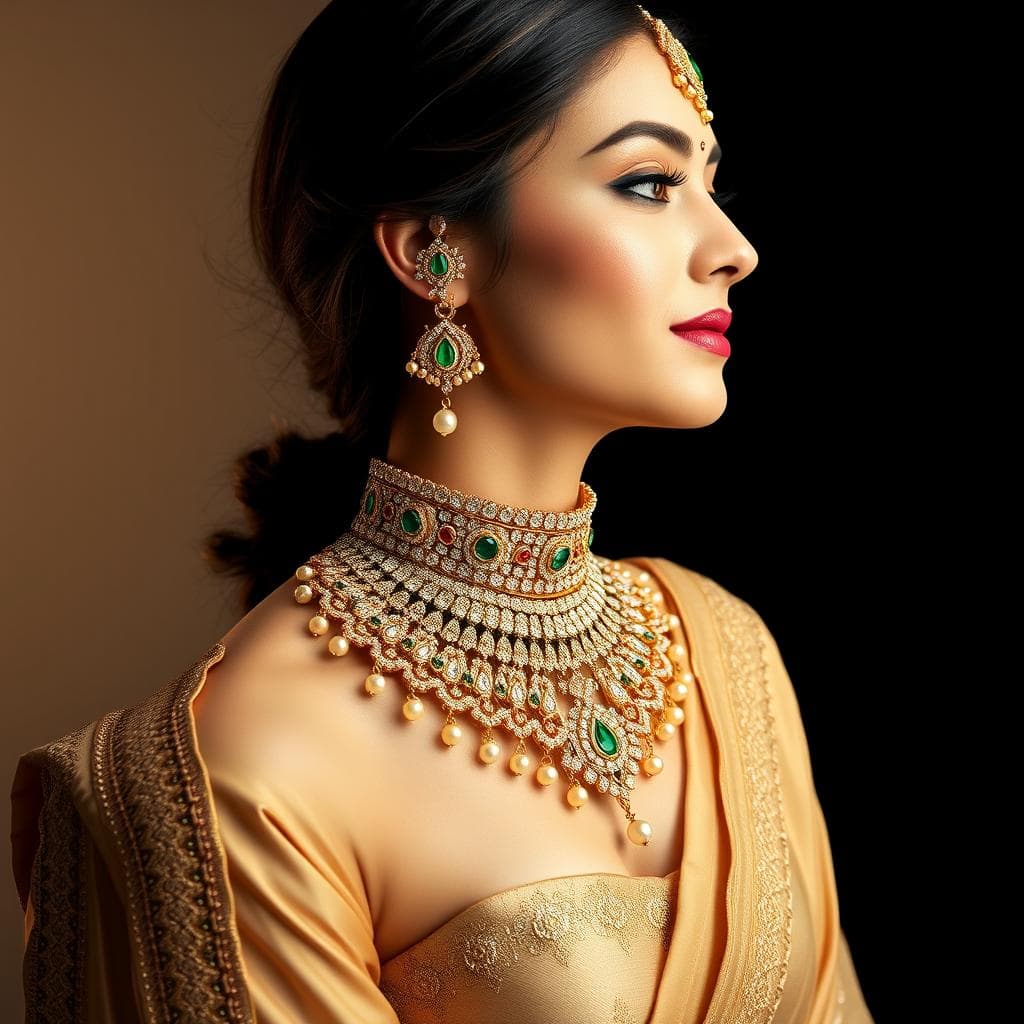
Lifestyle and model photography captures how jewelry looks when worn, including the way pieces catch light during movement and how they complement different skin tones and outfits. While AI can generate model shots, the results may lack the spontaneity of real photography.
Certification and appraisal documentation often requires actual photographs of physical pieces for insurance, authentication, and resale purposes.
A Hybrid Approach
Many successful jewelry brands adopt a hybrid strategy. They use AI rendering for the majority of their product catalog, social media, and marketing visuals while reserving professional photography for hero images, editorial campaigns, and flagship pieces. This approach captures the cost savings and speed of AI while maintaining the premium feel that traditional photography delivers for key brand moments.
The comparison between AI and traditional jewelry design workflows shows that the most successful brands are those integrating both approaches based on context rather than choosing one exclusively.
How Tashvi AI Transforms Jewelry Visualization
Tashvi AI bridges the gap between concept and visual reality for jewelry businesses of every size. The platform generates photorealistic product images from design references or text descriptions, delivering catalog-ready renders in minutes. Jewelry designers use Tashvi AI to create marketing imagery for pieces still in the concept stage, eliminating the need for expensive physical samples and photography sessions.
With Tashvi AI, a designer can upload a sketch, select their preferred metal and gemstone options, and receive multiple high-quality renders showing the piece from various angles and in different lighting conditions. This workflow cuts pre-production visualization costs by up to 90 percent while accelerating time-to-market for new collections.
Try designing on Tashvi AI free
Making the Switch
Transitioning from traditional photography to AI rendering does not require abandoning your existing visual identity. Start by generating AI renders alongside your current photography to compare quality and consistency. Use AI renders for lower-priority listings and social content first, then gradually expand as you refine your prompts and preferences.
The jewelry industry is moving decisively toward AI design and visualization tools. Brands that adopt these technologies early gain a significant competitive advantage in both cost efficiency and content output, positioning themselves to thrive in an increasingly visual marketplace.
Frequently Asked Questions
Quick answers to the questions readers ask most about this guide.
Is AI rendering cheaper than traditional jewelry photography?
Yes, AI rendering typically costs 60 to 80 percent less than traditional photography. A full product shoot may cost $2,000 to $10,000 per collection, while AI rendering can produce similar results for $200 to $500 using platforms like Tashvi AI.
Can AI renders replace professional jewelry photos entirely?
For e-commerce listings, social media, and marketing materials, AI renders are often sufficient. However, editorial campaigns and luxury brand advertising may still benefit from professional photography for that authentic, tactile quality.
How long does AI jewelry rendering take compared to a photo shoot?
AI rendering can produce dozens of product images in minutes, while a traditional photo shoot requires days of planning, shooting, and post-production. The time savings alone make AI rendering attractive for fast-moving brands.
Do customers notice the difference between AI renders and real photos?
Modern AI rendering has reached a level where most consumers cannot distinguish between AI-generated product images and professional photographs. Studies show that conversion rates remain comparable across both formats.
What equipment do I need for AI jewelry rendering?
You need only a computer or smartphone and access to an AI rendering platform like Tashvi AI. No lighting equipment, camera gear, props, or studio space is required, making it accessible to businesses of any size.