Mothers Birthstone Ring Guide: The Perfect Sentimental Gift
A mothers birthstone ring features gemstones representing each child or family member, creating a wearable symbol of family love. Learn about 5 popular styles, how to choose the right stones, metal options, and sizing tips for surprise gifts.
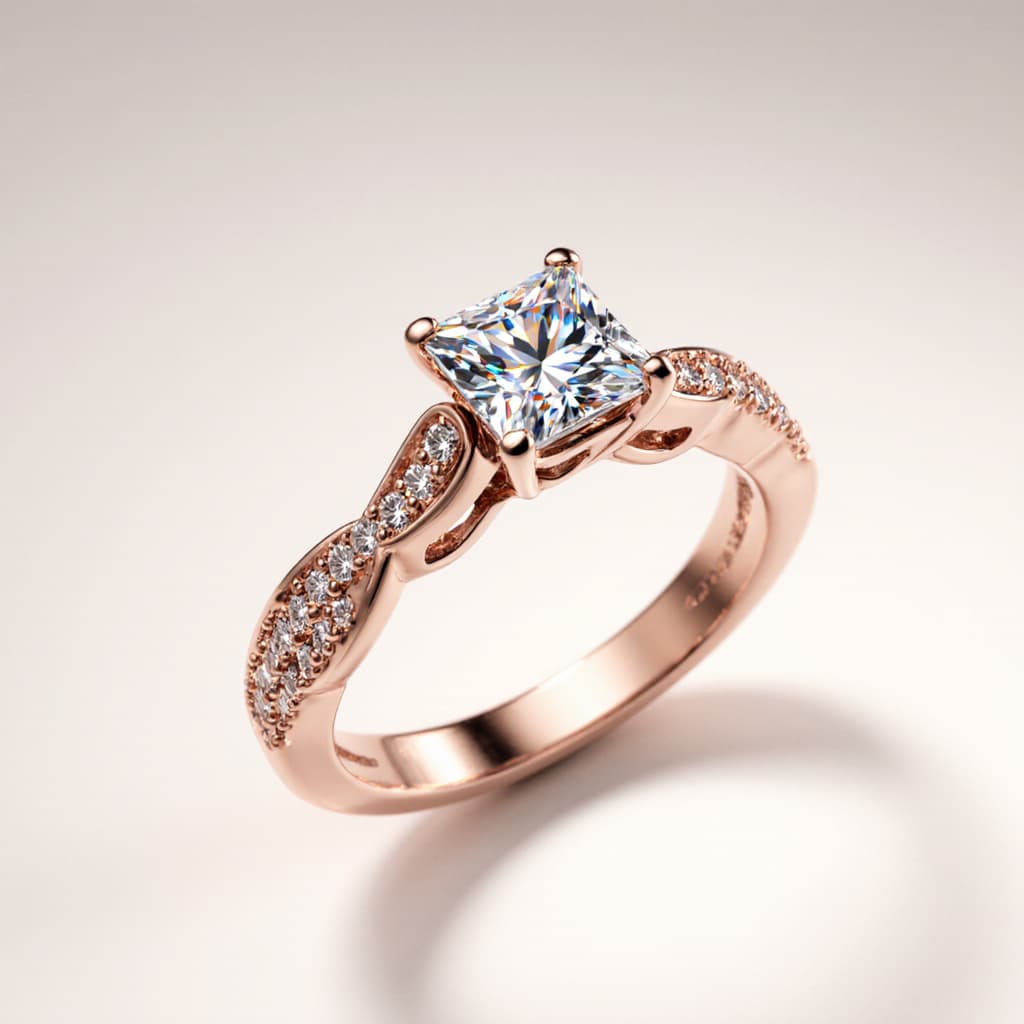
A mothers birthstone ring is a personalized piece of jewelry that features individual gemstones representing each of the wearer's children, grandchildren, or other beloved family members, arranged in a meaningful design that transforms family bonds into a colorful, wearable celebration of the people she loves most. Few gifts carry as much sentimental weight.
This type of ring has become one of the most popular and emotionally significant gifts for Mother's Day, birthdays, Christmas, and milestone family moments. Unlike generic jewelry, every mothers birthstone ring tells a specific family story through its unique combination of colors and stones. This guide covers the history, styles, stone selection, metal choices, and design options that will help you create or choose the perfect mothers birthstone ring.
What Is a Mothers Birthstone Ring
A mothers birthstone ring incorporates gemstones corresponding to the birth months of the wearer's children into a ring design. Each stone represents a specific child, making the ring a miniature family portrait rendered in precious materials. Grandmothers often wear versions that include stones for all grandchildren, creating rings with larger stone counts and richer color palettes.
The concept builds on the centuries-old tradition of associating specific gemstones with each month of the year. When these stones are brought together in a single piece, each one becomes a symbol of a particular person and the unique bond the wearer shares with them. Learn more about the meaning and history of each month's stone in our birthstone necklace complete guide.
Mothers birthstone rings differ from standard birthstone jewelry in their intentional representation of family. While a single birthstone pendant might celebrate the wearer's own birth month, a mothers ring deliberately includes stones for others, making it an outward expression of love and connection rather than personal identity alone.
History and Tradition
The tradition of mothers rings emerged in the United States during the mid-20th century, growing out of the broader birthstone jewelry tradition that has ancient roots.
Ancient Birthstone Connections
The association between gemstones and birth months traces back to biblical times, with scholars linking it to the twelve stones on the breastplate of Aaron described in the Book of Exodus. Over centuries, these associations evolved through Hindu, Arabic, and European traditions until the American National Association of Jewelers standardized the modern birthstone list in 1912.
The Rise of the Mothers Ring
The specific concept of a "mothers ring" gained popularity in the 1950s and 1960s as American jewelry companies began marketing personalized family jewelry for Mother's Day. The idea resonated deeply with post-war families who valued visible expressions of family pride and togetherness. By the 1970s, mothers rings had become one of the most requested jewelry items during the gift-giving seasons.
Modern Evolution
Today, mothers birthstone rings have evolved far beyond the simple band-with-stones format of early decades. Contemporary designs incorporate advanced setting techniques, mixed metals, creative stone arrangements, and artistic elements that transform the concept from sentimental keepsake into genuine fine jewelry. The addition of engraving, diamond accents, and innovative settings has elevated these pieces to rival any fashion ring in visual appeal.
Choosing Birthstones for Each Family Member
Selecting the right stones requires knowing each family member's birth month and understanding the color and durability characteristics of each birthstone.
Monthly Birthstone Reference
| Month | Primary Birthstone | Color | Durability (Mohs Scale) |
|---|---|---|---|
| January | Garnet | Deep red | 6.5 - 7.5 |
| February | Amethyst | Purple | 7 |
| March | Aquamarine | Light blue | 7.5 - 8 |
| April | Diamond | Colorless | 10 |
| May | Emerald | Green | 7.5 - 8 |
| June | Alexandrite or Pearl | Color-changing or white | 8.5 or 2.5 - 4.5 |
| July | Ruby | Red | 9 |
| August | Peridot | Yellow-green | 6.5 - 7 |
| September | Sapphire | Blue | 9 |
| October | Opal or Tourmaline | Multicolor or pink | 5.5 - 6.5 or 7 - 7.5 |
| November | Topaz or Citrine | Golden or yellow | 8 or 7 |
| December | Tanzanite or Blue Topaz | Blue-violet or sky blue | 6.5 - 7 or 8 |
Color Harmony Considerations
When a mothers ring includes multiple birthstones, the color relationships between them affect the overall aesthetic. Some combinations create natural harmony, while others require thoughtful design to look cohesive. For instance, January garnet and July ruby both sit in the red family and blend seamlessly, while pairing February amethyst with August peridot creates a striking complementary contrast.
If your family's birthstones produce a color combination you find challenging, consider using lighter or darker shade variations of certain stones, adding diamond or white sapphire spacers between colors, or choosing a setting style that separates each stone enough to let individual colors breathe without clashing.
Natural Versus Lab-Created Stones
Lab-created birthstones are chemically, physically, and optically identical to their natural counterparts. They offer the same color, hardness, and brilliance at 50 to 80 percent less cost. For mothers rings featuring multiple stones, lab-created options make it possible to include more stones or choose higher-quality gems without exceeding your budget.
Our guides on lab-grown versus natural diamonds and moissanite versus diamond provide additional context for understanding the natural versus lab-created discussion for the April birthstone specifically.
Popular Mothers Birthstone Ring Styles
The ring design determines how the birthstones are presented and influences the overall wearability, comfort, and visual impact of the piece. Each style suits different aesthetic preferences and practical needs.
Band Style
Band-style mothers rings set birthstones into or along the surface of a continuous metal band. Channel settings place stones in a recessed groove between two parallel metal walls, protecting them from impacts and creating a smooth profile ideal for everyday wear. Flush or bezel settings embed stones directly into the band surface for an even sleeker look.
Band styles work exceptionally well for mothers with active lifestyles because the low profile reduces the risk of snagging or stone damage. They also accommodate larger numbers of stones by extending the arrangement around more of the ring's circumference.
Cluster Style
Cluster mothers rings group all birthstones together in a central arrangement on the ring's top. The stones sit close to each other, often in a floral or geometric pattern, creating a colorful focal point that functions visually similar to a cocktail ring. This style makes a statement and draws attention to the meaningful stones.
Cluster designs work best with 3 to 5 stones, since too many can make the cluster too large for comfortable daily wear. The arrangement allows each stone to be seen simultaneously, creating a vibrant mosaic of family colors.
Stacked Style
Stacking mothers rings use individual thin bands, each set with one birthstone, that are worn together on the same finger. Each band represents one child, and the collection grows as the family grows. This modular approach offers remarkable flexibility and makes adding future children's stones as simple as purchasing an additional band.
Stacking rings also allow the wearer to mix metals, alternating gold and silver bands, or to wear different combinations on different days. The layered effect creates visual texture and dimension that single-ring designs cannot achieve. Explore the broader world of wedding band stacking styles for additional inspiration on combining multiple rings effectively.
Bypass Style
Bypass mothers rings feature a band that splits and crosses over itself, creating two ends that pass each other rather than meeting. Birthstones are set along one or both of the crossing arms, with the bypass gap creating an elegant visual tension. Two-stone bypass designs are especially popular for mothers of two children, with each child's birthstone anchoring one arm of the bypass.
The bypass format naturally accommodates 2 to 4 stones beautifully. It creates an organic, flowing look that feels more artistic and contemporary than traditional straight-set designs. For more on this distinctive ring shape, see our bypass engagement rings guide.
Infinity Style
Infinity mothers rings shape the band or setting into a figure-eight or infinity symbol, with birthstones placed at key points along the curve. The infinity motif symbolizes eternal love and boundless connection, making it a particularly meaningful choice for family jewelry.
These designs typically work best with 2 to 4 stones positioned at the curves and crossover points of the infinity shape. The result is a ring that communicates its sentimental message through both the stones and the design itself, layering symbolism in a way that resonates deeply with recipients.
Metal Selection
The metal you choose for a mothers birthstone ring affects its durability, appearance, and how it interacts visually with the colorful gemstones.
Yellow Gold
Yellow gold creates a warm backdrop that enhances the depth and richness of most birthstones. Warm-colored stones like garnet, citrine, and ruby glow particularly beautifully against yellow gold. 14K provides the ideal balance of durability and warm color for daily wear, while 18K offers a richer gold tone with slightly softer metal. Review the differences in detail with our types of gold guide.
White Gold
White gold provides a neutral, platinum-like setting that lets the birthstone colors take center stage without competing with the metal tone. Cool-colored stones like sapphire, aquamarine, and amethyst pair especially well with white gold. Rhodium plating gives white gold its bright silver appearance and needs refreshing approximately every one to two years depending on wear frequency.
Rose Gold
Rose gold adds a romantic, vintage-inspired warmth that creates beautiful contrast with green (emerald, peridot), blue (sapphire, aquamarine), and purple (amethyst) birthstones. The pink-copper undertone of rose gold has gained tremendous popularity in recent years and gives mothers rings a distinctive, fashion-forward quality.
Sterling Silver
Sterling silver offers an affordable option that still produces beautiful results. Silver's bright, cool tone complements birthstones similarly to white gold at a fraction of the cost. The trade-off is that silver requires more maintenance to prevent tarnish and is softer than gold, making it less ideal for settings that hold precious stones under daily stress.
Platinum
For the ultimate in durability and hypoallergenic properties, platinum provides an unmatched setting for a mothers ring intended as a lifetime heirloom. Its naturally white color never requires replating, and its density holds stones securely. The premium price makes platinum most popular for mothers rings featuring natural, high-quality birthstones where the overall investment justifies the finest metal.
Sizing for Surprise Gifts
One of the biggest challenges when buying a mothers ring as a surprise is determining the correct ring size without alerting the recipient.
Covert Measurement Methods
The most reliable method involves borrowing a ring the recipient currently wears on the intended finger and either measuring its inner diameter yourself or taking it to a jeweler for professional sizing. Choose a ring she wears regularly, as different fingers on the same hand can vary by one to two full sizes.
If borrowing a ring is not possible, try pressing one of her rings into a bar of soap to create an impression you can measure later. Alternatively, ask a close friend or family member who may know her size from previous gift purchases.
Ring Size Considerations
Fingers can change size throughout the day, swelling slightly in warm weather and shrinking in cold conditions. If you are guessing between two sizes, choose the larger one, as it is easier to add a sizing insert than to stretch a ring. Wider band designs typically need to be ordered a half-size larger than the wearer's measurement with a standard-width ring, since the increased surface area creates a tighter fit.
Resizing Safety Net
Many jewelers offer complimentary or low-cost resizing within 30 to 60 days of purchase. Confirm this policy before buying, and include a subtle note with the gift letting the recipient know that resizing is available if needed. This removes the pressure of guessing perfectly and ensures the ring will ultimately fit comfortably.
Custom Options for Mothers Rings
Beyond selecting stones and metals, mothers rings offer numerous customization possibilities that add layers of personal meaning.
Engraving
Interior band engraving allows you to add children's names, birth dates, or a short message inside the ring. Exterior engraving on flat band surfaces can display names, symbols, or meaningful phrases visible to others. Laser engraving produces fine, precise text, while hand engraving creates a more traditional, slightly irregular character with artisan appeal.
Diamond and Accent Stone Accents
Adding small diamonds or white sapphires between, around, or flanking the birthstones enhances sparkle and creates visual separation between colored stones. Melee diamonds, the tiny accent diamonds frequently used in fine jewelry, add brilliance without significantly increasing cost or ring bulk.
Mixed Metal Designs
Combining two metals in a single ring creates visual interest and allows the ring to coordinate with other jewelry in different metals. A white gold band with a yellow gold setting, or a rose gold accent on a silver base, produces a distinctive look that stands apart from single-metal designs.
Birthstone Shapes
While round-cut birthstones are standard, many custom designs incorporate marquise, princess, pear, or oval cuts for additional character. Different stone shapes can represent different family members or simply add visual variety to multi-stone arrangements. Explore the visual impact of various stone cuts in our diamond shapes guide.
Design with Tashvi AI
Designing a mothers birthstone ring that balances multiple colored stones, appropriate metal, and a flattering style can feel overwhelming when working from imagination alone. Tashvi AI simplifies this process by letting you describe your ideal ring and generating realistic design visualizations instantly.
Tell the AI which birthstones you need, your preferred style (band, cluster, stacked, bypass, or infinity), your metal choice, and any additional details like engraving or diamond accents. The platform produces multiple design concepts that show how your specific combination of family birthstones will look in each arrangement, helping you compare options and make confident decisions.
The ability to see realistic visualizations of your exact stone combination in different settings prevents the disappointment that can occur when imagined color combinations do not translate as expected into physical jewelry. Test emerald and ruby together in a yellow gold bypass setting, then compare them in a white gold cluster arrangement, all within minutes and at no cost. Try designing on Tashvi AI free and create a mothers ring design that perfectly captures your family story.
When to Give a Mothers Birthstone Ring
Timing your gift enhances its impact and ensures it is received with the appreciation it deserves.
Mother's Day
The most traditional occasion for a mothers ring, Mother's Day provides the perfect context for a gift that celebrates her role as a mother. If her family is still growing, consider a design that allows additional stones to be added later, acknowledging that the ring and the family will evolve together.
After the Birth of a Child
Presenting a mothers ring or adding a new birthstone to an existing piece after the birth of each child creates a beautiful family tradition. The ring becomes a growing chronicle of the family, with each new stone marking a joyful milestone.
Milestone Birthdays
Significant birthdays for mothers and grandmothers, particularly 50th, 60th, and 70th, call for gifts with depth and meaning. A birthstone ring featuring all children and grandchildren honors the full scope of the family she has built and nurtured.
Retirement and Empty Nest
When children have grown and left home, a mothers birthstone ring serves as a beautiful reminder that her family remains close even as physical proximity changes. The stones keep each child symbolically present on her hand every day.
Conclusion
A mothers birthstone ring transforms the abstract concept of family love into something visible, tangible, and deeply personal. Each stone represents not just a birth month but a whole person, a relationship, and a lifetime of shared moments. Whether you choose a simple band with channel-set stones or an elaborate cluster design with diamond accents, the result is a piece of jewelry that no store-bought alternative can replicate.
The best mothers birthstone ring is one that makes her think of her children every time she glances at her hand. Take time to select stones carefully, choose a style that suits her daily life, and add personal touches through engraving or design details that communicate the thought behind the gift. The care you invest in creating this piece becomes part of its story, adding yet another layer of meaning to an already deeply sentimental gift.
Frequently Asked Questions
Quick answers to the questions readers ask most about this guide.
What is a mothers birthstone ring?
A mothers birthstone ring is a personalized ring featuring gemstones that represent each of the wearer's children, grandchildren, or family members based on their birth months. The ring creates a wearable tribute to family, with each stone carrying symbolic meaning tied to a specific loved one.
How many birthstones can fit on a mothers ring?
Most mothers ring designs accommodate 1 to 7 birthstones comfortably. Band styles and channel settings can hold more stones, while cluster and bypass designs typically work best with 2 to 5 stones. For families with more than 7 members, stacking multiple birthstone bands or choosing a wider band design provides additional capacity.
Are lab-created birthstones good for mothers rings?
Yes, lab-created birthstones are an excellent choice for mothers rings. They are chemically identical to natural stones, display the same color and brilliance, and cost 50 to 80 percent less. This makes it more affordable to include multiple stones in a single ring without compromising on appearance or durability.
What metal is best for a mothers birthstone ring?
14k gold in yellow, white, or rose is the most popular choice for mothers rings because it balances durability with a luxurious appearance. Sterling silver offers a more affordable alternative that still looks beautiful. For daily wear by active mothers, 14k gold or platinum provides the best scratch resistance and longevity.
How do I secretly find my mom's ring size?
Borrow a ring she currently wears on the correct finger and measure its inner diameter with a ruler or take it to a jeweler. Alternatively, trace the inside of her ring on paper, ask a close friend or family member who might know, or use the string-around-finger method while she sleeps. Many jewelers also offer free resizing within a window after purchase.