Tashvi AI for Jewelry Teachers and Educators
Explore how jewelry design teachers and educators can integrate Tashvi AI into their curriculum. From classroom demonstrations to student assignments, discover practical ways to teach modern jewelry design with AI-powered tools.
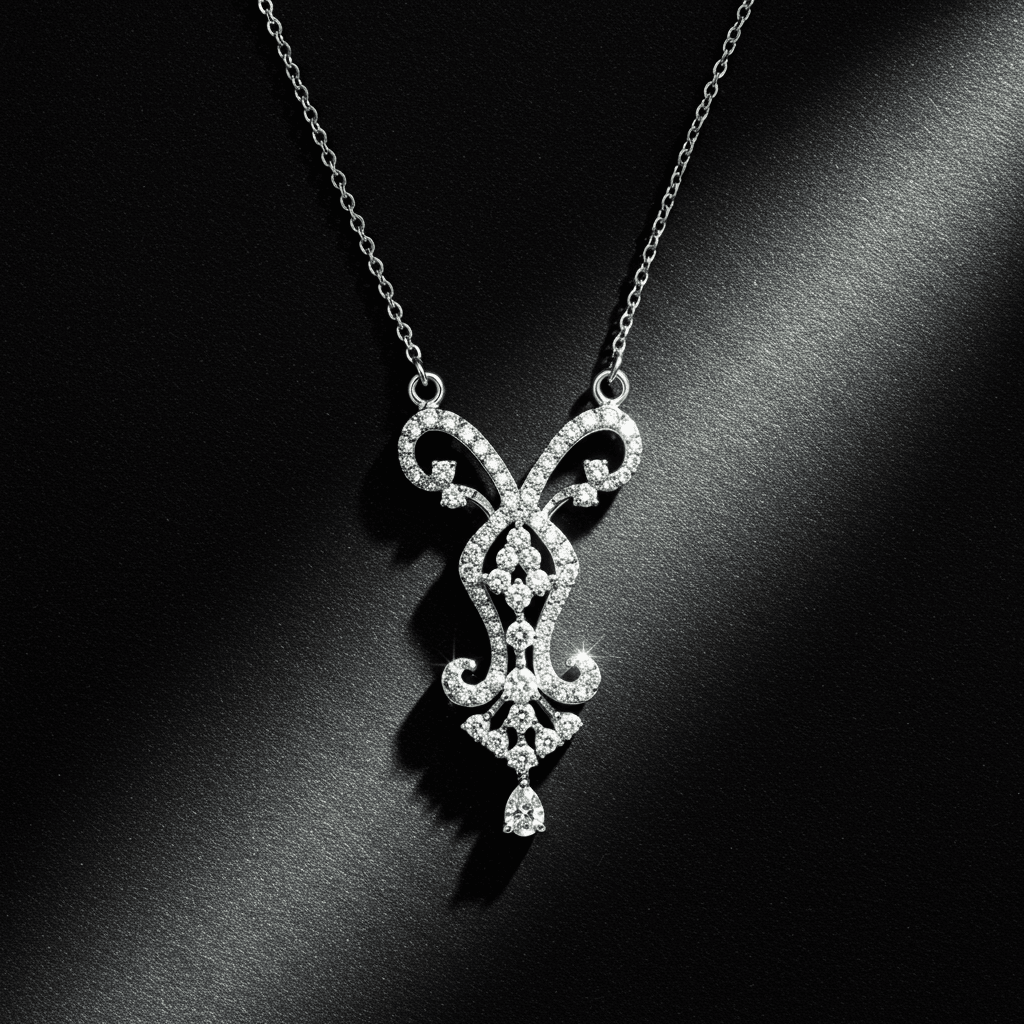
Jewelry teachers and educators can use Tashvi AI to demonstrate design principles visually, create engaging classroom exercises, expose students to diverse jewelry styles, and bridge the gap between traditional techniques and modern digital workflows. The platform transforms jewelry education by making rapid visual exploration accessible in any learning environment.
The world of jewelry education is evolving. Students entering design programs today will graduate into an industry where AI is a standard tool in the professional workflow. Educators who integrate AI into their teaching prepare students not just for the current job market but for the future of the industry. Tashvi AI offers jewelry teachers a powerful platform for enriching their curriculum, engaging students, and demonstrating concepts that would otherwise require expensive materials or extensive setup.
Why AI Belongs in Jewelry Education
The case for including AI in jewelry design education is not about replacing traditional skills. It is about adding a new dimension to how students learn, explore, and develop their creative voice.
Meeting Industry Expectations
Professional jewelry studios are increasingly adopting AI-first workflows. Graduates who have never worked with AI design tools enter the workforce at a disadvantage. By incorporating Tashvi AI into coursework, educators ensure their students are fluent in the tools they will encounter professionally.
Accelerating Visual Literacy
One of the hardest things to teach in jewelry design is visual literacy, the ability to analyze why a design works or does not work. Tashvi AI generates designs instantly, creating an endless supply of examples for classroom discussion and critique. Instead of spending class time waiting for students to produce sketches for group critique, educators can generate dozens of relevant examples in seconds.
Democratizing Exploration
Not every student has access to extensive gemstone libraries, metal samples, or historical jewelry archives. Tashvi AI democratizes access to the full spectrum of jewelry design, from ancient cultural traditions to cutting-edge contemporary aesthetics. A student in a rural community college has the same design exploration capabilities as one at a prestigious urban design school.
Classroom Applications
Lecture Demonstrations
Tashvi AI excels as a live demonstration tool during lectures. When teaching about design elements like proportion, balance, or contrast, generate examples in real time to illustrate each concept. When discussing the difference between Victorian and Art Nouveau jewelry, produce side-by-side comparisons instantly rather than relying on static slide presentations.
This live generation capability keeps lectures dynamic and responsive to student questions. When a student asks "what would that look like with a different stone shape," you can show them immediately rather than describing it verbally.
Design History Exploration
Teaching jewelry design history comes alive with Tashvi AI. Instead of showing students photographs of museum pieces, have them generate designs in the style of specific historical periods. This active engagement deepens their understanding of what defines each era's aesthetic.
A sample assignment might ask students to generate designs in five distinct historical styles, then write analytical essays comparing the results to actual historical pieces. This combines visual exploration with critical thinking and art historical research.
Design Briefs and Projects
Structure assignments around Tashvi AI generation followed by traditional execution. For example, assign students a client brief and have them generate 20 concepts in Tashvi AI, curate their top five, and then develop their chosen direction through hand-sketching, CAD modeling, or physical prototyping.
This workflow mirrors professional practice and teaches students the complete design pipeline, from ideation through refinement to execution.
Curriculum Integration Strategies
Introductory Courses
In foundational courses, use Tashvi AI to help students explore the breadth of jewelry design before they develop specialized skills. Early exposure to diverse styles and possibilities helps students discover their interests and develop their personal design direction.
| Course Component | Traditional Approach | With Tashvi AI |
|---|---|---|
| Style exploration | Library research and slides | Real-time generation and comparison |
| Design iteration | Multiple sketch sessions | Rapid AI generation plus hand refinement |
| Critique material | Student work only | Student work plus AI benchmarks |
| Cultural survey | Image slideshows | Interactive cultural generation |
Intermediate Courses
At the intermediate level, Tashvi AI becomes a rapid prototyping tool for concept development. Students use it to explore directions before committing to labor-intensive execution methods. This prevents the frustration of spending weeks on a design only to discover it does not work, while teaching efficient professional workflows.
Advanced and Capstone Courses
Advanced students can explore the boundaries of AI-assisted design critically. Assign projects that compare AI-generated concepts with hand-developed designs, analyze the strengths and limitations of each approach, and develop hybrid workflows that leverage both methodologies.
Capstone projects might involve developing a complete brand concept using Tashvi AI for initial collection development, followed by traditional execution of selected pieces. This prepares students for the blended workflows they will encounter in industry.
Teaching Prompt Engineering as a Design Skill
Prompting is a genuine design skill that deserves instructional attention. Teaching students to write effective jewelry design prompts develops their ability to articulate design intent precisely, a skill that transfers to client communication, design briefs, and collaborative work.
Progressive Prompting Exercises
Start with simple prompts and progressively increase complexity. Have students begin with basic descriptions like "gold ring with diamond," then refine to include style, era, construction technique, and mood. Compare results at each level of specificity to demonstrate how precise language produces better outcomes.
Vocabulary Building
Use Tashvi AI as a vocabulary-building tool. When students learn a new jewelry term, whether "pavé setting," "filigree," or "cabochon," have them immediately test it in a prompt to see its visual effect. This creates an instant, visual connection between terminology and appearance.
Assessment and Critique
AI-Assisted Critique Sessions
Generate examples that illustrate specific design strengths and weaknesses. When critiquing a student's sense of proportion, generate three versions of a similar design with different proportions and discuss which works best and why. This provides objective reference points for subjective design discussions.
Portfolio Development
Help students build impressive portfolios that demonstrate both AI fluency and traditional skills. A modern jewelry design portfolio should showcase the ability to work across both digital and traditional media, and Tashvi AI provides the digital component effortlessly.
Comparative Assignments
Assign projects that require students to generate an AI concept, then recreate it by hand. Grading evaluates both their AI prompting skill and their manual execution, while the comparison develops their ability to translate between media.
Practical Setup for Educators
Getting started with Tashvi AI in your classroom is straightforward.
Technical Requirements
Tashvi AI runs in any modern web browser. There is no software to install, no special hardware required, and the platform works on both computers and tablets. This makes it accessible in virtually any educational setting, from fully equipped design labs to basic computer rooms.
Account Management
For classroom use, consider setting up a shared instructor account for demonstrations and individual student accounts for assignments. Contact our education team for information about institutional licensing that simplifies account management for larger programs.
Lesson Planning Resources
We are developing a library of educator resources including sample lesson plans, assignment templates, and rubrics designed specifically for AI-integrated jewelry design courses. These resources will be available to educators in our community hub.
Addressing Common Concerns
The Hand Skills Question
The most common concern from jewelry educators is that AI will atrophy students' hand skills. This concern is legitimate but manageable. The key is to position AI as one tool among many, not as a replacement for sketching, wax carving, or bench work. Students who use Tashvi AI for ideation and then execute designs manually actually develop both skill sets simultaneously.
Academic Integrity
When AI can generate designs, how do you assess original creative thinking? The answer lies in assignment design. Focus assessment on the creative decisions students make, including prompt development, curation choices, refinement direction, and the rationale behind their design decisions rather than the raw output.
Equal Access
Ensure all students have equal access to the platform during class time. If some students cannot access Tashvi AI outside of class, design assignments that can be completed during lab hours, or assign collaborative projects where AI-access is shared among team members.
The Future of Jewelry Education
AI is not just a tool to teach with. It is a subject to teach about. The next generation of jewelry designers needs to understand not just how to use AI but how to think critically about its role in creative practice. Educators who engage with platforms like Tashvi AI today are shaping this critical conversation.
Try designing on Tashvi AI free and explore how the platform can enrich your jewelry design curriculum. Your students will graduate more prepared, more versatile, and more competitive in the evolving jewelry industry.
Frequently Asked Questions
Quick answers to the questions readers ask most about this guide.
Does Tashvi AI offer educational pricing for schools and institutions?
We are developing educational pricing and institutional licensing options. Contact our team for information about group accounts, classroom licenses, and academic partnerships. We are committed to making Tashvi AI accessible to educational institutions at every level.
How can I use Tashvi AI to teach design principles without students losing hand skills?
Use Tashvi AI as a complement to hand skills, not a replacement. Have students generate AI concepts, then recreate them through hand-sketching and CAD. This develops their ability to interpret, analyze, and translate designs across media while building traditional skills alongside AI fluency.
Can Tashvi AI help with grading or assessment?
While Tashvi AI does not directly grade student work, it can serve as a reference tool for assessment. Compare student designs against AI-generated benchmarks, use generated examples to illustrate grading criteria, and have students critique AI output as part of their analytical development.
What age group is appropriate for using Tashvi AI in education?
Tashvi AI is suitable for high school students and above. The platform's natural language interface makes it accessible to young learners, while its depth supports advanced university-level exploration. The guided design mode is particularly useful for younger or less experienced students.
Can I create custom assignments using Tashvi AI?
Absolutely. Many educators design assignments around specific Tashvi AI challenges, such as generating a collection based on a theme, recreating a historical jewelry style, or comparing AI output with hand-drawn concepts. The platform's flexibility supports virtually any assignment structure.