How VR Walkthroughs Are Replacing Physical Jewelry Showrooms
Learn how virtual reality walkthrough technology lets customers explore jewelry collections in immersive digital showrooms that replicate and enhance the in-store experience from anywhere in the world.
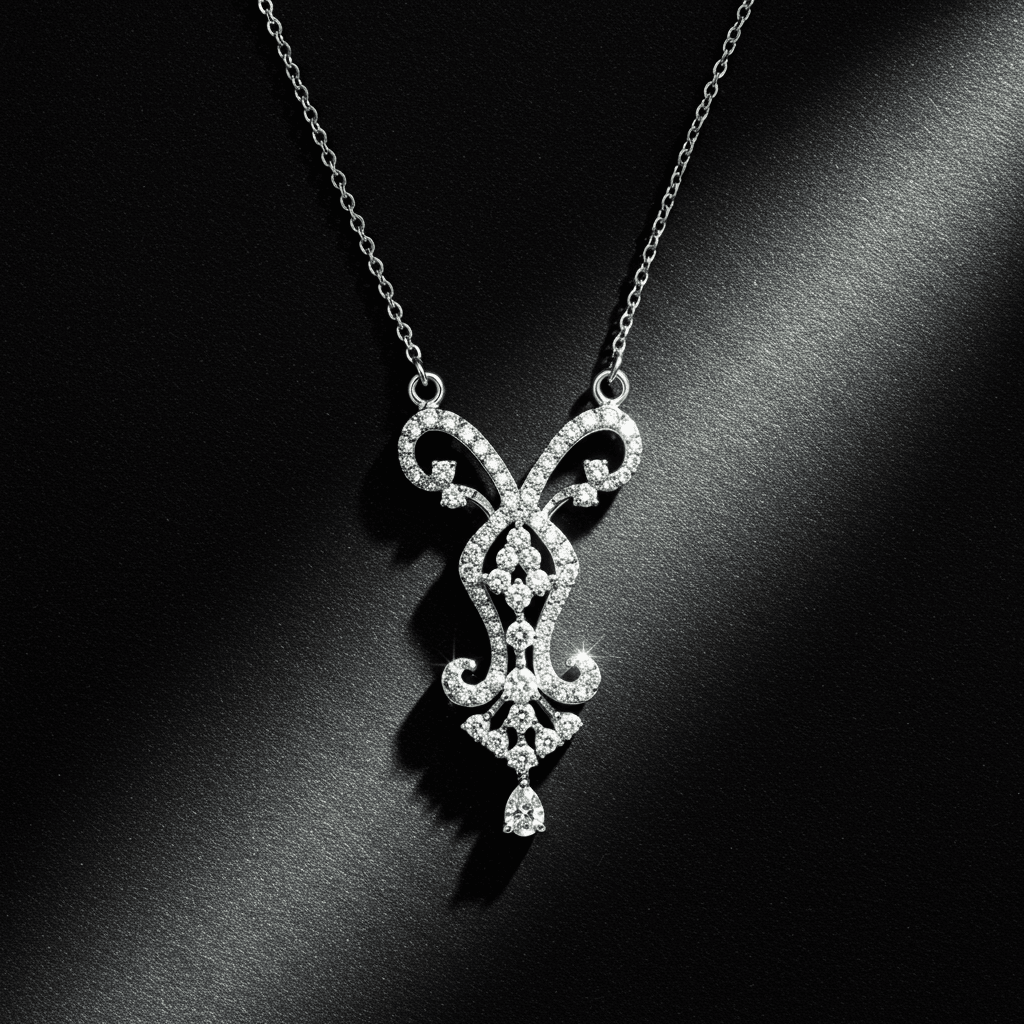
Virtual reality walkthroughs are transforming jewelry retail by creating immersive digital showrooms where customers navigate collections, examine pieces closely, and experience brand environments from anywhere in the world, extending luxury retail reach while reducing the overhead of maintaining multiple physical locations and allowing brands to present their complete catalog without physical inventory constraints.
The Physical Showroom Limitation
Physical jewelry stores serve a limited geographic radius. Even the most prestigious boutiques on Fifth Avenue or Bond Street reach only customers willing to travel to their location. For high-end brands, this limitation concentrates sales in a few key cities while leaving potential customers in other regions underserved. A jewelry brand based in Mumbai may have enthusiastic customers in Dubai, London, and Singapore, but maintaining physical showrooms in each city demands millions in real estate, staffing, security, and inventory.
Maintaining showroom quality across multiple locations requires significant investment that scales linearly with each new location. The same display cases, lighting systems, security infrastructure, and trained sales associates must be replicated at every site. Each additional location multiplies costs while reaching only the local market around that specific address.
Beyond geography, physical stores face temporal limitations. Operating hours restrict when customers can browse. Appointment requirements create friction. And the pieces physically present in any given showroom represent only a fraction of the brand's complete collection, meaning customers may never see the design that would have become their favorite purchase.
VR walkthroughs eliminate these geographic and temporal constraints by making the showroom experience accessible to anyone with an internet connection, at any time, with the complete collection always available.
Creating the Virtual Experience
Environment Design
Virtual showrooms are designed as complete retail environments rather than simple product catalogs. Architecture, lighting, materials, and ambient atmosphere recreate the brand experience that physical stores deliver. Customers feel the luxury and exclusivity of the brand from the moment they enter the virtual space.
The finest virtual jewelry showrooms invest in environmental details that rival physical retail design. Marble floors, velvet-lined cases, warm ambient lighting, and carefully composed background music create an atmosphere that communicates prestige and trust. Some brands commission virtual architects to design spaces that reflect their brand identity, from minimalist modernism to opulent classical grandeur.
The virtual environment can exceed physical possibilities in ways that create unique advantages. Display cases illuminated with lighting optimized individually for each piece ensure every diamond shows maximum fire and every colored gemstone displays its truest hue. Infinite floor space means the complete collection is always available without rotating inventory. Private viewing rooms materialize on demand for customers examining high-value items. Interactive displays tell the story behind each design, from the designer's inspiration to the sourcing of materials.
Product Digitization
Each jewelry piece in the virtual showroom exists as a detailed 3D model with accurate material properties. Creating these digital assets has traditionally required expensive 3D scanning equipment or painstaking manual modeling, presenting a significant barrier for many brands. AI visualization tools are now accelerating this process, producing photorealistic representations that capture metal reflections, gemstone behavior, and surface detail at a fraction of the traditional cost.
The quality of product digitization directly determines the quality of the VR experience. Customers who cannot distinguish virtual jewelry from photographs develop the same trust and purchase confidence as in-store visitors. This requires accurate rendering of how different gold karats reflect light, how gemstones display fire and brilliance, and how surface textures like hammered or brushed finishes appear under various lighting conditions.
Navigation and Interaction
Customers move through the virtual showroom using intuitive controls that feel natural regardless of technical proficiency. Walk up to a display case and lean in for a closer look. Pick up a piece and rotate it to any angle. Zoom in to examine prong work or engraving detail. Switch between metal options or stone colors with a gesture or click. Compare two rings side by side. Try pieces on a virtual hand model calibrated to the customer's actual hand dimensions.
The best VR showrooms also incorporate guided experiences where virtual sales associates, powered by AI or connected to real staff through video, walk customers through collections and answer questions in real time. This human touch within the digital experience bridges the gap between the convenience of virtual shopping and the personal service of luxury retail.
Business Advantages
Extended Global Reach
A single VR showroom reaches customers worldwide simultaneously. A jewelry brand in Jaipur presents its collection to a customer in New York, a buyer in Dubai, and a newlywed couple in Tokyo, all during the same hour, without shipping a single physical piece. This global accessibility transforms regional brands into international ones overnight.
24/7 Availability
The virtual showroom never closes. Customers browse at their convenience regardless of time zones or business hours. A customer considering a significant jewelry purchase can return to examine a piece multiple times over several days, building familiarity and confidence without requiring multiple store appointments.
Complete Collection Access
Every piece in your collection is available simultaneously, unlike physical stores that rotate inventory and display only a fraction of available designs. A brand with 500 designs might display 50 in a physical location. The VR showroom presents all 500, ensuring that customers discover pieces they would never have encountered in a physical visit.
Consistent Experience Quality
Every customer receives the same premium environment and presentation quality, eliminating the variability of different store locations and different sales associates. The lighting is always perfect. The presentation is always polished. The information is always accurate and comprehensive.
Rich Data Collection
Track which pieces customers examine most closely, how long they spend in different areas, which items they compare, and where in the journey they decide to purchase or leave. This data informs merchandising and design decisions with precision impossible in physical retail. A physical store manager can observe general traffic patterns. A VR showroom manager sees exactly which rings a customer picked up, how long they examined each one, and which they put back before deciding.
| Metric | Physical Store | VR Showroom |
|---|---|---|
| Geographic reach | Local (5 to 30 mile radius) | Global |
| Operating hours | 8 to 12 hours daily | 24/7 |
| Collection displayed | 10 to 20% of catalog | 100% |
| Customer data depth | General observations | Piece-level interaction tracking |
| Setup cost per location | $100,000 to $500,000+ | $30,000 to $150,000 (one-time) |
| Ongoing cost | $10,000+ monthly (rent, staff) | $2,000 to $10,000 per refresh |
Implementation Approaches
Standalone VR Application
A dedicated VR application provides the highest quality experience with full immersion, spatial audio, and optimized performance. This approach suits established luxury brands investing in VR as a core sales channel and targeting customers who own VR headsets like Meta Quest 3, Apple Vision Pro, or similar devices.
The standalone approach allows maximum design freedom and the deepest interaction possibilities, including trying pieces on virtual avatars, simulating natural lighting environments, and providing tactile feedback through haptic controllers.
WebVR and Browser-Based
Browser-based VR reaches the widest audience without requiring app downloads or specialized hardware. Quality has improved dramatically with modern web technologies, and the zero-friction experience drives higher adoption rates. Customers simply click a link and begin exploring.
This approach sacrifices some immersion for accessibility, making it the recommended starting point for most jewelry brands. The experience works on desktops, tablets, and smartphones, with quality scaling to the device's capabilities.
Social Media Integration
Some brands create condensed VR experiences as social media content, providing brief but compelling showroom tours on Instagram, TikTok, and Facebook. These serve as marketing tools that drive traffic to the full VR experience while showcasing the brand's technological sophistication.
Hybrid Physical-Digital
Installing VR stations within physical stores allows customers to explore collections not physically present in that location. A boutique in Miami can provide VR access to pieces stored in the New York flagship, effectively expanding each store's inventory without additional physical stock. This omnichannel approach creates the most compelling customer journey.
Cost Considerations
Initial Investment
Basic 360-degree virtual tours using panoramic photography start at $5,000 to $15,000. These provide a walkthrough experience without piece-level interaction, suitable for showcasing showroom environments and general collection browsing.
Fully interactive VR experiences with product pickup, rotation, virtual try-on, and real-time customization range from $30,000 to $150,000 depending on collection size and interaction depth. This investment includes environment design, 3D product modeling, interaction development, and platform hosting.
Ongoing Costs
Seasonal collection updates require adding new 3D models and refreshing the virtual environment, typically costing $2,000 to $10,000 per update. Hosting and platform maintenance add $500 to $2,000 monthly. These costs remain dramatically lower than maintaining a physical retail location.
ROI Timeline
Most brands report positive ROI within 12 to 18 months of VR showroom launch, driven by increased conversion rates from the extended reach and enhanced customer experience. The comparison between AI and traditional design tools shows similar ROI timelines for technology investments that enhance the customer journey.
How Tashvi AI Supports VR Readiness
Tashvi AI generates the high-quality product visualizations that populate virtual showrooms. Rather than photographing or 3D scanning every piece individually, an expensive process that traditionally cost $200 to $500 per piece, designers create photorealistic digital assets through AI at a fraction of the cost.
The platform produces accurate jewelry renders showing proper metal reflections, realistic gemstone behavior, and detailed surface characteristics from multiple angles. These AI-generated assets provide the visual foundation that VR experiences depend on, making the technology accessible to brands that might otherwise find the content creation costs prohibitive.
For brands already using Tashvi AI for design and marketing, extending those same assets into VR showroom environments creates additional value from existing digital investments.
Try designing on Tashvi AI free
The Path Forward
VR showroom technology will become increasingly accessible and expected as consumer adoption of VR and AR devices grows. The brands investing in virtual retail experiences today build competitive advantages that compound over time as the technology matures and customer expectations evolve.
Early adopters report that VR showrooms do not cannibalize physical store sales. Instead, they create a complementary channel that expands the total addressable market, drives higher-quality physical store visits from pre-informed customers, and generates sales from geographies the brand could never reach physically.
The intersection of technology and jewelry retail points toward a future where the boundary between physical and virtual showroom experiences dissolves entirely, creating seamless customer journeys that begin with virtual exploration, continue through AI-assisted personalization, and culminate in the tangible joy of wearing a piece that was discovered, customized, and purchased across both digital and physical touchpoints.
Frequently Asked Questions
Quick answers to the questions readers ask most about this guide.
What is a VR jewelry showroom walkthrough?
A VR jewelry showroom walkthrough lets customers navigate through a virtual store environment, approaching display cases, examining pieces at close range, and interacting with the collection as they would in a physical boutique, using VR headsets or web browsers.
Are VR showrooms replacing physical jewelry stores?
VR showrooms complement rather than replace physical stores. They extend a brand's reach to customers who cannot visit in person while making physical visits more productive by allowing pre-browsing. Most brands maintain physical presence alongside virtual options.
How do customers interact with jewelry in VR?
Customers can pick up virtual jewelry pieces, rotate them in any direction, zoom in for close inspection, try pieces on virtual hands or avatars, and compare multiple options side by side. The interaction mimics and sometimes exceeds what is possible in physical stores.
What technology do customers need for VR jewelry shopping?
Premium experiences use VR headsets like Meta Quest or Apple Vision Pro. Basic experiences work through web browsers on any computer, tablet, or smartphone with 360-degree navigation and zoom capabilities.
How much does it cost to create a VR jewelry showroom?
Basic 360-degree virtual tours start at $5,000 to $15,000. Fully interactive VR experiences with product interaction range from $30,000 to $150,000. Ongoing costs for updating collections add $2,000 to $10,000 per seasonal refresh.