How AI Helps Small Jewelers Compete With Big Brands
Discover how artificial intelligence levels the playing field for independent jewelers, enabling small businesses to offer custom design, rapid prototyping, and professional marketing that rivals major jewelry houses.
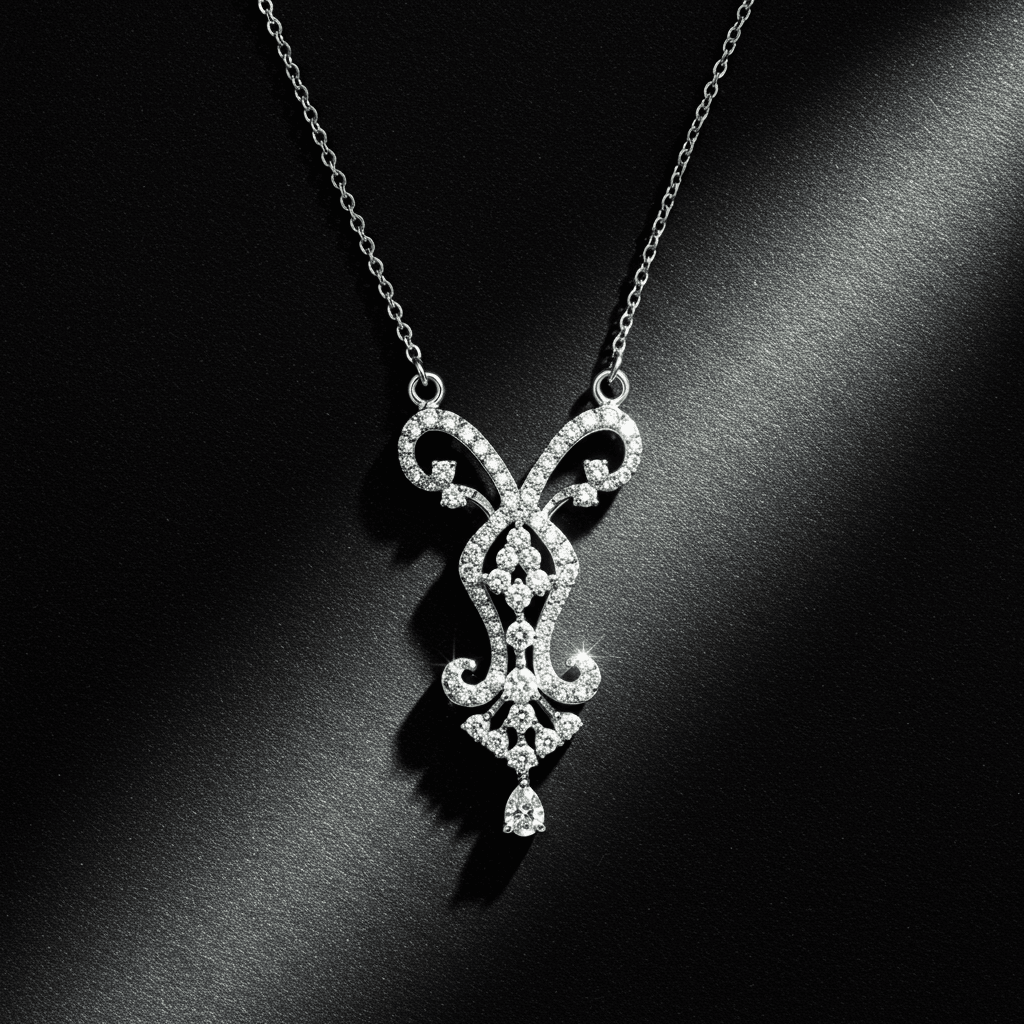
AI technology is transforming the competitive landscape for independent jewelers by providing affordable access to design visualization, material estimation, and marketing tools that were once exclusive to major jewelry houses with six-figure technology budgets. Small jewelers using AI report up to 80 percent faster design cycles and significantly improved client conversion rates.
The Traditional Competitive Gap
For decades, the jewelry industry maintained a clear hierarchy. Large brands invested millions in design teams, photography studios, CAD departments, and marketing agencies. Independent jewelers relied on hand sketches, word-of-mouth referrals, and physical samples to win business. The gap in client experience between walking into a Tiffany showroom and visiting a local workshop was enormous.
This disparity affected every stage of the customer journey. Big brands could show clients photorealistic renders of custom pieces before production. They could generate dozens of design variations in a single meeting. They could produce catalog-quality imagery for every piece in their collection. Independent jewelers, no matter how skilled their craftsmanship, simply could not match that level of visual sophistication.
How AI Closes the Gap
AI-powered tools have democratized capabilities that once required dedicated teams and expensive infrastructure. Here is how the playing field has shifted across key business functions.
Design Visualization
The most immediate impact comes in client-facing design work. Rather than presenting hand sketches or verbal descriptions, independent jewelers can now generate photorealistic renders of custom pieces in minutes. A client walks in describing their dream engagement ring, and within the same consultation, they see multiple high-quality visualizations showing different stone shapes, metal options, and setting styles.
This capability directly addresses one of the biggest challenges in custom jewelry sales. Clients struggle to visualize finished pieces from sketches alone, leading to uncertainty, delayed decisions, and revision-heavy projects. AI design tools eliminate this friction by showing clients exactly what they will receive.
Rapid Prototyping and Iteration
Big brands employ CAD teams that can produce dozens of design variations on demand. AI gives independent jewelers comparable speed without the headcount. Generate 20 variations of a pendant design in the time it takes to sketch one by hand. Explore how a ring looks in yellow gold versus platinum without modeling each version separately. Test unconventional combinations that you might not have considered.
This speed transforms the creative process from a careful, time-constrained exercise into an expansive exploration. The comparison between AI and traditional jewelry design shows that AI-assisted designers produce three to five times more unique concepts per project than those working with traditional methods alone.
Material Estimation and Quoting
Accurate quoting has always been a pain point for small jewelers. Underestimate material costs and you lose margin. Overestimate and you lose the client. AI-powered material estimation tools analyze 2D designs and provide accurate gold weight calculations, gemstone costs, and production estimates. This precision gives small jewelers the confidence to quote competitively while protecting their margins.
Marketing and Product Photography
Professional product photography represents one of the largest ongoing expenses for jewelry businesses. A single photo shoot can cost thousands. AI rendering tools produce catalog-quality images without cameras, lighting rigs, or studio space. Small jewelers can maintain a professional visual presence across their website, social media, and e-commerce listings at a fraction of traditional costs.
AI jewelry photography tools have made it possible for a one-person operation to produce visual content that matches the output of brands with dedicated marketing departments.
Building a Competitive Tech Stack on a Small Budget
You do not need to invest thousands to start leveraging AI. Here is a practical technology stack for an independent jeweler starting with AI.
| Tool Category | Purpose | Monthly Cost |
|---|---|---|
| AI Design Platform | Client presentations, concept generation | $0 to $100 |
| AI Photo Enhancement | Product imagery for listings | $20 to $50 |
| Social Media Scheduler | Consistent marketing presence | $0 to $30 |
| Simple CRM | Client relationship tracking | $0 to $25 |
| E-commerce Platform | Online sales channel | $30 to $80 |
Total monthly investment ranges from $50 to $285, roughly the cost of a single professional product photo from a traditional photographer.
Real Advantages for Independent Jewelers
AI does not just help small jewelers match big brands. In some areas, it provides distinct advantages.
Agility and Personalization
Large brands move slowly. Design decisions pass through committees. Collection updates follow rigid seasonal schedules. Independent jewelers using AI can respond to trends in real time, create one-of-a-kind pieces for individual clients, and pivot their offerings based on immediate market feedback.
This agility becomes a genuine competitive advantage. When a celebrity wears a distinctive jewelry style and demand spikes overnight, the independent jeweler with AI tools can generate relevant designs, create marketing imagery, and list new pieces within days. A large brand might take months to respond through their traditional pipeline.
Authentic Storytelling
Consumers increasingly value the personal connection that comes with buying from independent makers. AI frees jewelers from administrative and technical bottlenecks, giving them more time to craft the stories, relationships, and experiences that big brands cannot replicate. Your expertise, passion, and personal touch become amplified rather than replaced.
Custom Work at Scale
Custom jewelry is where independent jewelers have always excelled. AI makes the custom process faster and more profitable by reducing design time, minimizing revisions through better visualization, and enabling accurate quoting from the first conversation. What once required multiple consultations and physical wax models can now begin with a single AI-assisted design session.
The Tashvi AI Advantage for Independent Jewelers
Tashvi AI was built specifically for jewelry professionals, making it particularly powerful for independent jewelers looking to compete. The platform generates photorealistic design concepts from reference images or descriptions, estimates material costs from 2D designs, and produces marketing-ready visuals without photography equipment.
Independent jewelers use Tashvi AI to transform client consultations into dynamic design sessions. Instead of sending clients home with a sketch and a promise, you walk them through multiple visualized concepts in real time, dramatically improving close rates and reducing the revision cycles that eat into profit margins. The platform is designed for first-time AI users and experienced designers alike.
Try designing on Tashvi AI free
Getting Started
The transition to AI-assisted jewelry design does not require a technology overhaul. Start with a single tool that addresses your biggest bottleneck. For most independent jewelers, that means design visualization for client presentations. Use AI to generate concepts during your next consultation and measure the impact on client engagement and conversion.
As you become comfortable, expand into AI-powered photography, marketing content creation, and material estimation. Each addition compounds the competitive advantage, bringing your operation closer to the output quality of brands ten times your size while preserving the personal touch that makes independent jewelry special.
The future of jewelry design belongs to those who embrace AI as a creative partner rather than viewing it as a threat. For small jewelers, this technology is not just a convenience. It is the most significant competitive equalizer the industry has ever seen.
Frequently Asked Questions
Quick answers to the questions readers ask most about this guide.
Can small jewelers really compete with big brands using AI?
Yes. AI tools give independent jewelers access to design capabilities, marketing automation, and production efficiency that were previously exclusive to brands with large budgets. The technology effectively removes the resource gap in design and visualization.
How much does AI jewelry design software cost for a small business?
Most AI jewelry design platforms offer plans starting from free tiers up to $50 to $200 per month. This is a fraction of what traditional design services cost, making professional-grade tools accessible to even the smallest operations.
What specific AI tools should small jewelers invest in first?
Start with an AI design visualization tool like Tashvi AI for creating client-ready concepts, then add AI-powered photo editing for product images. These two tools deliver the highest immediate impact on client experience and marketing quality.
Will AI make my jewelry look generic or mass-produced?
No. AI tools amplify your creative vision rather than replacing it. You provide the artistic direction, style references, and design decisions. AI simply executes your vision faster, letting you focus on what makes your brand unique.
How quickly can a small jeweler see results from adopting AI?
Most jewelers report measurable improvements within the first month. Faster client presentations, reduced revision cycles, and better marketing imagery translate directly into higher conversion rates and increased order volume.